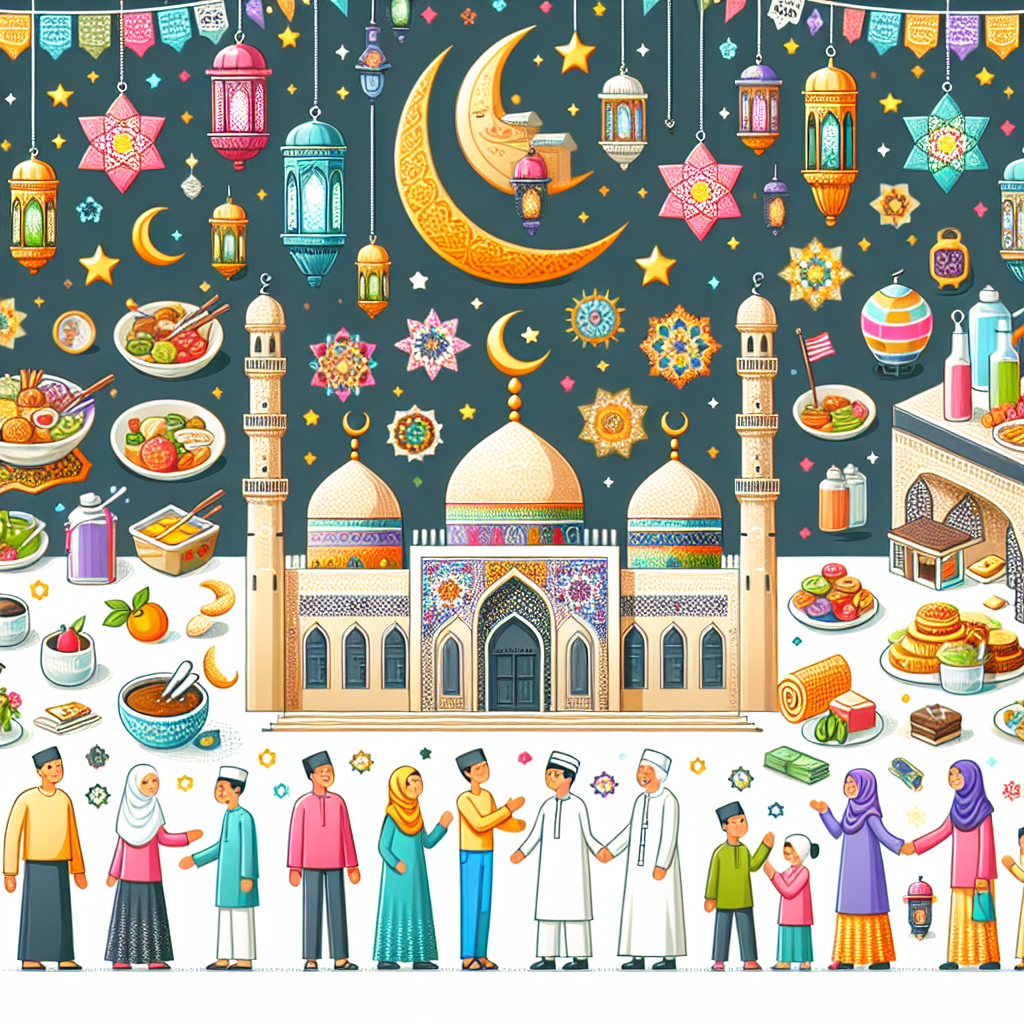
Ramadan, the ninth month of the Islamic lunar calendar, holds a place of profound spiritual significance in the hearts of Muslims around the world. It is a time of reflection, devotion, and communal bonding, embodying the core values and teachings of Islam. This article explores the multifaceted aspects of Ramadan, highlighting its spiritual depth and cultural resonance in Islamic societies.
Understanding Ramadan: The Holy Month
At the heart of Ramadan is the act of fasting, one of the Five Pillars of Islam, which is obligatory for adult Muslims. The fast begins at dawn and ends at sunset each day. During this time, participants abstain from food, drink, smoking, and marital relations, focusing instead on prayer, reflection, and community. The fast is not just a physical discipline but a means to spiritual purification and self-restraint, teaching patience, humility, and empathy.
Historical Significance
Ramadan commemorates the month in which the Quran, the holy book of Islam, was revealed to Prophet Muhammad by Allah (God). This revelation, Laylat al-Qadr (the Night of Power), is believed to have occurred in the last ten days of Ramadan, making this period especially sacred.
Spiritual Practices in Ramadan
Increased Prayer and Recitation of the Quran
During Ramadan, Muslims engage in increased prayer and recitation of the Quran. The nightly prayer, Tarawih, is performed in congregation and involves reading sections of the Quran each night, with the entire scripture being completed by the end of the month. This practice enhances one’s connection with God and deepens the understanding of the Quran’s teachings.
Seeking Forgiveness and Self-Reflection
Ramadan is a time for seeking forgiveness for past sins and making resolutions for spiritual growth. It offers a chance for self-reflection and soul-searching, encouraging Muslims to evaluate their lives in the light of Islamic teachings and strive for greater piety and righteousness.
Charity and Generosity: Zakat and Sadaqah
Charity is another key aspect of Ramadan. Zakat, the obligatory charity, and Sadaqah, voluntary charity, are highly emphasized. This act of giving not only aids those in need but also purifies the giver’s wealth and soul, fostering a sense of solidarity and compassion within the community.
Cultural Expressions of Ramadan
Iftar and Suhoor: The Meals of Ramadan
The pre-dawn meal before the fast begins is called Suhoor, while the meal to break the fast at sunset is known as Iftar. These meals are often communal affairs, shared with family, friends, and sometimes the wider community, reflecting the spirit of fellowship and generosity.
Cultural Variations in Celebration
Ramadan’s cultural expressions vary widely across the Islamic world, reflecting diverse traditions. In some countries, special foods and sweets are prepared for Ramadan, while others are known for their elaborate decorations and lights. Despite these differences, the core spiritual elements of fasting, prayer, and charity remain universal.
Community Engagement and Social Gatherings
Ramadan fosters a strong sense of community. Mosques become hubs of social and spiritual activity, and in many cultures, special tents are set up for communal iftars. These gatherings reinforce social bonds and ensure that the spirit of Ramadan extends beyond individual practice to encompass community welfare and unity.
The Night of Power: Laylat al-Qadr
Laylat al-Qadr is considered the holiest night in the Islamic calendar. Believed to be when the first verses of the Quran were revealed, this night is marked by intensive prayer, reflection, and seeking of God’s mercy. It is a night of immense spiritual significance, with prayers on this night believed to have a special status in the eyes of God.
Eid al-Fitr: The Celebration of Breaking the Fast
The conclusion of Ramadan is marked by Eid al-Fitr, a festival of breaking the fast. This joyous occasion begins with a special communal prayer and is followed by festivities, which include feasting, wearing new clothes, and giving gifts. Eid al-Fitr not only celebrates the completion of a month of fasting and worship but also symbolizes renewal and a fresh start.
Ramadan’s Impact on Individual and Social Life
Personal Growth and Spiritual Renewal
Ramadan offers a unique opportunity for personal growth and spiritual renewal. The discipline of fasting, combined with increased prayer and Quranic recitation, helps individuals strengthen their faith and cultivate moral virtues.
Social Justice and Community Solidarity
The emphasis on charity during Ramadan highlights the principles of social justice and community solidarity in Islam. By experiencing hunger and thirst, Muslims develop empathy for the less fortunate, driving them towards acts of charity and social responsibility.
Challenges and Adaptations in Modern Times
Balancing Fasting with Daily Life
In modern societies, balancing the demands of fasting with work and daily responsibilities can be challenging. However, this challenge is often met with a spirit of resilience and adaptability, showcasing the ability of faith to provide strength and guidance in all aspects of life.
Technological and Global Influences
Technology and globalization have introduced new dimensions to Ramadan. Virtual Iftars and online religious lectures have become increasingly common, enabling wider participation and connection, especially for those in non-Muslim-majority countries or those unable to attend mosque gatherings.
Ramadan, with its profound spiritual significance and rich cultural traditions, stands as a pillar of Islamic faith and culture. It is a time of deep introspection, heightened devotion, and communal harmony. Through its practices and teachings, Ramadan fosters a sense of global Muslim unity, bridging diverse cultures under the shared values of faith, charity, and compassion. As Muslims around the world observe this sacred month, they reaffirm their commitment to the principles of Islam and the universal human values of empathy, generosity, and spiritual growth.

The Role of Community in Ramadan
The essence of Ramadan extends beyond individual spirituality to embrace the concept of Ummah, the global community of Muslims. Throughout the month, the sense of belonging and unity is palpable. Community iftars, where people gather to break their fast together, serve as a powerful symbol of unity and equality, transcending social, economic, and ethnic divides. This communal aspect reinforces the concept of shared experience and mutual support, which are central to Islamic teachings.
Mosques as Centers of Gathering
During Ramadan, mosques play a pivotal role as centers of worship and community gathering. They host Tarawih prayers and spiritual seminars, facilitating a communal atmosphere. The mosque becomes a focal point for social interaction, spiritual learning, and the reinforcement of communal bonds.
Health and Well-being in Ramadan
Physical and Mental Benefits
Fasting during Ramadan is not only a spiritual exercise but also can have significant physical and mental health benefits. It encourages a disciplined lifestyle, promotes detoxification, and offers a chance for the digestive system to rest. Psychologically, fasting can enhance a sense of self-control, improve focus, and foster a sense of inner peace.
Adaptation to Fasting
Adapting to the fasting schedule of Ramadan requires physical and mental preparation. The change in eating habits and sleep patterns can be challenging, but it also serves as a period of adjustment where individuals learn to listen to their bodies and attune to their spiritual needs.
Ramadan in the Digital Age
With the advent of technology, the observance of Ramadan has embraced new forms. Online platforms offer virtual religious services, Quranic recitations, and educational programs, making them accessible to a wider audience. Social media plays a crucial role in connecting Muslims globally, allowing them to share experiences, insights, and encouragement.
Digital Charity and Zakat
Technology has also transformed how Zakat and Sadaqah are given. Online platforms facilitate easy and efficient ways to fulfill these obligations, connecting donors with numerous charitable organizations and causes worldwide. This digitization of charity has broadened the scope and impact of giving during Ramadan.
Cultural Diversity in Ramadan Celebrations
The observance of Ramadan varies greatly across different Islamic cultures, each adding its unique flavor to the month. From the lanterns of Egypt to the cannon firing in Turkey signaling the end of the day’s fast, these diverse practices highlight the rich tapestry of the Islamic world. The common thread across these diverse traditions is the spirit of Ramadan, which unites Muslims globally in a period of devout worship and reflection.
Ramadan Around the World
In countries like Indonesia, Malaysia, and others, Ramadan is marked by vibrant bazaars and special delicacies. In the Middle East, elaborate iftars and family gatherings are commonplace. These cultural variations enrich the experience of Ramadan, demonstrating the universality and diversity of Islamic practices.
The Ethical and Spiritual Lessons of Ramadan
Ramadan serves as a yearly reminder of the ethical and spiritual obligations of Muslims. It reinforces the principles of discipline, self-control, and empathy. The heightened focus on charitable acts during Ramadan underlines the importance of social responsibility and care for the less fortunate in Islam.
A Time for Renewal and Commitment
As a time of spiritual renewal, Ramadan offers a chance to strengthen one’s faith and commitment to Islamic values. It is a period for Muslims to reassess their lives in the context of their religious obligations and aspirations, seeking a closer relationship with God.
Conclusion
Ramadan, a month of fasting, prayer, and reflection, stands as a testament to the depth and diversity of Islamic spirituality and culture. It transcends mere ritual to become a profound journey of personal growth, communal bonding, and ethical awakening. As Muslims around the world partake in this holy month, they reaffirm their commitment to the path of righteousness, compassion, and unity, embodying the true spirit of Islam.
The enduring legacy of Ramadan in Islamic cultures is its ability to nurture a sense of spiritual clarity, moral fortitude, and communal harmony. It is a time that beckons to the faithful to turn inward, to purify their hearts and minds, while also reaching outward in acts of kindness and solidarity. In this balance lies the true essence of Ramadan, a beacon of hope, faith, and renewal for Muslims and a symbol of the rich, spiritual heritage of Islam to the world.