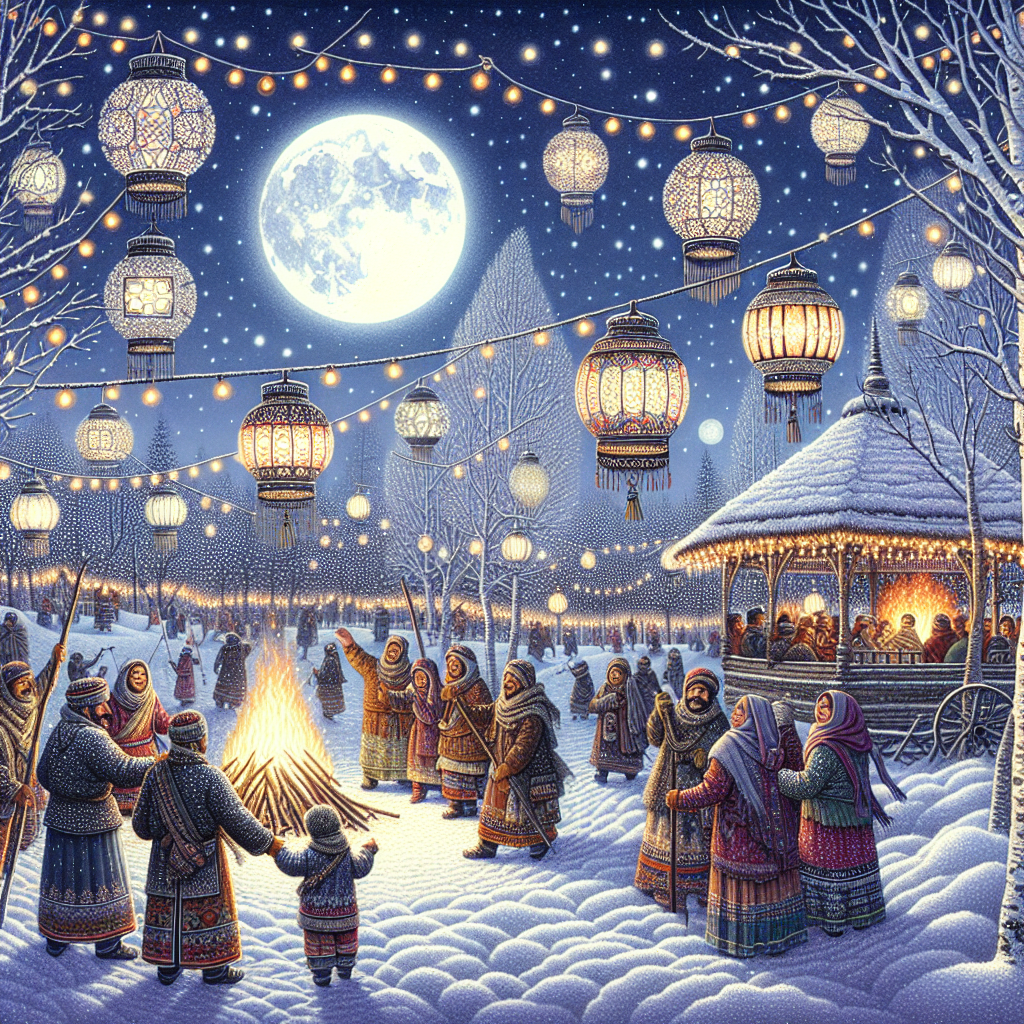
Winter, the season of frost and festivals, casts a magical spell over many cultures around the globe. The arrival of the Winter Solstice, the shortest day and longest night of the year, has been celebrated for centuries by various societies, marking a time of reflection, renewal, and reverence for the changing seasons. While modern communities often embrace the spirit of the holiday season with Christmas and New Year’s festivities, ancient and contemporary traditions from diverse cultures enrich our understanding of winter’s unique cultural significance. This article delves into the captivating winter solstice celebrations observed by different cultures worldwide, providing insight into how they honor the close of the old year and the dawn of the new.
The Winter Solstice occurs around December 21st in the Northern Hemisphere and June 21st in the Southern Hemisphere. It is a pivotal moment in the calendar year that has been imbued with deep spiritual, cultural, and communal meaning. For many ancient civilizations, the solstice was a time to honor the rebirth of the sun and the beginning of longer days. Monuments such as Stonehenge in England and Newgrange in Ireland were constructed to align with the sunrise on solstice morning, indicating the profound significance of this celestial event.
In the modern era, the symbolism of the Winter Solstice still holds sway, though it may be adapted to contemporary contexts. From the warmth of Yule logs to the vibrancy of Chinese New Year, winter celebrations often emphasize themes of light, rebirth, and community. As we explore the unique solstice rituals from across the globe, we will encounter stories and traditions that highlight humanity’s enduring connection to the changing seasons and the ever-turning wheel of the year.
Yule: The Pagan Festival of Light
Yule, often associated with the modern celebration of Christmas, is a traditional Pagan festival that honors the Winter Solstice. Originating from ancient Germanic cultures, Yule focuses on the symbolic rebirth of the sun and the lengthening of days. The word “Yule” itself is derived from the Old Norse “jól,” signifying festivities and feasting.
One of the most recognizable symbols of Yule is the Yule log, traditionally an entire tree that was carefully chosen and brought into the home with great ceremony. The largest end of the log would be placed into the hearth, and the remainder of the tree would be regularly fed into the fire over the course of the 12 days of Yule. Today, the Yule log is often represented by a decorated log or even a Yule log cake.
Another significant custom is the decoration of evergreen trees with lights and ornaments, a practice that predates modern Christmas trees. Evergreens, which remain vibrant during the cold winter months, symbolize the enduring life force. Other elements such as holly, ivy, and mistletoe are also used as decorations, each with its own mythological and protective attributes.
Yule is a time of joy and festivity, marked by communal gatherings, singing, and the exchange of gifts. It is a period to celebrate resilience, continuity, and the warmth of community as people come together to welcome the return of light and longer days after the depths of winter’s darkness.
Dongzhi: A Time of Family and Renewal
Dongzhi (冬至), meaning “Winter’s Extreme,” is an important Winter Solstice festival celebrated by Chinese and East Asian cultures. Falling around December 21st-23rd, Dongzhi has roots that date back over 2,000 years to the Han Dynasty. The festival is associated with the yin and yang philosophy, signifying the balance and harmony of dark and light forces in the cosmos. As the days begin to lengthen following the solstice, the increase in yang energy is celebrated.
A key aspect of Dongzhi is family unity and renewal. Families come together to share elaborate meals that often include hearty and warming foods to strengthen the body during the cold season. In Southern China, a traditional dish called tangyuan (汤圆) is prepared – glutinous rice balls filled with sweet or savory fillings, symbolizing family reunion and togetherness. These round dumplings are often served in a sweet soup to emphasize warmth and unity.
In Northern China, people enjoy dumplings known as jiaozi (饺子), which are believed to fend off frostbite and are said to resemble ears. The custom is linked to an ancient tale of Zhang Zhongjing, a famous physician who helped people suffering from cold-related ailments by giving out dumplings. This act of kindness is remembered annually as families make and eat jiaozi to keep warm and ward off the winter chill.
Moreover, Dongzhi is a time for offering sacrifices to ancestors and deities, seeking blessings for a prosperous year ahead. The festival emphasizes the importance of lineage, community, and the cyclical nature of life, encouraging a reflective and hopeful outlook as families look forward to longer days and renewed prospects.

Dísaþing: Honoring the Norse Goddesses
Dísaþing, also known as the Disablot, is a Norse festival held to honor the Dísir, a group of female deities and ancestral spirits. Traditionally celebrated at the end of winter or the beginning of spring, it is closely associated with the Winter Solstice as it invokes themes of life, death, and rebirth.
The Dísir are considered protective figures who oversee fertility, childbirth, and the wellbeing of the community. The festive Þng (assembly) gathered to honor these goddesses and to seek their blessings for the coming year. In ancient times, this involved feasting, sacrificial offerings, and ritualistic practices to ensure a prosperous and healthy future.
A significant aspect of Dísaþing is the notion of symbel, a ritual drinking ceremony where participants would toast to the gods, ancestors, and their own oaths and achievements. Mead and ale, which have deep cultural significance in Norse tradition, were commonly consumed during these gatherings. The acts of communal drinking and storytelling were not just celebratory but also served to strengthen social bonds and reaffirm commitments to one another.
While the formal elements of Dísaþing may not be widely practiced today, modern Pagan and Heathen communities continue to honor these traditions through seasonal gatherings and ceremonies. These celebrations often include reenactments of rituals, shared meals, and collective toasts, keeping the spirit of the ancient Norse culture alive while fostering a sense of community and continuity in modern times.
Soyal: The Hopi Winter Solstice Ceremony
Soyal, or Soyaluna, is a sacred Winter Solstice ceremony observed by the Hopi people of the southwestern United States. It marks the end of the old year and the beginning of new growth and is considered one of the most important Hopi ceremonial events.
Soyal ceremonies begin with a period of purification and preparation, wherein the Hopi cleanse themselves spiritually and physically to welcome the new season. Participants engage in rituals that include prayers, songs, and dances, each with specific meanings and functions. These rituals are intended to bring the sun back from its winter slumber, to ensure the renewal of life, and to promote harmony and balance.
One of the key elements of Soyal is the making of prayer sticks, or “pahos,” which are carved and decorated with symbolism and prayers for health, fertility, and good fortune. These sticks are placed in fields and homes to communicate with spiritual forces and to foster connection with the divine.
Kivas, which are ceremonial underground chambers, play a central role in the Soyal festivities. Within these spaces, Hopi men perform sacred rites and dances to honor the kachinas – ancestral spirits who are believed to bring blessings and guidance. The kachina masks and costumes worn during these dances are intricately crafted and imbued with cultural and spiritual significance.
Soyal is not merely a festival but a reaffirmation of the Hopi’s relationship with nature and the cosmos. It underscores the importance of living in harmony with the environment and maintaining the cycles of life through respectful and mindful practices. In this way, the Soyal ceremony continues to be a vital aspect of Hopi cultural and spiritual life.
Shab-e Yalda: The Persian Celebration of Light and Warmth
Shab-e Yalda, meaning “Night of Birth,” is an ancient Persian festival celebrated on the Winter Solstice. This event marks the triumph of light over darkness as the longest night of the year gives way to gradually lengthening days.
Yalda is traditionally observed with family gatherings, storytelling, and the sharing of special foods. Pomegranates and watermelons, bright red fruits symbolizing the glow of dawn and the warmth of life, are prominently featured in Yalda feasts. These fruits are enjoyed alongside nuts, dried fruits, and sweets, creating a vibrant and festive spread that epitomizes abundance and joy.
One of the key customs of Shab-e Yalda is the recitation of Persian poetry, particularly the works of the renowned 14th-century poet Hafez. It is customary for family members to take turns reading verses from his “Divan,” a collection of mystical and philosophical poems that explore themes of love, fate, and the divine.
The festival also involves the lighting of candles and fires, which symbolize the dispelling of darkness and the welcoming of light. This practice connects Shab-e Yalda to Zoroastrian traditions, where fire is seen as a purifying and life-affirming force.
Notably, Yalda celebrates the birth of Mithra, the ancient Persian angel of light and protector of truth. This connection highlights the festival’s deeper spiritual significance, as it embodies themes of renewal, hope, and the eternal struggle between light and dark forces.
Shab-e Yalda remains a cherished tradition among Iranians and Persian communities worldwide, serving as a reminder of cultural heritage and the timeless human yearning for light, warmth, and connection during the darkest part of the year.
Conclusion
Winter Solstice festivals around the world provide a fascinating glimpse into the diverse ways that cultures embrace the rhythms of nature and the cyclical nature of life. These celebrations are woven into the fabric of human society, reflecting our shared reverence for the changing seasons and our desire to find meaning and joy in the world around us.
From the ancient Germanic Yule to the modern Dongzhi celebration in China, from the Norse Dísaþing to the Hopi Soyal ceremony, and the Persian Shab-e Yalda, each festival embodies unique customs, beliefs, and practices. Yet, they all share common themes of light overcoming darkness, renewal, and the importance of community and family bonds.
In today’s globalized world, these winter solstice celebrations continue to be sources of inspiration and connectedness. They remind us of the resilience of the human spirit, the richness of cultural diversity, and the universal need to pause, reflect, and celebrate the changing seasons with those we hold dear.
As we participate in or learn about these various traditions, we deepen our understanding of the cultural tapestry that spans our planet. We come to appreciate the many ways in which people across time and space have sought to find warmth, light, and meaning in the chill of winter. Ultimately, these festivals highlight our shared humanity and our enduring connection to the natural world.