
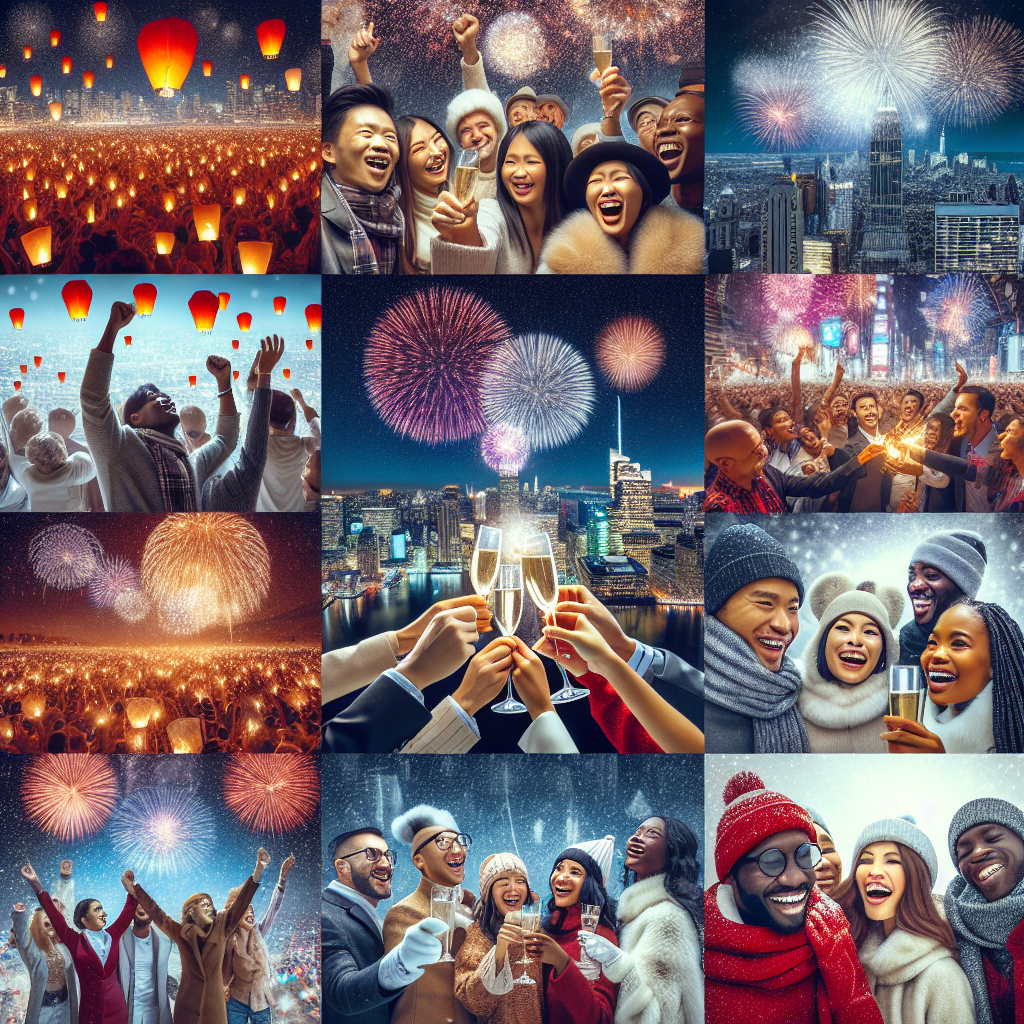
As one year draws to a close, people around the globe prepare to usher in a new one with grand festivities and traditions rooted in their cultural heritage. New Year’s Eve, celebrated on December 31st, is a time of reflection and renewal. Regardless of geographical or cultural differences, this night brims with hope, offering a fresh start and new opportunities. While some traditions are shared on a global scale, such as watching fireworks and spending time with loved ones, many countries have uniquely joyful and fascinating ways to celebrate the advent of a new year.
This article takes you on a journey across different continents and cultures to witness how various societies ring in the New Year. From the vibrant streets of Rio de Janeiro to the serene temples of Tokyo, discover the diverse and colorful ways people celebrate this universally significant event.
Brazil: Carnival-style Festivities
In Brazil, New Year’s Eve, known as “Réveillon,” is one of the most eagerly awaited events of the year. The celebration in Rio de Janeiro is especially famous and draws millions of people, both locals and tourists, to the iconic Copacabana Beach. Leading up to midnight, the beach transforms into a sea of white garments, as wearing white is believed to bring peace and good fortune in the coming year. The festivities often begin with lively music and dance, featuring lots of samba and bossa nova rhythms, reflective of Brazil’s rich musical heritage.
When the clock hits midnight, the sky illuminates with a spectacular fireworks display, which can last up to 15 minutes. Another significant tradition is the “Offerings to Iemanjá,” the goddess of the sea in Candomblé and Umbanda religions. People cast flowers, candles, and small gifts into the ocean, hoping for blessings and good luck. The celebration continues well into the night with people dancing on the sand, enjoying barbecues, and partying until dawn.
Japan: A Night of Reflection and Renewal
New Year’s Eve in Japan, known as “Ōmisoka,” is a deeply spiritual time of year marked by family gatherings and various traditional rituals. The event is less about lavish parties and more about introspection and preparation for the new year. Cleaning the entire house, a practice called “ōsōji,” is an essential activity as it symbolizes purging the past year’s misfortunes and making room for good luck in the year to come.
On the night of December 31st, many families partake in the tradition of eating “toshikoshi soba,” a dish of buckwheat noodles that signifies long life. As the clock nears midnight, temples across the country begin ringing their bells (known as “Joya no Kane”) 108 times, representing the 108 human sins in Buddhist belief, thereby purifying recipients from these sins. Some people also visit temples to make their first prayer of the year, known as “hatsumode,” seeking blessings for health and prosperity.

Spain: Grapes and Good Fortune
In Spain, New Year’s Eve, or “Nochevieja,” is celebrated with a unique tradition involving grapes. When the clock strikes midnight, it’s customary to eat 12 grapes, one at each chime of the clock, as a symbol of good luck for each month of the coming year. This tradition, known as “Las doce uvas de la suerte,” dates back to the early 20th century and is enjoyed across the country, often in the company of family and friends.
Main squares and city centers, such as Madrid’s Puerta del Sol, become focal points for thousands of people who gather to count down together, enjoying the festive atmosphere. The night does not end with the grapes; it often continues with grand dinners, champagnes toasts, and merry-making that can extend well into the New Year’s Day. For many, it’s also customary to wear red underwear, believed to bring love and prosperity in the coming year.
South Africa: A Diverse Celebration
South Africa offers a rich tapestry of New Year’s Eve celebrations, reflecting its diverse cultural landscape. Major cities like Cape Town and Durban host spectacular New Year’s Eve events featuring live music, dance, and fireworks. Cape Town’s Victoria & Albert Waterfront is a particularly favorite spot, offering a lively atmosphere with street performers and a dazzling firework display over the harbor at midnight.
Many locals gather on beaches to celebrate with friends, enjoying braais (barbecues) and beach parties. In Johannesburg, different suburbs resonate with vibrant gatherings and block parties. Traditional African music and dance form an integral part of the celebration. Additionally, some South Africans practice the unique ritual of discarding old furniture or appliances from their homes to symbolically leave the past behind and invite positive changes in the new year.
Scotland: Hogmanay Revelries
Scotland boasts one of the most famous and unique New Year’s Eve celebrations in the world, known as “Hogmanay.” Rooted deeply in ancient traditions from Viking times, Hogmanay extends over several days, featuring a variety of festive activities. Major cities like Edinburgh host grand events, with the annual “Edinburgh Hogmanay” being a highlight that attracts visitors worldwide.
The celebration kicks off with a torchlight procession on December 30th, symbolizing chasing away the darkness. On December 31st, revelers flock to street parties, such as the one on Princes Street, to enjoy live music, dance, and fireworks. A distinctive Hogmanay tradition is “first-footing,” where the first person to enter a home after midnight brings luck to the household. They usually bring gifts like whisky, bread, or coal, symbolizing warmth, food, and prosperity.
Conclusion
New Year’s Eve is an extraordinary festivity that transcends cultural and geographical boundaries, uniting humanity in a collective hope and celebration. From the vibrant, music-filled beaches of Rio de Janeiro to the serene and contemplative rituals of Japan, every country offers a unique way to say goodbye to the old year and welcome the new one.
These diverse celebrations showcase the rich tapestry of global traditions and highlight our common desire for renewal, happiness, and prosperity. They remind us that no matter where we are, the essence of New Year’s Eve lies in cherishing the past, celebrating the present, and embracing the future with open hearts. As we learn about these traditions, we not only appreciate their cultural significance but also strengthen the bonds of global unity and understanding.
So, the next time you find yourself celebrating New Year’s Eve, remember that you are part of a worldwide community welcoming a new chapter with hope and joy. Whether you’re eating grapes in Spain, watching fireworks in Brazil, or reflecting at a Japanese temple, this night is a testament to the timeless human spirit that looks forward to new beginnings with optimism.


