Christmas is a time-honored celebration recognized in many parts of the world. Despite its roots in Christianity, the holiday has evolved into a combination of religious and secular traditions. The festivities encompass numerous customs and practices which vary widely from one culture to another. Each country and region has its unique way of celebrating Christmas, from culinary delights to special rituals. This creates a rich and colorful tapestry of global Christmas traditions. In this article, we will journey across continents to explore how different cultures embrace the yuletide season.
The essence of Christmas, characterized by family gatherings, festive decorations, and acts of kindness, transcends borders. From Europe to Asia, Africa to the Americas, every locale adds its particular spin to the festivities. In some cultures, Christmas is celebrated with solemn religious observance, while in others, it is a time of feasting and partying. This diversity highlights the beauty of human expression, united under the banner of Christmas celebrations. Let’s delve into various global Christmas traditions that make this holiday extremely special.
European Christmas Celebrations
Europe, being the cradle of modern Christmas traditions, boasts a wide array of festive customs. In Germany, the season is celebrated with vibrant Christmas markets, also known as “Weihnachtsmärkte.” These markets, adorned with twinkling lights and festive decorations, offer local crafts, food, and warm beverages like Glühwein (mulled wine). The tradition of the Advent calendar, which counts down the days leading up to Christmas, also originated here.
In the United Kingdom, Christmas festivities are incomplete without the iconic Christmas pudding and feasting on a turkey roast. Carol singing is a significant part of the season, with groups going door-to-door to spread festive cheer. Italy, on the other hand, celebrates with a feast called “La Vigilia” (The Vigil) on Christmas Eve, where multiple courses of seafood dishes are served. This is followed by midnight mass, an integral aspect of many European Christmas celebrations.
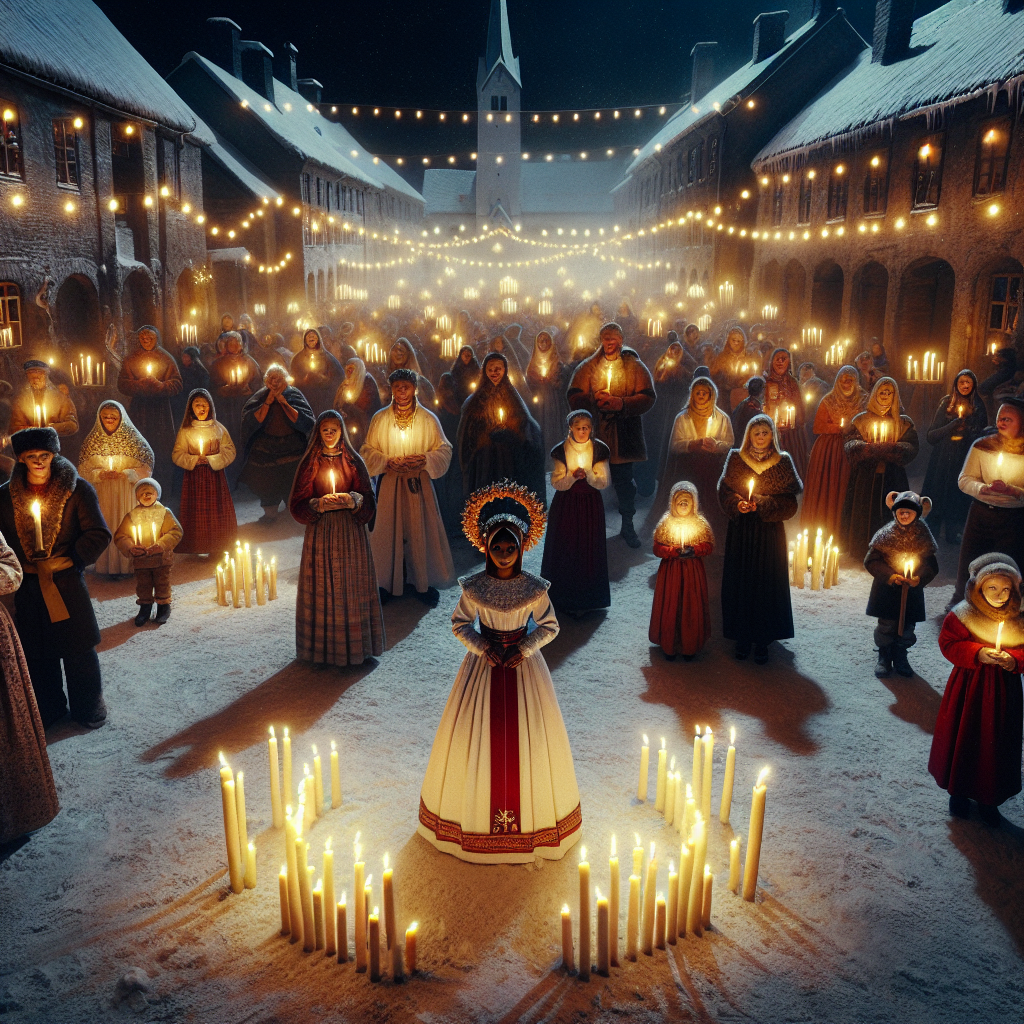
Moving towards Scandinavia, in Sweden, the festival of Saint Lucia on December 13 marks the beginning of the Christmas season. Young girls dressed in white robes and candle-lit crowns lead processions, symbolizing the light of Saint Lucia bringing hope during the darkest time of the year. Each of these European traditions, while unique, shares a common thread of togetherness and joy, illustrating the cultural richness of the continent.
North American Christmas Traditions
North America’s Christmas traditions are a melting pot of practices from various cultures, reflecting the continent’s diverse population. In the United States, Christmas is celebrated with grandeur, characterized by elaborate light displays, decorated Christmas trees, and festive parades. One of the most famous traditions is the lighting of the Rockefeller Center Christmas tree in New York City, attracting thousands of visitors annually.
Canadian Christmas traditions blend influences from French, British, and Indigenous cultures. In Quebec, “Réveillon” is a holiday feast held after midnight mass, featuring delicacies such as tourtière (meat pie) and bûche de Noël (Yule log cake). In the provinces with significant Indigenous populations, traditional celebrations include powwows with singing, dancing, and the sharing of stories around the bonfire.
Mexico’s Christmas season kicks off with “Las Posadas,” a nine-day celebration beginning on December 16. This event reenacts Mary and Joseph’s search for lodging in Bethlehem with candle-lit processions, music, and the breaking of piñatas filled with candies and treats. On Christmas Eve, known as “Nochebuena,” families gather for a festive meal, often featuring tamales and bacalao (salted cod). Despite the vast differences, North American Christmas traditions emphasize community and the spirit of giving.

Asian Christmas Customs
In Asia, where Christianity isn’t the majority religion, Christmas festivities have taken on unique hues influenced by local cultures and traditions. Japan, for instance, celebrates Christmas in a distinctly secular manner. Here, Christmas Eve is often seen as a romantic occasion similar to Valentine’s Day. Couples exchange gifts and dine at restaurants, with a special emphasis on indulging in strawberry shortcake, a popular Christmas treat.
In the Philippines, Christmas celebrations start as early as September, earning it the title of the longest Christmas season in the world. The “Simbang Gabi” or night masses, held for nine consecutive nights leading up to Christmas Eve, are a cherished tradition. Filipinos decorate their homes with festive lights and “parols” (star-shaped lanterns), symbolizing the Star of Bethlehem. The culmination of these festivities is the “Noche Buena,” an elaborate feast enjoyed after the midnight mass.
India, with its significant Christian population in states like Kerala and Goa, observes Christmas with a blend of Western and local customs. Churches are decorated with colorful lights, and midnight mass is a prominent event. Traditional sweets like “kul-kuls” and “neureos” are prepared and shared amongst family and friends. The varied Christmas customs in Asia, while distinct from Western traditions, exhibit the continent’s spirit of festivity and adaptation.
African Christmas Traditions
Africa’s Christmas celebrations are characterized by their vibrant and community-centric nature. In countries like Nigeria, the Christmas season is marked by large family gatherings and communal feasts featuring dishes like Jollof rice and goat meat. One unique tradition is the “masquerade,” where individuals dress in elaborate costumes and masks, performing dances and acrobatics on the streets.
In Ethiopia, where the Orthodox Christian faith is prevalent, Christmas known as “Ganna” or “Genna,” is celebrated on January 7. The celebrations commence with a fast that culminates in a spectacular feast on Christmas Eve, featuring a dish called “doro wat” (spicy chicken stew) served with “injera” (sourdough flatbread). The Christmas morning mass, attended by worshippers donned in white traditional garments, is a significant cultural and religious event.
South Africa’s Christmas, falling in the summer season, contrasts with the snowy imagery often associated with the holiday. South Africans celebrate with outdoor activities such as barbecues, known locally as “braais,” and beach outings. Families gather to enjoy a meal of roasted meats and seasonal fruits. Christmas carols and festive decorations also play a part in the joyful celebrations. These African traditions, soaked in the continent’s rich cultural heritage, embody the joy and togetherness of the Christmas season.
South American Christmas Celebrations
South America is home to a myriad of Christmas traditions heavily influenced by Spanish and Portuguese colonial heritage. In Brazil, the Christmas season is marked by a tropical twist with festive decorations including “presépios” (nativity scenes) displayed in homes and churches. The “Missa do Galo” (Midnight Mass) is a significant religious observance, followed by a festive meal that features turkey, pork, and Brazil’s famed dessert, rabanadas (similar to French toast).
In Venezuela, the Christmas season is infused with lively music and dance. The tradition of “parrandas” involves gathering in groups, playing traditional instruments such as the cuatro and maracas, and singing Christmas carols. A unique custom in Caracas sees residents skating to early morning church services, resulting in the temporary closure of roads to accommodate this festive tradition.
Peru’s Christmas celebrations, prominently observed in the Andean regions, blend indigenous and Spanish influences. The “Santuranticuy” market in Cusco, held on Christmas Eve, showcases the handiwork of local artisans, offering carved gourds, traditional foods, and nativity scenes. The Christmas feast often features a dish called “lechón” (roast pork) and “panetón” (a type of fruit cake). This rich diversity of customs illustrates the fascinating blend of cultural influences that shape South American Christmas celebrations.
Oceanian Christmas Traditions
In Oceania, Christmas is often a time of outdoor festivities and embraces summer vibes. In Australia, Christmas often includes a beach day or a barbecue. Australians gather at parks or gardens to enjoy seafood, salads, and the classic “pavlova” dessert, made from meringue and topped with fresh fruit. The tradition of “Carols by Candlelight” sees communities come together in parks or on beaches to sing carols lit by candles, creating a unique and enchanting atmosphere.
New Zealand’s Christmas celebrations are similar to Australia’s, emphasizing family gatherings and outdoor activities. The Pohutukawa tree, known as the New Zealand Christmas tree, blooms with bright red flowers during December, adding natural festive decor to the celebrations. Traditional Maori songs and dances are often incorporated into the Christmas festivities, highlighting the cultural heritage of the indigenous Maori people.
In the Pacific Islands, Christmas is celebrated with a strong sense of community and tradition. In Fiji, families and communities gather for a “lovo” feast, where food like fish, chicken, and root vegetables are cooked in an earth oven. Carol singing and church services are essential parts of the celebration, often accompanied by traditional Fijian music and dance. Similarly, in Samoa, Christmas involves community feasts, lively church services, and traditional Fa’ataupati (Samoan slap dance). These traditions demonstrate the harmonious blend of cultural practices and the festive spirit of Christmas in Oceania.
Conclusion
Christmas is a beloved celebration on every continent, adapting to local traditions and cultures while maintaining its core values of joy, generosity, and togetherness. Whether it is the bustling Christmas markets of Europe, the communal feasts in Africa, or the vibrant parrandas in South America, each tradition adds to the rich tapestry of global Christmas celebrations. These diverse customs allow us to appreciate the varied and beautiful ways in which the spirit of Christmas is manifested worldwide.
Understanding and respecting these diverse practices not only enriches our knowledge of global cultures but also deepens our appreciation for the shared human values that unite us. As the world becomes more interconnected, these Christmas traditions serve as a reminder of the importance of cultural heritage and community. By embracing the unique ways in which people celebrate Christmas across continents, we can foster a greater sense of unity and mutual respect.
As you prepare for your own Christmas celebration, perhaps draw inspiration from some of these global traditions, adding new and meaningful customs to your festivities. Whether you choose to light an Advent candle, enjoy a lavish feast, or simply spend quality time with loved ones, remember that the true essence of Christmas lies in the joy, love, and community we share.