Globalization is a term that has become ingrained in the lexicon of modern civilization. As the world becomes increasingly interconnected through advances in technology, communication, and transportation, the exchange of cultural values, ideas, and traditions across borders has become inevitable. This phenomenon has given rise to what is known as cultural homogenization—a process where our diverse cultures begin to converge and adopt similar characteristics. While the notion of a global culture can be appealing in its promise of unity and understanding, it also comes with significant implications. This article delves into the pros and cons of cultural homogenization, aiming to provide a balanced perspective on this intricate subject.
The Advantages of Cultural Homogenization
One of the most significant advantages of cultural homogenization is the facilitation of communication. As cultures converge, common languages, principally English, are becoming more widely spoken and understood. This linguistic unity simplifies international business, travel, and diplomacy. It also opens the door for cross-cultural friendships and collaborations that were not as easily achievable in the past.
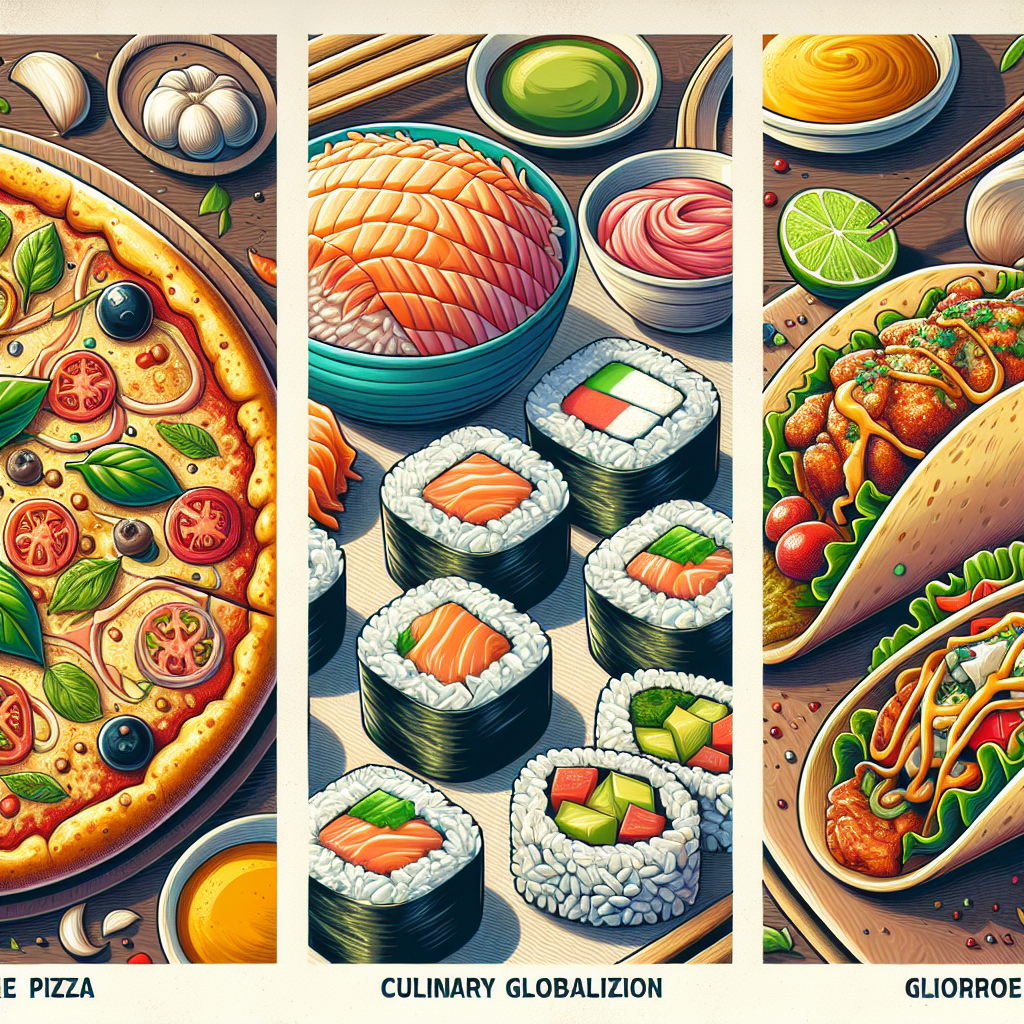
Moreover, cultural homogenization can lead to economic benefits. By adopting standardized practices and consumer preferences, companies can expand their markets across national borders more efficiently. This standardization often drives down costs and leads to the proliferation of products and services that can spur economic growth and development. Popular franchises like McDonald’s and Starbucks are prime examples of businesses that have successfully navigated cultural homogenization to create global brands.
Cultural homogenization also promotes the sharing of beneficial ideas and innovations. When cultures come together, they can share their unique strengths and techniques, leading to advancements in various fields such as science, medicine, and the arts. The global collaboration to combat challenges such as climate change and pandemics highlights how the fusion of cultural knowledge and practices can lead to positive global outcomes.
The Drawbacks of Cultural Homogenization
Despite its benefits, cultural homogenization is not without its drawbacks. One of the most significant concerns is the erosion of cultural diversity. As dominant cultures spread and are adopted worldwide, the unique traditions, languages, and practices of smaller or indigenous cultures are at risk of being overshadowed or lost entirely. This loss of cultural diversity can lead to a more monotonous world, where the richness of heritage and the distinctiveness of regional cultures diminish.
Another critical aspect to consider is the impact on local economies and industries. The influx of global products and brands can suppress local businesses, leading to economic challenges for small-scale entrepreneurs who cannot compete with international giants. This economic displacement can result in the loss of traditional crafts and industries that have been the backbone of local economies for generations.
Furthermore, cultural homogenization can lead to social tensions and identity crises. As communities are increasingly exposed to and adopt foreign cultural elements, there can be friction between preserving traditional values and embracing new influences. This conflict may manifest in resistance to change or xenophobia, which can hinder social cohesion and mutual understanding within and between communities.

Cultural Homogenization in the Digital Age
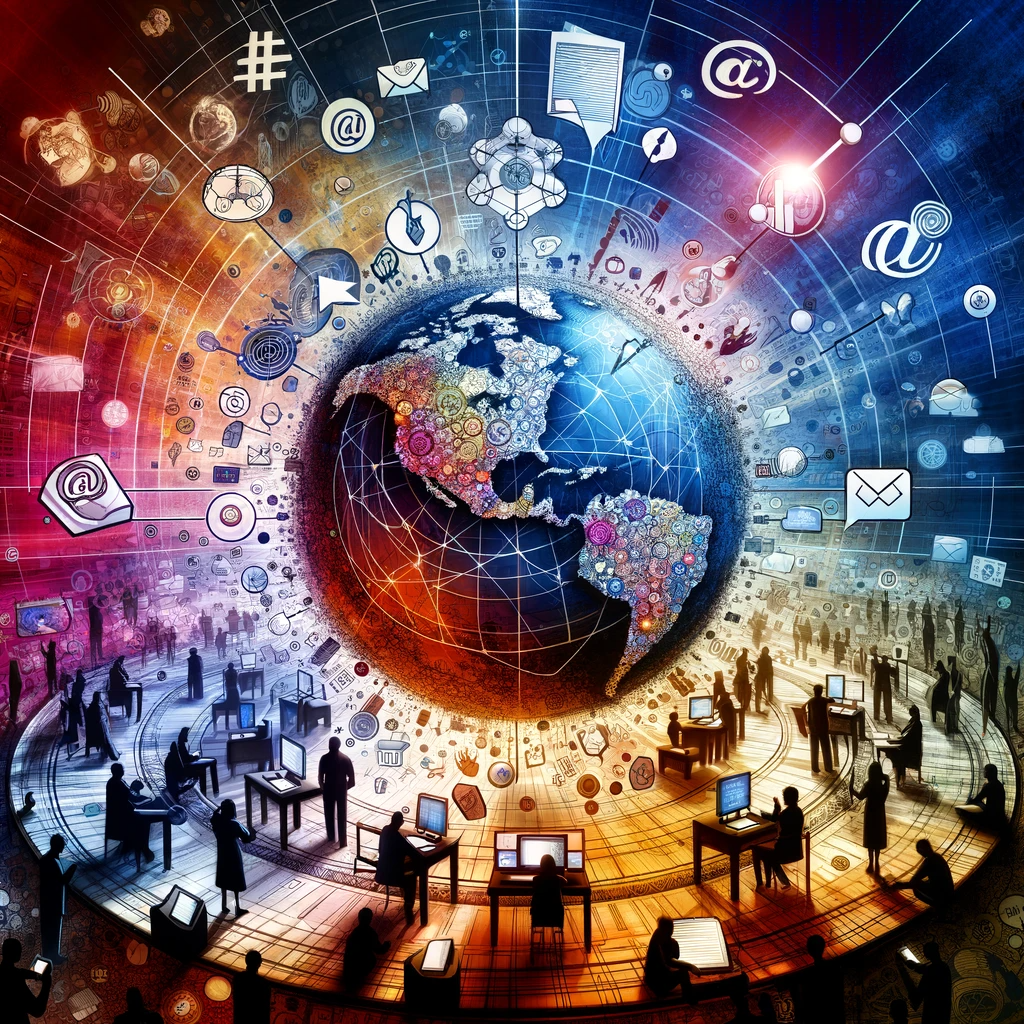
With the advent of the internet and social media, cultural homogenization has accelerated at an unprecedented pace. The digital age has enabled the instantaneous exchange of information and cultural content, leading to the rapid spread of global trends and ideologies. Social media platforms like Instagram, Twitter, and TikTok have become melting pots of cultural expression, where viral content can shape global cultural norms and preferences almost overnight.
On the positive side, the internet has democratized access to cultural knowledge. Individuals can now easily learn about and appreciate cultures from around the world without leaving their homes. This accessibility can lead to greater cultural empathy and a deeper understanding of global issues, fostering a more connected and informed world.
However, the digital age also comes with the risk of creating echo chambers where dominant cultural narratives drown out alternative perspectives. Algorithms that prioritize popular content can lead to a homogenized digital culture, where nuanced and minority voices struggle to be heard. This can exacerbate the already existing disparities in cultural representation and recognition.
The Role of Education in Balancing Cultural Homogenization
Education plays a crucial role in navigating the complexities of cultural homogenization. By fostering a curriculum that values cultural diversity and promotes critical thinking, educational systems can prepare individuals to appreciate both global commonalities and local specificities.
Schools and universities can serve as platforms for cultural exchange, where students from diverse backgrounds can share their traditions and experiences. This exchange can broaden horizons and cultivate a sense of global citizenship while still honoring and preserving individual cultural identities. Additionally, offering courses in multiple languages and incorporating studies of various cultures into the curriculum can help combat the loss of linguistic and cultural uniqueness.
Furthermore, educational institutions can leverage digital tools to create more inclusive and representative learning environments. By utilizing online resources and virtual exchange programs, students can engage with cultures from around the world in meaningful ways, thereby enriching their cultural understanding and empathy.
Cultural Preservation and Revitalization Efforts
In response to the challenges posed by cultural homogenization, efforts to preserve and revitalize endangered cultures have gained momentum. Governments, non-profit organizations, and local communities are working together to protect and promote cultural heritage.
Initiatives such as UNESCO’s Intangible Cultural Heritage list aim to safeguard practices, expressions, knowledge, and skills that are significant to cultural identity. By recognizing and supporting these elements, the international community acknowledges the importance of cultural diversity and encourages its preservation for future generations.
Additionally, grassroots movements and local initiatives play a vital role in cultural preservation. Communities are increasingly recognizing the value of their unique cultural heritage and are taking steps to document, celebrate, and pass down their traditions. These efforts can include language revitalization programs, traditional arts and crafts workshops, and cultural festivals that showcase and sustain local heritage.
Conclusion
Cultural homogenization is a multifaceted phenomenon with both positive and negative implications. It holds the promise of improved communication, economic benefits, and the sharing of innovations. However, it also poses significant risks to cultural diversity, local economies, and social cohesion.
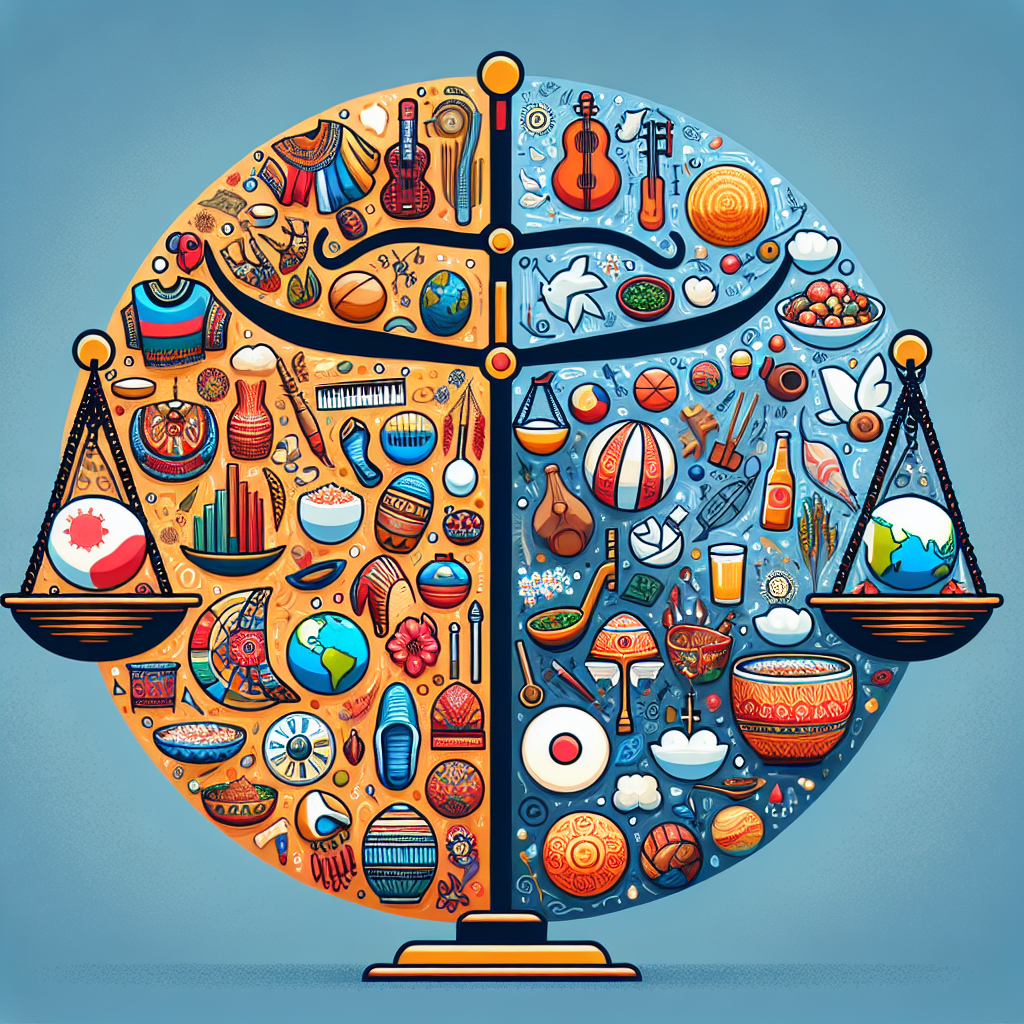
As the world continues to globalize, it is crucial to strike a balance between embracing global interconnectedness and preserving the richness of unique cultural identities. Education, digital inclusivity, and targeted preservation efforts are key to achieving this balance. By valuing and protecting cultural diversity while fostering global unity, we can create a world that is both interconnected and richly diverse.
In conclusion, cultural homogenization is neither inherently good nor bad. Its impact largely depends on how we navigate and manage it. By being mindful of its complexities and making conscious efforts to celebrate and preserve our cultural heritage, we can ensure that globalization enriches rather than diminishes our world.