In the tapestry of human history, few elements have woven as intricately into our daily lives as pop culture. The omnipresent force that is pop culture shapes our conversations, influences our choices, and molds societal philosophies. As globalization surged in the latter half of the 20th century and the early 21st century, the realms of music, film, and fashion became the gold standard of cultural export and import. These forms of artistic expression not only reflect the changing dynamics of societies but also act as a bridge connecting disparate cultures, ideologies, and traditions.
With the advent of telecommunications, the internet, and global transportation, cultural products previously confined to regional boundaries began to transcend international borders. This cross-pollination of cultural elements has accelerated the creation and dissemination of a global pop culture. At the heart of this movement lies music, film, and fashion – three pillars that have consistently influenced and shaped human interaction and societal trends.
Understanding the globalization of these cultural components necessitates a deep dive into their origins, evolution, and reach. This article will explore how global events and the technological progress that followed have played a pivotal role in the permeation of pop culture. Furthermore, it will delve into the symbiotic relationship between pop culture and identity, exploring how global musical influences, cinematic trends, and fashion movements have reshaped local cultures and added to the rich mosaic of world heritage.
The Evolution of Global Music
From the Beatles’ early days to the present dominance of K-pop groups like BTS, the music landscape is fundamentally emblematic of how cultures borrow and lend from one another. In the 1960s, the British Invasion marked a significant turning point as bands from the United Kingdom, including the Beatles, the Rolling Stones, and the Who, captured the America’s airwaves. This evolution laid the groundwork for a globally shared musical consciousness.
The birth of MTV in the early 1980s further catalyzed the globalization of music. It transformed the music video into a vital promotional tool, offering visual narratives that broke linguistic barriers. Icons like Michael Jackson and Madonna didn’t just create songs; they crafted visual experiences that resonated with audiences from Tokyo to Lagos. MTV’s global reach meant that a song’s popularity wasn’t limited to its country of origin; instead, it could become a global phenomenon almost overnight.
Nowadays, streaming platforms such as Spotify and Apple Music have revolutionized the way music is consumed. With algorithm-driven recommendations, a listener in Brazil can easily discover a South Korean indie band, while someone in Canada might stumble upon vibrant Afrobeat tunes from Nigeria. These platforms not only promote musical diversity but also help to blur the lines between genres, making music a more inclusive and eclectic cultural force.
Film as a Cultural Conduit
Cinema has long been a powerful medium for storytelling and cultural exchange. Hollywood’s Golden Age saw American movies dominate the global box office, crafting a universal language of narrative and spectacle. Films such as “Gone with the Wind” and “Casablanca” didn’t just entertain; they also introduced global audiences to American ideals and lifestyles.
However, the rise of international film festivals, such as Cannes, Berlinale, and Sundance, have played a significant role in democratizing cinematic influence. These platforms enabled films from regions like Asia, Africa, and Latin America to receive global attention, fostering a broader appreciation of diverse storytelling techniques and cultural contexts. Directors like Akira Kurosawa, Satyajit Ray, and more recently Bong Joon-ho have received global accolades, as their storytelling transcends geographical boundaries.
Streaming giants like Netflix and Amazon Prime have taken this democratization a step further. By investing in local productions and offering subtitles in multiple languages, these platforms ensure that a film produced in South Korea or India can be watched and appreciated worldwide. This global reach not only diversifies the cinematic experience but also fuels a deeper understanding of different cultures and social issues.

The Fashion Frontier
While music and film have undoubtedly impacted global culture, fashion remains one of the most visibly influential facets of pop culture. Style has always been a language that requires no translation. The past few decades have seen fashion capitals like Paris, Milan, and New York dictate trends that ripple across the globe. Yet, this influence is far from a one-way street.
Traditional garments and styles from various cultures have found their way into mainstream fashion. The introduction of “fusion fashion” has allowed designers to blend cultural elements, creating clothing that resonates with a global audience. For instance, Indian sarees inspire contemporary gowns, while Japanese kimonos have influenced modern jackets and wraps.
Social media platforms like Instagram and TikTok have accelerated the pace at which fashion trends disseminate globally. An influencer from Tokyo can inspire fashion choices in Berlin, and styles that debut on the runways of Paris Fashion Week can be mimicked within days by enthusiasts worldwide. This instantaneous cultural exchange fosters a more inclusive fashion landscape that celebrates diversity while setting global standards for aesthetics and style.
Technology and Globalization
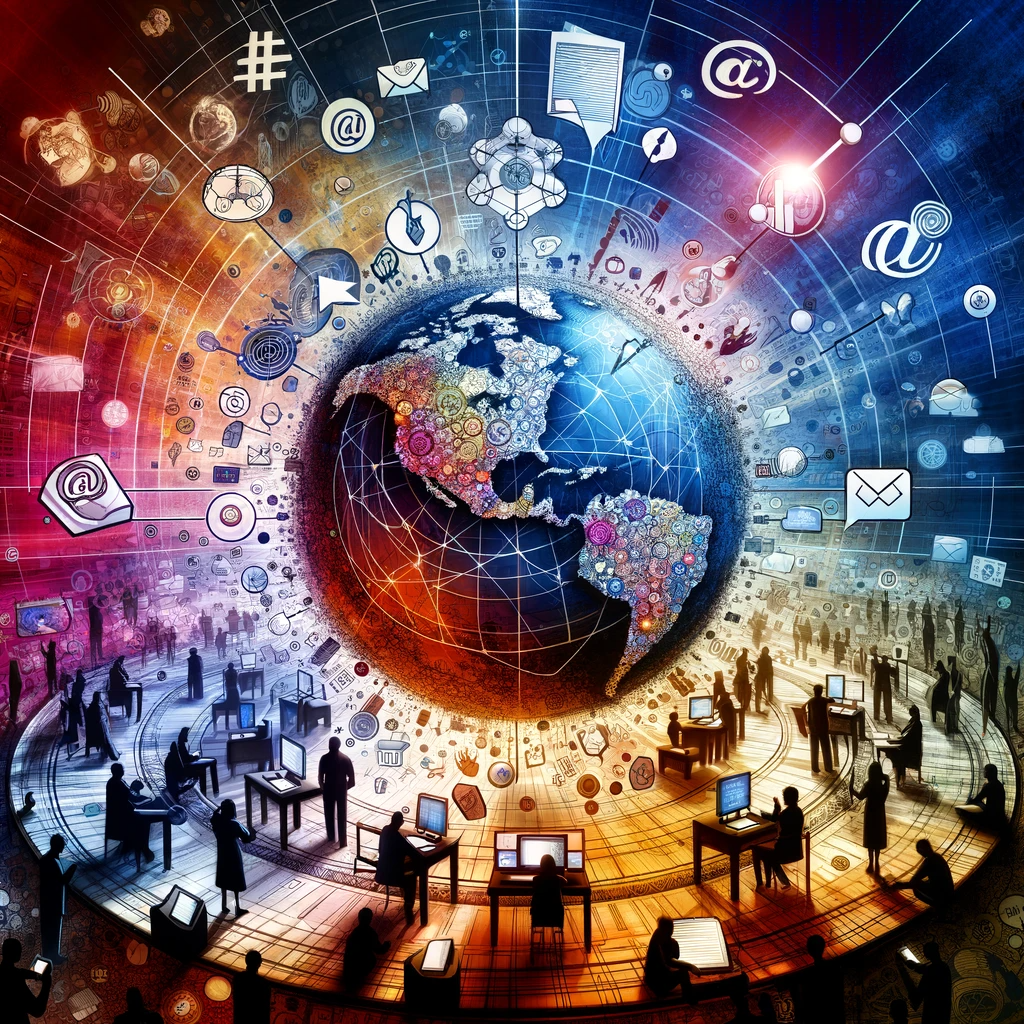
The underlying force driving the globalization of pop culture is undeniably technology. The internet, in particular, has revolutionized the way we consume cultural products. It has enabled real-time communication and content sharing, breaking the constraints imposed by geographical boundaries.
Social media platforms, streaming services, and video sharing websites have democratized content creation and consumption. Today, a video uploaded in a small village in India can go viral across continents, garnering international attention and sparking global conversations. Hashtags trend worldwide, music albums drop simultaneously in multiple countries, and fashion shows are live-streamed to a global audience.
Moreover, technology has dismantled many barriers to entry for aspiring artists. Musicians can record and distribute their work without the need for a record label, filmmakers can gain an audience through platforms like YouTube, and designers can showcase their collections on virtual runways. This decentralization has not only democratized success but also increased the variety and richness of cultural expressions available to a global audience.
Pop Culture and Identity
One of the more intriguing aspects of pop culture is its impact on individual and collective identities. As people consume music, films, and fashion from different cultures, they begin to incorporate elements of these cultures into their own identities. This phenomenon has significant implications on both a personal and societal level.
On a personal level, exposure to diverse cultural outputs can enrich an individual’s worldview. It can foster a sense of connectedness and understanding, diminishing prejudice and ignorance. For instance, listening to reggae might inspire someone to learn more about Rastafarian beliefs, or watching a Bollywood movie might spark an interest in Indian history and traditions.
On a societal level, the infusion of global elements into local cultures can lead to a more cosmopolitan society. However, this cultural amalgamation also raises concerns about the potential erosion of traditional values and identities. The challenge lies in striking a balance between embracing global influences and preserving local heritage. This balancing act is evident in the evolution of cultural hybrids, where elements from various cultures are blended to create something uniquely contemporary yet deeply rooted in tradition.
Conclusion
The globalization of pop culture through music, film, and fashion offers a fascinating lens through which to view the interconnectedness of our world. As these cultural products continue to cross borders and influence people from different walks of life, they remind us of our shared humanity and the beauty of diversity.
The technological advancements that facilitate this cultural exchange have democratized the creation and consumption of pop culture, allowing voices from all corners of the world to be heard. In this sense, pop culture becomes not just a reflection of societal trends, but also a powerful tool for social progress and understanding.
Moving forward, it will be crucial to nurture this global cultural exchange responsibly. Efforts should be made to ensure that this flow of cultural products is equitable and that it respects and preserves the unique heritage of individual communities. As we embrace the shared cultural experiences offered by global music, film, and fashion, we must also recognize the importance of maintaining the rich diversity that makes our world so vibrant.
In sum, the rise of pop culture serves as a testament to the power of human creativity and the deep connections that bind us all. By valuing and celebrating both our similarities and differences, we can continue to build a more inclusive and enriched global society through the universal languages of music, film, and fashion.