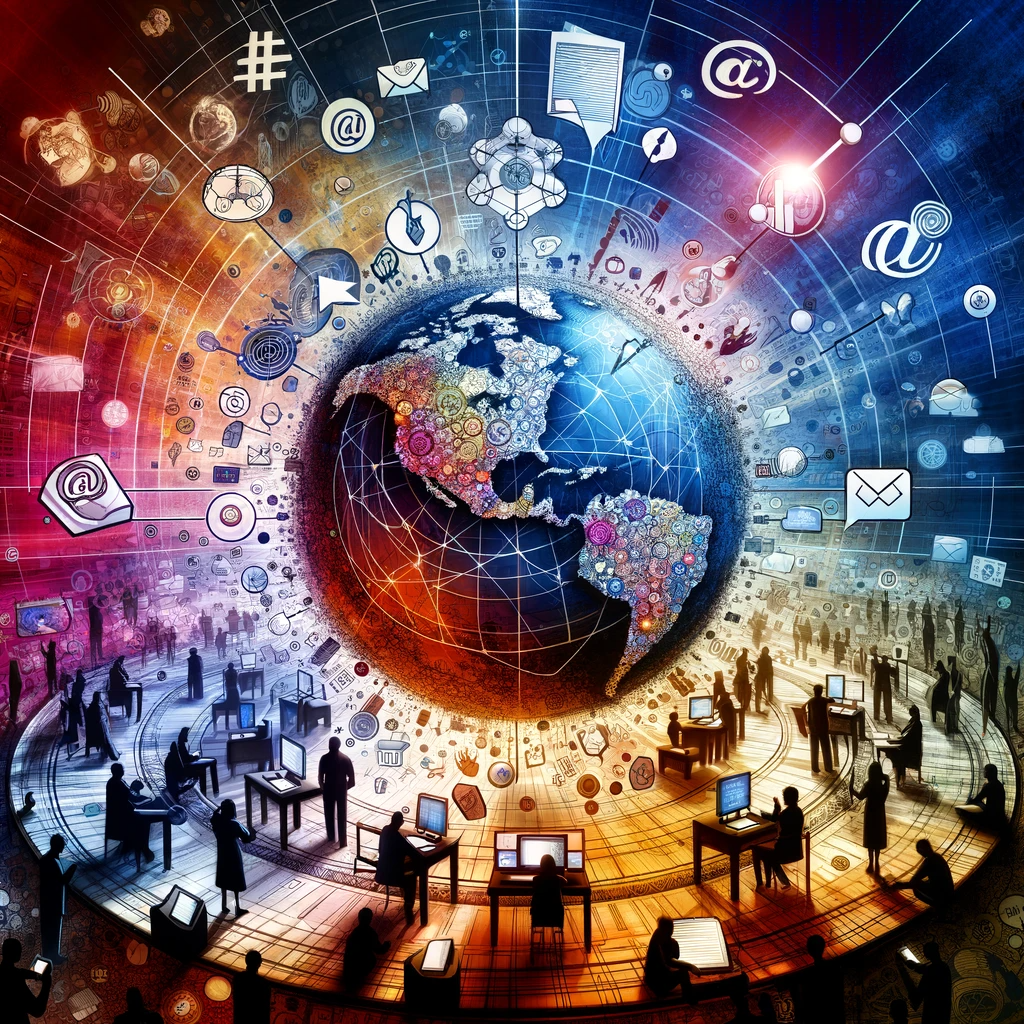

Globalization, a process driven by international trade, communication technologies, and global investments, has a profound impact on diverse aspects of life. Among the many societal domains it influences, culture is perhaps one of the most significantly affected. As nations integrate economically, politically, and culturally, a fascinating phenomenon unfolds: the spread of pop culture across continents. This article delves into how globalization facilitates the proliferation of pop culture, the dynamics of cultural homogenization and diversity, and the implications of this global cultural transformation.
Introduction
The 21st century is pivotal in the annals of human history. Never before have cultures from different corners of the globe been so intricately linked. The advent of digital technology, especially the internet, about globalization, has brewed a rich concoction of diverse cultural influences. Today, people from entirely different geographies share music, fashion, language, and food, painting a tapestry of integrated human experiences.
The proliferation of pop culture, characterized by the widespread dissemination of shared practices, ideas, and artifacts, has been central to this amalgamation. Pop culture, often seen as a product of consumerism, is typically transmitted via mass media and the latest digital platforms. Music, movies, fashion, language, and social norms are rapidly disseminated globally, facilitated by advances in communication technologies and the liberalization of national economies.
However, the spread of pop culture is not a unilateral journey. It presents a complex interplay between cultural homogeneity and diversity. On one hand, Western pop culture, particularly from the United States, has a dominant presence. On the other hand, there is a notable rise in regional pop cultures, such as K-pop from South Korea and anime from Japan, which have transcended geographic boundaries to gain global fandoms. These dynamic interactions reflect a fascinating cultural exchange shaping global identities.
The Role of Media in Pop Culture Spread
Media, in its various forms – television, film, social media, and music streaming platforms, among others – plays a central role in the dissemination of pop culture. Since the early 20th century, mass media has been a powerful tool in shaping cultural norms and desires. Hollywood, for example, has long been a global influence, with films from the United States reaching audiences worldwide. Characters, storylines, and aesthetic choices from American cinema have left an indelible mark on global pop culture.
In the past two decades, the influence of social media platforms like Facebook, Twitter, Instagram, and TikTok has skyrocketed. These platforms not only disseminate content but also allow for real-time interactions and engagement, making the spread of pop culture more dynamic and interactive. Music videos, memes, viral challenges, and live streaming have become integral in reaching and engaging a global audience.
Moreover, the rise of streaming services such as Netflix, Spotify, and YouTube has democratized access to cultural content. Audiences are no longer restricted by geographical boundaries or broadcasting schedules. Instead, they can access a vast array of cultural products from around the world, at any time. This has led to an unprecedented cross-cultural pollination where, for instance, a teenager in Brazil might binge-watch Korean dramas, or an office worker in Japan could be a fan of American hip-hop.
Western Dominance vs. Regional Pop Cultures
While Western pop culture, particularly from the United States, has long held a dominant position, the narrative is gradually shifting. The global spread of pop culture now encompasses significant contributions from regions previously considered cultural peripheries. This is evident in phenomena such as the Korean Wave (Hallyu), where K-pop music, Korean films, and dramas have garnered a substantial international following.
Likewise, Japanese anime and manga have a passionate global audience, influencing art, fashion, and entertainment in many countries. Bollywood, India’s prolific film industry, has also made its mark on global culture, with films and music reaching audiences in countries far beyond South Asia. These cultural products carry unique regional flavors, offering a refreshing counterbalance to Western pop culture.
Interestingly, the globalization of these non-Western pop cultures often includes hybridization, where local cultural products are integrated with global trends, creating a unique blend that appeals to a broader audience. This hybridization not only preserves but also enhances cultural identity, offering a richer and more diverse cultural landscape.

Cultural Homogenization: A Double-Edged Sword
Globalization has led to cultural homogenization, where dominant cultural elements overshadow local traditions and practices. Critics argue that this results in a loss of cultural diversity and erasure of local identities, creating a monotonous global culture centered on consumerism.
For example, the ubiquity of fast-food chains like McDonald’s and Starbucks in almost every city around the world symbolizes cultural homogenization. These brands carry a standardized experience, often at the expense of local culinary traditions. Similarly, the dominance of American pop music and Hollywood films raises concerns about the marginalization of local music and cinema industries.
However, cultural homogenization also fosters a shared global experience. People from different backgrounds can find common ground through shared cultural references, whether it’s discussing the latest Marvel movie or participating in global social media trends. This shared experience can build a sense of global community and a deeper understanding of different cultures.
The Resilience of Local Cultures
Despite the overwhelming influence of global pop culture, local cultures exhibit significant resilience. They adapt, reinterpret, and often integrate elements of global culture into their unique contexts, maintaining a distinct cultural identity. This phenomenon is known as glocalization, where global cultural products are modified to fit local tastes and traditions.
For instance, McDonald’s menus in different countries feature local specialties adapted to regional tastes, such as the McSpaghetti in the Philippines or the Maharaja Mac in India. This localization ensures that the global brand is relevant and acceptable in various cultural contexts. Similarly, local music genres often incorporate global music trends while preserving their distinct characteristics, seen in the fusion of traditional African rhythms with hip-hop or electronic music.
Furthermore, cultural preservation efforts by communities and governments play a critical role in sustaining local traditions. Festivals, traditional arts, language revitalization programs, and cultural education initiatives help to safeguard and promote cultural heritage, ensuring that it coexists with global influences.
The Role of Youth in Cultural Transformation
Youth play a pivotal role in the spread and evolution of pop culture. Being highly adaptive and tech-savvy, young people are often at the forefront of adopting and integrating global cultural trends. Their open-mindedness and curiosity fuel the consumption and creation of new cultural products, driving the dynamic nature of pop culture.
The rise of user-generated content platforms like YouTube, TikTok, and Instagram has empowered young people to become active participants in cultural creation and dissemination. They not only consume but also produce and remix cultural content, contributing to a vibrant and ever-evolving global pop culture scene. For example, TikTok dance challenges often feature blends of music and dance styles from different cultures, reflecting the creative fusion of global and local elements.
Youth also act as cultural bridges, introducing their peers to new cultural products and practices, thereby facilitating cross-cultural exchanges. The burgeoning fandoms of K-pop, anime, and international cinema are testament to the role of youth in breaking cultural barriers and fostering global cultural connectivity.
Conclusion
The spread of pop culture across continents, driven by globalization, is a fascinating and multifaceted phenomenon. Media technologies, economic integration, and the proactive role of youth are significant contributors to this cultural exchange. While the dominance of Western pop culture is evident, the rise of regional pop cultures and the resilience of local traditions illustrate a dynamic interplay of global cultural forces.
This global cultural transformation is not without its challenges. The tension between cultural homogenization and the preservation of cultural diversity presents ongoing debates. However, the adaptability and creativity of local cultures, coupled with proactive cultural preservation efforts, offer a hopeful perspective on maintaining a rich and diverse global cultural landscape.
As we navigate this interconnected world, it is essential to recognize and appreciate the profound impact of globalization on culture. By embracing the unique and diverse elements of global pop culture while preserving local traditions, we can foster a richer, more inclusive global cultural tapestry. The journey of pop culture across continents is a testament to the beauty of cultural exchange and the collective human experience.