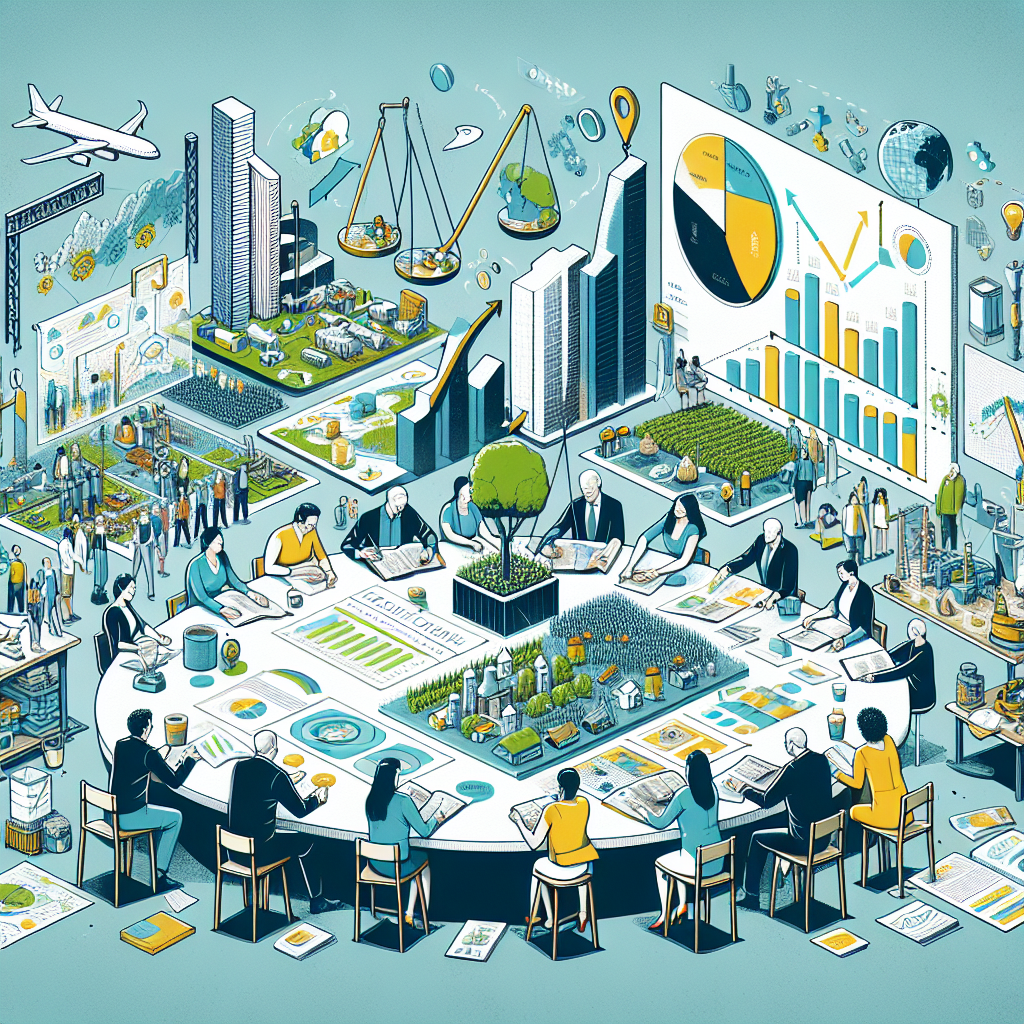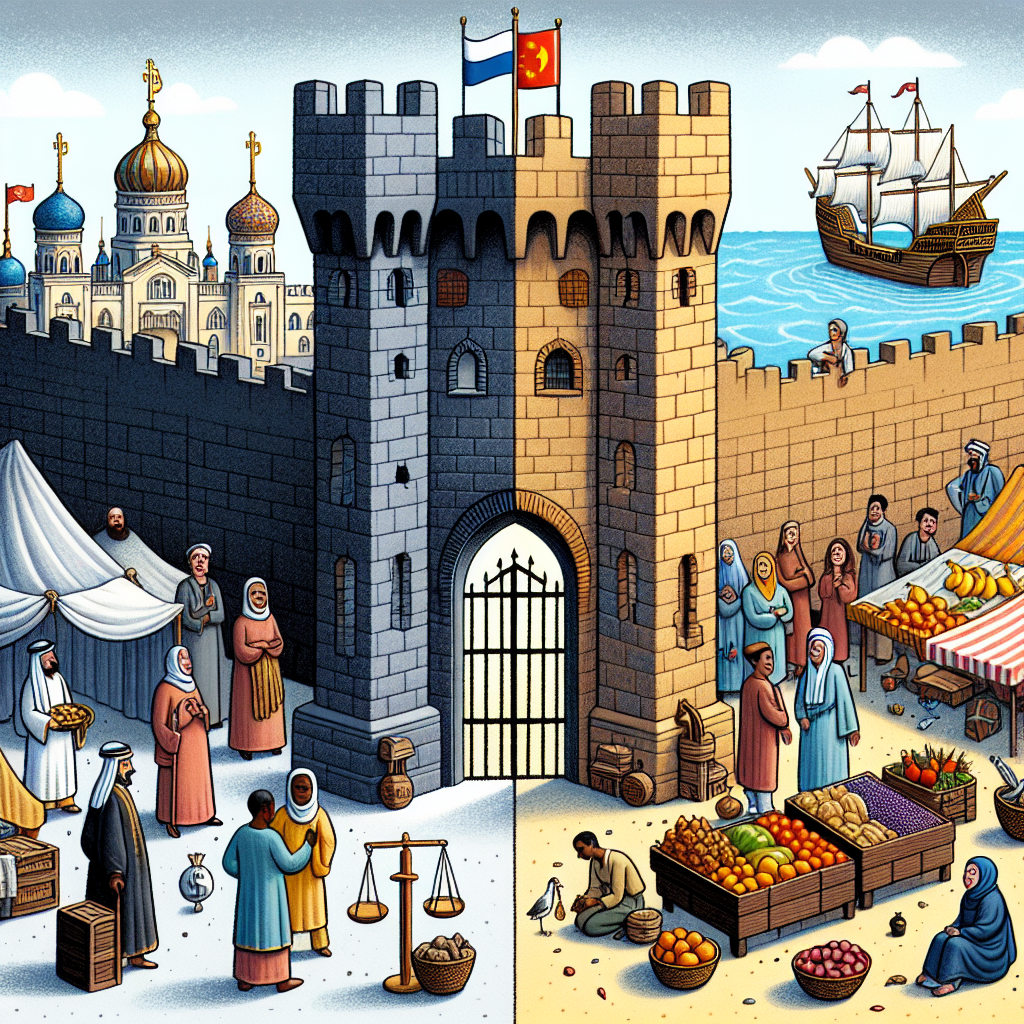
In the sphere of economic policy, the debate between protectionism and free trade persists as one of the most heated and ongoing discussions. This debate is not merely academic; it represents actual policies that affect economies, industries, and the livelihoods of millions of people worldwide. Protectionism and free trade sit at opposite ends of the economic spectrum; both have their advocates and critics with compelling arguments for and against. Protectionism involves implementing policies that restrict foreign competition to protect domestic industries, while free trade promotes minimal restrictions, allowing goods and services to move across borders with little to no interference.
In this article, we will explore the historical context, advantages, and disadvantages of both protectionism and free trade. We aim to provide a comprehensive understanding to assist policymakers, business owners, students, and anyone interested in economic policy. The impact of these policies extends to various sectors, including manufacturing, agriculture, technology, and services, and can influence everything from employment rates to consumer prices. By the end of this article, you will have a nuanced understanding of these two contrasting approaches and their implications for economies globally.
Understanding these policies is crucial in an era where globalization is often met with nationalist sentiments, and economic strategies need to balance between local interests and international cooperation. Both protectionism and free trade have their roles to play in this delicate balancing act, and each country’s adoption of these policies can lead to vastly different economic outcomes.
Historical Context of Protectionism
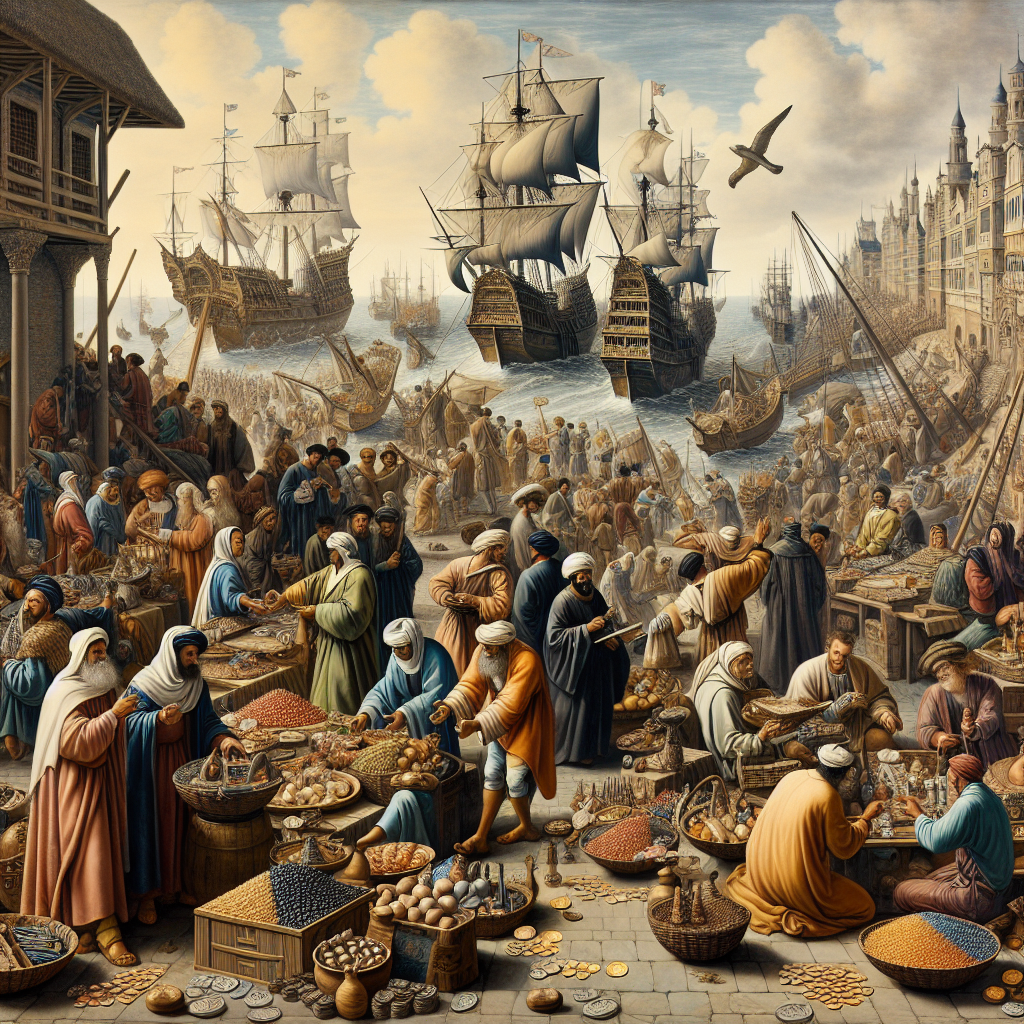
Protectionism isn’t a new concept; it has roots deeply embedded in economic history. Nations have always looked for ways to safeguard their industries from foreign competition. The mercantilist policies of the 16th to 18th centuries are prime early examples, where European powers sought to accumulate wealth through trade surpluses and strict import controls. This era established the foundational belief that restricting imports and boosting exports could fortify a nation’s economic strength.
One of the most notable instances of protectionism in modern history is the Smoot-Hawley Tariff Act of 1930 in the United States. As the Great Depression gripped the world, this act dramatically increased tariffs on thousands of imported goods. While the intention was to protect American jobs and industries, it led to a sharp decline in international trade and is often cited as exacerbating the global economic crisis. The aftermath highlighted the potential pitfalls of extreme protectionism.
Fast forward to the 21st century, protectionist policies have made a resurgence, particularly in response to economic downturns, global trade imbalances, and the rise of nationalist political movements. For example, recent years have seen major economies, including the U.S. and China, engage in trade wars characterized by tit-for-tat tariffs and import restrictions. These events demonstrate that protectionism is far from a relic of the past; it remains a powerful tool in the arsenal of economic policy.
Principles of Free Trade
Free trade stands in stark contrast to protectionism, embodying the principle that global economic efficiency is best achieved when barriers to trade are minimized. The roots of free trade can be traced back to classical economists like Adam Smith and David Ricardo. Adam Smith’s seminal work, “The Wealth of Nations,” argued that countries should specialize in producing goods where they have a comparative advantage, thereby enhancing overall economic efficiency and wealth.
David Ricardo further refined this idea through his theory of comparative advantage. According to Ricardo, even if one country is more efficient in producing all goods compared to another, it should still specialize in the goods where it has the greatest efficiency advantage. This specialization allows countries to benefit mutually from trade. These theories laid the groundwork for modern free trade agreements, which aim to reduce tariffs, quotas, and other barriers to international trade.
The late 20th and early 21st centuries have witnessed a wave of free trade agreements and the establishment of international organizations like the World Trade Organization (WTO). These agreements and organizations seek to promote trade liberalization and resolve trade disputes through arbitration and dialogue. The objective is to create a global economic environment where goods, services, capital, and labor can move freely across international borders, driving economic growth, innovation, and consumer choice.

Advantages of Protectionism
Despite the criticisms, protectionism has several advantages that make it appealing to policymakers. First and foremost, it protects nascent and struggling industries from foreign competition. By imposing tariffs or quotas on imports, a country can give its domestic industries the time and space needed to grow, innovate, and become competitive on a global scale. This is particularly important in sectors deemed vital for national security or economic stability.
Protectionism can also safeguard jobs in critical industries. By limiting foreign competition, domestic companies are more likely to maintain or increase their workforce. This has significant political and social implications, as high employment rates are closely tied to economic stability and societal well-being. Furthermore, protecting jobs can help preserve cultural industries and traditions which might otherwise be overwhelmed by foreign influences.
Another advantage is the ability to enhance government revenue through tariffs and duties on imported goods. This additional revenue can be reinvested into the economy, in areas such as infrastructure, education, and healthcare, thereby fostering overall economic development. Finally, protectionist policies can offer a level of economic security, insulating the domestic economy from global market fluctuations and reducing the risk of economic downturns triggered by international crises.
Advantages of Free Trade
On the other end of the spectrum, free trade offers numerous benefits that have been pivotal in shaping modern global economies. One of the primary advantages is the efficient allocation of resources. By allowing countries to specialize in producing goods and services where they have a comparative advantage, global economic efficiency is enhanced, leading to higher productivity and, ultimately, increased global wealth.
Free trade also fosters competition, which is a driving force for innovation and quality improvements. When companies compete on a global scale, they are incentivized to innovate, reduce costs, and enhance the quality of their products and services. This competition translates to lower prices and greater variety for consumers, increasing their purchasing power and standard of living.
Additionally, free trade facilitates access to foreign markets, allowing domestic companies to expand their operations and customer base internationally. This expansion can lead to economies of scale, reduced production costs, and greater profitability. It also promotes cross-border investments, which can lead to technology transfer, skill development, and overall economic growth in the participating countries.
Economic Impact of Protectionism
The economic impact of protectionism can be multifaceted and complex. In the short term, protectionist policies may yield positive impacts such as job creation, industry growth, and increased government revenues. However, the long-term effects can be significantly detrimental to both the domestic and global economy. Higher tariffs often lead to increased production costs for domestic industries reliant on imported raw materials, which can lead to higher consumer prices and inflation.
Retaliatory measures by trade partners can also have severe repercussions. Trade wars typically result in a cycle of increasing tariffs and barriers, leading to a decline in global trade volumes. This decrease in trade can stifle economic growth, reduce consumer choices, and overall lead to an inefficient allocation of resources. Furthermore, industries that rely heavily on exports may suffer significant losses due to restricted market access.
Another adverse effect is the potential stifling of innovation and productivity growth. When industries are insulated from foreign competition, there is little incentive to innovate or improve efficiency. This can lead to stagnation and a lack of competitiveness in the global market. Moreover, the long-term reliance on protectionist measures can result in a distorted economy with imbalances that are difficult to correct.
Economic Impact of Free Trade
Free trade has the potential to significantly boost economic growth and development. By opening domestic markets to foreign competition, free trade policies encourage innovation, efficiency, and productivity improvements. The increased competition can lead to lower prices for consumers, providing them with more disposable income and higher living standards.
Free trade agreements also enable businesses to expand their operations and customer bases globally. This international expansion can lead to economies of scale, reduced production costs, and enhanced profitability. Additionally, free trade facilitates cross-border investments and the exchange of technology and skills, promoting overall economic development and integration.
On the downside, free trade can lead to job displacement in industries unable to compete with foreign competitors. In the short term, this displacement can result in economic hardships for affected workers and regions. However, in the long run, the economy may adjust by reallocating resources to more competitive and productive sectors, fostering innovation and higher economic growth.
Conclusion
The debate between protectionism and free trade is ongoing and complex, with each approach having its own set of advantages and disadvantages. Protectionism can offer short-term benefits such as job protection, industry growth, and increased government revenue. However, its long-term impacts can include higher consumer prices, reduced innovation, and trade wars that hamper global economic growth.
Conversely, free trade promotes economic efficiency, competition, and global integration, leading to higher productivity, lower prices, and increased consumer choice. Yet, it also poses challenges, such as job displacement and potential economic hardship for industries unable to compete with foreign competition. The real-world impact of these policies depends on various factors, including the economic structure, political landscape, and global economic conditions.
Ultimately, there is no one-size-fits-all solution. Policymakers must carefully consider the unique circumstances and long-term implications when choosing between protectionism and free trade. Balancing these approaches could potentially yield a more stable and prosperous economic environment, benefitting both domestic industries and the global economy. By understanding the merits and limitations of each policy, stakeholders can make informed decisions that best serve their nation’s economic interests.