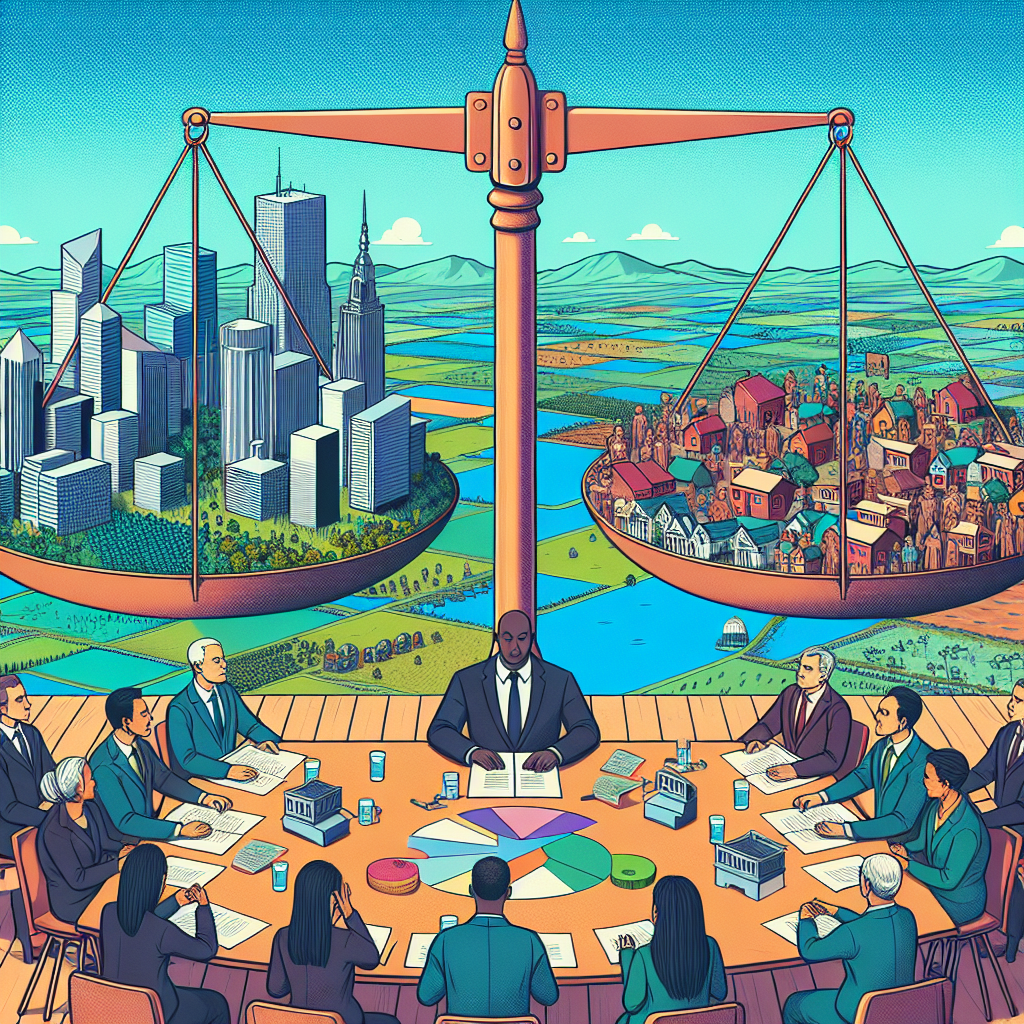

The topic of economic disparities between rural and urban areas has been an ongoing debate amongst economists, policymakers, and social scientists. Unveiling the economic drivers behind these disparities and the subsequent policy responses forms a critical study in Economic Geography. Several factors contribute to the economic divide, including differences in infrastructure development, access to education and healthcare, availability of jobs, and levels of investment. Over time, these disparities affect not only the economic well-being of individuals in different regions but also the overall socio-economic stability and growth of a country.
Rural areas often rely heavily on agriculture and primary industries, which are usually more volatile and less lucrative compared to the diversified economies of urban areas. The concentration of industries, services, and opportunities in urban settings often leads to a significant migration of the rural workforce to cities, leaving behind a reduced labor force and dwindling economic prospects. This phenomenon creates a vicious cycle of stagnation and poverty in rural regions while urban areas continue to experience economic growth and prosperity.
In recent years, the widening gap between rural and urban areas has drawn the attention of governments and international organizations. Bridging this gap has become essential to ensuring inclusive economic growth and social harmony. Understanding the underlying economic drivers is crucial to developing effective policy responses that can foster balanced regional development. In this article, we explore the economic factors driving rural-urban disparities, examine various policy responses, and discuss their effectiveness in reducing these gaps.
Economic Drivers of Rural-Urban Disparities
Several economic drivers contribute to the disparities between rural and urban areas. A primary driver is the difference in income levels. Urban areas usually offer higher wages due to the concentration of higher-paying industries such as technology, finance, and professional services. In contrast, rural areas are often dominated by low-wage jobs in agriculture, mining, and manufacturing. Economic diversification in urban areas provides a cushion against economic shocks, making them more resilient compared to rural areas that rely on a limited set of economic activities.
Another significant driver is the difference in access to infrastructure and services. Urban areas generally have better access to modern infrastructure such as roads, ports, airports, and communication networks. This facilitates the efficient movement of goods and people, enhancing economic activities. Additionally, urban residents typically enjoy better access to education, healthcare, and social services, which contribute to higher human capital development and productivity.
Investment patterns also play a critical role in driving rural-urban disparities. Urban areas attract more domestic and foreign investments due to their larger markets, better infrastructure, and skilled labor force. This further fuels economic growth in cities while rural areas struggle to attract substantial investments due to perceived higher risks and lower returns. Government policies and spending additionally tend to favor urban areas, exacerbating the disparities.
Migration trends significantly influence rural-urban disparities. The lure of better opportunities and quality of life in urban areas results in a demographic shift, with a substantial portion of the rural population relocating to cities. This migration drains the rural workforce, leading to labor shortages and a decline in economic activities. Conversely, urban areas benefit from an influx of labor, skills, and ideas, further bolstering their economic growth.
Policy Responses to Address Rural-Urban Disparities
Addressing rural-urban disparities requires a multifaceted approach encompassing economic policies, infrastructure development, and social programs. Various policymakers have devised strategies to tackle these disparities, though their effectiveness varies. One common policy response is to promote regional development by investing in rural infrastructure. Improving transportation networks, communication systems, and utilities in rural areas can spur economic activities and enhance connectivity with urban centers, promoting balanced regional growth.
Investment in education and healthcare in rural areas is another crucial strategy. By building schools, universities, and medical facilities and ensuring their access to rural populations, governments can enhance human capital development, making rural residents more competitive in the job market. This can help reduce migration to urban areas and attract businesses to rural regions due to the availability of skilled labor.
Economic incentives and subsidies can also encourage businesses to invest in rural areas. Offering tax breaks, grants, and low-interest loans to enterprises willing to set up operations in rural regions can stimulate local economies, create jobs, and reduce disparities. Agri-business development programs that modernize agricultural practices and add value to primary products can also significantly boost rural economies.
Additionally, decentralized governance and regional autonomy can empower local governments to tailor policies to their unique economic needs. By giving more control to regional authorities over economic planning, resource utilization, and development programs, disparities can be addressed more effectively. Empowering local communities through participatory development approaches ensures that the voices and needs of rural residents are considered, leading to more sustainable development.
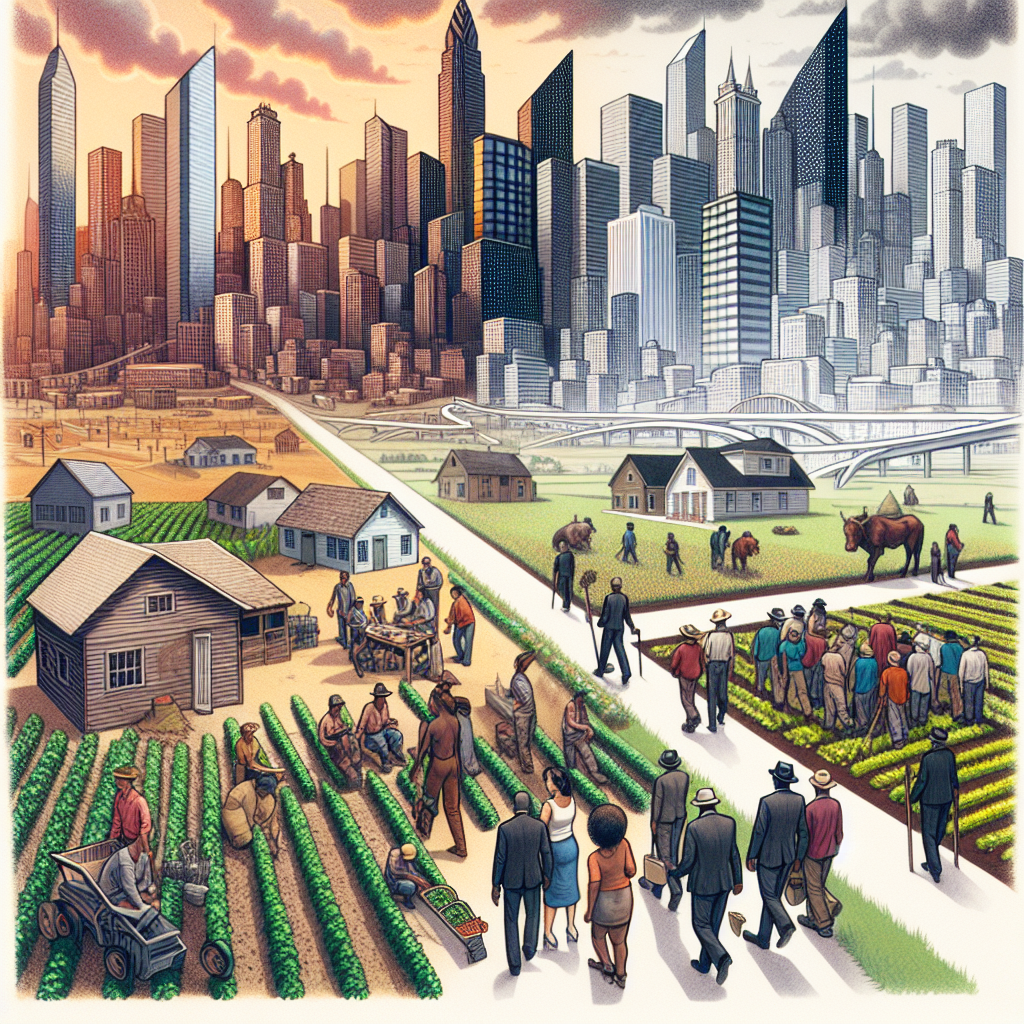
Case Studies and Successful Examples
Numerous countries have implemented policies to reduce rural-urban disparities, with varying degrees of success. China’s rural revitalization strategy is a notable example. With comprehensive policies targeting infrastructure, agriculture, education, and healthcare, China has made significant strides in reducing the rural-urban income gap. By investing heavily in rural areas and promoting industrialization, the government has managed to uplift millions from poverty and integrate rural regions into the national economy.
The European Union’s Cohesion Policy is another successful case. The policy aims to reduce economic and social disparities across its member states by funding development projects in less-developed regions. Investments in infrastructure, innovation, education, and social inclusion have contributed to balanced regional development and reduced migration pressures to urban areas.
India’s Pradhan Mantri Gram Sadak Yojana (PMGSY) is a program focused on improving rural connectivity. By constructing all-weather roads in rural regions, the program has significantly enhanced access to markets, education, and healthcare, thereby boosting rural economic activities. Similarly, Brazil’s “Bolsa Família” program, a conditional cash transfer scheme, has effectively reduced poverty in rural areas by providing financial assistance to low-income families, contingent on meeting specific health and education criteria.
These case studies highlight that effective policy responses are context-specific and require sustained efforts and investments. Successful policies often combine multiple approaches, including infrastructure development, human capital enhancement, economic incentives, and social welfare programs. By learning from these examples, other countries can devise strategies tailored to their unique socio-economic contexts.
Challenges and Barriers to Closing the Gap
While various policies have shown promise in addressing rural-urban disparities, several challenges and barriers persist. One major challenge is the entrenched nature of economic disparities. Long-standing differences in development, investment patterns, and economic structures mean that it takes significant time and resources to see tangible improvements in rural areas.
Resource constraints are another critical barrier. Governments, especially in developing countries, often face limitations in funding and capacity to implement large-scale development programs. This limitation hinders the sustained effort needed to bridge the rural-urban divide. Additionally, political priorities and biases can divert resources and attention towards urban-centric development, exacerbating the gap.
Another challenge is the resistance to change from both rural and urban communities. Rural residents might be skeptical of new development projects and policies, especially if past initiatives have failed to deliver promised benefits. Meanwhile, urban stakeholders might resist resource allocation to rural areas, fearing it could slow down their growth and development.
Moreover, implementing policies requires efficient governance and robust institutional frameworks. Corruption, bureaucratic inefficiencies, and lack of coordination amongst various government levels can significantly undermine policy outcomes. Ensuring transparency, accountability, and active participation from local communities is essential for successful implementation.
Lastly, global economic trends and technological advancements pose additional challenges. Automation, digitalization, and globalization disproportionately benefit urban areas, which are better positioned to adapt and integrate these trends. Rural areas, lacking in necessary infrastructure and skills, often find themselves left further behind, widening the disparity gap.
The Future of Rural-Urban Geographies
The future of rural-urban geographies will largely depend on how effectively current and future challenges are addressed. With increasing recognition of the importance of balanced regional development, governments worldwide are likely to intensify efforts to mitigate disparities. Technological advancements, particularly in digital connectivity, hold significant potential in bridging the rural-urban divide.
Remote work, telecommuting, and digital entrepreneurship could transform rural economies by enabling residents to access global markets and opportunities without migrating to urban centers. Investment in digital infrastructure, such as high-speed internet and technological education, can empower rural populations to capitalize on these opportunities, fostering economic growth and resilience.
Furthermore, sustainable development practices and green technologies present new avenues for rural development. Renewable energy projects, eco-tourism, and sustainable agriculture can generate employment and income in rural areas while protecting natural resources. Governments and businesses are increasingly recognizing the economic and environmental benefits of such practices, leading to more investments in these areas.
Inclusive policymaking will be crucial. Ensuring that rural voices are heard and their needs are prioritized in national and regional development plans will foster more equitable growth. Participatory approaches that involve local communities in decision-making processes can enhance the relevance and effectiveness of development programs.
Ultimately, reducing rural-urban disparities is a complex, multifaceted challenge that requires sustained effort, innovative solutions, and inclusive strategies. While significant progress has been made in some regions, there is still much work to be done. By learning from past experiences, leveraging new technologies, and adopting holistic approaches, it is possible to create more balanced and equitable economic geographies where all regions can thrive.
Conclusion
In conclusion, the disparities between rural and urban areas present a significant challenge in ensuring equitable and inclusive economic growth. The economic drivers behind these disparities are multifaceted, including differences in income levels, access to infrastructure and services, investment patterns, and migration trends. Addressing these disparities requires comprehensive and context-specific policy responses that encompass infrastructure development, human capital enhancement, economic incentives, and social welfare programs. Successful examples from around the world highlight the importance of sustained efforts, investments, and inclusive policymaking in bridging the rural-urban divide.
Despite challenges such as entrenched disparities, resource constraints, resistance to change, and global economic trends, there are promising opportunities for reducing the gap. Technological advancements, sustainable development practices, and participatory approaches present new avenues for rural development. The future of rural-urban geographies will depend on how effectively these challenges are addressed and opportunities leveraged.
Governments, policymakers, businesses, and communities must collaborate to create a more balanced and equitable economic landscape. By prioritizing the needs of rural areas, investing in essential infrastructure and services, and fostering inclusive growth, it is possible to reduce rural-urban disparities and ensure that all regions can contribute to and benefit from national economic development.