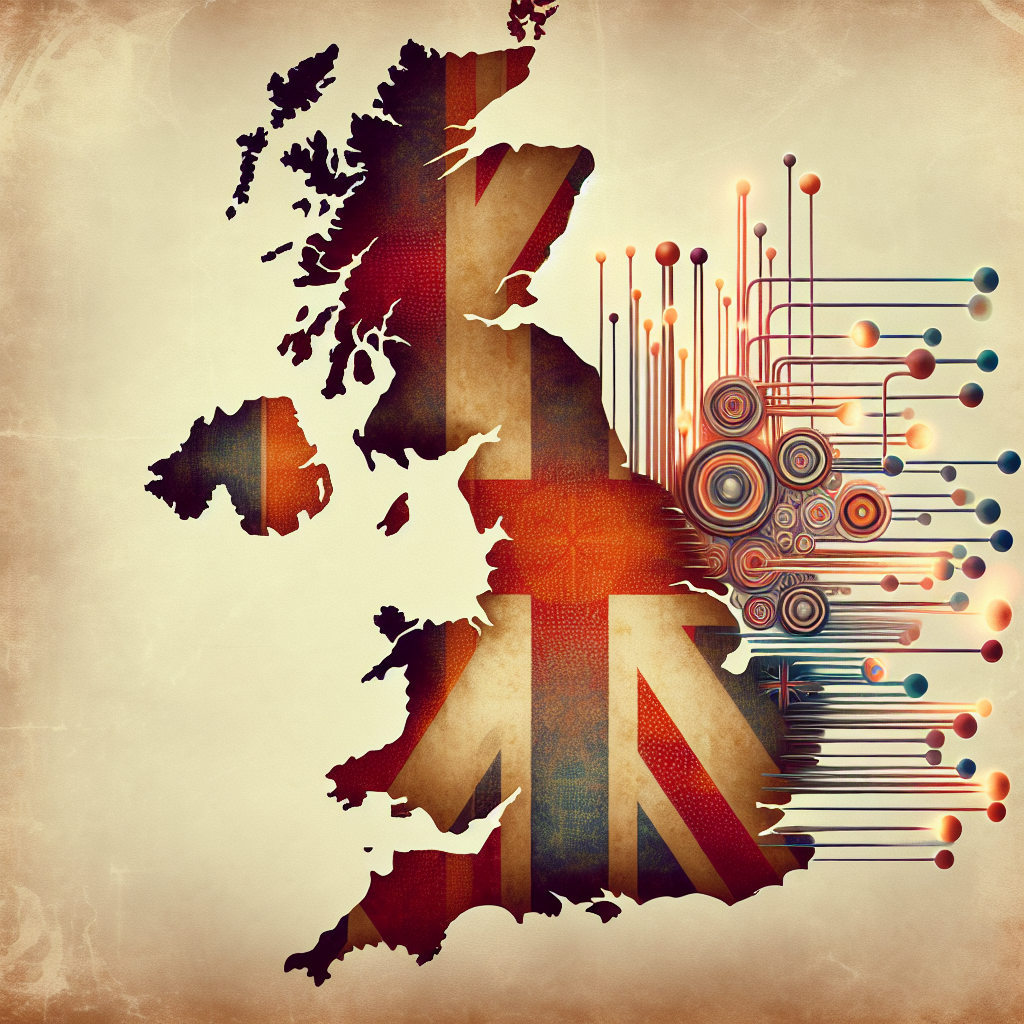
In June 2016, the United Kingdom made a seismic decision that sent ripples across the globe: the vote to leave the European Union, commonly referred to as Brexit. This momentous decision not only had significant political and economic implications but also initiated a profound cultural shift both within the UK and across its relationship with the rest of the world. Brexit has inevitably raised questions about national identity, cultural integration, and what it means to be British in the 21st century.
National identity is complex, shaped by a myriad of factors including historical events, geographical boundaries, linguistic ties, and shared customs. The magical blend of these elements constructs a unified image of a ‘nation’. However, Brexit challenged this notion by exposing divides and stirring debates on who gets to be part of this collective identity. Moreover, it challenged the very essence of what it means to be an open and integrated society.
Fundamentally, Brexit has been a turning point, a period of reflection, chaos, and reevaluation for the British people. As the nation wrestles with its new status outside the EU, it becomes critical to examine how this redefining moment impacts cultural norms, societal values, and the way British citizens perceive themselves and others. In this article, we delve into the multifaceted cultural impact of Brexit, exploring everything from national pride and racial attitudes to how creativity and cultural exchange are being affected.
National Identity and Brexit
Prior to Brexit, British national identity was already a tapestry woven with threads of ancient history, colonial past, and modern multiculturalism. The decision to exit the EU has put this intricate fabric under stress, questioning what constitutes Britishness in today’s context. Political rhetoric surrounding the Brexit campaign often revolved around taking back control and reasserting sovereignty, which resonated with a section of the population longing for a return to a nostalgic, seemingly simpler time.
This nostalgia, often painted through rose-tinted glasses, called into question the increasing multiculturalism brought about by years of European integration. Critics argue that Brexit has reinvigorated a supremacist, insular notion of national identity that marginalizes minority communities and immigrants. As Britain distances itself from Europe, the symbolic and literal ties it once had with its neighbors are strained, creating a sense of isolation.
Additionally, the devolved nations of Scotland, Wales, and Northern Ireland have also experienced shifts in their identity. Scotland, in particular, has renewed calls for independence as a vehemently pro-EU nation trapped in a decision it largely opposed. This realignment of national identity within the constituent countries of the UK further exemplifies how Brexit is reshaping cultural and political landscapes.
Impact on Cultural Integration
The concept of cultural integration, once a proud hallmark of British society, faces newfound challenges post-Brexit. For decades, the UK flourished as a melting pot where different cultures, ideas, and people from across the European continent and beyond came together. Brexit, however, presents hurdles in maintaining this vibrant exchange.
Stricter immigration laws and uncertain residency statuses have left many Europeans residing in the UK feeling disenfranchised and uncertain about their futures. This uncertainty spills over into broader social tensions, where feelings of exclusion and hostility may take root. Erecting stricter borders not only affects the flow of people but also impinges upon the flow of ideas, artistic collaboration, and cultural exchange.
Adversely, Brexit has also spurred on a degree of reflection and assertion of rights among minority communities within the UK. For some, it has become a rallying point to push for greater inclusivity and acknowledgment of their roles within British society. Cultural institutions and community organizations are increasingly taking steps to ensure the voices of those often marginalized are heard, fostering a more inclusive spirit in an atmosphere that can feel divisive.

Class Divide and Brexit
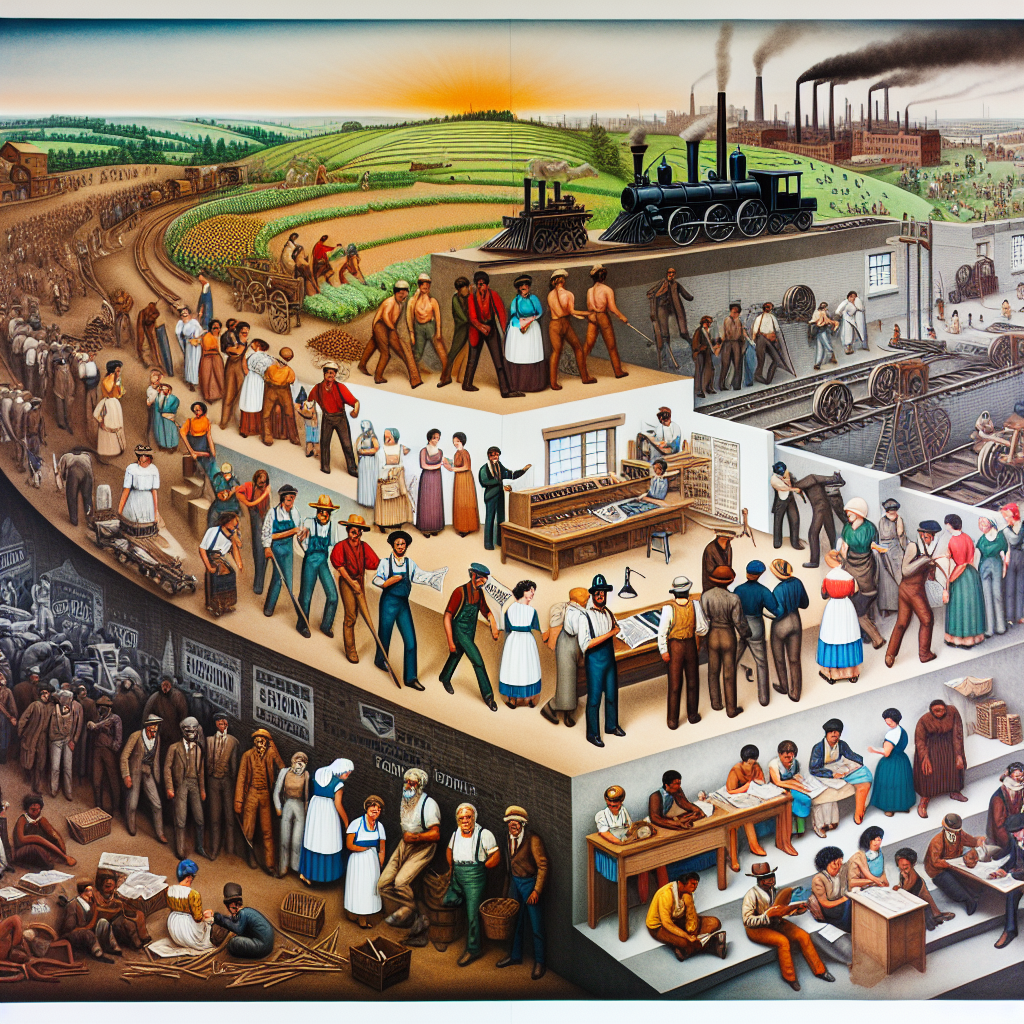
Brexit has also highlighted the often contentious class divide in Britain. The vote to leave the EU was influenced by multifaceted motivations, including economic concerns, perceived loss of opportunities, and disenfranchisement among various social strata primarily outside the metropolitan hubs. Areas that felt left behind by globalization and economic policies disproportionately favored by elites found an outlet through Brexit to express their grievances.
This socio-economic divide saw more affluent, urban areas voting to remain in the EU, while post-industrial regions experiencing economic hardship cast their votes to leave. Such pronounced splits have contributed to a national narrative where class differences become more visible, and often more polarizing. The impact on cultural unity within the UK cannot be understated, as Brexit has underscored the disparities between different lived experiences within the nation.
Moreover, the sense of disconnect and disenchantment, especially prevalent among lower-income groups, showcases the need for a reevaluation of policies that bridge these gaps. This ideal requires a deep understanding of the nuanced needs of each community and a commitment to fostering more equitable economic and social opportunities.
The Role of Media in Shaping Perceptions
The media has played a pivotal role in shaping public perception and, consequently, national identity during and after the Brexit referendum. Media organizations, whether through traditional or digital platforms, have been instrumental in framing the debate, propagating certain narratives, and influencing public opinion about what Brexit means for Britain’s cultural and social fabrics.
Tabloid newspapers, with headlines often invoking strong nationalistic sentiments, have consistently highlighted the ‘us vs. them’ dichotomy. This framing has been crucial in reinforcing stereotypes and cementing divides. Digital platforms, with their echo chambers and algorithmically driven content, have further polarized public opinion, often amplifying extreme views on both ends of the spectrum.
Conversely, there has been a push towards more balanced and inclusive narratives by certain media factions. Independent media outlets and grassroots online communities are striving to bring to light the stories and voices that are frequently overlooked in mainstream discourse. By giving a platform to diverse perspectives, these efforts are contributing, albeit in a fragmented media landscape, to a more nuanced understanding of Brexit’s impact on cultural integration and national identity.
Creative Expression and Cultural Exchange Post-Brexit
Cultural exchange has long been a pillar of the UK’s global influence, with its literature, music, theater, and art enjoying a prominent place on the international stage. However, post-Brexit, the pathways facilitating this exchange are encountering significant challenges.
Brexit’s impact on the creative industries extends beyond mere logistics of moving artists and goods. It has introduced uncertainties around funding, collaborations, and visa regulations, making it harder for British artists to participate in European projects and for EU artists to engage with the UK. The cultural contributions from continental Europe that enriched British arts and vice versa face new bureaucratic hurdles.
Despite these challenges, the creative sector in the UK has shown resilience and adaptability. Innovations in virtual collaborations and domestic support mechanisms are helping to navigate the post-Brexit landscape. In some cases, the sense of adversity has even spurred a flourishing of creativity as artists seek to express the changes and challenges of their new reality.
The Future of Cultural Identity
As Brexit continues to unsettle traditional notions of identity and integration, its long-term cultural impact remains fluid and evolving. National identity in the UK is in a state of reformation, grappling with its historical legacy, present realities, and future aspirations.
For many, especially the younger generation who largely favored remaining within the EU, there is a push for a more inclusive and global identity. This generation sees itself not just as British but as a part of a broader international community. The challenge lies in reconciling these progressive views with the more traditional and conservative perspectives that drove the Brexit vote.
Moving forward, the cultural and social trajectory of post-Brexit Britain will largely depend on its ability to navigate and embrace its newfound autonomy while remaining open and connected to the world. Policies and attitudes that promote intercultural dialogue, celebrate diversity, and address socio-economic disparities can pave the way for a more cohesive and resilient national identity.
Conclusion
Brexit stands as one of the most transformative events in recent British history, influencing not just political and economic landscapes but also deep cultural and social fabrics. The redefinition of national identity and cultural integration in the wake of Brexit presents both challenges and opportunities for the UK.
Confronting these challenges requires deliberate efforts to nurture inclusivity, bridge divides, and foster a shared sense of belonging. Understanding and addressing the multifaceted impacts of Brexit on various communities within the UK is crucial for constructing a cohesive and forward-looking national identity.
Ultimately, the story of Brexit and its cultural impact is still being written. It is a dynamic narrative that reflects the complexities and contradictions of modern Britain. As the nation continues to forge its path outside the EU, the ongoing dialogue surrounding national identity and cultural integration will be vital in shaping a united and resilient future.