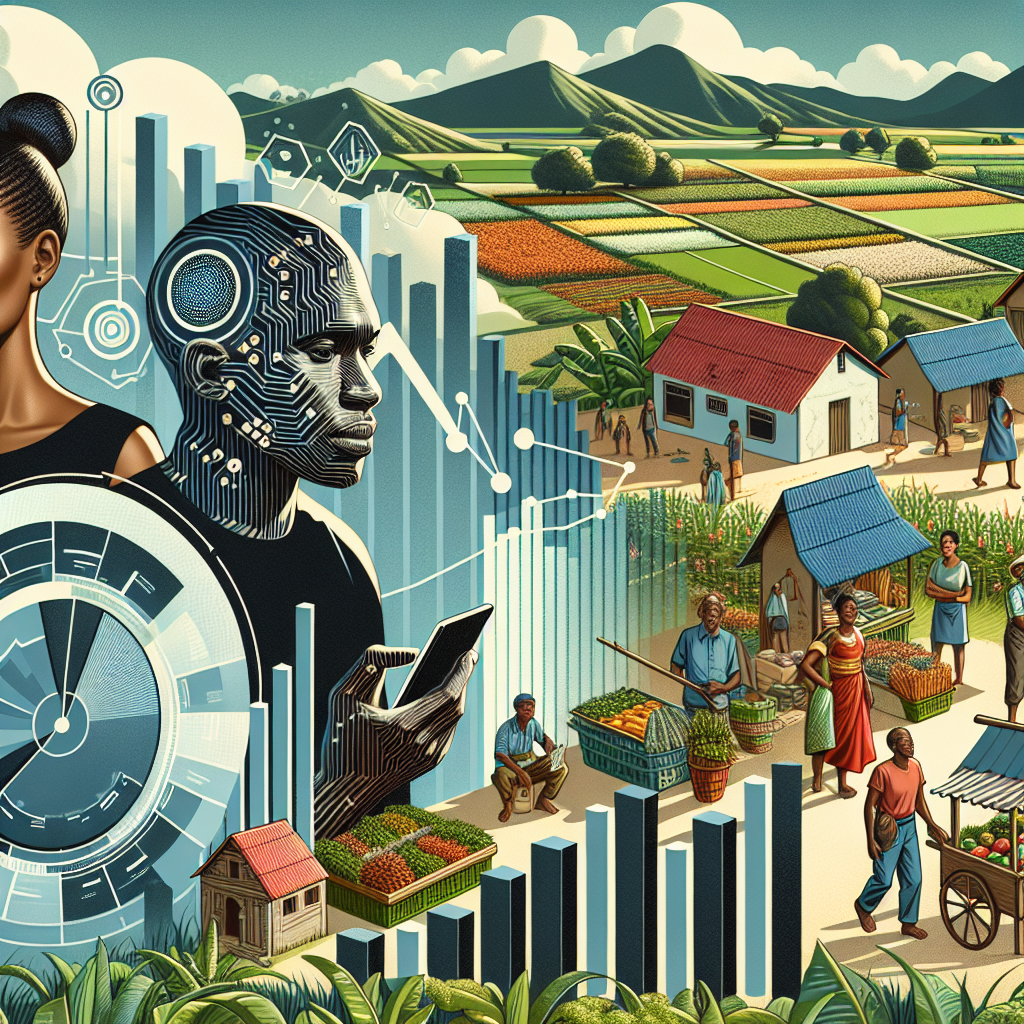
Economic development is a multifaceted process that aims to improve the living standards and economic health of a nation. Central to this process is the implementation of industrial policies, which are strategic efforts by governments to encourage and support the growth of specific industries within the economy. The concept of industrial policy is not new; it has historical roots dating back to early nation-building efforts and continues to be a prominent feature in modern economic strategies worldwide.
In straightforward terms, industrial policy refers to government measures aimed at improving the economic performance of particular sectors within the economy. This can encompass everything from tax incentives and subsidies to regulations and infrastructure investments. However, the effectiveness and legitimacy of industrial policy are subjects of considerable debate among economists and policymakers. While some view it as a necessary tool for fostering innovation and competitiveness, others argue that it can lead to inefficient allocation of resources and market distortions.
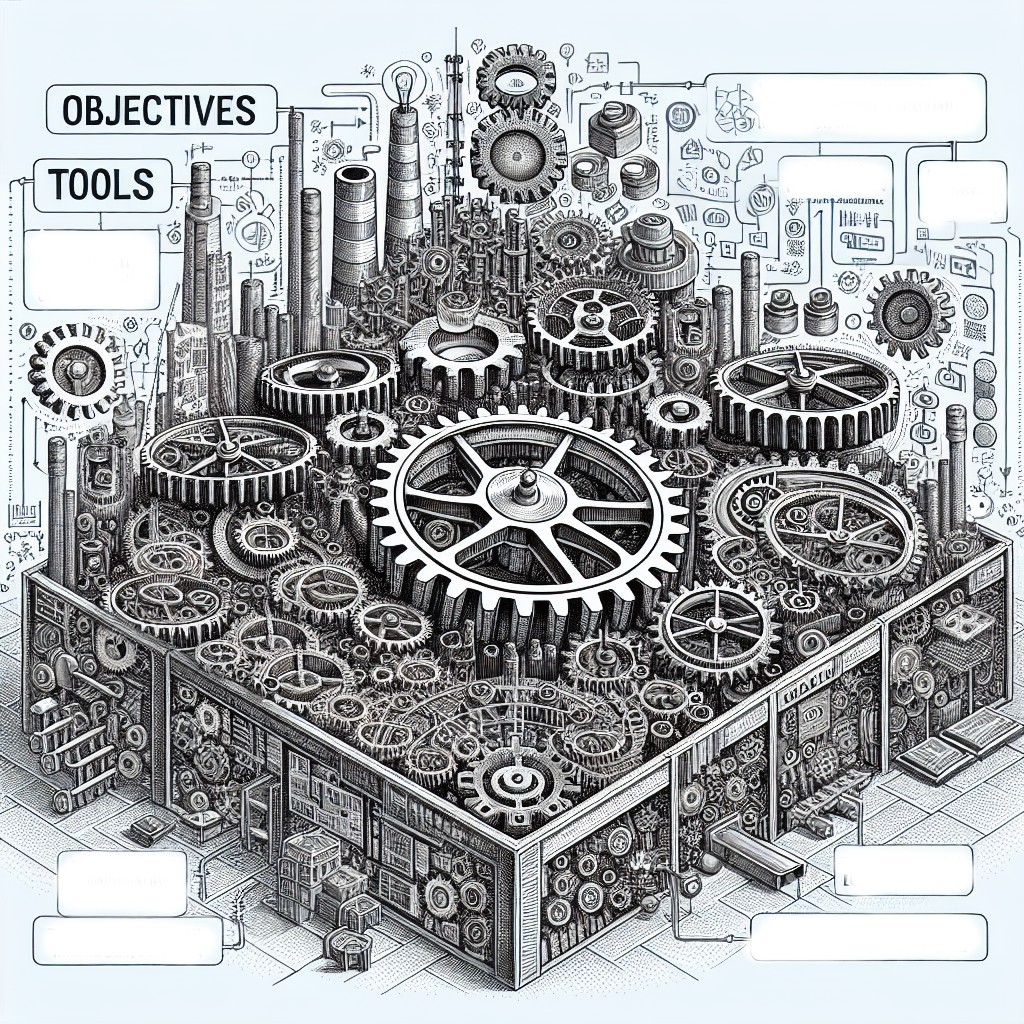
In this article, we will delve deep into the objectives, tools, and effectiveness of industrial policy. We will explore why governments adopt these policies, the various instruments they use, and the potential outcomes of such interventions. Our goal is to provide a comprehensive understanding of how industrial policy shapes economic development and to offer insights into its successes and challenges.
Objectives of Industrial Policy
One of the primary objectives of industrial policy is to stimulate economic growth. By supporting specific industries, governments aim to create an environment conducive to investment, innovation, and productivity improvements. This can lead to the development of new products and services, job creation, and increased exports, all of which contribute to overall economic growth.
Another key objective is the diversification of the economy. Many countries, particularly those reliant on a narrow range of exports, seek to reduce their dependence on a limited number of sectors. Industrial policy can help achieve this by fostering the growth of new industries and reducing vulnerability to external shocks, such as fluctuations in global commodity prices.
Industrial policy also aims to enhance national security and self-sufficiency. In a world where global supply chains are increasingly interconnected, ensuring access to critical technologies and industries is vital for national security. Governments may support the development of domestic industries to reduce dependence on foreign suppliers and enhance resilience to geopolitical risks.
Additionally, industrial policies can address social and environmental objectives. For example, policies promoting green technologies and sustainable practices can help mitigate environmental impacts and support the transition to a low-carbon economy. Similarly, targeted interventions can address regional disparities and support disadvantaged communities, fostering more inclusive economic development.
Tools of Industrial Policy
Governments employ a wide range of tools to implement industrial policies. One of the most common instruments is financial incentives. These can include tax breaks, subsidies, and grants designed to lower the cost of investment and encourage firms to operate in specific sectors. For instance, tax incentives for research and development (R&D) can spur innovation and technological advancement.
Another essential tool is regulatory support. Governments can create favorable regulatory environments by streamlining bureaucratic processes, reducing administrative burdens, and establishing industry standards. This can improve the ease of doing business and attract both domestic and foreign investment. In some cases, governments may also provide protectionist measures, such as tariffs and trade barriers, to shield domestic industries from foreign competition during their infancy.
Infrastructure investment is another critical component of industrial policy. Governments can support the development of physical and digital infrastructure, including transportation networks, energy grids, and broadband connectivity. Robust infrastructure is crucial for facilitating the efficient movement of goods, services, and information, and can significantly enhance the competitiveness of industries.
Human capital development is also a key tool in industrial policy. By investing in education, vocational training, and workforce development programs, governments can ensure that industries have access to a skilled and capable labor force. This can enhance productivity and innovation within targeted sectors.
Effectiveness of Industrial Policy
The effectiveness of industrial policy varies widely depending on several factors, including the specific context, the design and implementation of the policy, and the broader economic environment. In some cases, industrial policies have led to significant economic gains. For example, East Asian countries like South Korea and Taiwan successfully used industrial policies to transform their economies from agrarian bases to advanced industrial powerhouses. These policies focused on export-oriented growth, technological innovation, and skill development.
However, the success of industrial policy is not guaranteed, and there are several potential pitfalls. One common issue is government failure, where poorly designed or implemented policies result in inefficient resource allocation and market distortions. For instance, excessive subsidies or protections can create dependency and disincentivize firms from becoming competitive. Similarly, political considerations can lead to the misallocation of resources towards less productive sectors or firms.
Another challenge is ensuring that industrial policies remain adaptable and responsive to changing economic conditions. Rapid technological advancements and shifts in global markets require flexible policies that can adjust to new realities. Rigidity in policy design and implementation can hinder the ability of industries to innovate and compete effectively.
Moreover, effective industrial policy requires robust institutions and governance. Transparent, accountable, and corruption-free institutions are critical for ensuring that resources are allocated efficiently and that the policies achieve their intended objectives. Weaknesses in institutional capacity can undermine the effectiveness of industrial policy and lead to unintended consequences.
Case Studies in Industrial Policy
Examining real-world examples can provide valuable insights into the application and impact of industrial policy. One notable case is Japan’s post-World War II economic recovery and growth. The Japanese government implemented a series of industrial policies that focused on developing key sectors such as automotive and electronics. These policies included financial support, R&D incentives, and coordination between government and industry. The result was rapid industrialization, technological advancement, and global competitiveness.
A similar success story is found in China. Since the late 1970s, China has employed a range of industrial policies to drive its economic transformation. Special economic zones (SEZs), state-owned enterprise reforms, and strategic investments in infrastructure and technology have been pivotal in propelling China to become the world’s second-largest economy. However, these policies have also been accompanied by challenges such as environmental degradation and social inequality.
In contrast, some countries’ industrial policies have not yielded the desired outcomes. For instance, Brazil’s attempts to develop its domestic computer industry in the 1980s through protectionist measures and state interventions were largely unsuccessful. The policies failed to foster innovation and competitiveness, leading to lagging technological advancements and reliance on outdated technologies.
These case studies highlight the diversity of experiences and underscore the importance of context-specific factors in determining the success of industrial policies. They also emphasize the need for continuous evaluation and adaptation to ensure policies remain relevant and effective.
Key Considerations for Effective Industrial Policy
Designing and implementing effective industrial policies requires careful consideration of several key factors. First and foremost is the alignment with broader economic goals. Industrial policies should complement and reinforce overall economic strategies, such as promoting innovation, sustainability, and inclusivity. Ensuring coherence between industrial policy and macroeconomic policies can enhance the likelihood of achieving desired outcomes.
Another important consideration is stakeholder engagement. Effective industrial policy requires collaboration and coordination between various stakeholders, including government agencies, the private sector, academia, and civil society. Engaging stakeholders in the policy design process can provide valuable insights, build consensus, and facilitate successful implementation.
Monitoring and evaluation are also critical components of effective industrial policy. Continuous assessment of policy performance allows for the identification of strengths, weaknesses, and areas for improvement. Data-driven decision-making can help policymakers make informed adjustments and ensure that policies remain relevant and impactful.
Flexibility and adaptability are equally important. The dynamic nature of the global economy necessitates policies that can respond to changing circumstances and emerging challenges. Building mechanisms for regular review and updating of policies can help maintain their effectiveness over time.
Future Directions for Industrial Policy
As the global economy continues to evolve, so too must industrial policies. One emerging trend is the increasing focus on sustainability and the green economy. Governments are increasingly recognizing the need to promote environmentally friendly industries and technologies to address climate change and environmental degradation. Policies that support renewable energy, circular economy practices, and green innovations are likely to become more prominent in the coming years.
Another future direction is the integration of digital technologies. The Fourth Industrial Revolution, characterized by rapid advancements in artificial intelligence, automation, and digital connectivity, presents both opportunities and challenges for industrial policy. Governments will need to develop policies that foster digital transformation, support technological adoption, and address potential disruptions to labor markets and social structures.
Global cooperation is also becoming increasingly important. The interconnected nature of the global economy means that industrial policies in one country can have far-reaching implications. International coordination and collaboration can help address common challenges, such as trade tensions, supply chain vulnerabilities, and global public goods. Multilateral institutions and agreements can play a crucial role in promoting fair and effective industrial policies on a global scale.
Ultimately, the future of industrial policy will require a balance between national objectives and global considerations. Policymakers must navigate the complexities of a rapidly changing world while ensuring that industrial policies contribute to sustainable, inclusive, and resilient economic development.
Conclusion
In conclusion, industrial policy remains a vital tool for economic development, encompassing a broad spectrum of objectives, tools, and outcomes. While the success of these policies is influenced by a range of factors, including design, implementation, and context, the potential benefits are significant. Strategic industry support can drive economic growth, diversify the economy, enhance national security, and address social and environmental challenges.
Nonetheless, the challenges and risks associated with industrial policy should not be underestimated. Effective policy design requires careful consideration of broader economic goals, stakeholder engagement, continuous monitoring and evaluation, and the ability to adapt to changing conditions. Lessons from global case studies underscore the importance of context-specific factors and the need for robust institutions and governance.
As we look to the future, industrial policy will need to evolve in response to emerging trends such as sustainability, digitalization, and global cooperation. Policymakers must strike a balance between national and global considerations, ensuring that industrial policies contribute to a more sustainable, inclusive, and resilient global economy. By doing so, industrial policy can continue to play a pivotal role in shaping the trajectory of economic development and improving the well-being of societies worldwide.