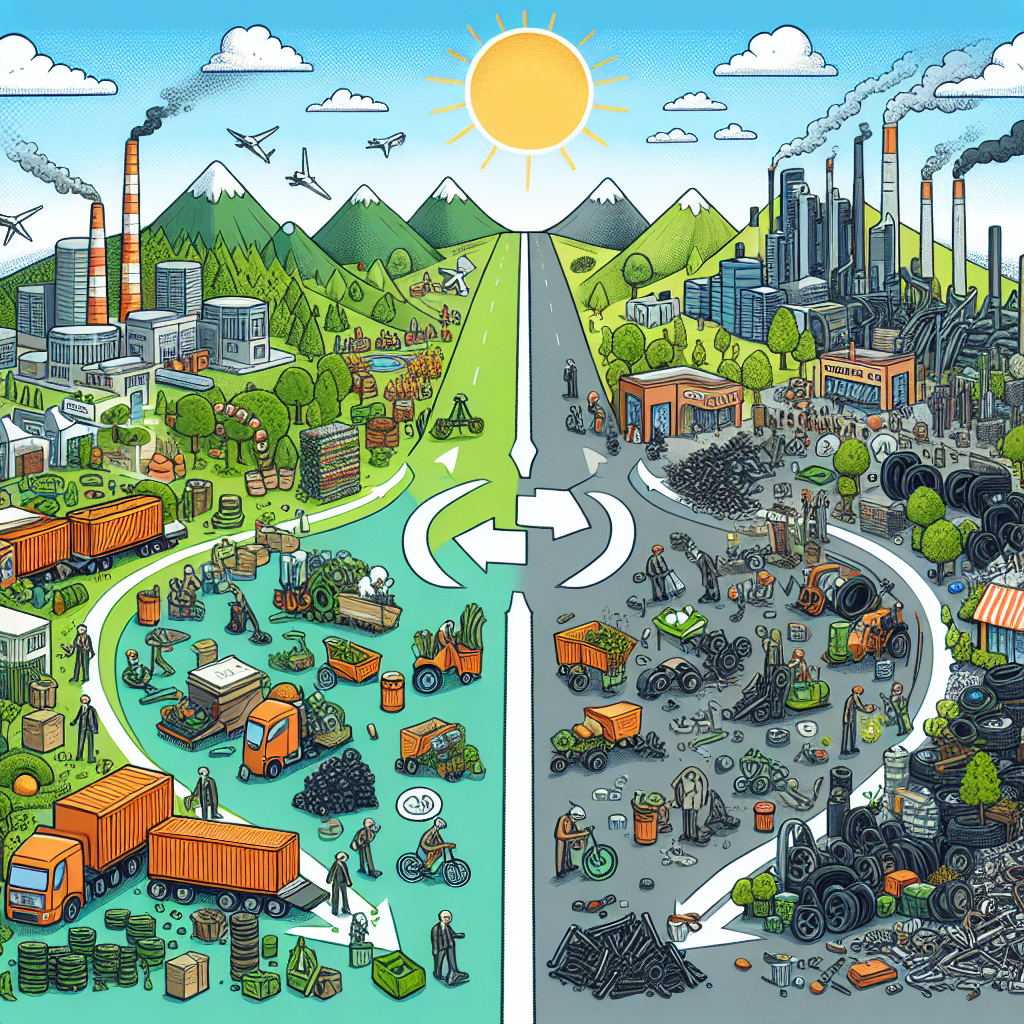

Corruption is a pervasive issue that infiltrates the economic fabric of nations, impeding development and fostering inequality. As an impediment to economic growth, corruption manifests in various forms—bribery, embezzlement, and nepotism, among others. It is a significant barrier that restricts access to essential services, distorts markets, and erodes trust in public institutions. In developing economies, the impact of corruption is particularly profound, as these countries often lack the institutional checks and balances that are more prevalent in developed economies. The purpose of this article is to delve into the causes and ramifications of corruption on economic development, highlighting that while it’s a complex issue, it is not insurmountable. Effective strategies and remedies can mitigate its impact and pave the way for sustainable economic growth.
Economic development is intrinsically linked to the quality of governance, and where corruption thrives, it often leads to suboptimal economic outcomes. For instance, public resources may be diverted from vital infrastructure projects and social services to the pockets of the corrupt elite. This misallocation of resources stifles growth, exacerbates poverty, and widens income inequalities. Additionally, corruption undermines foreign investment, as potential investors are often deterred by the unpredictable business environment that corruption creates.
Understanding the causes of corruption is the first step toward addressing the issue. Factors such as weak institutions, lack of transparency, poor leadership, and socio-economic inequalities contribute to its persistence. Moreover, in an environment where corruption is systemic, it becomes a self-perpetuating cycle that’s difficult to break without comprehensive reforms.
Consequently, this article will explore several key areas: the primary causes of corruption, its principal effects on economic development, real-world examples from various countries, and effective remedies to combat it. By dissecting this multifaceted issue, we aim to provide a nuanced understanding that can inform policy decisions and promote fairer, more equitable economic progress.
The Causes of Corruption
Corruption is a multifaceted issue driven by an array of factors. At its core, it often stems from weak institutional frameworks. When institutions, such as the judiciary, law enforcement, and regulatory bodies, are ineffective or corrupt themselves, they fail to hold individuals and entities accountable. This creates an environment where corrupt practices can flourish unchecked.
Lack of transparency also plays a significant role. In many developing countries, the operations of government and public agencies are shrouded in secrecy, making it difficult for citizens to monitor and scrutinize actions. Transparency is crucial for accountability, and its absence enables corruption to thrive.
Poor leadership and political instability further exacerbate the problem. Leaders who engage in or tolerate corrupt practices set a precedent for others to follow. Additionally, in politically unstable environments, the absence of rule of law and frequent changes in leadership can lead to a breakdown in governance systems, providing fertile ground for corruption.
Socio-economic factors, such as poverty and inequality, also contribute to corruption. In countries where economic disparities are vast, individuals may resort to corrupt practices as a means of survival. Inequality breeds dissatisfaction and mistrust in public institutions, which in turn fuels corruption.
Lastly, cultural factors and social norms cannot be overlooked. In some societies, corruption is normalized and even accepted as a way of doing business. When the public perceives corruption as a part of everyday life, efforts to combat it are hampered. Changing these deeply entrenched attitudes requires a concerted effort at all levels of society.
Recognizing and understanding these underlying causes is crucial for developing effective strategies to combat corruption. Addressing the root causes, rather than just the symptoms, is fundamental to creating sustainable change.
The Effects of Corruption on Economic Development
The impact of corruption on economic development is both profound and far-reaching. Primarily, it leads to the misallocation of public resources. Instead of being utilized for their intended purposes, such as healthcare, education, and infrastructure, funds are siphoned off by corrupt officials. This diversion of resources results in inadequate public services, thereby hindering social and economic development.
Corruption also distorts market mechanisms. Fair competition is undermined as businesses that engage in corrupt practices gain an unfair advantage. This discourages honest enterprises and stifles innovation. In an environment where bribes, rather than merit, determine success, economic efficiency is severely compromised.
Moreover, corruption erodes trust in public institutions. When citizens perceive their government as corrupt, they become disillusioned and less likely to comply with laws and regulations. This erosion of trust disrupts social cohesion and can lead to increased political instability and civil unrest.
Foreign investment, crucial for economic growth, is often deterred by corruption. Investors seek stable and predictable environments, and the risks associated with corrupt practices make countries less attractive investment destinations. Consequently, these nations miss out on vital capital, technology, and expertise that could spur development.
Additionally, corruption exacerbates income inequality. The rich and powerful, who have the means to engage in or benefit from corrupt practices, become wealthier, while the poor, who suffer from its consequences, become poorer. This widening gap not only undermines social stability but also limits poverty reduction efforts.
Addressing corruption is therefore essential not only for economic development but also for ensuring social equity and justice. The next sections will delve into real-world examples and explore strategies to combat this pervasive issue.

Real-World Examples of Corruption and Its Consequences
The global landscape is replete with examples of how corruption can stifle economic development. Take Nigeria, for instance. Rich in natural resources, particularly oil, Nigeria should be one of the wealthiest nations in Africa. However, pervasive corruption has stymied its economic potential. Public funds, including those from oil revenues, frequently disappear into the pockets of corrupt officials, leaving the majority of the population in poverty and lacking access to essential services.
Similarly, in countries like Brazil, corruption scandals have shaken the political landscape and undermined investor confidence. The Petrobras scandal, involving kickbacks from the state oil company to politicians and businesses, highlighted the detrimental effects of corruption on both economic growth and political stability. It not only led to significant economic losses but also eroded public trust in the government.
Another noteworthy example is India, where corruption has long been a persistent issue. High-profile cases, like the 2G spectrum scam and the Commonwealth Games scandal, have exposed how deeply corruption is entrenched in both the public and private sectors. These scandals have significant repercussions, including wasted public funds, delayed projects, and reduced foreign investment.
Eastern European countries, transitioning from centrally planned economies to market economies, have also grappled with corruption. In Ukraine, systemic corruption has impeded economic progress and fostered widespread public disillusionment with political leadership. Efforts to reform and combat corruption have been ongoing, but progress remains slow.
However, it’s important to note that progress can be made. For instance, Rwanda has made significant strides in curbing corruption, thanks to strong leadership and comprehensive reforms. By strengthening institutions, enhancing transparency, and promoting accountability, Rwanda has created a more conducive environment for economic development.
These real-world examples underscore the pervasive nature of corruption and its far-reaching consequences. They also highlight the importance of strong institutions, transparent governance, and political will in combating this persistent issue.
Strategies and Remedies to Combat Corruption
Addressing corruption requires a multi-faceted approach, encompassing legal, institutional, and societal reforms. First and foremost, strengthening institutions is crucial. This involves ensuring that the judiciary, law enforcement agencies, and regulatory bodies are independent, adequately resourced, and free from political interference. Strong institutions are essential for enforcing anti-corruption laws and holding individuals accountable.
Enhanced transparency is another key remedy. Governments must adopt open data initiatives, where information about public spending, government contracts, and decision-making processes is readily accessible to the public. Transparency fosters accountability and enables citizens to scrutinize and challenge corrupt practices.
The role of technology in combating corruption cannot be overstated. E-governance, for instance, can reduce opportunities for corruption by minimizing human interaction in processes like issuing licenses, collecting taxes, and distributing subsidies. Digital platforms and blockchain technology can enhance transparency and traceability in government transactions.
Political will and leadership are also vital. Leaders must lead by example, demonstrating zero tolerance for corruption and actively promoting anti-corruption agendas. Anti-corruption agencies should be provided with the autonomy, resources, and mandate necessary to investigate and prosecute corrupt practices effectively.
Public awareness and education play a significant role in changing societal attitudes towards corruption. Civic education campaigns can empower citizens to demand accountability and resist engaging in corrupt activities. Whistleblower protection laws are also essential to encourage individuals to report corruption without fear of retaliation.
International cooperation is another critical element. Corruption is not confined within national borders, and international collaboration is necessary for tracing illicit financial flows, extraditing fugitives, and sharing best practices. Organizations like Transparency International and the United Nations Office on Drugs and Crime (UNODC) provide valuable support and resources in the global fight against corruption.
Implementing these strategies requires a concerted effort from all sectors of society, including the government, private sector, civil society, and international community. By addressing the root causes of corruption and fostering an environment of transparency, accountability, and integrity, it is possible to significantly mitigate the impact of corruption on economic development.
Conclusion
Corruption is undoubtedly one of the most pressing challenges facing economic development. Its pervasive impact undermines governance, distorts markets, erodes trust, and exacerbates inequality. However, while the issue is complex and deeply entrenched, it is not insurmountable. Understanding the underlying causes of corruption—such as weak institutions, lack of transparency, poor leadership, and socio-economic inequalities—is crucial for developing effective strategies to combat it.
The consequences of corruption are far-reaching, affecting every facet of society—from public services to foreign investment, and from economic efficiency to social equity. Real-world examples from countries like Nigeria, Brazil, India, and Ukraine illustrate the profound impact corruption can have on economic development and public trust. Conversely, success stories like Rwanda demonstrate that with strong leadership and comprehensive reforms, significant progress can be made.
Effective remedies to combat corruption encompass a range of strategies, including strengthening institutions, enhancing transparency, leveraging technology, and fostering public awareness. Political will and international cooperation are also vital components of any anti-corruption strategy. By adopting a holistic approach that addresses both the symptoms and root causes of corruption, it is possible to create an environment conducive to sustainable and equitable economic development.
Ultimately, the fight against corruption requires a united effort from all sectors of society. Governments, businesses, civil society, and the international community must work together to promote transparency, accountability, and integrity. By doing so, we can pave the way for a more just and prosperous world, where economic development benefits all members of society, not just a privileged few.