Music and dance are not just forms of entertainment; they are the universal languages that transcend cultural and linguistic barriers, connecting people across the globe. This article delves into the rich and diverse world of global music and dance, exploring how these art forms reflect the cultural, social, and historical tapestries of different societies and how they facilitate global interconnectedness and understanding.
The Roots of Rhythm: Music and Dance in Human History
From the drumbeats of ancient tribes to the orchestral symphonies of the modern era, music has always been an integral part of human civilization. Similarly, dance, as an expressive art form, has been pivotal in rituals, celebrations, and storytelling throughout history. Every culture has its unique musical and dance heritage, deeply rooted in its history and societal norms.
The African Influence
African music and dance, characterized by complex rhythms and vibrant movements, have had a profound impact globally. The use of drums and percussive instruments in African music has influenced genres like jazz, blues, and even modern hip-hop. Traditional dances, such as the West African ‘Adowa’ or the South African ‘Zulu’ dances, are not just art forms but are integral to the cultural identity and history of these communities.
The Classical Traditions of Europe
European classical music, known for its symphonic and harmonic richness, has been influential worldwide. Composers like Mozart, Beethoven, and Bach have left an indelible mark on the global music scene. Ballet, originating in the Italian Renaissance courts and flourishing in Russia and France, epitomizes European dance tradition, renowned for its grace, precision, and narrative storytelling.
The Asian Melodies and Movements
Asian music and dance encompass a vast array of styles, each reflecting the diverse cultures of the continent. Indian classical music, with its intricate ragas and talas, has influenced many Western musicians. The traditional dances of Asia, such as the Indian Bharatanatyam or the Chinese Dragon Dance, are steeped in history and often have religious or mythological significance.
The Latin American Rhythms
Latin American music and dance are known for their fiery rhythms and passionate expressions. The tango of Argentina, the samba of Brazil, and the salsa of the Caribbean are not only popular dance forms but also reflect the social and cultural narratives of these regions. The music, often featuring guitars, percussion, and wind instruments, is synonymous with festivity and celebration.
Music and Dance as Tools for Social Change
Throughout history, music and dance have been powerful tools for social change and political expression. Songs and dances have been used to protest against injustices, to fight for freedom, and to bring attention to social issues. The African-American spirituals and the protest songs of the 1960s in the United States are prime examples of how music can be a force for change.
Bridging Cultural Gaps
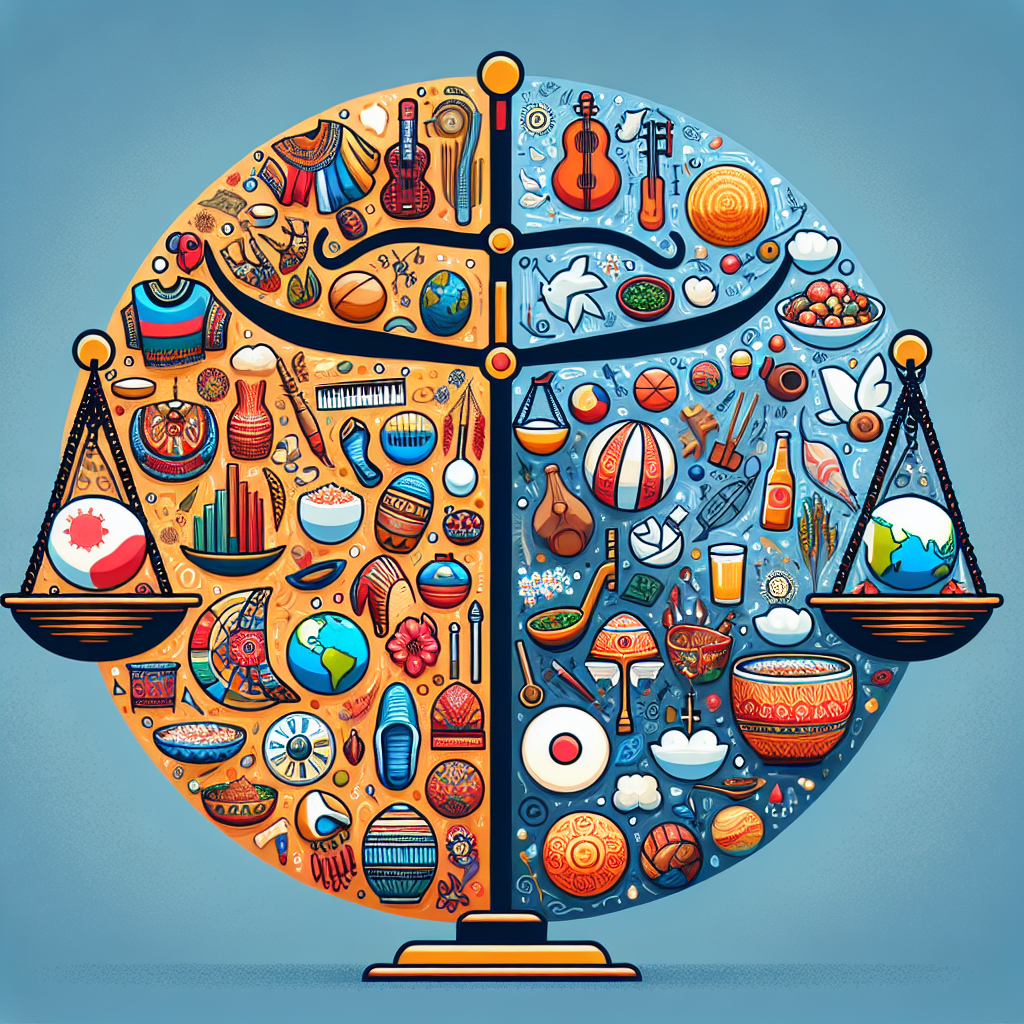
Music and dance have the unique ability to bridge cultural gaps and promote mutual understanding and respect. In a world often divided by language, politics, and religion, these art forms provide a common ground for people to share their stories, experiences, and emotions. International music and dance festivals, collaborations between artists from different countries, and cross-cultural performances have played a significant role in fostering global harmony.
The Digital Age: A New Era of Accessibility
The advent of the digital age has revolutionized the way we access and experience music and dance. Streaming platforms, social media, and online repositories have made it possible for people around the world to explore and enjoy music and dance from different cultures. This accessibility has not only broadened our musical horizons but has also given a platform to lesser-known artists and art forms, promoting diversity and inclusion in the global arts scene.
The Future of Global Music and Dance
As we look to the future, the fusion of traditional and contemporary styles, the blending of different cultural influences, and the use of technology in music and dance promise an exciting and dynamic evolution of these art forms. The ongoing global dialogue through music and dance is not just about entertainment; it is a conversation about our shared humanity and the rich tapestry of our diverse cultures.

The Global Melting Pot: Fusion and Experimentation in Music and Dance
The contemporary world has seen an unprecedented fusion of musical and dance styles, creating a global melting pot of art forms. Musicians and dancers often collaborate across cultures, blending elements from various traditions to create innovative and eclectic works. This fusion not only enriches the arts but also symbolizes the interconnectedness of our global community.
Innovations in World Music
World music, a genre in itself, encapsulates this fusion. It includes a wide range of music from different cultures, often combining Western pop with traditional elements. Artists like Yo-Yo Ma with his Silk Road Ensemble and the Afro Celt Sound System are examples of how musicians are blurring the lines between geographies and genres, creating a new, global musical language.
Dance: A Canvas for Cultural Confluence
In dance, similar experiments are underway. Contemporary dancers frequently incorporate elements from various traditional dances, creating performances that are visually stunning and culturally rich. Shows like “Riverdance,” which infuses traditional Irish dance with other styles, have gained international acclaim, showcasing the potential of cross-cultural dance fusion.
Preserving Tradition in the Modern World
While fusion and innovation are celebrated, there is also a concerted effort to preserve traditional music and dance forms. These art forms are not just entertainment; they are living embodiments of cultural heritage and history. Organizations like UNESCO have recognized several music and dance traditions as Intangible Cultural Heritage, ensuring their protection and continuation.
The Role of Education and Institutions
Educational institutions and cultural organizations play a crucial role in preserving traditional music and dance. By providing formal training, organizing performances, and promoting research, these institutions help keep these art forms alive. Moreover, they serve as bridges, connecting younger generations to their cultural heritage.
The Healing Power of Music and Dance
Music and dance are not only for entertainment and cultural expression; they also have therapeutic benefits. Music therapy and dance therapy are recognized fields, used in treating various psychological and physical ailments. These therapies tap into the emotional and expressive qualities of music and dance, aiding in healing and emotional well-being.
Community and Belonging Through the Arts
Music and dance also create a sense of community and belonging. Participating in these art forms, whether as performers or as audience members, fosters a sense of collective identity and shared experience. They are powerful tools for community building, bringing together people of diverse backgrounds in a shared love for the arts.
The Role of Technology in Shaping Future Trends
The influence of technology on music and dance cannot be overstated. From digital music production to virtual dance performances, technology is reshaping how these art forms are created, experienced, and shared. It has democratized access, allowing more people to participate in the creation and enjoyment of music and dance.
The Rise of Virtual Performances
Virtual performances and online collaborations have become increasingly common, especially in the wake of global events like the COVID-19 pandemic. These virtual spaces have allowed artists to reach wider audiences and have opened up new avenues for creative expression and collaboration.
The Economic Impact of Global Music and Dance
Music and dance are not just cultural expressions; they are also significant economic drivers. The global music industry, including live performances, recordings, and digital sales, contributes billions of dollars to the world economy. Similarly, dance, through performances, education, and related industries, generates significant economic activity.
The Role of Festivals and Live Events
Music and dance festivals are major economic contributors, attracting tourists and promoting cultural tourism. These events also provide platforms for artists to showcase their work, fostering the growth of the arts sector.
Conclusion: A Symphony of Diversity
In conclusion, the exploration of global music and dance reveals a rich tapestry of human expression, transcending cultural, linguistic, and geographic boundaries. These art forms celebrate our differences while highlighting our common human experience. They remind us that, despite our diverse backgrounds, we all share a fundamental connection through the universal language of music and dance. As we continue to explore and embrace this vast and varied world, we contribute to a more harmonious and understanding global community.