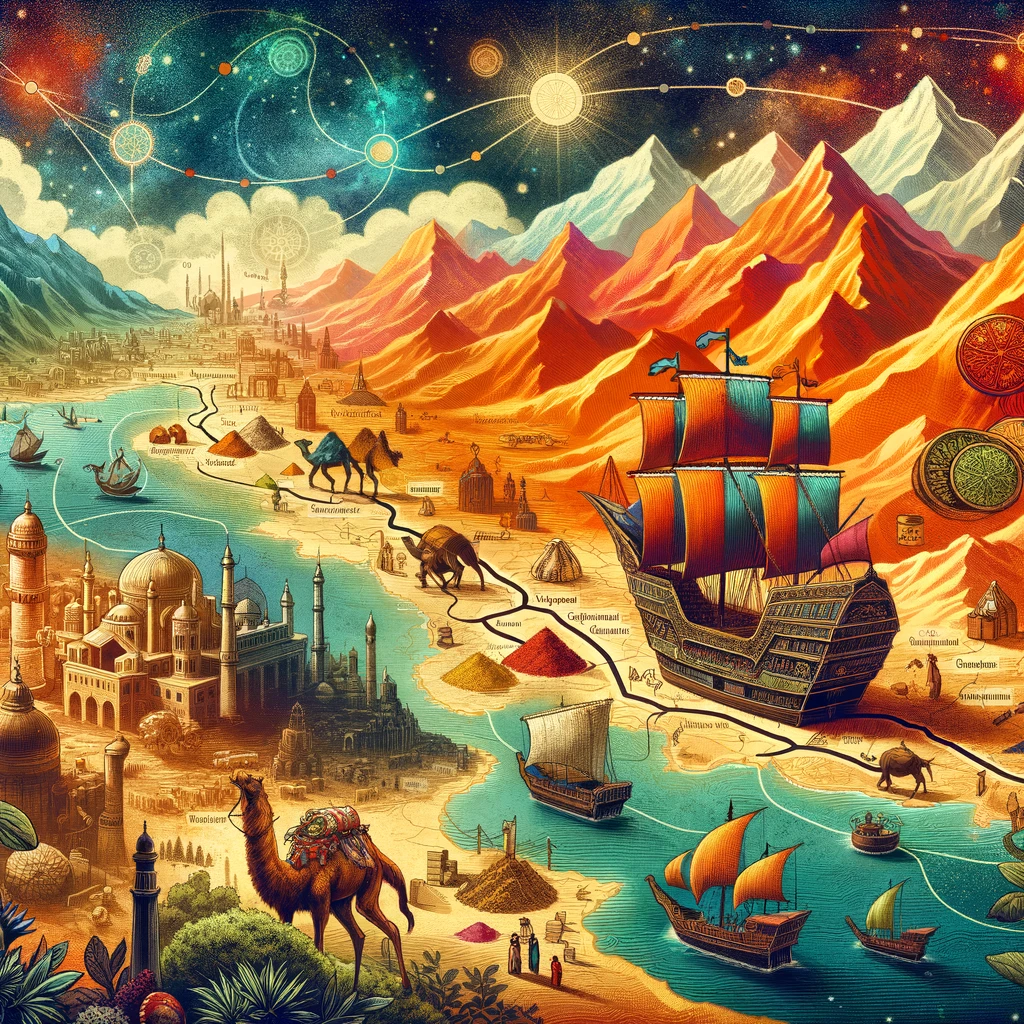
Long before the advent of modern transportation and communication technologies, ancient civilizations were interconnected through complex trade networks. Among these, the Spice Route stands out as a particularly influential pathway. This network wasn’t just about the exchange of goods, but it was a conduit for cultural, technological, and culinary exchanges that shaped the world.
Origins and Evolution of the Spice Route
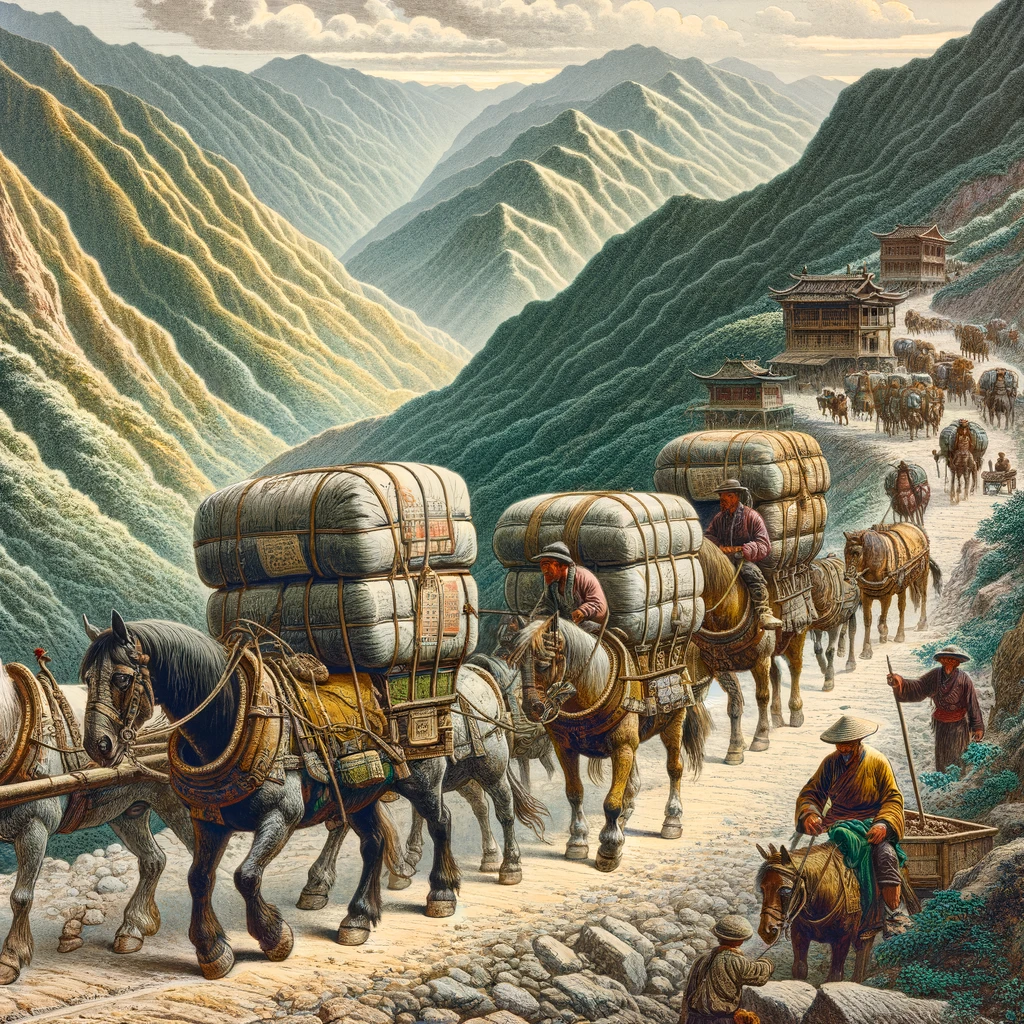
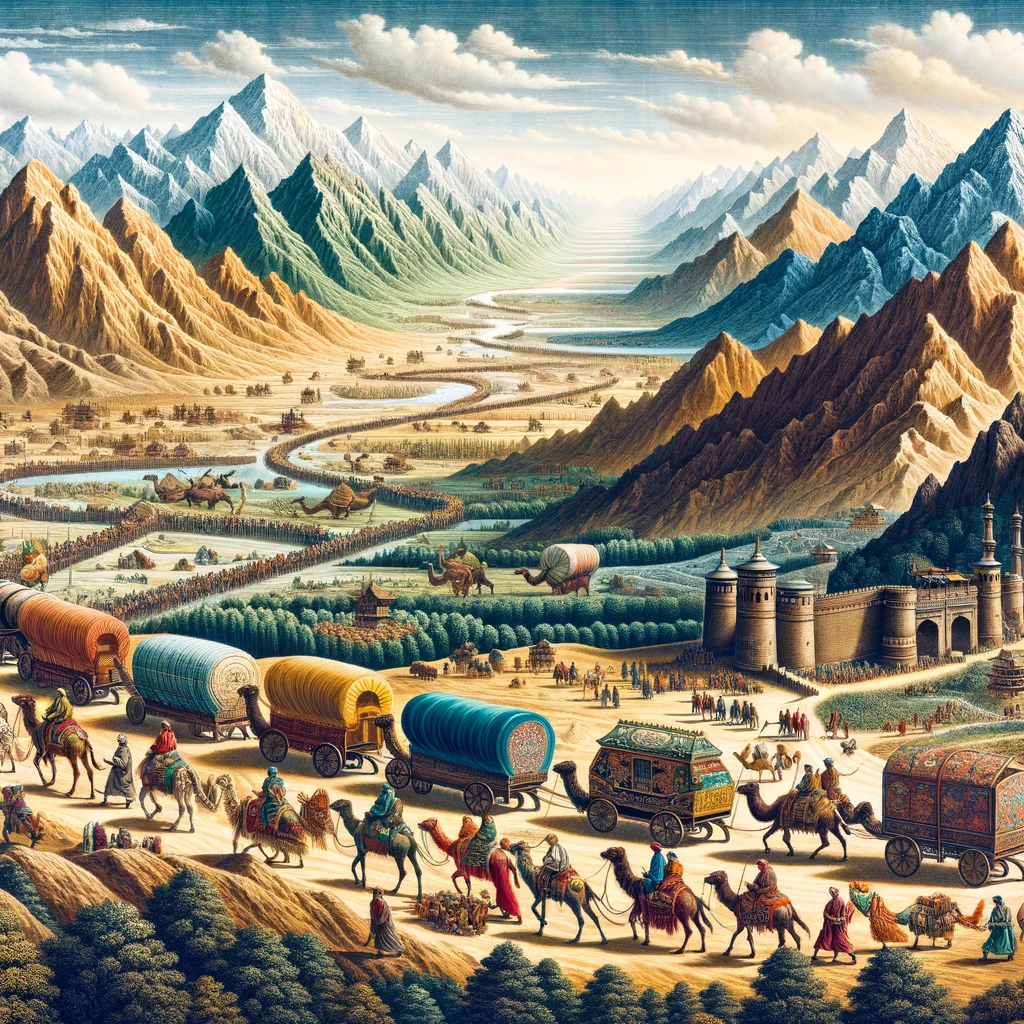
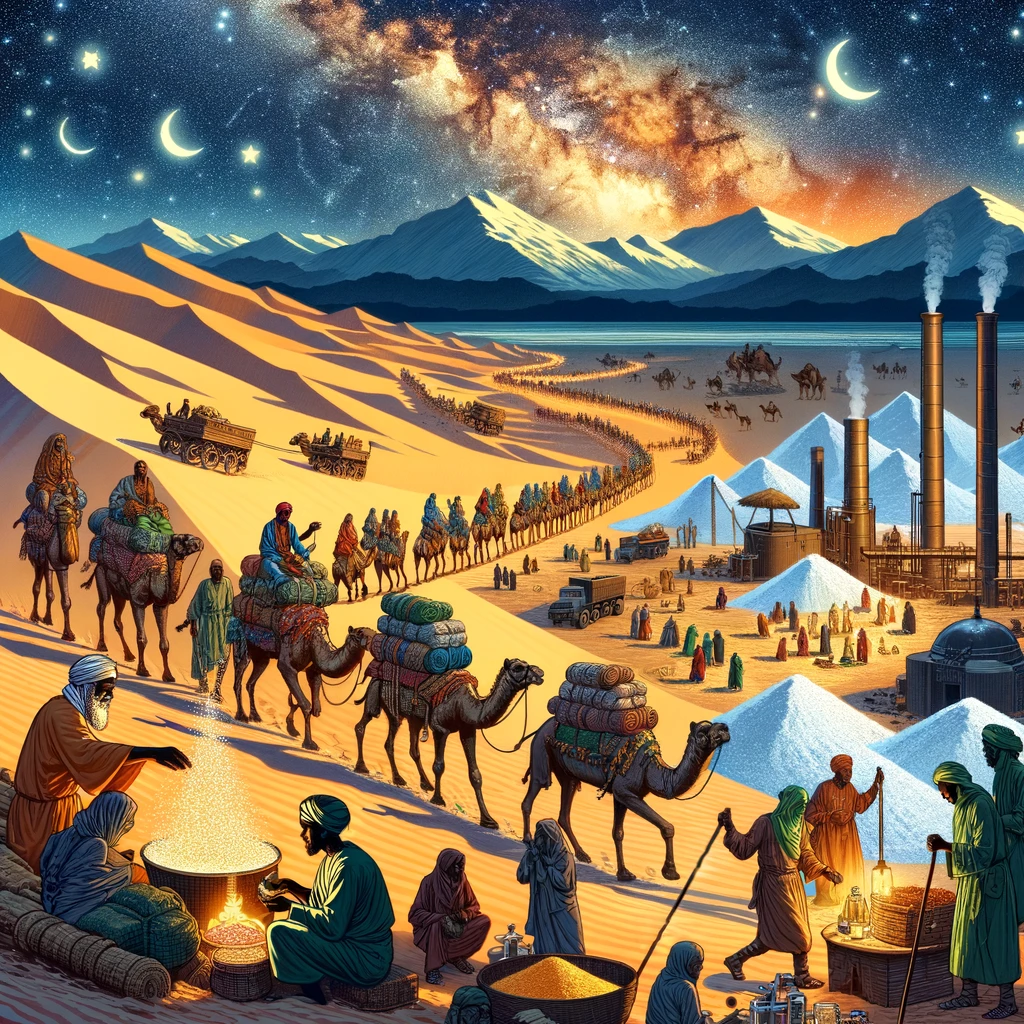
The Spice Route, also known as the Incense Route, was primarily a network of sea and land routes that linked the East and West from around 2000 BCE to the 15th century CE. This route originated in the spice-producing regions of South Asia and Southeast Asia, particularly the Malabar Coast of India, and extended towards the Middle East through the Red Sea and onwards to Europe.
The route was driven by the demand for spices such as cinnamon, cardamom, black pepper, and nutmeg in Europe and the Middle East. These spices were coveted not only for their ability to flavor food but also for their preservative qualities and use in medicine. The profitability of the spice trade attracted the attention of powerful empires, including the Romans, the Egyptians, and much later, the Portuguese and the Dutch.
Cultural Exchanges Along the Route
The Spice Route was about more than just trade goods. It was a highway of ideas and culture. As traders moved from one port to another, they brought with them not only goods but also stories, religions, and technologies. The spread of Buddhism, Islam, and later Christianity along these routes is a testament to the cultural exchanges that occurred.
Art and architecture also spread via the Spice Route. Islamic architectural styles can be seen in Southeast Asia, while Indian and Chinese influences are evident in the art and architecture of places like Java and Sumatra. Furthermore, languages and literature flourished along the route, influenced by the interaction of diverse linguistic groups.
Economic Impact of the Spice Route
The economic impact of the Spice Route on the ancient world was profound. Cities that lay along the route, such as Alexandria in Egypt, Calicut in India, and Malacca in Malaysia, became bustling centers of trade. These cities were melting pots of culture and commerce where immense wealth was generated.
This wealth, however, also led to conflicts. Control over the spice trade became a significant aspect of European colonial strategies in the 15th and 16th centuries. The Portuguese, followed by the Dutch and the British, took control of various parts of the spice trade route by establishing colonies and trade agreements, often through force.
Technological and Navigational Advancements
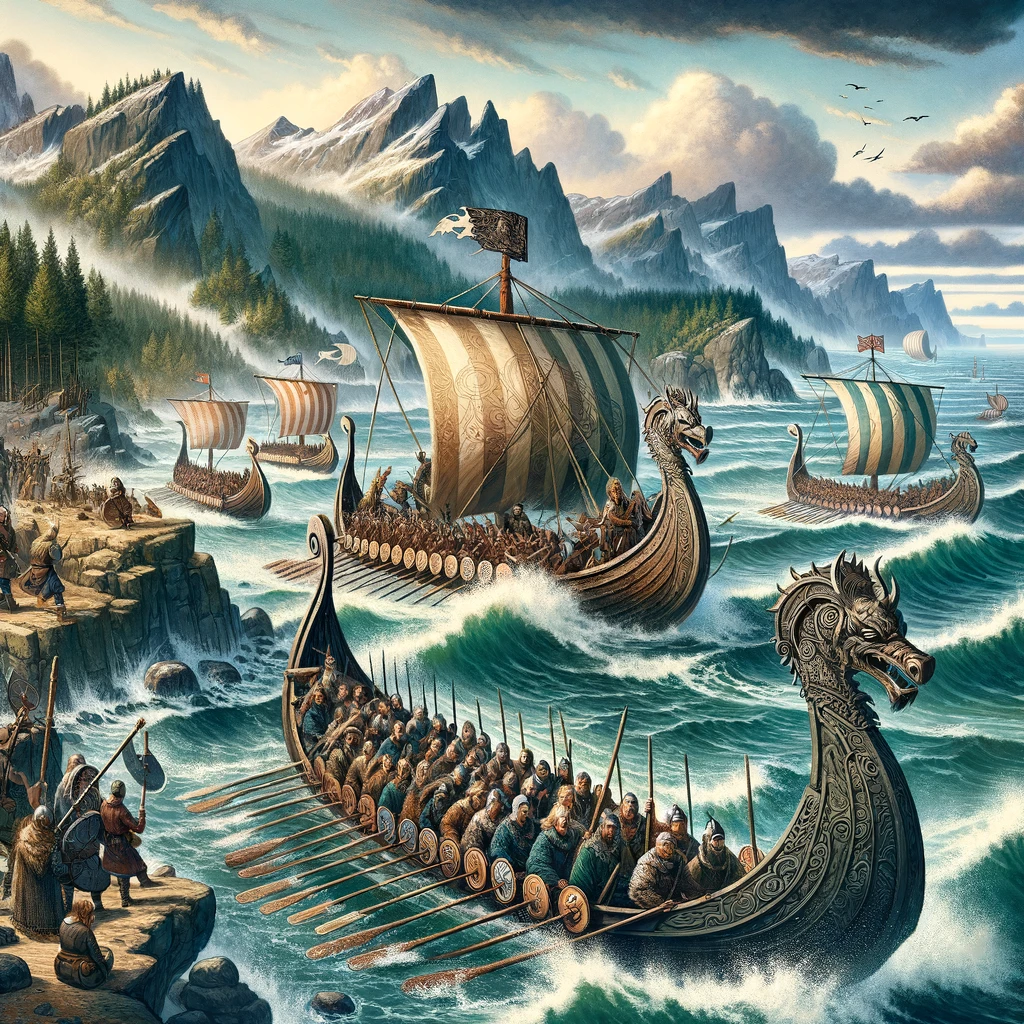
The Spice Route also contributed to significant technological and navigational advancements. The necessity to travel long distances across challenging ocean and desert terrains spurred innovations in shipbuilding and navigation. The astrolabe, an ancient astronomical device, and the magnetic compass were critical tools that allowed sailors to navigate the treacherous waters of the Indian Ocean and the South China Sea.
Moreover, the construction of impressive trading vessels, such as the Arabian dhow and the Chinese junk, enabled these long-distance journeys. These ships were marvels of their time, designed to maximize cargo space without compromising speed and safety.
The Spice Route Today
Today, the legacy of the Spice Route can be seen in the continuing cultural and economic exchanges between East and West. The modern globalization of cuisine, where ingredients and food practices are shared across continents, can trace its roots back to the ancient trade routes. The fusion cuisines that we enjoy today are a direct result of the mixing of culinary traditions along the Spice Route.
The Spice Route was more than just a pathway for the exchange of spices. It was a dynamic network that facilitated the exchange of goods, ideas, technologies, and cuisines across continents. This route helped shape the cultural and economic landscape of the ancient world and laid the foundations for modern global interconnectivity. As we continue to navigate our globalized world, the history of the Spice Route serves as a reminder of how our cultures have been shaped by historical paths of commerce and exchange.

The Role of Spices in Ancient Economies
In the ancient world, spices were not merely cooking ingredients; they were commodities that held immense value, often compared to gold and precious stones. Their ability to preserve food, enhance flavor, and serve medicinal purposes made them indispensable in various cultures. Spices were such a vital part of the economy that they were often used as currency. For instance, in some cultures, workers were paid in cloves, and rents were sometimes paid in peppercorns, giving rise to the term “peppercorn rent.”
The Sociopolitical Dynamics of the Spice Route
The importance of spices and the wealth of the Spice Route attracted not only merchants but also conquerors. The route’s history is marked by numerous power struggles. The control of strategic ports along the route was crucial for economic dominance and often led to extended periods of conflict and colonization.
For example, the capture of Constantinople by the Ottoman Empire in 1453 marked a significant turning point. It effectively cut off the land routes to the East for Europeans, prompting explorers like Vasco da Gama and Christopher Columbus to seek sea routes to the spice-producing regions, reshaping global trade dynamics.
Diffusion of Culinary Practices
The Spice Route was instrumental in the diffusion of culinary practices across continents. As spices moved from Asia to Europe and Africa, they transformed food practices. The introduction of spicy dishes to the Mediterranean diet and the incorporation of aromatic spices into Middle Eastern cuisine are just a few examples of how the route influenced global eating habits.
Moreover, the route facilitated the spread of various agricultural products. For instance, the introduction of rice and sugar cane from South Asia to the Middle East and eventually to the Mediterranean regions revolutionized diets and agricultural practices in these areas.
Environmental and Ecological Impacts
The trade along the Spice Route also had significant environmental and ecological impacts. The demand for spices led to overexploitation in some areas, affecting biodiversity. Additionally, the movement of ships and caravans facilitated the unintentional exchange of species – both flora and fauna – across different ecological zones, leading to significant changes in local ecosystems.
This early form of globalization shows that human activity has been impacting the global environment long before the industrial age. It underscores the interconnectedness of human economic activities and environmental health, a lesson that remains relevant today.
Legacy and Modern Reflections
The historical Spice Route has left a lasting legacy that extends beyond culinary influences. It helped lay the groundwork for modern global trade and cultural exchange. The principles of trade, diplomacy, and cultural exchange that were developed along these ancient routes can still be seen in today’s economic and international relations frameworks.
Reflecting on the Spice Route also prompts modern societies to consider the balance between trade and sustainable practices. As we face global challenges such as climate change and economic inequality, the history of the Spice Route offers valuable insights into managing global resources and sharing cultural wealth.
Conclusion
The exploration of the Spice Route provides a fascinating glimpse into the ancient world’s complexity and its lasting impact on modern societies. By understanding the historical, cultural, and economic significance of this ancient trade network, we can appreciate the deep interconnections that have always existed among different parts of the world. The Spice Route not only enriched the lives of those in the past but continues to influence our global society, reminding us of our shared heritage and interconnected future.