Understanding economic growth is crucial for policymakers, economists, and anyone interested in the health and progress of a nation. Economic growth examines how economies expand, why they stagnate, and what methods can be employed to influence this vital aspect of national prosperity. In discussing economic growth, we delve into a variety of theories and policies, each providing unique insights and practical tools to foster growth.
Theories of economic growth range from classical to modern, each contributing a piece to the puzzle of why some economies thrive while others lag. Classical theories, such as those proposed by Adam Smith, David Ricardo, and later by John Maynard Keynes, establish the foundational principles, mainly focusing on labor, capital, and productivity. In contrast, modern theories, including endogenous growth theory and new growth theory, emphasize technological innovation, human capital, and knowledge spillovers.
On the policy front, governments deploy various strategies to stimulate or sustain economic growth. These measures may involve fiscal policies like government spending and taxation, monetary policies including interest rate adjustments, and structural policies that reform institutions and infrastructure. All these facets, from theoretical underpinnings to practical policies, play a crucial role in shaping the economic destiny of nations.
This article will explore the key theories of economic growth, elucidate the role of different policies, and provide a comprehensive understanding of the complex dynamics that drive economic progress, slowdown, or decline.
Classical Theories of Economic Growth
Classical theories laid the groundwork for understanding economic growth, providing fundamental concepts and models that continue to influence economic thought today. Adam Smith, often regarded as the father of modern economics, proposed that economic growth results from increases in labor productivity, driven by specialization and division of labor. His seminal work, “The Wealth of Nations,” emphasizes the importance of free markets and competition.
David Ricardo introduced the concept of comparative advantage, suggesting that nations should specialize in producing goods they can produce most efficiently, thus fostering international trade and economic growth. His theory also highlighted the diminishing returns to capital and labor, suggesting that continued investment in these factors would eventually lead to lower marginal returns.
Thomas Malthus, however, presented a more pessimistic view. Malthusian theory posits that population growth would outstrip food production, leading to stagnation and decline in living standards. While Malthus’s predictions have not entirely materialized due to technological advances in agriculture, his work underscores the potential constraints on economic growth.
John Maynard Keynes later expanded on classical theories, particularly in the context of the Great Depression. Keynesian economics advocates for active government intervention to manage economic cycles, arguing that public spending can help mitigate downturns and spur economic growth. The Keynesian approach marked a significant shift from the laissez-faire principles of earlier classical economists.
Modern Theories of Economic Growth
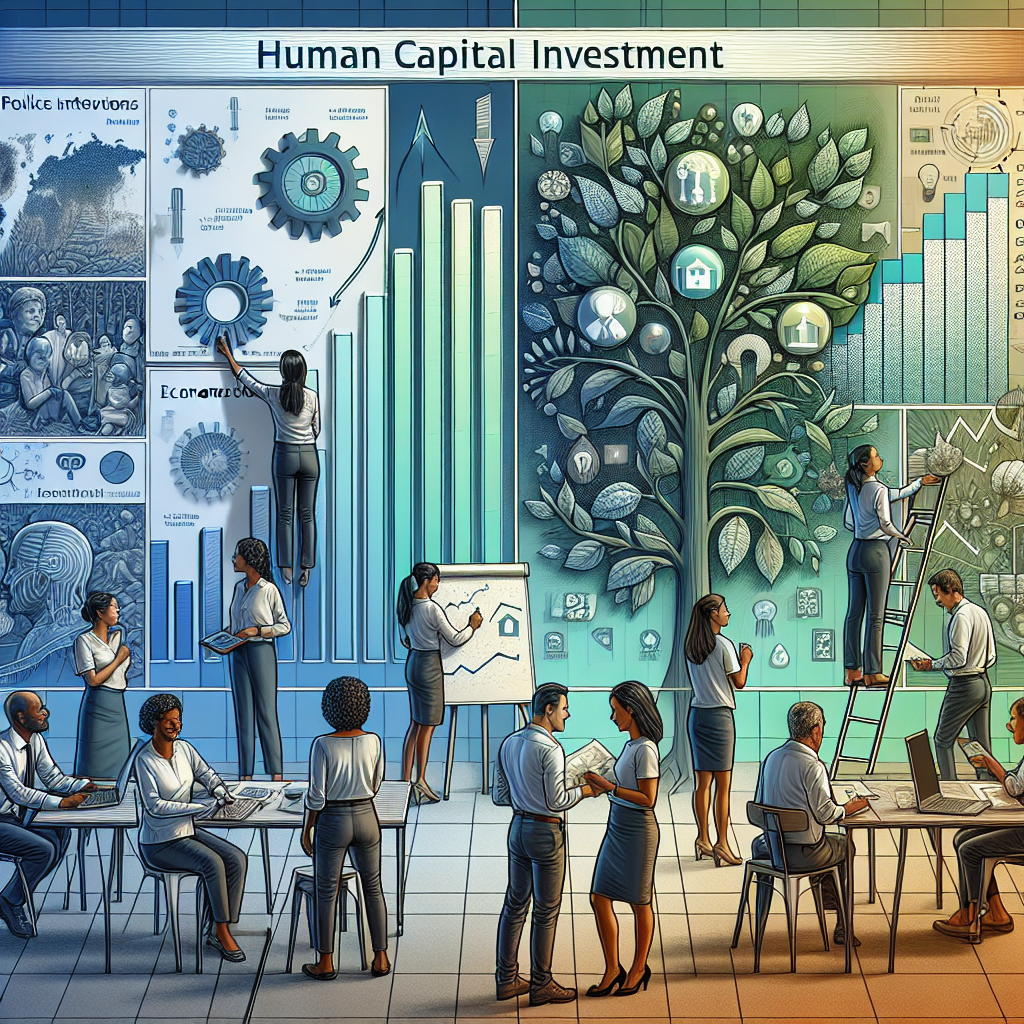
Modern economic growth theories emerged to address the limitations of classical models, offering more nuanced explanations of how economies develop. Paul Romer’s endogenous growth theory, for instance, emphasizes the role of knowledge, innovation, and technological change. According to Romer, economic growth is not merely a result of external factors but can be driven by internal policies and investments in human capital and R&D.
Robert Lucas further developed these ideas, focusing on human capital and learning-by-doing. Lucas’s model suggests that investment in education and training enhances worker productivity, leading to sustained economic growth. The spillover effects of knowledge mean that individual skills and innovations benefit the broader economy, creating a virtuous cycle of growth.
New growth theory also highlights the importance of institutions and infrastructure in economic development. Economists like Douglass North argue that strong institutions, such as property rights, legal frameworks, and efficient markets, are essential for fostering economic growth. These elements not only attract investment but also create an environment conducive to innovation and entrepreneurship.
Combining these insights, modern growth theories provide a comprehensive framework for understanding the multifaceted drivers of economic growth. They underscore the importance of investing in education, fostering innovation, and building robust institutional frameworks to sustain long-term economic progress.
Fiscal Policies for Economic Growth
Fiscal policy is a critical tool for governments aiming to influence economic growth. It involves the use of government spending and taxation to steer the economy. During periods of economic slowdown, expansionary fiscal policy—characterized by increased public spending and tax cuts—can stimulate demand and boost economic activity.
Public investments in infrastructure, education, and health are particularly effective in promoting long-term growth. Infrastructure projects, such as building roads, bridges, and ports, enhance connectivity and productivity, reducing costs for businesses and enabling efficient movement of goods and services. Investments in education and health improve human capital, ensuring a more skilled and healthier workforce capable of driving innovation and productivity.
On the taxation front, lowering taxes can increase disposable income for households and incentivize business investments. However, it’s essential to strike a balance to avoid excessive deficits and debt, which can undermine economic stability. Effective fiscal policy requires careful planning and evaluation to ensure that spending and tax measures are sustainable and targeted towards areas with the highest return on investment.
Counter-cyclical fiscal policies, which adjust spending and taxes in response to economic fluctuations, can help stabilize the economy. By boosting spending during recessions and restraining it during booms, governments can smooth out economic cycles, reducing volatility and fostering a more stable environment for growth.
Monetary Policies and Economic Growth
Monetary policy, primarily managed by central banks, involves controlling the money supply and interest rates to influence economic activity. By adjusting interest rates, central banks can either encourage borrowing and investment (through lower rates) or curb inflation and stabilize the economy (through higher rates).
During periods of economic slowdown, central banks may implement expansionary monetary policy by lowering interest rates or purchasing government securities (quantitative easing). Lower interest rates reduce borrowing costs for consumers and businesses, stimulating spending and investment. Quantitative easing increases the money supply, further encouraging lending and economic activity.
On the other hand, during periods of overheating or high inflation, contractionary monetary policy—raising interest rates or selling government securities—can help cool down the economy. Higher interest rates discourage borrowing and spending, reducing demand and keeping inflation in check.
Monetary policy’s effectiveness depends on various factors, including the responsiveness of businesses and consumers to interest rate changes and the overall health of the financial system. Coordination with fiscal policy is also crucial to ensure that monetary measures reinforce rather than counteract fiscal initiatives.
In today’s interconnected global economy, central banks must also consider external factors, such as exchange rates and international trade dynamics, when formulating monetary policy. By maintaining stable inflation and supporting sustainable growth, central banks play a pivotal role in fostering economic stability and prosperity.
Structural Policies and Economic Growth
Structural policies focus on reforms and initiatives designed to improve the long-term efficiency and productivity of the economy. These policies often involve regulatory changes, labor market reforms, and efforts to enhance competitiveness and innovation.
One critical area of structural policy is regulatory reform. By simplifying regulations and reducing bureaucratic red tape, governments can create a more conducive environment for businesses to thrive. Streamlined regulations reduce compliance costs, encourage entrepreneurship, and attract foreign direct investment, all of which contribute to economic growth.
Labor market reforms are another vital component. Flexible labor markets, which allow for easier hiring and firing, can adapt more quickly to economic changes, improving productivity and reducing unemployment. Additionally, policies that promote workforce participation, such as child care support and training programs, can help utilize the full potential of the labor force.
Structural policies also aim to foster innovation and competitiveness. This can be achieved through investments in research and development, support for startups, and initiatives to promote technology adoption. By encouraging competition and innovation, structural policies help ensure that the economy remains dynamic and capable of sustained growth.
Effective structural policies require a long-term perspective and a commitment to continuous improvement. Governments must be willing to implement reforms and adapt to changing economic conditions to maintain a competitive and resilient economy that can weather challenges and seize opportunities for growth.
Conclusion
Economic growth remains a central focus for policymakers, economists, and stakeholders worldwide. Theories on economic growth, from classical models to modern interpretations, provide diverse perspectives and insights into the mechanisms that drive or hinder economic expansion.
Classical theories laid the foundational principles of productivity, specialization, and the importance of free markets, while modern theories emphasize the roles of knowledge, innovation, human capital, and institutions in fostering sustained growth. Both sets of theories offer valuable lessons for understanding the complex dynamics of economic development.
On the policy front, fiscal, monetary, and structural policies are instrumental in shaping economic growth outcomes. Effective fiscal policies can stimulate demand and invest in critical areas, while monetary policies ensure stable inflation and support overall economic activity. Structural policies, which aim to improve efficiency, productivity, and competitiveness, play a vital role in enabling long-term growth.
The interplay of these theories and policies underscores the multifaceted nature of economic growth. Successful growth strategies require careful planning, coordination, and a willingness to adapt to changing circumstances. By leveraging the insights from both classical and modern theories and implementing well-designed policies, governments can create an environment conducive to sustained and inclusive economic growth, benefiting societies as a whole.