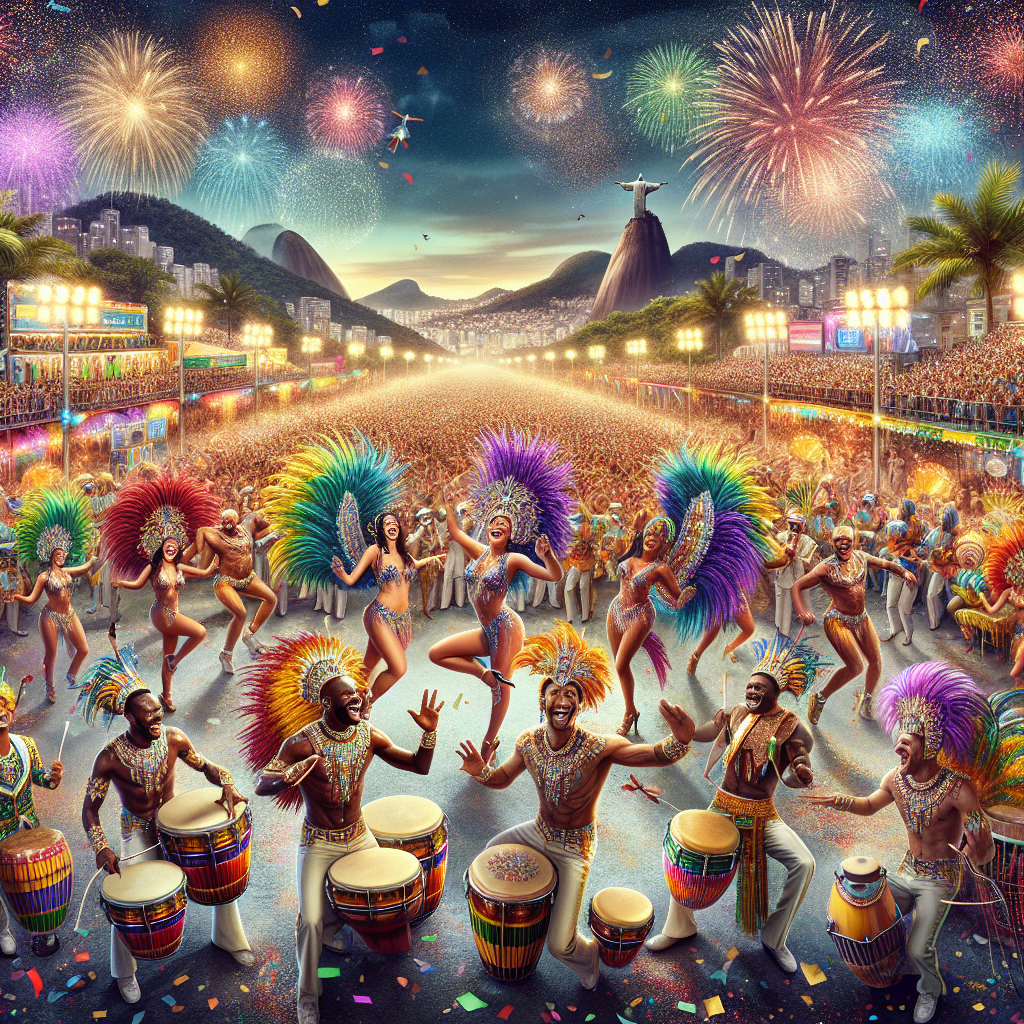
Every year, the city of Rio de Janeiro transforms into a vibrant, pulsating epicenter of festivities known worldwide. This momentous occasion is none other than the Carnival of Rio, a grand celebration deeply rooted in Brazilian culture and history. Bursting with exhilarating music, eye-catching costumes, and mesmerizing dance performances, the Rio Carnival is more than just a party; it’s a tribute to the Brazilian way of life, celebrating freedom, creativity, and community spirit.
The origins of the Carnival can be traced back to the 18th century. Initially, it was a series of masquerade balls and parades inspired by European pre-Lenten traditions. Over the years, however, it evolved into a unique celebration infused with Afro-Brazilian culture, reflecting the country’s rich ethnic diversity. Today, the Rio Carnival stands as a testament to Brazil’s ability to meld different cultural elements into a cohesive, magnificent festival.
The intricate music and dance routines of the Samba Parade are the centerpiece of Carnival. Held in the Sambadrome, this parade features samba schools from across Rio competing for the coveted title of Carnival champion. Months of planning, practice, and passion culminate in spectacular displays that leave both participants and spectators in awe.
But beyond the dazzling performances and costumes, the Rio Carnival embodies a deeper significance. It serves as a powerful outlet for the expression of cultural identity and social values. It is also an opportunity for the local communities to come together in celebration, transcending socio-economic barriers. As we delve deeper into the essence of this grand festival, we will explore the many facets that make the Carnival of Rio a singular phenomenon in the global cultural landscape.
The History and Evolution of Rio Carnival
The origins of Rio Carnival can be traced back to the Portuguese colonizers who brought the tradition of “Entrudo” to Brazil in the 17th century. Entrudo was a pre-Lenten festival filled with water fights and merrymaking, marking the start of Lent. Throughout the 18th and 19th centuries, this tradition evolved as European immigrants fused their customs, such as masked balls and parades, with African rhythms and dances brought by enslaved Africans.
By the late 19th century, Rio’s high society adopted and adapted these traditions, leading to the formation of the first Carnival societies, known as “Grandes Sociedades.” These elite groups organized lavish, formal parades, replete with elegant carriages and European-style music. At the same time, the working classes developed their own versions of Carnival celebrations, which were less formal but rich in cultural expression.
As the 20th century rolled in, Samba—a music and dance genre with African roots—emerged as the heartbeat of Carnival. Samba schools, or “Escolas de Samba,” were established in the city’s favelas (slums) and rapidly became the focal point of the Carnival. Each samba school represents a community and competes in the parade, showcasing elaborate themes through music, dance, and allegorical floats.
By the 1920s and 1930s, the samba parade had evolved into an organized competition with established judging criteria. The construction of the Sambadrome in 1984 provided a permanent, grand venue for the parade, elevating the status of the Carnival to new heights. Today, the Rio Carnival is a global event, attracting millions of tourists and participants, all eager to witness and partake in this unparalleled cultural extravaganza.
The Heartbeat of Carnival: Samba Schools
Samba schools are the essence of Rio Carnival, each representing a specific neighborhood or community. These organizations spend the entire year preparing for the Carnival, working tirelessly to perfect their performances. A samba school is like a microcosm of Brazilian society, encompassing musicians, dancers, designers, and artisans, all united by a common purpose: to tell their story through the medium of samba.
Each year, samba schools select a theme or “enredo” that forms the backbone of their parade. The theme can be historical, cultural, or social, often imbued with poignant messages and storytelling elements. Once the theme is chosen, every aspect of the parade, from the music and choreography to the costumes and floats, is meticulously designed to align with this narrative.
The preparation involves countless hours of practice and coordination. Musicians rehearse the samba songs, dancers perfect their routines, and craftsmen build the elaborate floats and sew dazzling costumes. The process is intensive and demanding but also incredibly rewarding, as it fosters a deep sense of community and pride.
During the parade, each samba school has approximately 80 minutes to showcase their performance to the judges and the audience. The judgment criteria include the quality of the music, the originality of the theme, the fluidity of the parade, and the overall visual impact. Winning the Carnival is a prestigious honor, bringing immense pride and recognition to the community the samba school represents.
Music and Dance: The Soul of the Carnival
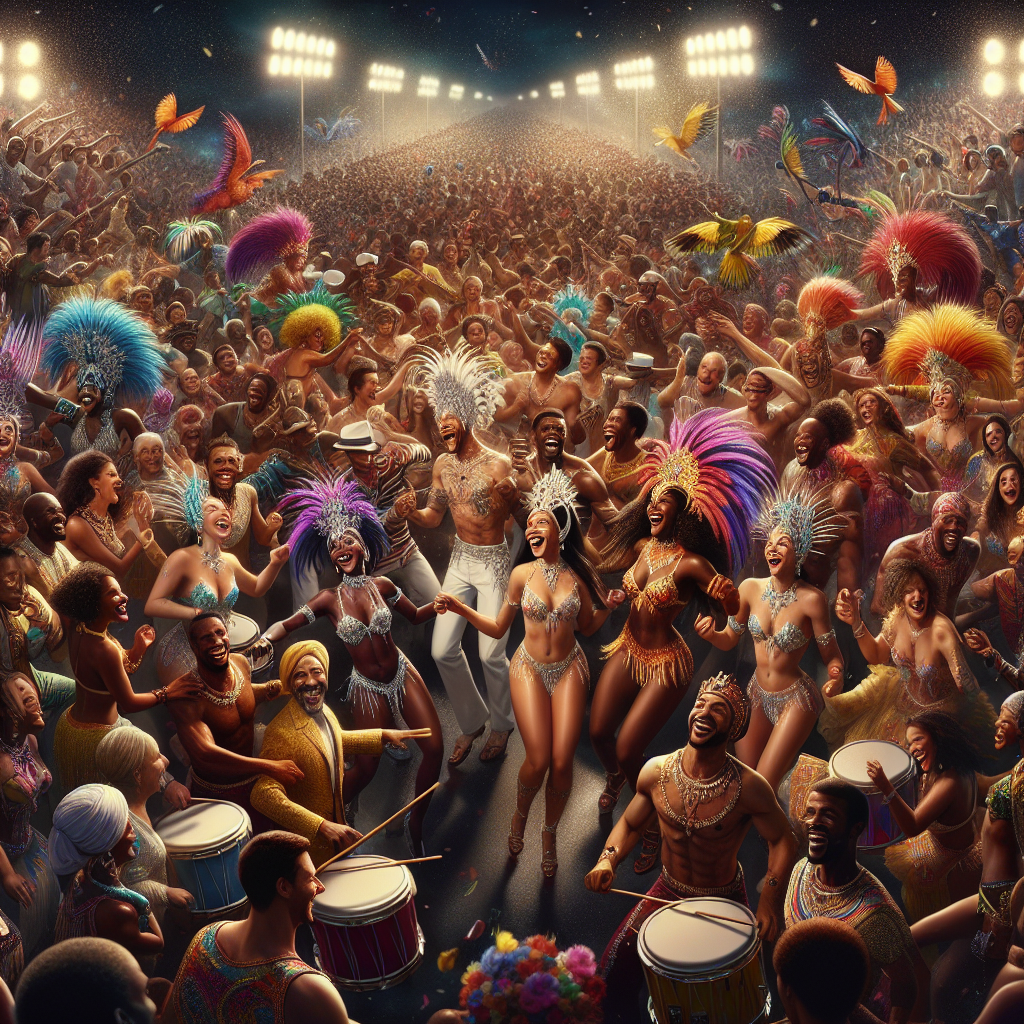
The Rio Carnival is a sensory feast, and at its core is the music and dance that bring it to life. Samba, with its infectious rhythms and joyful melodies, is the heartbeat of the festival. Originating from the Afro-Brazilian communities, samba embodies the spirit of resistance, resilience, and jubilation. The sounds of drums, tambourines, and cavaquinhos fill the air, creating an atmosphere of pure exhilaration.
Equally captivating are the dance performances. Samba dancers, known for their agility and grace, perform intricate routines that are both mesmerizing and energetic. Their costumes are adorned with feathers, sequins, and vibrant colors, transforming the streets into a kaleidoscope of visual delight. Each movement tells a story, blending tradition with contemporary influences, making the dance a powerful mode of cultural expression.
The highlight of the dance performances is the “Passista,” the lead dancer who embodies the essence of samba. With her stunning costume and electrifying moves, the passista leads the parade, captivating onlookers with her charisma and skill. The synchronization of hundreds of dancers moving in unison is a sight to behold, eliciting awe and admiration from spectators.
Beyond the samba, the Carnival also features diverse musical genres, including marchinhas (traditional Carnival march), axé, and funk carioca. Each adds a unique flavor to the festivities, enriching the cultural tapestry of the Carnival. The result is a harmonious blend of sounds and movements that resonate with the spirit of Brazil.
Carnival Beyond the Sambadrome
While the Sambadrome parade is the pinnacle of Rio Carnival, the celebration permeates every corner of the city. Street parties, known as “blocos,” take place throughout Rio, offering a more informal and spontaneous experience. These blocos are organized by local communities and feature live music, dancing, and colorful costumes, creating an inclusive and joyous atmosphere where everyone can participate.
Each bloco has its own theme and style, ranging from traditional to avant-garde. Some of the most famous blocos include “Cordão da Bola Preta,” the oldest street party, and “Banda de Ipanema,” known for its LGBTQ+ inclusivity. The blocos embody the spirit of Carnival, fostering a sense of camaraderie and collective euphoria that transcends social and economic divisions.
In addition to street parties, other cultural events and activities complement the Carnival experience. These include masquerade balls, like the glamorous “Baile do Copa” at the Copacabana Palace, and children’s parades, showcasing the next generation of samba talent. Art exhibitions, theater performances, and food festivals also abound, offering a comprehensive cultural immersion.
Rio’s entire economy benefits from the Carnival, with an influx of tourists contributing to local businesses, from hotels and restaurants to souvenir shops and tour operators. For the residents of Rio, the Carnival is not just a festivity but a crucial period of income generation and economic activity, further underscoring its significance in the city’s social and economic fabric.
The Global Impact of Rio Carnival
The Rio Carnival’s influence extends far beyond Brazil’s borders, earning it a revered spot on the global cultural stage. It is one of the most recognizable and anticipated festivals worldwide, drawing visitors from all corners of the globe. The Carnival is broadcast internationally, and its vibrant images and sounds captivate audiences, showcasing Brazil’s rich cultural heritage to the world.
This global fascination has spurred the establishment of similar festivals in cities such as London, New York, and Tokyo, where expatriate communities and enthusiasts celebrate their own versions of Carnival. These international carnivals blend local traditions with Brazilian elements, creating unique cultural fusions that highlight the universal appeal of the festivities.
Furthermore, the cultural exchange facilitated by the Carnival has fostered a deeper understanding and appreciation of Brazilian culture. Musicians, dancers, and artists from various backgrounds collaborate and draw inspiration from the Carnival, enriching their own art forms and practices. The festival thus serves as a bridge between cultures, promoting cross-cultural dialogue and creativity.
Philanthropic initiatives also benefit from the Carnival’s global reach. Several samba schools and Carnival organizations engage in social projects, using the platform to address issues such as poverty, education, and health. The international attention and support garnered by these initiatives underscore the festival’s potential to effect positive change and social development.
Conclusion
The Carnival of Rio de Janeiro is more than a festival; it is a living, breathing manifestation of Brazil’s soul. Its pulsating rhythms, dazzling colors, and jubilant spirit encapsulate the essence of Brazilian culture and identity. From its historical roots to its contemporary grandeur, the Carnival reflects the country’s resilience, creativity, and unity.
Through the samba schools’ dedicated efforts, the infectious music and dance, and the inclusive spirit of the blocos, the Carnival brings people together, transcending boundaries and fostering a sense of communal harmony. It is a powerful celebration of life, reflecting the joys, struggles, and aspirations of the Brazilian people.
As we celebrate the spectacle of the Rio Carnival, we are reminded of the universal power of tradition and festivity. The Carnival serves as a beacon of cultural pride and unity, inspiring people around the world to embrace their heritage and celebrate their collective humanity. It is a testament to the enduring magic of tradition and the boundless potential of human creativity and joy.