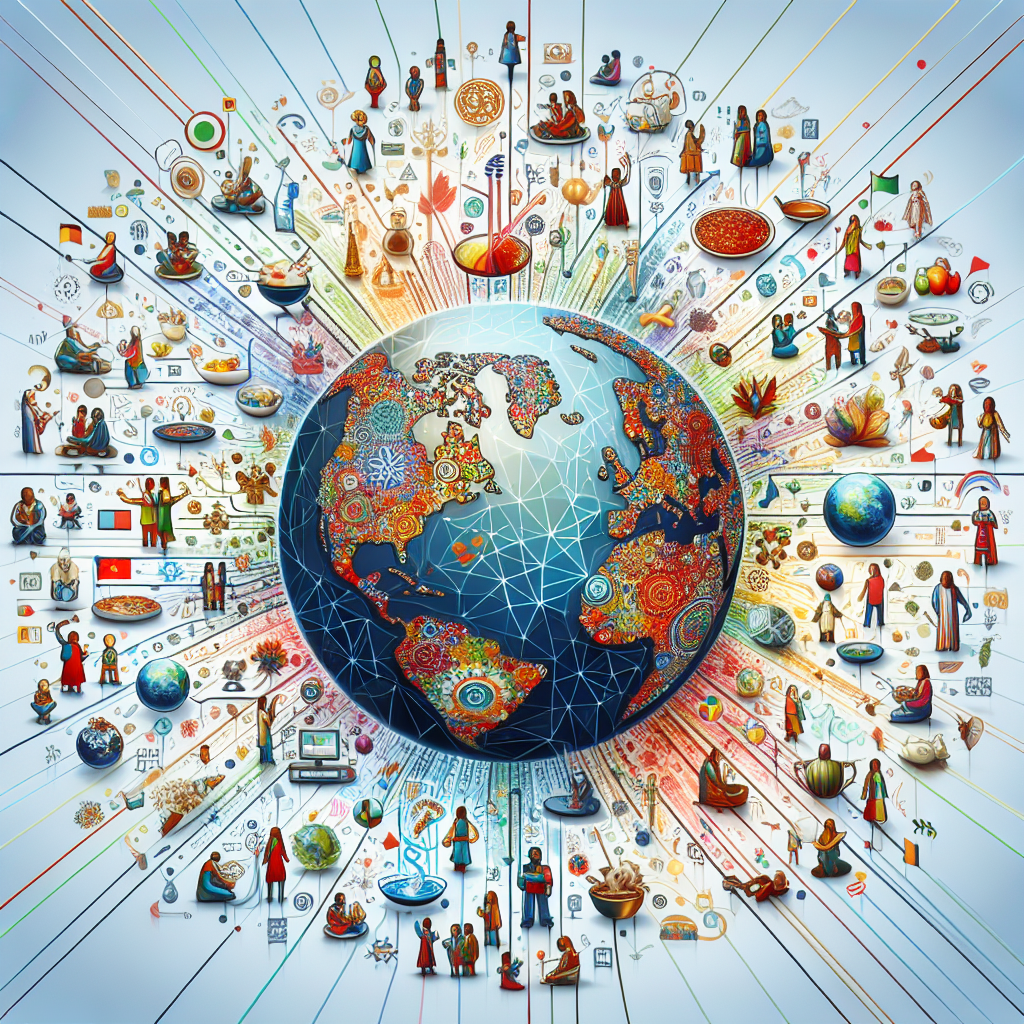
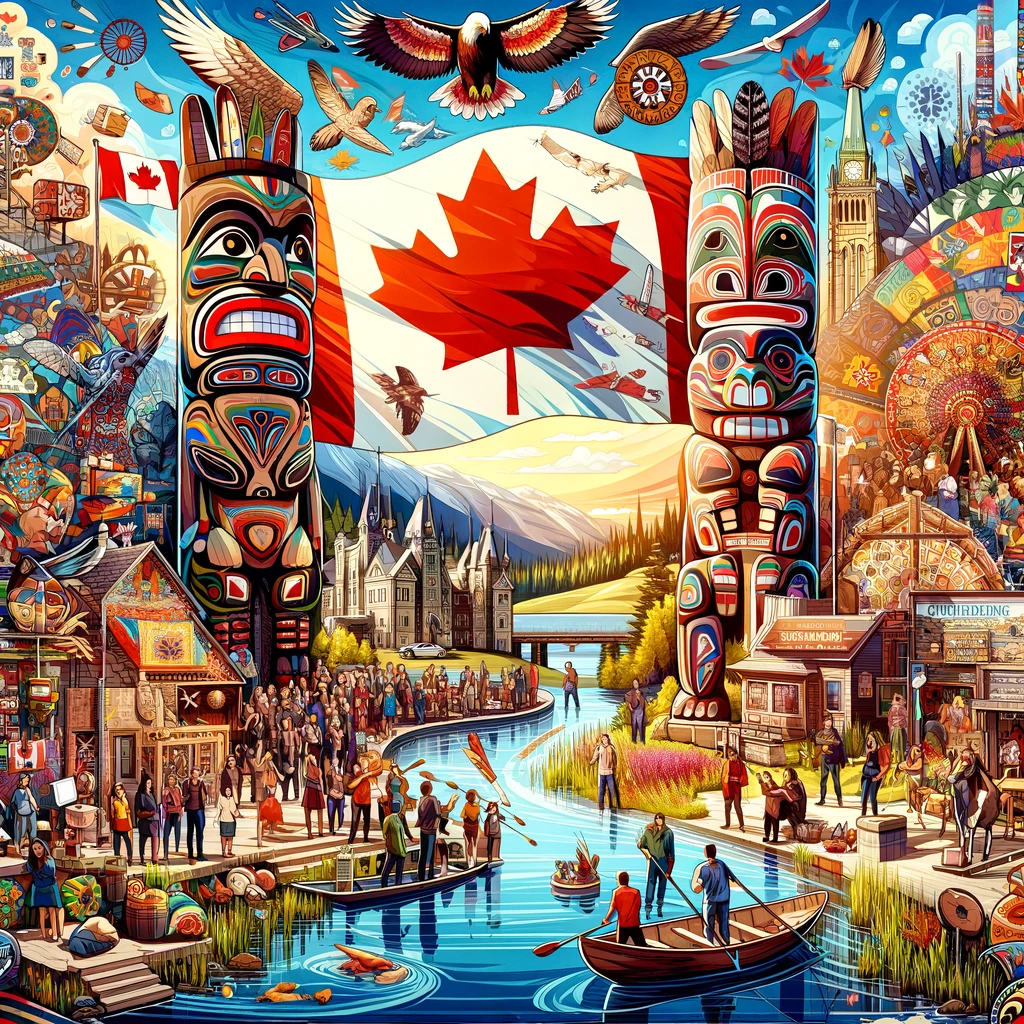
Storytelling has been an integral part of human existence, long before the advent of written language. Across the globe, every culture has its own way of storytelling, used not just for entertainment, but as a means of preserving history, imparting wisdom, and forging a sense of community. This article delves into the significance of storytelling across various cultures and how it plays a crucial role in the tapestry of human society.
The Roots of Storytelling
Historically, storytelling was the primary method of passing knowledge and cultural values from one generation to the next. In ancient times, stories were imbued with the experiences and wisdom of a community, often told around a communal fire or during significant community gatherings. These narratives served as the communal memory, ensuring that the history and lessons learned by one generation were not lost to the next.
Indigenous Cultures
In indigenous cultures, such as the Native Americans and Aboriginal Australians, storytelling is deeply embedded in their way of life. These stories often feature tales of creation, heroes, and moral lessons, intertwined with elements of the natural world. They serve a dual purpose: educating the young and preserving the culture’s connection to the past and the land.
African Storytelling
African storytelling is rich with oral traditions, where the Griots of West Africa are renowned for their role as storytellers, historians, and musicians. Their stories are not just for entertainment but are a way to preserve the history and genealogies of their people, often accompanied by music to enhance the experience.
Storytelling in Eastern Cultures
In Eastern cultures, storytelling has a long-standing tradition, particularly in countries like China, Japan, and India. In China, the art of storytelling has been present for centuries, ranging from epic narratives to philosophical tales. Japanese folklore, with its emphasis on spirits and nature, offers a unique perspective on the human condition. Indian epics like the Mahabharata and Ramayana are not just stories; they are integral parts of the cultural and religious identity of the people.
The Role of Mythology
Mythology forms a significant component of storytelling in many cultures. These myths, often involving gods, heroes, and mythical creatures, are more than just tales. They offer explanations for natural phenomena, societal norms, and convey moral values. Greek mythology, with its pantheon of gods and heroes, has been particularly influential, shaping much of Western literature and art.
Storytelling in Modern Context
In contemporary society, the tradition of oral storytelling may not be as prevalent, but the essence of storytelling is still alive through various mediums. Books, films, and digital media have become the new vehicles for storytelling, allowing for a broader reach and a different kind of engagement with audiences.
Digital Storytelling
The digital age has revolutionized the way stories are told and consumed. Digital storytelling combines traditional narrative with digital technology, offering interactive experiences to the audience. This has expanded the reach of storytelling, allowing for a more global exchange of stories and cultural experiences.
The Power of Film and Literature
Film and literature have taken up the mantle of storytelling in modern times. They have the power to transport audiences to different worlds, introduce them to different cultures, and offer different perspectives on universal themes like love, conflict, and identity.
The Educational Value of Storytelling
Storytelling is not just an art form; it is a powerful educational tool. Through stories, children learn language skills, critical thinking, and moral reasoning. In many cultures, stories are used to instill values and teach lessons about life, good and evil, bravery, and kindness.
Moral and Ethical Lessons
Many traditional stories have moral or ethical lessons at their core. These narratives often involve characters facing dilemmas or challenges, providing listeners with examples of how to deal with similar situations in their own lives.
The Social Impact of Storytelling
At its heart, storytelling is about connection and understanding. Through stories, people can share experiences and insights, fostering empathy and understanding across different cultures and societies.
Bridging Cultural Gaps
Storytelling can be a powerful tool in bridging cultural gaps. By sharing stories from different cultures, people gain insights into the lives, values, and traditions of others, promoting a sense of global community and understanding.
Preserving Cultural Identity
For many cultures, storytelling is crucial in preserving their identity and heritage. In an increasingly globalized world, these narratives serve as a reminder of a community’s history, traditions, and values.
Storytelling, in its many forms, remains a vital part of the human experience. It is a universal language that transcends borders and connects us to our past, to each other, and to the world around us.
As societies continue to evolve, the stories we tell and how we tell them will also change, but their importance in our cultural and personal identities will remain constant.
The art of storytelling, therefore, is not just a relic of the past but a beacon for the future, guiding us through the complexities of life and reminding us of our shared humanity.
Storytelling as a Cultural Bridge
The beauty of storytelling lies in its ability to act as a bridge between cultures. Stories have the power to transcend geographical and cultural boundaries, creating a shared human experience. When people from different cultures share their stories, it fosters understanding and respect, breaking down stereotypes and prejudices. This exchange of narratives enables individuals to see the world from different perspectives, promoting cultural diversity and inclusivity.
The Universal Themes in Stories
Despite the vast diversity of cultures, certain themes in storytelling are universal. Themes such as love, heroism, adventure, and overcoming adversity are found in stories from all corners of the globe. These universal themes resonate with people regardless of their cultural background, highlighting the commonalities in human experiences and emotions.
The Evolution of Storytelling in a Globalized World
In a globalized world, the evolution of storytelling is inevitable. The fusion of different cultural stories leads to the creation of new narratives that reflect the interconnectedness of our world. This blend of storytelling traditions not only enriches the art form but also reflects the dynamic nature of human cultures.
Impact of Technology on Storytelling
Advancements in technology have transformed the ways stories are told and shared. Digital platforms allow for instant sharing of stories across the globe, enabling storytellers to reach a wider audience than ever before. Social media, blogs, and podcasts have become new arenas for storytelling, where people can share their personal stories and experiences, contributing to a more diverse and inclusive narrative landscape.
The Healing Power of Storytelling
Storytelling also has a therapeutic aspect. It can be used as a tool for healing, allowing individuals to process their experiences and emotions. In many cultures, storytelling is used in healing rituals and as a form of therapy. By sharing their stories, individuals can find solace, understanding, and a sense of community.
Stories in Conflict Resolution
Storytelling plays a crucial role in conflict resolution and peacebuilding efforts. By sharing stories from different sides of a conflict, it opens pathways for empathy and understanding. This can lead to a greater awareness of the other’s perspective and pave the way for reconciliation and healing.
The Role of Storytelling in Education
In the realm of education, storytelling is an invaluable tool. It aids in teaching language, history, and social studies, making learning an engaging and interactive experience. Stories can simplify complex concepts and make them more relatable and understandable for students of all ages.
Cultural Education Through Stories
Storytelling is an effective way to educate individuals about different cultures. By exposing students to stories from various parts of the world, they gain insights into the customs, traditions, and ways of life of people from those cultures. This fosters cultural awareness and sensitivity from a young age.
The Future of Storytelling
As we look to the future, the art of storytelling will continue to evolve and adapt. With the advent of virtual reality and augmented reality technologies, storytelling is set to become more immersive and interactive. This will not only change how stories are told but also how they are experienced, offering new and exciting ways to engage with narratives.
Preserving Traditional Storytelling
While embracing technological advancements, it is also essential to preserve traditional forms of storytelling. Efforts to document and keep alive oral traditions and folktales are crucial in maintaining the richness and diversity of global storytelling traditions.
Conclusion
The art of storytelling is a testament to the creativity and resilience of human culture. It bridges gaps between generations and societies, fosters empathy and understanding, and helps preserve cultural heritage. As the world continues to change, storytelling will undoubtedly adapt, but its essence will remain the same: to connect us, to teach us, and to enrich our lives with the power of shared narratives.
Storytelling, in all its forms, is more than just entertainment. It is a vital thread in the fabric of human culture, weaving together the past, present, and future. It reminds us of our shared humanity and the endless possibilities that lie in the simple act of telling a story.