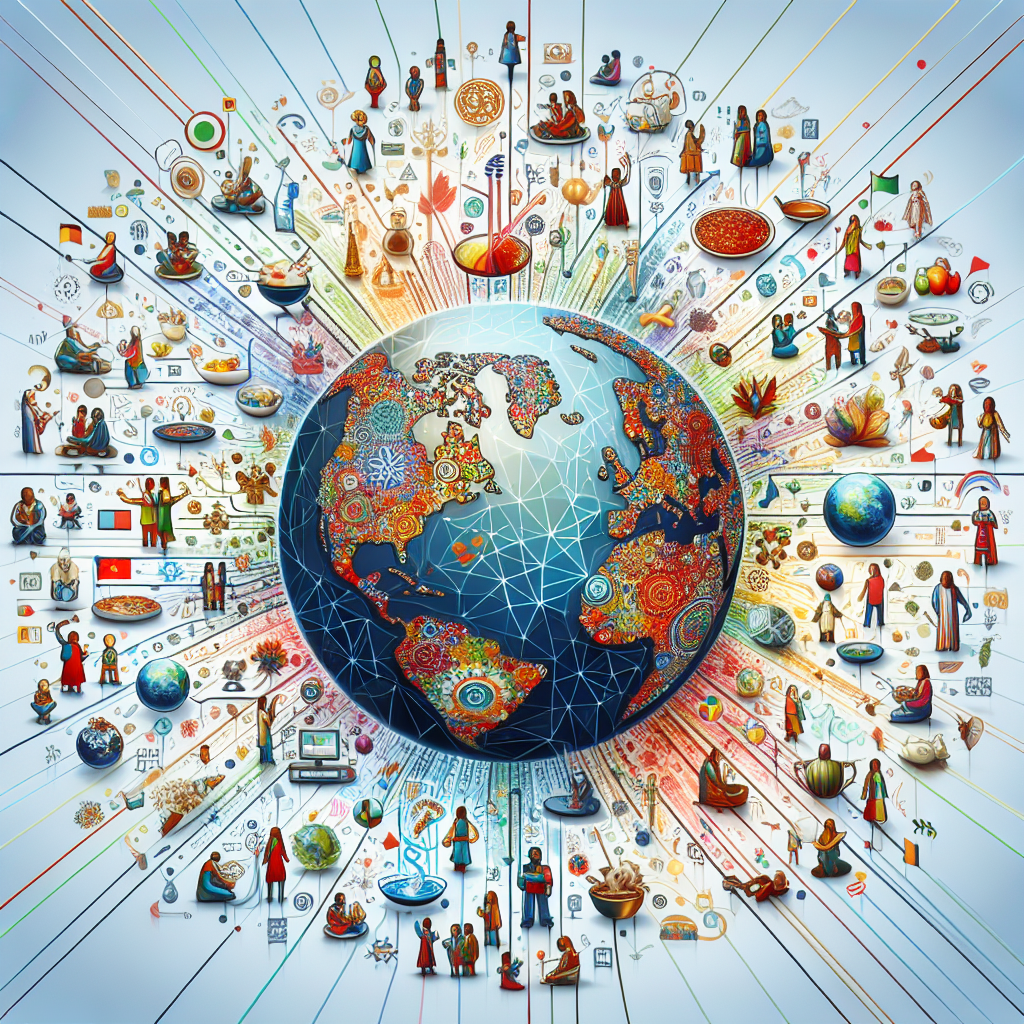
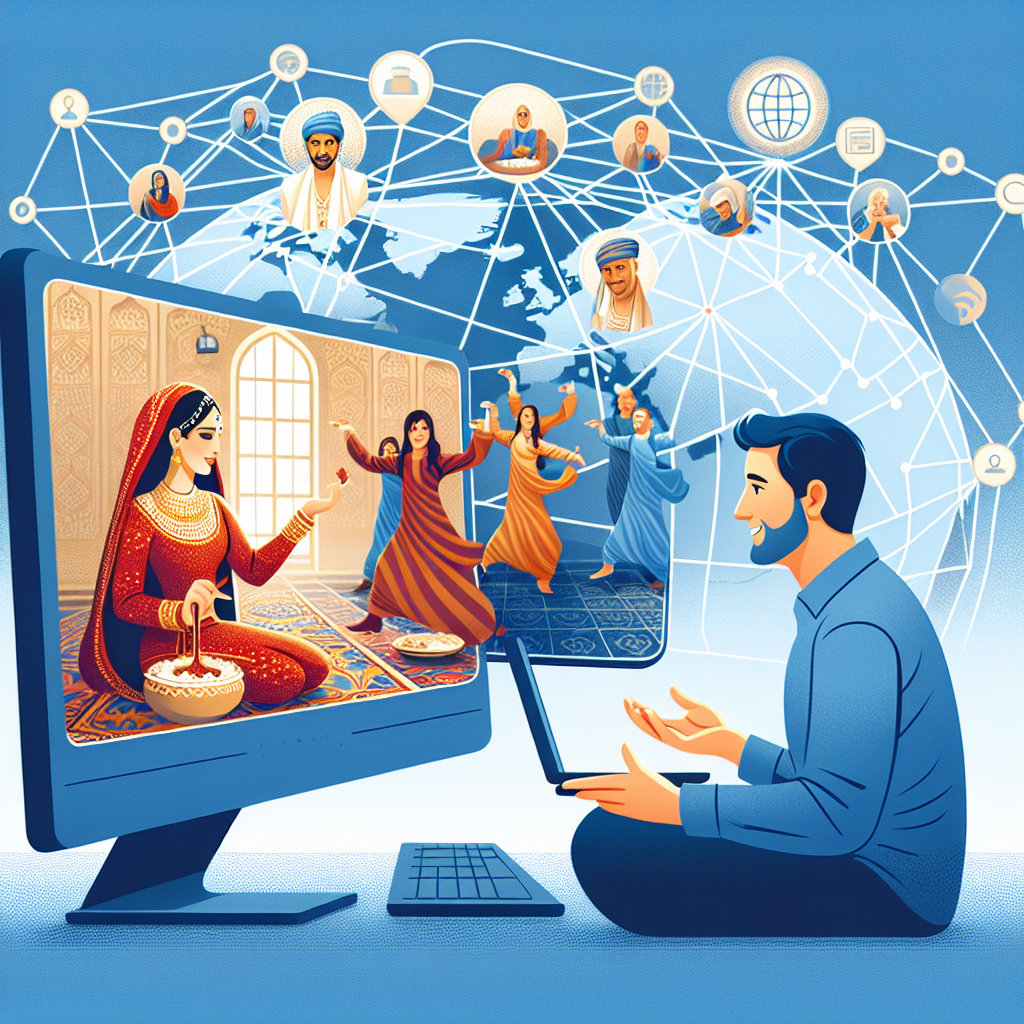
In our increasingly interconnected world, the internet plays a pivotal role in cultural exchange. From social media platforms to online forums and virtual events, the internet has revolutionized how we share and experience different cultures. This article delves into the ways the internet facilitates cultural exchange, its impact on global understanding, and the challenges that come with it.
Bridging Cultural Gaps
One of the most significant impacts of the internet is its ability to bridge cultural gaps. People from different parts of the world can now communicate and interact in real-time, sharing their traditions, beliefs, and lifestyles. Social media platforms like Facebook, Instagram, and Twitter are hotbeds of cultural exchange, where users post about their daily lives, cultural festivities, and personal opinions.
Example:
Consider the viral trends on platforms like TikTok. A dance originating in one country can quickly spread globally, with people from various cultures putting their own spin on it. This kind of interaction not only spreads cultural practices but also fosters a sense of global community.
Access to Diverse Perspectives
The internet offers unparalleled access to diverse perspectives. News websites, blogs, and video-sharing platforms provide insights into how different cultures perceive various global issues. This exposure helps break down stereotypes and promotes a more nuanced understanding of the world.
Case in Point:
YouTube channels dedicated to cultural exploration, such as travel vlogs or cooking shows featuring traditional recipes, offer viewers a window into different ways of life. By watching these videos, people can gain a deeper appreciation for cultures they might not encounter in their everyday lives.
Virtual Communities and Forums
Online communities and forums serve as gathering places for people with shared interests, regardless of their geographical location. These virtual spaces allow individuals to discuss cultural topics, share experiences, and learn from each other.
Example:
Reddit hosts numerous communities (subreddits) dedicated to specific cultures, languages, and traditions. Users can ask questions, share stories, and participate in discussions that enhance their understanding of different cultures.
Education and Language Learning
Educational platforms and language learning apps have also contributed significantly to cultural exchange. Websites like Coursera and Duolingo provide courses and resources that help users learn new languages and understand different cultures.
Impact:
Learning a new language opens the door to understanding the culture associated with it. Language learners often gain insights into cultural norms, idiomatic expressions, and historical contexts, fostering a deeper connection with the people and traditions of that culture.
Virtual Cultural Events
The COVID-19 pandemic accelerated the adoption of virtual cultural events, making cultural experiences more accessible than ever. From virtual museum tours to online concerts and festivals, the internet has made it possible for people to experience cultural events from the comfort of their homes.
Example:
The Louvre Museum in Paris offers virtual tours of its exhibits, allowing art enthusiasts from around the world to explore its collections. Similarly, international film festivals often stream films online, reaching a global audience and promoting cultural exchange through cinema.
Challenges of Online Cultural Exchange
While the internet has undoubtedly facilitated cultural exchange, it also presents several challenges. One major concern is the risk of cultural appropriation, where elements of a culture are taken out of context and used inappropriately. Additionally, the spread of misinformation and stereotypes can exacerbate cultural misunderstandings.
Addressing the Challenges:
Promoting respectful cultural exchange involves educating internet users about the importance of cultural sensitivity and the need to approach other cultures with an open mind and a willingness to learn. Content creators and influencers play a crucial role in this by setting a positive example and encouraging their audiences to respect cultural differences.
The Future of Cultural Exchange
The future of cultural exchange on the internet looks promising, with technological advancements poised to enhance our ability to connect with and understand different cultures. Virtual reality (VR) and augmented reality (AR) technologies, for example, have the potential to create immersive cultural experiences that bring people closer together.
Potential Developments:
- Virtual Reality (VR): Imagine attending a traditional Japanese tea ceremony or exploring the streets of an Italian city in a fully immersive VR environment. Such experiences can provide a deeper understanding of cultural practices and environments.
- Augmented Reality (AR): AR can overlay cultural information onto real-world environments, enhancing cultural experiences. For instance, visiting a historical site could be enriched with AR guides providing historical context and cultural insights.
The internet has transformed the way we engage with and understand different cultures. By bridging cultural gaps, providing access to diverse perspectives, and facilitating virtual communities and events, the internet promotes global understanding and unity. However, it is crucial to approach cultural exchange with respect and sensitivity to avoid the pitfalls of cultural appropriation and misinformation. As technology continues to evolve, the potential for even more profound and meaningful cultural exchanges is immense, paving the way for a more interconnected and harmonious world.
Enhancing Cross-Cultural Collaboration
The internet has also been instrumental in enhancing cross-cultural collaboration in various fields such as education, business, and the arts. Online platforms and tools have made it easier for individuals and organizations from different cultural backgrounds to work together on projects, share knowledge, and achieve common goals.
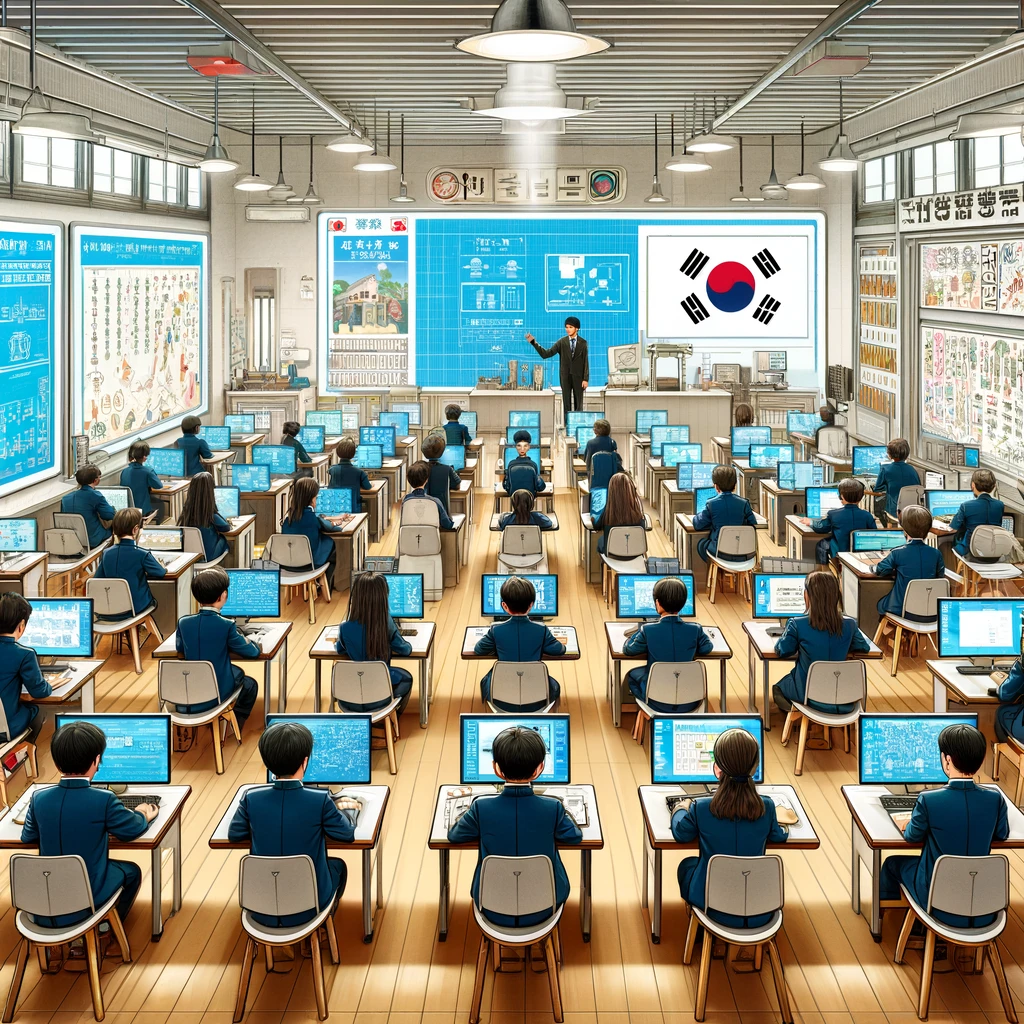
Example: In the field of education, platforms like Zoom and Google Meet have facilitated virtual classrooms where students from different countries can learn together. These virtual classrooms offer a unique opportunity for cultural exchange, as students share their perspectives and learn about each other’s cultures.
In Business: The rise of remote work has enabled companies to build diverse teams that span multiple countries and cultures. This diversity brings a range of viewpoints and ideas, fostering innovation and creativity. Businesses can also expand their reach and understand new markets better by engaging with different cultural backgrounds.
Promoting Cultural Heritage
The internet has become a valuable tool for preserving and promoting cultural heritage. Digital archives, online museums, and virtual exhibitions provide access to cultural artifacts and historical records that might otherwise be inaccessible to the public. This digital preservation helps protect cultural heritage from the ravages of time and conflict.
Example: The British Museum and other institutions have created extensive digital archives of their collections, allowing people worldwide to explore artifacts and learn about history and culture. This not only educates the public but also ensures that cultural heritage is preserved for future generations.
Encouraging Empathy and Tolerance
Exposure to different cultures through the internet can also foster empathy and tolerance. By learning about the experiences and struggles of people from other cultures, individuals can develop a deeper understanding and appreciation for diversity. This can lead to greater acceptance and reduced prejudice.
Case in Point: Social media campaigns that highlight global issues, such as the refugee crisis or racial injustice, can raise awareness and encourage people to support humanitarian efforts. By seeing the human side of these issues, people are more likely to empathize with those affected and advocate for positive change.
Supporting Minority and Indigenous Cultures
The internet has provided a platform for minority and indigenous cultures to share their stories, traditions, and languages with a global audience. This visibility can help combat the marginalization of these cultures and promote their preservation and appreciation.
Example: Indigenous groups in Australia and North America have used social media and websites to share their cultural practices, languages, and histories. This not only educates others but also empowers these communities by giving them a voice on a global stage.
The Role of Digital Media
Digital media, including podcasts, blogs, and streaming services, has become a major avenue for cultural exchange. Content creators from different backgrounds can reach a global audience, sharing their unique perspectives and stories.
Impact: Podcasts like “Rough Translation” explore how global issues are perceived and addressed in different cultures, providing listeners with a broader understanding of the world. Streaming services like Netflix offer a diverse range of international films and series, exposing viewers to different storytelling traditions and cultural narratives.
Fostering Global Movements
The internet has played a crucial role in fostering global movements for social, political, and environmental change. Online platforms have enabled activists from different cultures to connect, collaborate, and amplify their voices, creating a powerful force for change.
Example: The #MeToo movement, which began in the United States, quickly spread globally through social media, with women from different cultures sharing their experiences and calling for an end to sexual harassment and assault. This movement highlights how the internet can unite people across cultures to address common issues.
Conclusion: Embracing the Digital Age of Cultural Exchange
The internet has undoubtedly revolutionized cultural exchange, offering unprecedented opportunities for people to connect, learn, and collaborate across cultural boundaries. By providing access to diverse perspectives, facilitating cross-cultural collaboration, and promoting cultural heritage, the internet has become a powerful tool for fostering global understanding and unity.
However, it is essential to navigate this digital age with awareness and sensitivity. Respecting cultural differences, combating misinformation, and addressing the challenges of cultural appropriation are crucial steps toward ensuring that the internet remains a positive force for cultural exchange.
As technology continues to advance, the potential for even deeper and more meaningful cultural exchanges will grow. Embracing these opportunities with an open mind and a respectful approach will pave the way for a more interconnected and harmonious world, where cultural diversity is celebrated, and global understanding thrives.
The internet’s role in cultural exchange is a testament to the power of connectivity and the human desire to learn from and about each other. By leveraging this digital tool effectively, we can continue to bridge cultural gaps and create a more inclusive and empathetic global community.