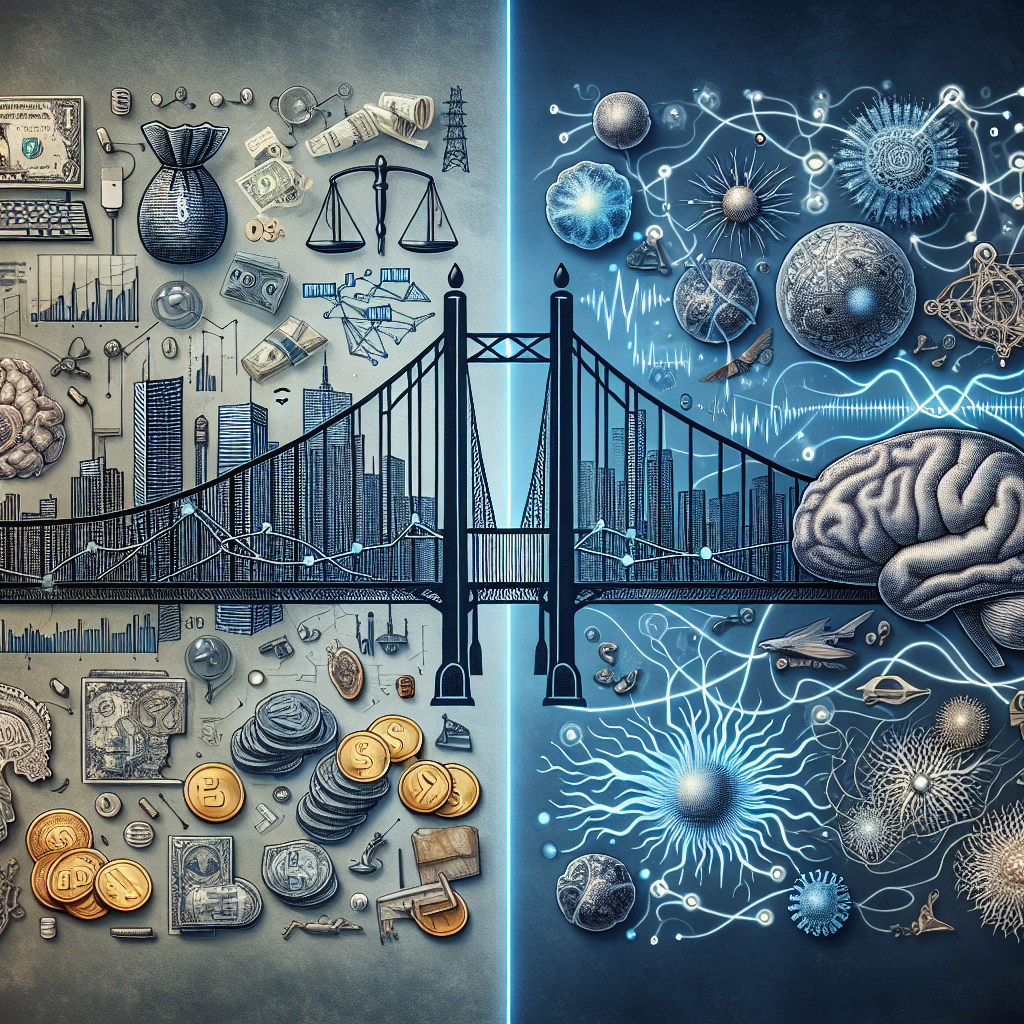
Trust is a fundamental element in economic transactions and exchanges. Whether between individuals, corporations, or nations, trust lowers the cost of transactions, quickens the pace of exchanges, and ultimately boosts economic prosperity. However, traditional economic theories often simplify human behavior and overlook the complexity of trust. Behavioral economics, on the other hand, brings a nuanced perspective to understanding how trust operates in economic interactions. By considering psychological and social factors, behavioral economists illuminate why trust is not just a feature of the ideal market but a requirement for real-world economic success.
In this article, we will explore the intricate relationship between trust and economic exchange through the lens of behavioral economics. We will delve into the role of trust in market dynamics and examine how emotional, cognitive, and social aspects influence economic decisions. Additionally, we will discuss real-world applications of these concepts and the profound effect of trust, or lack thereof, on both small-scale transactions and global economies. Join us as we unravel the behavioral threads that weave the fabric of economic trust and exchange.
The Role of Trust in Market Dynamics
Trust in markets is akin to the lubricant in an engine; it enables the smooth functioning of economic transactions. In a high-trust environment, individuals and businesses are more likely to engage in trade, invest resources, and collaborate on projects. This is primarily because trust reduces the perceived risk associated with exchanges, making participants more comfortable with agreements and contracts.
Consider a simple example: purchasing a product online. A buyer trusts that the seller will deliver a product that matches the description and that the platform guarantees a secure transaction. Without this trust, the buyer would likely refrain from making any online purchases, stalling the growth of e-commerce. This principle applies universally, from local markets to global trade agreements.
Behavioral economics suggests that trust in markets is influenced by past interactions, reputation, and social norms. Positive experiences and reliable performances build trust over time, encouraging repeat transactions. Conversely, breaches of trust can have severe repercussions, undermining confidence and deterring future exchanges. Therefore, sustaining trust is critical for maintaining the health and efficiency of markets.
Emotional and Cognitive Influences on Trust
One of the core tenets of behavioral economics is that human decisions are not always rational; emotions and cognitive biases significantly influence economic behavior. Trust is no exception. Emotions like hope, fear, and optimism shape our propensity to trust others in economic exchanges. For instance, during economic booms, heightened optimism can lead to increased trust and investment activities. Conversely, in times of economic downturn, fear and uncertainty may erode trust and reduce market participation.
Cognitive biases, such as the availability heuristic, also affect trust. People tend to base their trust on recent experiences or easily recalled events. If someone recently encountered a scam, their trust in similar transactions diminishes, even if the statistical probability of another scam is low. Behavioral economics helps to understand these tendencies and provides frameworks to mitigate their adverse effects.
Acknowledging these emotional and cognitive influences, businesses and policymakers can design strategies to foster trust. Transparent communication, consistent performance, and building long-term relationships are some methods that can counterbalance the irrational elements of trust. By addressing the human aspects of trust, we can create stronger and more reliable economic systems.

Social and Cultural Dimensions of Trust
Trust is not solely an individualistic trait; it is deeply embedded in social and cultural contexts. Behavioral economics examines how social norms, community values, and cultural beliefs shape trust in economic interactions. In collectivist cultures, where community welfare is paramount, trust levels in economic exchanges may be higher than in individualistic societies, where personal gain dominates.
Social networks also play a crucial role. People often rely on recommendations and endorsements from trusted individuals within their network to navigate economic decisions. This network-based trust can extend to businesses and brands, significantly influencing consumer behavior. Companies often leverage social proof, such as customer reviews and ratings, to build trust with potential clients.
Cultural dimensions further complicate trust dynamics. What builds trust in one culture may not be effective in another. For instance, direct communication might foster trust in some cultures, while others may value indirect and nuanced interactions. Understanding these cultural variations can enhance international business strategies and foster global economic exchanges.
Trust and Institutional Frameworks
Institutions and regulatory frameworks play a pivotal role in establishing and maintaining trust in economic systems. Governments, legal systems, and financial institutions provide the necessary foundation for trust by ensuring law enforcement, property rights, and transparent financial practices. When institutions are perceived as reliable and fair, they enhance overall trust in the economic environment.
Behavioral economists study how institutional trust impacts economic behavior. For example, in countries with strong legal frameworks and low corruption levels, businesses and individuals are more likely to engage in economic activities, secure in the knowledge that their rights and interests are protected. Conversely, in regions with weak institutions, the lack of trust can stifle economic growth and innovation.
Moreover, the role of institutions extends to crisis management. During economic crises, people’s trust in institutions can determine the speed and effectiveness of recovery. Transparent communication, consistent policies, and responsible governance are crucial for maintaining trust during turbulent times. Institutional trust thus becomes a cornerstone for economic resilience.
Case Studies: Trust in Action
Let’s explore some real-world examples to see how trust intersects with behavioral economics in economic exchanges.
Case Study 1: Microfinance in Developing Countries
Microfinance initiatives have shown that trust is vital for financial inclusion. These programs often rely on social trust within communities to extend credit to individuals who lack traditional collateral. Peer groups and social contracts ensure repayment, demonstrating how trust can drive economic empowerment and development.
Case Study 2: The Sharing Economy
Platforms like Airbnb and Uber thrive on trust between strangers. Ratings and reviews build a trust-based system where users can make informed decisions. Behavioral economics helps explain how trust mechanisms on these platforms mitigate risks and facilitate widespread adoption.
Case Study 3: Corporate Social Responsibility (CSR)
Companies that engage in CSR projects often build significant trust with their stakeholders. For instance, Patagonia’s commitment to environmental sustainability has earned consumer trust and loyalty. Behavioral economics shows that when companies align with social values, they foster trust and long-term profitability.
Building Trust for Future Economic Exchange
Looking ahead, building and maintaining trust will be more critical than ever. The rapidly evolving digital economy, the rise of artificial intelligence, and increasing globalization present both opportunities and challenges for economic trust. One key area is the use of blockchain technology to enhance transparency and reduce fraud. By providing immutable records of transactions, blockchain can revolutionize trust in digital exchanges.
Another trend is the importance of ethical leadership in building trust. Leaders who demonstrate integrity, transparency, and accountability are more likely to foster trust both within and outside their organizations. Behavioral economics provides tools to understand the traits and behaviors that can enhance leadership trustworthiness.
Finally, fostering trust in a diverse and multicultural world requires inclusive strategies that recognize and respect different cultural norms and values. As businesses and economies become more interconnected, cross-cultural competence will be essential for building trust in global economic interactions.
Conclusion
Trust is undeniably a cornerstone of economic exchange, underpinning everything from local transactions to global trade. By integrating insights from behavioral economics, we gain a deeper understanding of the emotional, cognitive, social, and institutional factors that shape trust. This comprehensive perspective aids in creating strategies that enhance trust and foster robust economic interactions.
As we navigate the complexities of the modern economy, recognizing the importance of trust and applying behavioral principles can lead to more resilient and prosperous economic systems. Whether through building transparent institutions, leveraging social networks, or addressing cognitive biases, there are numerous avenues to cultivate trust in economic exchanges.
In the evolving landscape of global commerce, trust will remain indispensable. By embracing behavioral economics, we can better navigate the intricacies of trust and harness its power to drive economic success now and into the future.