In a world where modern medicine dominates healthcare conversations, Traditional Chinese Medicine (TCM) holds its ground as a holistic and deeply philosophical approach to health and wellness. Rooted in ancient Chinese culture, TCM is not just a method of treating illnesses but a comprehensive lifestyle philosophy promoting harmony between the body, mind, and environment.
The Roots of Traditional Chinese Medicine
Traditional Chinese Medicine’s origins trace back over 2,000 years, intertwining with Taoist and Buddhist philosophies. The central tenet of TCM is the concept of Qi (pronounced ‘chi’), a life force or energy flow that maintains the body’s balance. Illness, according to TCM, is a result of Qi imbalance or blockage.
Key Components of TCM
TCM encompasses several practices, each unique yet interconnected:
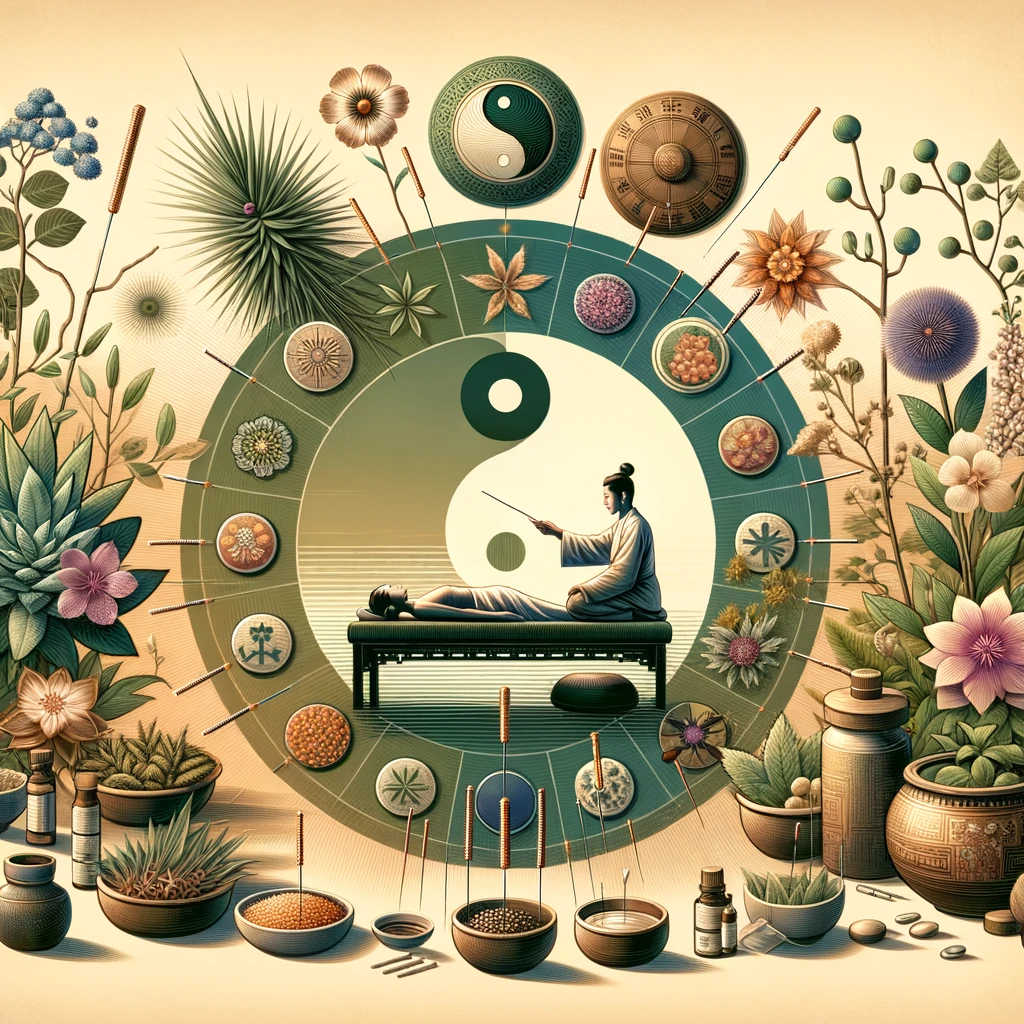
- Herbal Medicine: Involving the use of natural plants, minerals, and even animal products, herbal medicine in TCM is about combining ingredients to restore balance to the body’s Qi.
- Acupuncture: Perhaps the most internationally recognized aspect of TCM, acupuncture involves inserting fine needles at specific points on the body to stimulate Qi flow and restore balance.
- Tai Chi and Qigong: These are movement-based practices that combine exercise, meditation, and controlled breathing to enhance Qi flow.
- Dietary Therapy: TCM emphasizes the importance of a balanced diet, tailored to individual needs, to prevent and treat illnesses.
- Tui Na Massage: A therapeutic form of massage that stimulates Qi flow and helps to balance the body’s energy.
The Philosophy of Balance
At the heart of TCM is the principle of Yin and Yang. These two opposite yet complementary forces are believed to exist in everything. Health, in TCM’s view, is a state where Yin and Yang are in balance. When these forces become unbalanced, it leads to disease.
Diagnosis in TCM
TCM practitioners use unique diagnostic methods, focusing on observation, listening, questioning, and pulse-taking. Diagnosis is a holistic process, considering physical, emotional, and environmental factors.
The Role of the Environment
TCM holds that our health is deeply connected to our environment. The practice emphasizes living in harmony with natural cycles and seasons, advocating for lifestyle and dietary changes as per these external changes.
Case Studies and Examples
Many who have turned to TCM report significant improvements in conditions like chronic pain, digestive issues, and stress-related disorders. TCM’s approach to treating the whole person rather than just symptoms is a key factor in its effectiveness.
TCM in the Modern World
TCM’s integration into modern healthcare varies globally. In China, it is an integral part of the healthcare system, while in the West, it is often considered complementary or alternative medicine.
Challenges and Criticisms
Despite its popularity, TCM faces challenges, particularly in the realms of scientific validation and standardization. Critics point out the lack of rigorous clinical trials for many TCM practices. There’s also concern about the sustainability and ethical sourcing of some herbal medicines.
Bridging the Gap
There’s a growing interest in integrating TCM with Western medicine. This integrative approach can offer a more comprehensive treatment strategy, acknowledging the benefits of both systems.
TCM for Wellness and Prevention
TCM places a strong emphasis on prevention. Practices like Tai Chi, dietary therapy, and herbal supplements are used not just for healing but for maintaining overall health and preventing illness.
Learning and Practicing TCM
For those interested in exploring TCM, there are many resources available, from books and online courses to practitioners and wellness centers.
The Intersection of Mind, Body, and Spirit
One of the most intriguing aspects of Traditional Chinese Medicine is its view on the interconnectedness of the mind, body, and spirit. Unlike Western medicine, which often treats symptoms in isolation, TCM seeks to address the root causes of illness, understanding that emotional, mental, and physical health are inextricably linked.
TCM and Chronic Conditions
TCM has shown promise in managing chronic conditions, where conventional medicine sometimes struggles. For instance, acupuncture and herbal remedies are often used in managing chronic pain, providing relief without the side effects associated with long-term use of pharmaceutical painkillers.
The Role of Practitioners
TCM practitioners undergo extensive training in understanding the subtle nuances of this complex medical system. They learn not just the technical aspects of TCM therapies but also how to read the body’s signals and tailor treatments to individual needs.
Personalized Medicine
Personalization is key in TCM. Practitioners consider a person’s constitution, lifestyle, and emotional state, making each treatment uniquely suited to the individual. This bespoke approach is increasingly appealing in an era where personalized medicine is gaining traction.
TCM and Mental Health
TCM’s holistic approach extends to mental health. Practices like acupuncture and Tai Chi have been found beneficial in reducing symptoms of stress, anxiety, and depression, promoting an overall sense of well-being.
TCM in Preventive Health
Prevention is better than cure – a principle deeply ingrained in TCM. Regular practice of Tai Chi, Qigong, and a balanced diet are recommended to maintain health and prevent diseases.
The Scientific Lens
There’s growing scientific interest in TCM. Research, particularly on acupuncture and certain herbs, has shown positive results, lending credibility to these practices. However, there’s still a need for more comprehensive, high-quality studies.
Sustainability and Ethical Practices
As TCM gains popularity, there’s a heightened need for sustainable and ethical practices, particularly in herbal medicine. Efforts are being made to ensure that herbs are sourced responsibly, without harming the environment or depleting natural resources.
The Global Spread of TCM
TCM’s reach is now global. Its adoption and integration into healthcare systems worldwide demonstrate a growing recognition of its value. However, this spread also requires careful regulation to ensure safe and effective practices.
The Future of TCM
The future of TCM lies in its ability to adapt and evolve. By embracing scientific research and integrating with modern healthcare, while staying true to its ancient roots, TCM can continue to play a vital role in global health.
Educational Pathways
For those interested in learning more, numerous educational pathways exist, ranging from academic courses to apprenticeships with experienced practitioners. These programs offer deep dives into the theory and practice of TCM.
Overcoming Language and Cultural Barriers
Language and cultural differences can be barriers to understanding TCM. Efforts are being made to translate ancient texts and teachings into multiple languages, making TCM more accessible to a global audience.
The Role of Technology
Technology also plays a role in advancing TCM. From apps that help locate acupuncture points to online platforms for learning Tai Chi, technology is making TCM more accessible.
Integrating TCM in Daily Life
Adopting TCM practices doesn’t always require drastic changes. Simple incorporations like mindful eating, regular exercise, and stress management techniques can bring TCM principles into daily life.
TCM for All Ages
TCM is adaptable for all ages, offering health benefits for children, adults, and the elderly. Its gentle, non-invasive nature makes it suitable for a wide range of people.
Conclusion
Traditional Chinese Medicine is more than just a medical system; it’s a holistic approach to living. As we seek more balanced, integrated ways of managing health and wellness, the principles of TCM offer valuable insights. By blending ancient wisdom with modern practices, TCM continues to be a relevant and powerful tool in our journey towards holistic health.