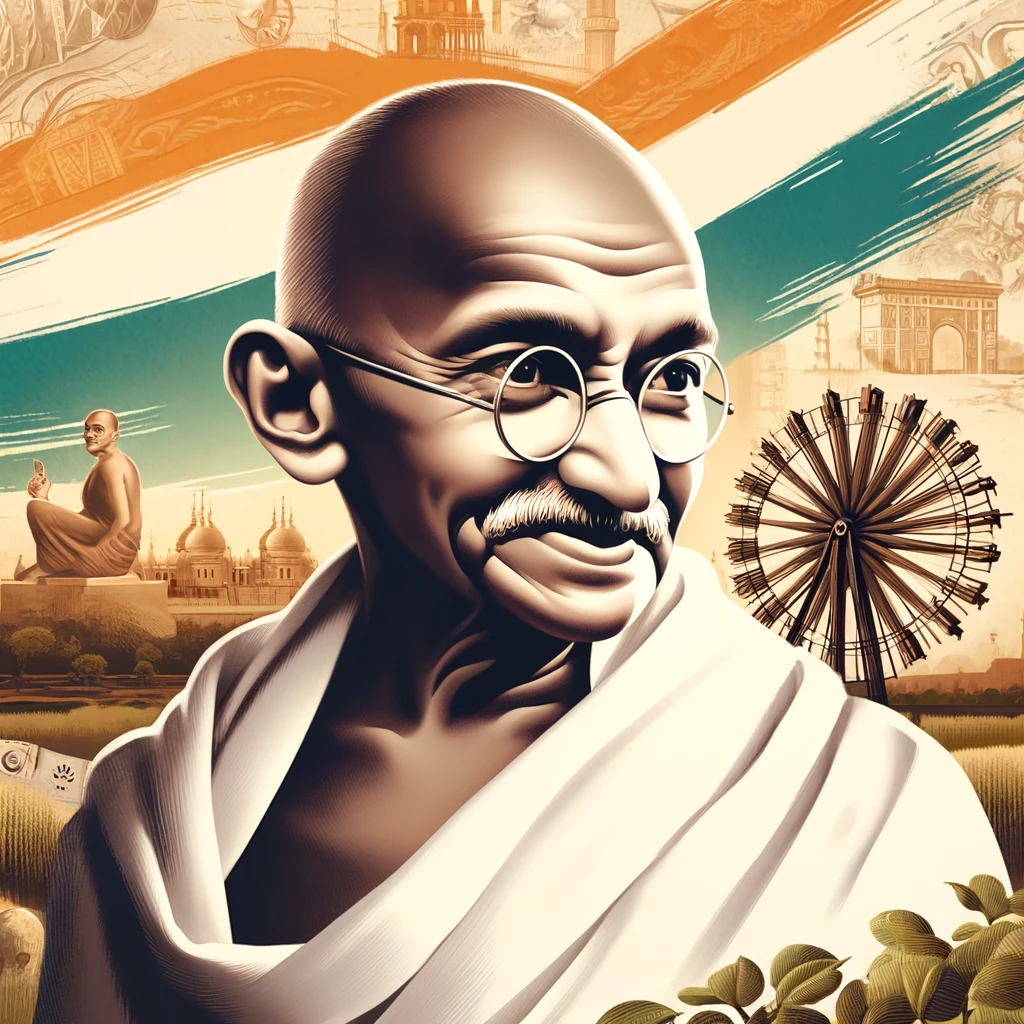

When discussing important figures in the history of human rights movements, Cesar Chavez stands out as a pivotal character. Born on March 31, 1927, in Yuma, Arizona, Chavez emerged as a dynamic and influential leader who dedicated his life to advocating for the rights of farm workers. His efforts catalyzed change and brought to light the harsh working conditions and unfair treatment that plagued agricultural laborers in the United States. Chavez, relying on nonviolent methods inspired by Mahatma Gandhi and Dr. Martin Luther King Jr., put the plight of farm workers into the national conscience, leading to significant reforms and improvements.
Chavez’s upbringing laid the groundwork for his lifelong commitment to social justice. He grew up amid the Great Depression, experiencing firsthand the struggles of migrant farm worker families. These early experiences with economic hardship and racial discrimination instilled in him a profound sense of purpose, setting him on a path to lead one of the most influential labor movements in American history.
In this comprehensive article, we will delve into the impactful life of Cesar Chavez, examining his role as a human rights champion, the establishment of the United Farm Workers, the significant campaigns he led, his strategies and philosophies, the legacy he left behind, and the enduring relevance of his work in today’s world.
The Early Life of Cesar Chavez
Cesar Chavez was not born into a life of privilege. His family lost their farm during the Great Depression, forcing them to become migrant farm workers. Moving from place to place in California, the Chavez family faced the rigorous life of farm laborers, working from dawn to dusk for meager wages and under extremely harsh conditions. During his teenage years, Chavez dropped out of school to help support his family, experiencing the multitudinous injustices faced by agricultural workers.
These early experiences were crucial in shaping Chavez’s worldview. He witnessed and experienced the exploitation that migrant workers faced daily. Mexican-American farm workers were frequently caught in a vicious cycle of poverty, with poor housing conditions, little access to healthcare, and no leverage to negotiate better wages or working conditions. Chavez’s early exposure to these harsh realities influenced his decision to fight for justice, equity, and human dignity for farm workers.
Besides economic hardships, discrimination was another stark reality for Chavez and other Mexican-Americans during this period. This discrimination was not only limited to farm fields but also extended into everyday life, including segregated schools and public facilities. These challenges reinforced Chavez’s resolve to seek change, driving him towards organizing labor for migrant farm workers and advocating for civil liberties.

Formation of the United Farm Workers
Cesar Chavez’s most notable achievement was the co-founding of the National Farm Workers Association (NFWA) in 1962, along with Dolores Huerta. This organization would later become the United Farm Workers (UFW). The NFWA was established not just as a labor union but as a movement aimed at improving the lives of farm workers through advocacy, community organizing, and direct action.
Chavez adopted a strategy of nonviolence, modeled after icons like Gandhi and King. He believed that peaceful protest and civil disobedience were the most effective ways to achieve lasting change. The NFWA combined this philosophy with a grassroots approach, mobilizing farm workers and communities across California and beyond.
The early days of the NFWA were challenging, as Chavez and Huerta worked tirelessly to rally farm workers, most of whom were skeptical or fearful of retaliation from powerful growers. However, through patient organizing, personal sacrifices, and community engagement, the movement began to grow. The NFWA promoted self-reliance and empowerment, encouraging workers to stand up for their rights collectively.
Under Chavez’s leadership, the UFW achieved several key victories despite numerous obstacles. These victories were not just in the form of better wages and working conditions, but also in establishing a legacy of resilient, organized labor among farm workers. The organization provided a structure within which farm workers could unite and express their demands, leading to significant societal shifts in how agricultural labor was perceived and treated.
Significant Campaigns and Boycotts
One of the most famous campaigns led by Cesar Chavez was the Delano grape strike of 1965, which brought national attention to the struggle of farm workers. This prolonged strike, which lasted more than five years, involved thousands of workers in the grape-growing regions of California, who protested for better wages and working conditions.
Chavez and his colleagues ingeniously combined the strike with a consumer boycott, urging the public to avoid purchasing grapes until growers met the workers’ demands. This boycott achieved widespread support from the American public, labor unions, religious groups, and civil rights organizations, significantly escalating pressure on the grape industry to negotiate with the UFW.
The strike and boycott were notable not just for their demands, but for illustrating the power of collective action and solidarity. Working-class individuals, students, and activists from various segments of society united in support of the farm workers, bridging racial and socio-economic divides. The success of this campaign led to the signing of historic agreements with grape growers, improving wages and working conditions, and marking a breakthrough in labor rights for farm workers.
In addition to the grape boycott, Chavez and the UFW organized other significant campaigns, such as the lettuce boycott and the Salad Bowl strike. These actions consistently emphasized nonviolent resistance and aimed to bring national awareness to the systemic injustices faced by farm laborers. By coordinating these campaigns, Chavez successfully demonstrated the impact that united public pressure can have on enacting social and economic change.
Strategies and Philosophies of Cesar Chavez
Cesar Chavez’s approach was deeply rooted in nonviolence and grassroots organizing. He believed in the power of peaceful protest to bring about meaningful social change, which differentiated his movement from other labor struggles of the time. Nonviolence was not only a strategic choice but also a moral one, as Chavez deeply respected the sanctity of life and human dignity.
Chavez often employed hunger strikes to draw attention to the plight of farm workers and to demonstrate his commitment to nonviolent principles. His longest and most famous fast lasted for 25 days in 1968, known as the “Fast for Nonviolence.” This personal sacrifice gained significant media attention and amplified the cause of farm workers to a national audience, making it clear that their leader would go to great lengths to seek justice.
Additionally, Chavez’s strategies included community-based actions, such as strikes, boycotts, and the establishment of cooperative institutions to support workers’ welfare. He focused on encouraging self-reliance within communities, fostering leadership among farm workers, and promoting education and civic involvement. Training programs, popular theater, and cultural events were often used to inspire and mobilize workers.
Chavez’s emphasis on education was instrumental in empowering farm workers. He believed that informing workers about their rights and the power of collective bargaining was crucial. The UFW implemented educational initiatives to raise awareness about labor rights, health issues related to pesticide exposure, and the importance of voter registration and political participation.
Legacy of Cesar Chavez
Cesar Chavez left an indelible mark on the labor movement and civil rights advocacy in the United States. His relentless fight for justice and human dignity for farm workers inspired future generations of activists and leaders. His legacy continues to be celebrated, particularly within Latino communities and among labor rights advocates.
Chavez’s work significantly influenced labor laws, bringing about crucial reforms that guaranteed better wages, working conditions, and labor rights for agricultural workers. The establishment of the UFW as a powerful union and advocacy group for farm workers remains a testament to his enduring impact. The UFW continues to operate, advocating for farm workers’ rights and honoring Chavez’s legacy.
In 1994, Cesar Chavez was posthumously awarded the Presidential Medal of Freedom, the highest civilian honor in the United States, by President Bill Clinton. This recognition underscored the profound impact of his work on human rights and labor movements.
Moreover, Chavez’s life and achievements are commemorated through various institutions, including schools, parks, streets, and libraries named in his honor. Cesar Chavez Day, observed on March 31st in several states, celebrates his contributions and promotes service to the community, reflecting his values of social justice and civic duty.
The Enduring Relevance of Chavez’s Work Today
Even today, the work of Cesar Chavez remains highly relevant. The challenges faced by farm workers have evolved, but issues such as fair wages, safe working conditions, and labor rights persist. Chavez’s methods and principles continue to inform modern labor movements and social justice campaigns.
His legacy serves as a source of inspiration for contemporary activists fighting for immigrant rights, workers’ rights, and social justice. The philosophy of nonviolence and grassroots organizing that he championed has become a blueprint for many advocacy efforts worldwide, demonstrating the timelessness of his strategies in effecting change.
Additionally, the ongoing struggles of farm workers and migrant laborers highlight the necessity of continued advocacy and reform in the agricultural sector. The UFW and other labor organizations continue to draw upon Chavez’s legacy to address these modern challenges, ensuring that his influence endures in their ongoing quest for equity and justice.
By remembering and honoring the contributions of Cesar Chavez, society can continue to learn from his tactics and ethos, fostering a more just and equitable world. His story serves as a powerful reminder that sustained, unified efforts can lead to significant societal progress, inspiring each new generation to take up the mantle for human rights.
Conclusion
Cesar Chavez’s life was a testament to the power of perseverance, nonviolent resistance, and community organizing in the fight for human rights. As a champion for farm workers, his legacy extends far beyond the agricultural fields of California. Chavez demonstrated that even the most marginalized communities could achieve remarkable change through unity, education, and nonviolent action.
Chavez’s work through the UFW not only secured tangible improvements in the lives of farm workers but also altered the broader landscape of labor rights and civil rights in the United States. His dedication, sacrifices, and indomitable spirit serve as a beacon of hope and inspiration for those continuing the struggle for justice and equality.
Understanding Cesar Chavez’s impact involves recognizing the ongoing significance of his philosophy and methods. His emphasis on nonviolence, grassroots mobilization, and community empowerment continues to resonate with activists today. Chavez’s legacy is reflected in the continued efforts to advocate for fair labor practices, immigrant rights, and social justice, bridging his work from the past to the present.
In celebrating and learning from the life of Cesar Chavez, we honor the myriad contributions he made to human rights and labor movements, ensuring that his vision for a just and equitable world lives on. By keeping his principles alive in contemporary movements, society can strive towards the ideals he championed and build a future where dignity and justice are accessible to all.