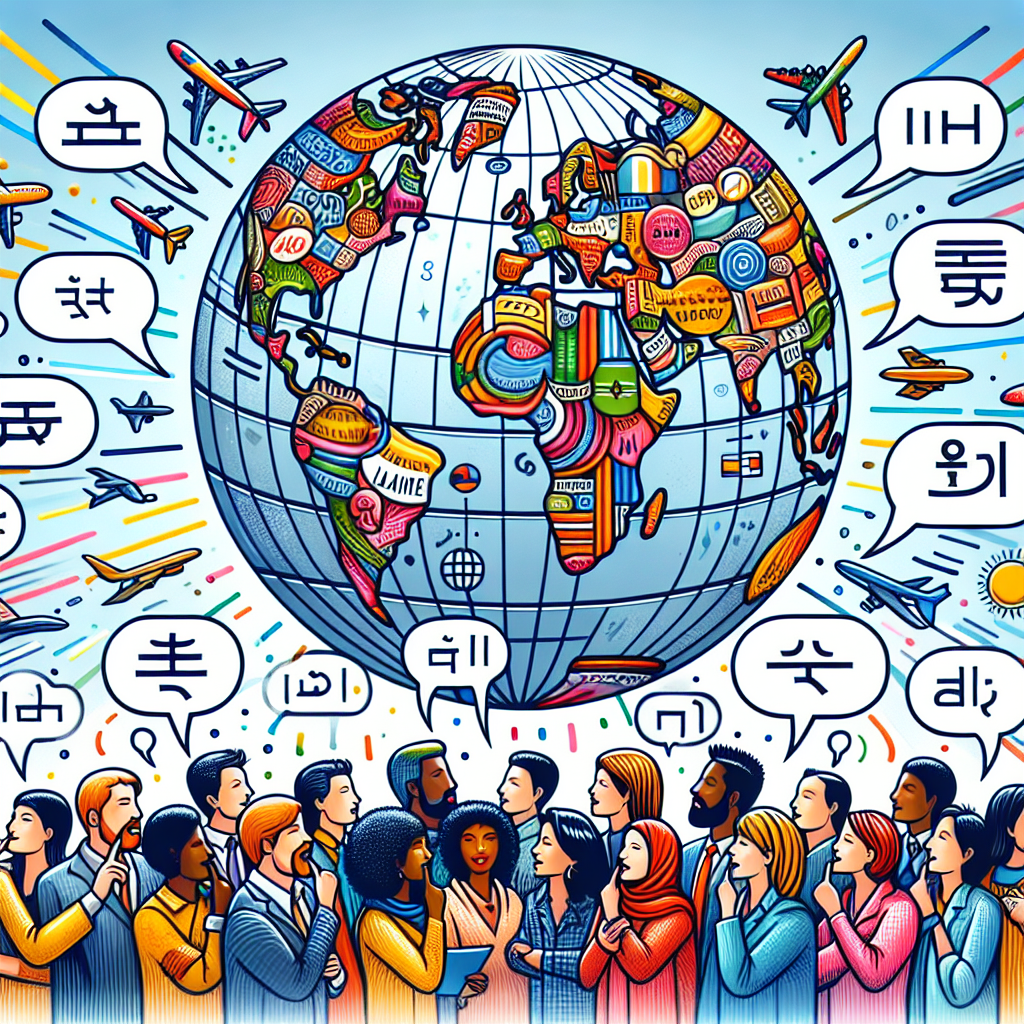
Globalization has woven countries and cultures together in unprecedented ways, creating a world that is interconnected economically, politically, and socially. This process, while fostering economic growth and cultural exchange, has profound implications for local languages and cultures. As globalization continues to permeate various aspects of life, it raises critical questions about the sustainability and preservation of local languages. In a globalized world, English, Spanish, Mandarin, and a few other languages increasingly dominate, often at the expense of lesser-known tongues. This dynamic not only affects linguistic diversity but also touches upon identity, heritage, and community cohesion.
Yet, local languages are more than just a means of communication—they carry the nuances of cultural wisdom, historical perspectives, and unique worldviews. When a local language fades, the culture associated with it tends to lose its vibrancy, leading to a homogenized global culture. From the bustling cities of Europe to the remote villages of Africa, the pressures of globalization consistently challenge the existence of local languages. The forces of modern media, education systems, and international business all play their part in the increasingly narrow linguistic landscape.
Understanding the impact of globalization on local languages involves examining the many facets of cultural transmission and language preservation. The digital age, with its rapid dissemination of information and culture, dramatically influences how languages evolve or become extinct. Factors such as migration, international trade, and tourism further exacerbate the decline of local languages. This article delves into the intricate ways globalization impacts local languages, assesses the consequences of linguistic erosion, and explores efforts to preserve and promote linguistic diversity in a global context.
Globalization and Language Shift
The phenomenon of language shift occurs when speakers of a particular language abandon it in favor of another that is perceived to have greater socio-economic benefits. Globalization accelerates this shift by highlighting the utility of dominant languages like English in international forums, education, and business. For instance, English is often seen as a gateway to global opportunities, leading communities to prioritize it over their native languages. This shift is particularly evident in multilingual countries where government policies and educational systems may favor one language over others.
An illustrative example can be found in India, a country renowned for its linguistic diversity, with hundreds of languages spoken. Despite this richness, the pressures of globalization have led to a shift from local languages to Hindi and English, the latter being the preferred medium for education and upward economic mobility. Similarly, in Africa, colonial languages like French and Portuguese often overshadow indigenous languages due to their perceived prestige and utility in international dialogue.
This shift poses significant risks. As local languages wane, so do the cultural practices, traditions, and societal norms encoded within them. Language is a vessel for cultural transmission, and the loss of a language equates to the loss of unique ways of understanding and engaging with the world. Therefore, language shift not only jeopardizes linguistic diversity but also threatens cultural sustainability and identity.
The Role of Media and Technology
Media and technology are among the most pervasive forces driving globalization and, by extension, impacting local languages. Television, movies, and the internet predominantly feature content in globally dominant languages, particularly English. This prevalence shapes the linguistic preferences of audiences globally, leading them to adopt these languages and dialects, often at the cost of their local ones.
Social media platforms further contribute to this dynamic. While they offer unprecedented opportunities for communication and information exchange, the languages used on these platforms are disproportionately global rather than local. The algorithmic nature of these platforms often prioritizes content in dominant languages, perpetuating their spread while marginalizing local languages. For example, platforms like Facebook, Twitter, and YouTube have global reaches and predominantly feature content in English, Mandarin, and Spanish.
However, technology also holds potential for local language preservation. Digital tools and apps are being developed to document and teach endangered languages. Online communities and platforms dedicated to specific languages can serve as virtual preservation sites where speakers can connect, share resources, and foster language use. For example, Duolingo and other language learning platforms have started offering courses in indigenous and lesser-known languages.
Education and Government Policies
The educational system is one of the most critical arenas where the battle between globalization and local languages plays out. In many countries, education policies prioritize the teaching of globally dominant languages, often at the expense of local ones. This prioritization reflects the perceived economic and social advantages of mastering a global language.
In countries like Kenya, education systems have historically emphasized English, preparing students for higher education and job markets that function predominantly in English. While this policy aims to provide students with broader opportunities, it simultaneously marginalizes local languages and perpetuates their decline. The curriculum often lacks comprehensive programs that celebrate and integrate local languages and cultures.
On the other hand, some countries have initiated policies to protect and promote their linguistic heritage. In New Zealand, for example, there are concerted efforts to revitalize Te Reo Māori through education programs and media. The government has implemented policies mandating the inclusion of Māori language and culture in the education system, thus giving equal importance to the local language alongside English.
Economic Factors and Migration
Economic factors play a significant role in the erosion of local languages. As people migrate from rural to urban areas or from one country to another in search of economic opportunities, they often adopt the dominant language of their new environment. This linguistic shift is driven by the practical need to communicate and integrate into new job markets and communities.
Urbanization also contributes to this trend. In cities, the lingua franca is often a global language or the dominant national language, marginalizing local languages. For example, in major urban centers such as Lagos, Nigeria, or Nairobi, Kenya, English is the predominant language, despite the multitude of local languages spoken in these regions. The economic incentives to learn and use a global or dominant national language are strong, leading to the gradual erosion of local languages.
Migration further complicates the linguistic landscape. Immigrants often face pressure to assimilate linguistically to succeed in their new environments. For instance, in the United States, Spanish-speaking immigrants frequently experience a shift towards English, especially in subsequent generations. This linguistic assimilation can result in the loss of proficiency in the native language within diasporic communities.
Efforts to Preserve Local Languages
Despite the challenges posed by globalization, there are numerous efforts globally to preserve and revitalize local languages. Linguistic and cultural preservation initiatives often involve collaborative efforts between governments, non-profit organizations, and local communities.
One significant approach is the documentation and recording of endangered languages. Linguists and language activists work to compile dictionaries, grammar guides, and audio recordings to create a lasting record of these languages. These resources can be used for educational purposes and serve as reference materials for future generations. Additionally, digital tools and platforms can amplify these efforts, making resources accessible to a global audience.
Educational programs that incorporate local languages into curriculums are also impactful. For instance, in Aboriginal communities in Australia, schools integrate indigenous languages alongside English education, helping students maintain their linguistic and cultural heritage. Similar models can be seen in various parts of the world, where bilingual or multilingual education systems aim to balance local language preservation with global language proficiency.
Grassroots movements and community-driven initiatives are equally crucial. Local cultural festivals, language workshops, and storytelling sessions celebrate and promote the use of indigenous languages. Community radio stations and podcasts can broadcast in local languages, providing a platform for cultural expression and linguistic continuity. Such initiatives empower communities to take ownership of their linguistic heritage.
Conclusion
Globalization, with its myriad benefits and challenges, presents a complex landscape for local languages. As dominant languages increasingly permeate global communication, local languages face the risk of marginalization and extinction. This dynamic threatens linguistic diversity and cultural richness, raising important questions about identity, heritage, and community cohesion.
However, the impact of globalization on local languages is not entirely negative. There are glimmers of hope in the form of digital tools, educational reforms, government policies, and grassroots movements aimed at preserving and promoting linguistic diversity. Efforts to document endangered languages, integrate them into education systems, and celebrate them through community initiatives play a pivotal role in ensuring their survival.
In navigating the challenges posed by globalization, it is essential to strike a balance between embracing global opportunities and preserving local identities. The survival of local languages ultimately hinges on the collective will of governments, communities, and individuals to value and uphold their linguistic heritage. By fostering an environment that celebrates linguistic diversity, we can safeguard the cultural tapestry of our world for generations to come.