The Harlem Renaissance was a pivotal period in American history, marking a cultural, social, and artistic explosion that emerged in the aftermath of World War I. Centered in the Harlem neighborhood of New York City during the 1920s and early 1930s, this movement celebrated the unique cultural expressions of African Americans and highlighted their contributions to American culture, literature, music, and art. This article aims to delve into the profound impact of the Harlem Renaissance, exploring how it shaped African American identity and facilitated a broader cultural awakening.
Introduction
The Harlem Renaissance can be described as a golden age for African American culture, during a time when African Americans were seeking a new identity in a rapidly changing world. Its origins can be traced back to the Great Migration, a mass movement of African Americans from the rural South to the urban North in search of better economic opportunities and escape from racial segregation. New York’s Harlem neighborhood became the epicenter of this cultural movement, attracting writers, musicians, artists, and intellectuals who were eager to express their experiences and heritage. The significance of the Harlem Renaissance rests in its ability to redefine the African American experience. This period saw an outpouring of creativity that was at once a celebration of African American culture and a rejection of the societal constraints that sought to diminish it. The Harlem Renaissance was not only about artistic expression but also about challenging the pervasive racial stereotypes and asserting the intellectual and cultural capabilities of African Americans. It marked a departure from merely surviving in a racially oppressive society to thriving and fostering pride in a distinctive cultural identity. Key figures such as Langston Hughes, Zora Neale Hurston, Duke Ellington, and Aaron Douglas emerged as leading voices, each contributing significantly to literature, music, and visual art. Their works reflected the complexities of African American life, addressed themes of racial pride, and emphasized the importance of cultural heritage. The Harlem Renaissance was also a period of cross-cultural interaction, as it drew the interest and support from the broader American society, including white patrons who played a role in promoting African American artistry. Overall, the Harlem Renaissance was a groundbreaking movement that laid the foundation for future generations. Its impact on American culture is immeasurable, as it not only provided a platform for African American artists to showcase their talents but also sowed the seeds for the civil rights movements that would follow. In the sections that follow, we will explore in greater detail the various facets of the Harlem Renaissance, its key figures, and its enduring legacy.
Literature and Poetry
Literature was one of the most influential aspects of the Harlem Renaissance, providing a powerful platform for African American writers to voice their experiences, dreams, and aspirations. The writings of the Harlem Renaissance portrayed a wide spectrum of themes, from racial pride and cultural heritage to inequality and social justice. Among the leading literary figures, Langston Hughes stands out as a towering presence whose work captured the essence of African American life with unparalleled clarity and poignancy. Langston Hughes, often referred to as the “poet laureate” of the Harlem Renaissance, used his works to depict the struggles and joys of the Black experience. His poems, essays, and novels celebrated African American culture while simultaneously addressing the pervasive issue of racial discrimination. Works such as “The Weary Blues” and “Not Without Laughter” highlighted the resilience and creativity of African Americans, fostering a sense of pride and unity within the community. Another significant literary figure was Zora Neale Hurston, whose novel “Their Eyes Were Watching God” is considered a cornerstone of African American literature. Hurston’s writing was deeply rooted in African American folklore and the oral traditions of the South. She used her works to explore themes of gender, identity, and independence, offering a nuanced portrayal of African American women’s experiences. Hurston’s anthropological research and vivid storytelling brought to life the richness of Black culture and history. The Harlem Renaissance also saw the emergence of Alain Locke’s anthology, “The New Negro,” which served as a manifesto for the movement. This collection of essays, poems, and stories showcased the talents of various African American writers and called for a redefinition of Black identity. Locke’s work emphasized the importance of cultural self-expression and intellectual freedom, inspiring a generation of writers and thinkers to challenge the status quo. The literary contributions of the Harlem Renaissance were instrumental in reshaping the narrative of African American life. These writers used their pens to shatter stereotypes, challenge societal norms, and create a body of work that celebrated the beauty and complexity of Black culture. Their words resonated far beyond the confines of Harlem, influencing subsequent generations of writers and activists who continued to fight for equality and justice.
Music and Performance
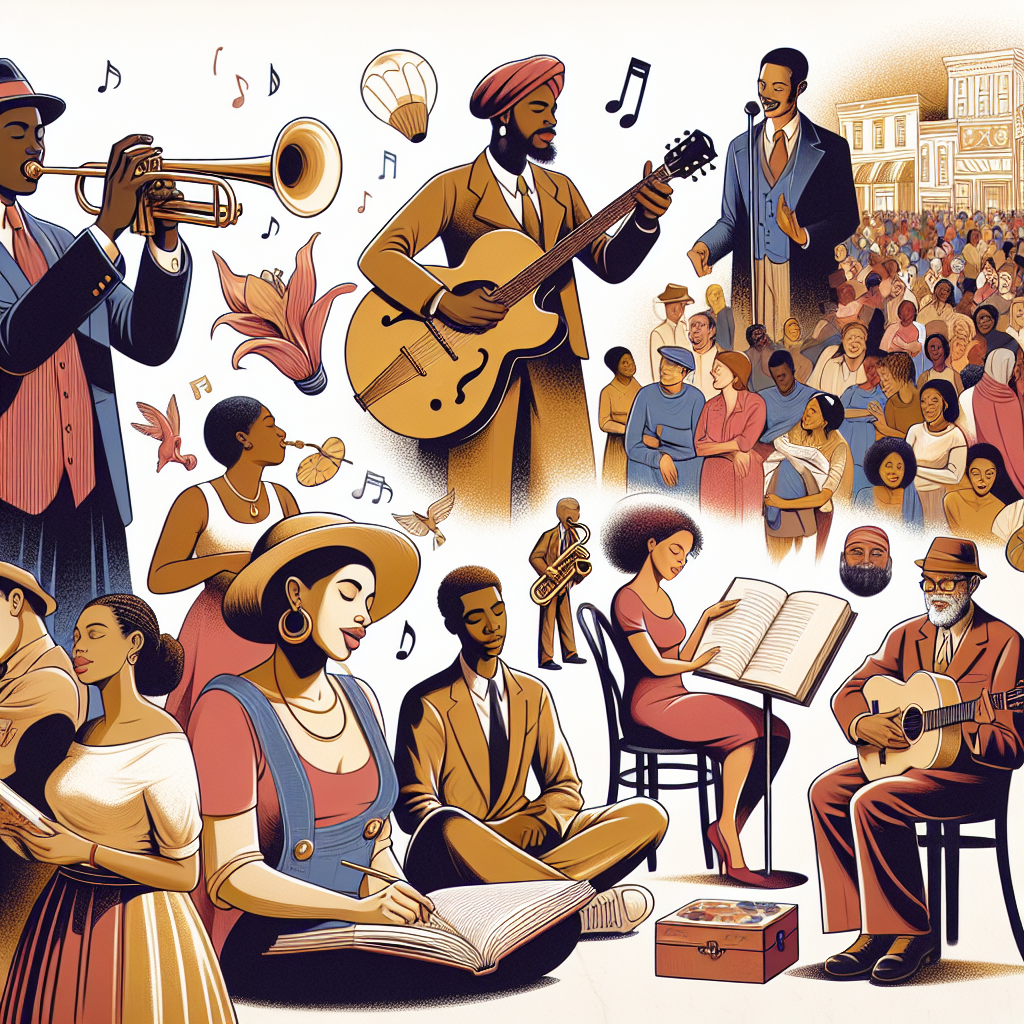
The Harlem Renaissance gave birth to a musical revolution that forever altered the American soundscape. Music was a vibrant and integral part of this cultural awakening, serving as both an expression of joy and a means of coping with the adversities of life. Jazz, in particular, emerged as the defining genre of the era, with Harlem serving as its epicenter. Duke Ellington and Louis Armstrong were two of the most influential musicians of the Harlem Renaissance. Ellington, a composer, pianist, and bandleader, was known for his innovative arrangements and sophisticated style. His performances at the Cotton Club, a famous Harlem nightclub, drew diverse audiences and showcased the talent of African American musicians. Ellington’s contributions to jazz elevated the genre to new heights, earning him a lasting legacy as one of America’s greatest composers. Louis Armstrong, with his distinctive trumpet playing and charismatic stage presence, also left an indelible mark on the music scene. Armstrong’s improvisational skills and unique voice helped to popularize jazz across the country. His recordings, such as “What a Wonderful World” and “West End Blues,” became timeless classics that continue to influence musicians today. The influence of the Harlem Renaissance extended beyond jazz, also encompassing genres such as blues and gospel. Bessie Smith, known as the “Empress of the Blues,” captivated audiences with her powerful voice and emotional performances. Her music, which often addressed themes of love, sorrow, and resilience, resonated deeply with listeners and cemented her status as one of the greatest blues singers of all time. Gospel music also gained prominence during the Harlem Renaissance, with figures like Thomas A. Dorsey leading the charge. Dorsey, often referred to as the “Father of Gospel Music,” blended traditional hymns with blues to create a new, soulful sound. His compositions, including “Take My Hand, Precious Lord,” have become staples of gospel music and continue to be performed in churches worldwide. The musical legacy of the Harlem Renaissance is profound, as it not only provided a means of cultural expression but also fostered collaboration and innovation among artists. This era of musical experimentation and creativity laid the foundation for future genres such as rhythm and blues, rock and roll, and hip-hop, which have continued to shape the American musical landscape.
Visual Arts and Aesthetics
The visual arts played a crucial role in the Harlem Renaissance, offering a powerful medium for African American artists to challenge stereotypes and express their unique perspectives. This period saw a flourishing of artistic talent, with painters, sculptors, and graphic artists creating works that celebrated Black culture and identity. Aaron Douglas is often considered the leading visual artist of the Harlem Renaissance. His bold, abstract style drew inspiration from African art, combining geometric shapes and vibrant colors to create dynamic compositions. Douglas’s murals and illustrations often depicted scenes of African American history and culture, emphasizing themes of resilience, empowerment, and community. His works, such as the series of murals titled “Aspects of Negro Life,” remain iconic representations of the Harlem Renaissance. Other notable artists include Jacob Lawrence and Augusta Savage. Lawrence’s series of paintings, “The Migration Series,” vividly portrayed the experiences of African Americans during the Great Migration. His use of bright colors and simplified forms captured the hardships and hopes of those seeking a better life in the North. Lawrence’s work received critical acclaim and brought attention to the realities of the African American experience. Augusta Savage was a pioneering sculptor and art educator whose work focused on the beauty and strength of Black people. Her sculptures, such as “Gamin” and “Head of a Negro,” portrayed African American subjects with dignity and grace. Savage also established the Savage Studio of Arts and Crafts, where she mentored and trained numerous young artists, helping to cultivate the next generation of African American talent. The visual arts of the Harlem Renaissance were not limited to paintings and sculptures; they also extended to the realms of photography and fashion. James Van Der Zee was a renowned photographer who captured the elegance and sophistication of Harlem’s residents. His portraits documented the vibrant social life of the community, offering a glimpse into the everyday lives of African Americans during this period. Fashion also played a significant role in the cultural expression of the Harlem Renaissance. Harlem’s residents embraced a distinctive style that combined elegance with a sense of pride and self-assurance. The fashion of the era reflected the confidence and aspirations of a people who were redefining their identities and claiming their rightful place in American society. The visual arts and aesthetics of the Harlem Renaissance were instrumental in fostering a sense of pride and unity within the African American community. These artists used their creative talents to challenge the dominant narratives of the time and to celebrate the richness of Black culture and history.
Theater and Performing Arts
The theater and performing arts were another vital component of the Harlem Renaissance, providing a stage for African American actors, playwrights, and directors to showcase their talents and tell their stories. The period saw a surge in the production of plays, musicals, and performances that explored themes of race, identity, and social justice. One of the most significant contributions to the theater during the Harlem Renaissance was the formation of the Negro Experimental Theatre, which provided a platform for African American playwrights and actors to create and perform works that reflected their experiences. The theater aimed to challenge the negative stereotypes often portrayed in mainstream theater and to present authentic, nuanced representations of Black life. Langston Hughes, in addition to his literary contributions, also made a mark in the world of theater. His play “Mulatto” was one of the first to deal frankly with the issue of interracial relationships and the complexities of racial identity. Hughes’s work in theater, like his poetry, was characterized by its exploration of African American experiences and its commitment to social justice. Another key figure in the theater during the Harlem Renaissance was Zora Neale Hurston. Hurston’s work as a playwright and director helped to bring African American folklore and cultural traditions to the stage. Her plays often incorporated elements of song, dance, and storytelling, creating vibrant, immersive performances that celebrated Black culture. Hurston’s work in theater reflected her broader commitment to preserving and promoting African American heritage. The theater of the Harlem Renaissance was not confined to serious dramas; it also included musical performances and comedy that entertained and uplifted audiences. The Apollo Theater, located in Harlem, became an iconic venue that hosted countless performances by African American entertainers. It provided a space where musicians, comedians, and dancers could showcase their talents and connect with the community. The performing arts during the Harlem Renaissance were characterized by their diversity and innovation. From dramatic plays to lively musicals, these performances offered a platform for African American artists to express their creativity and to engage with audiences on important social and cultural issues. The legacy of the theater and performing arts from this period continues to influence contemporary performances and serves as a reminder of the power of artistic expression to inspire change.
Legacy and Impact
The legacy of the Harlem Renaissance extends far beyond the 1920s and 1930s, leaving an indelible mark on American culture and society. The movement not only elevated the voices and talents of African American artists but also laid the groundwork for future civil rights activism and cultural expression. One of the most significant impacts of the Harlem Renaissance was its role in fostering a sense of pride and identity within the African American community. The movement celebrated Black culture, history, and achievements, challenging the pervasive racial stereotypes and discrimination of the time. It provided a platform for African Americans to assert their worth and to demand recognition and respect. The Harlem Renaissance also had a profound influence on subsequent generations of artists and activists. The works of writers, musicians, and visual artists from this period continue to inspire contemporary creators who seek to explore and celebrate the richness of African American culture. The themes of resilience, empowerment, and social justice that were central to the Harlem Renaissance remain relevant and resonate with today’s social and cultural movements. Additionally, the Harlem Renaissance played a crucial role in shaping the broader American cultural landscape. It introduced mainstream audiences to the art, music, literature, and performances of African American artists, fostering cross-cultural interactions and appreciation. The movement’s emphasis on creativity, innovation, and cultural expression has left a lasting imprint on various aspects of American life, from music and literature to fashion and visual arts. The civil rights movement of the 1950s and 1960s can also trace some of its roots to the Harlem Renaissance. The sense of empowerment and cultural pride that emerged during this period laid the foundation for the later struggles for equality and justice. Figures like Martin Luther King Jr. and Malcolm X were influenced by the ideas and accomplishments of the Harlem Renaissance, drawing inspiration from its emphasis on dignity and self-determination. In conclusion, the Harlem Renaissance was a transformative period that reshaped African American identity and left an enduring legacy on American culture and society. It was a movement characterized by artistic innovation, cultural celebration, and social activism, and its impacts continue to be felt to this day. The Harlem Renaissance remains a testament to the power of cultural expression and the enduring strength of the human spirit.
Conclusion
The Harlem Renaissance was a landmark period in the history of African American culture, characterized by an unprecedented outpouring of artistic expression and cultural celebration. From literature and music to visual arts and theater, the movement provided a platform for African Americans to assert their identity, challenge societal norms, and showcase their talents. The literary contributions of figures like Langston Hughes and Zora Neale Hurston redefined African American narratives, offering powerful insights into the complexities of race, identity, and social justice. Their works continue to be celebrated and studied for their profound impact on American literature. The musical revolution that emerged during the Harlem Renaissance, led by icons such as Duke Ellington and Louis Armstrong, forever changed the American soundscape. Jazz, blues, and gospel music became symbols of cultural pride and resilience, influencing countless musicians and genres that followed. Visual artists like Aaron Douglas and Jacob Lawrence used their creative talents to celebrate Black culture and history, challenging the dominant narratives and stereotypes of the time. Their works remain powerful symbols of the artistic innovation and cultural pride that defined the Harlem Renaissance. The theater and performing arts also played a vital role in the movement, providing a stage for African American artists to tell their stories and connect with audiences. The legacy of these performances continues to influence contemporary theater and performing arts, serving as a reminder of the transformative power of artistic expression. The impact of the Harlem Renaissance extends far beyond the 1920s and 1930s, leaving an enduring legacy that continues to inspire and uplift. The movement fostered a sense of pride and identity within the African American community, laid the groundwork for future civil rights activism, and shaped the broader American cultural landscape. In celebrating the Harlem Renaissance, we acknowledge the profound contributions of African American artists, writers, musicians, and performers who shaped this pivotal period. Their creativity, resilience, and determination continue to resonate, reminding us of the enduring strength of the human spirit and the power of cultural expression.