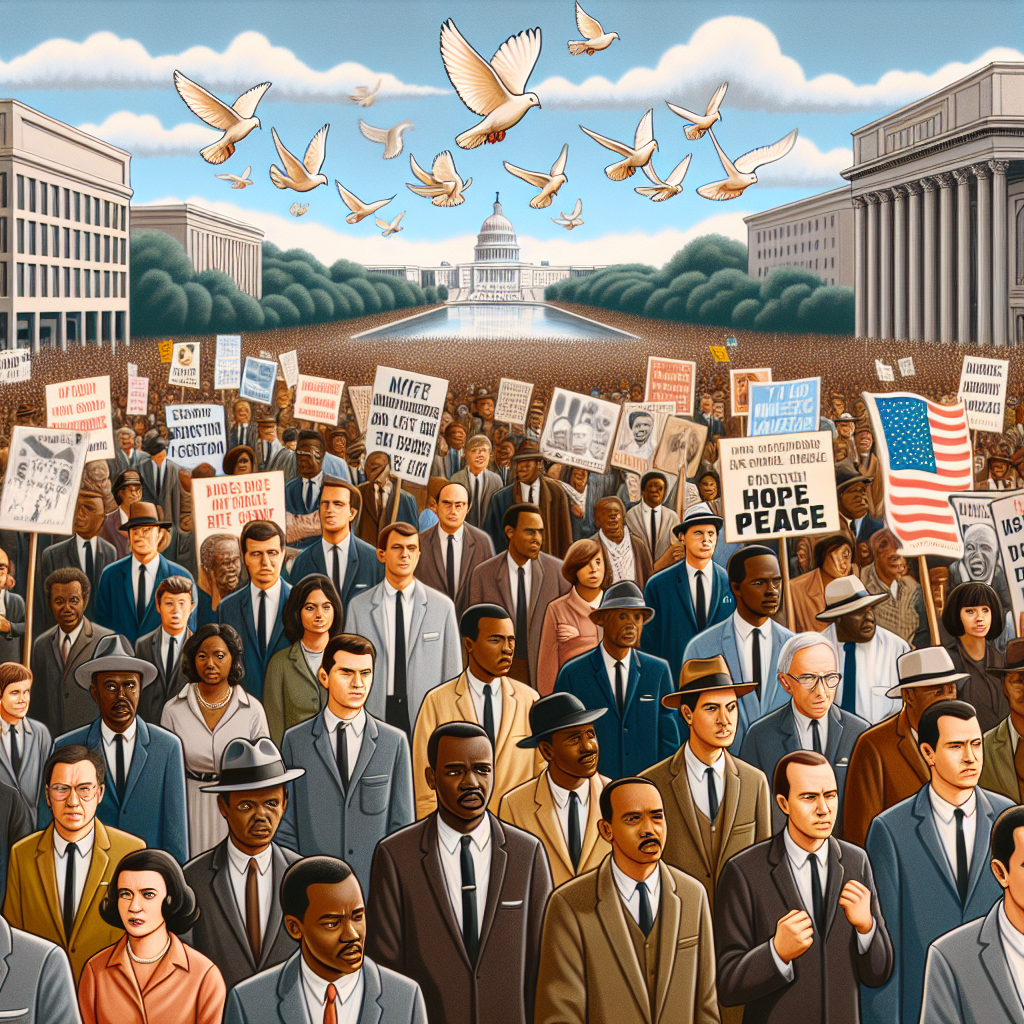
The Civil Rights Movement was a pivotal chapter in American history, reshaping the social fabric of the country and forever altering the cultural dynamics of an entire nation. This mid-20th-century movement catalyzed dramatic changes in legislative and social realms, positioning equality and justice at the forefront of American values. Spanning roughly from the 1950s to the late 1960s, the movement sought to dismantle systemic racism and end segregation, ushering in an era of hope and radical social restructuring.
Every citizen’s civil rights should be guaranteed regardless of race, color, or creed; this was the clarion call that echoed across the country, leading to organized protests, legal battles, and significant cultural shifts. Figures like Martin Luther King Jr., Rosa Parks, Malcolm X, and many others became symbols of resilience and courage, challenging the oppressive status quo and inspiring future generations to continue the fight for justice. The Civil Rights Movement was not just a historical event but a foundational bedrock for ongoing debates about race, equality, and human rights in contemporary society.
Through this article, we will explore the cultural impacts of this transformative period, examining key events and their lasting implications on American and global cultures. By delving into the legislative victories, social circumstances, and the profound shifts in collective consciousness, we aim to shed light on how the Civil Rights Movement has shaped the world we live in today.
Key Events of the Civil Rights Movement
Several cornerstone events during the Civil Rights Movement served as significant catalysts for change, leading to substantial legislative and social transformations.
The Montgomery Bus Boycott
One of the earliest and most influential acts of the Civil Rights Movement, the Montgomery Bus Boycott began in 1955 after Rosa Parks refused to give up her seat to a white passenger. This year-long boycott significantly pressured the public bus system in Montgomery, Alabama, highlighting the economic power and collective resolve of the African American community. The eventual desegregation of Montgomery’s bus system was a symbolic and strategic victory that galvanized further actions and movements across the South.
The March on Washington
The 1963 March on Washington for Jobs and Freedom culminated in Dr. Martin Luther King Jr.’s legendary “I Have a Dream” speech. This massive rally brought together hundreds of thousands of individuals from diverse backgrounds, emphasizing the universal desire for equality and justice. The march played an essential role in creating momentum for the 1964 Civil Rights Act and the 1965 Voting Rights Act, key legislative achievements that aimed to dismantle institutionalized racism.
Freedom Summer
The 1964 Freedom Summer was a voter registration drive aimed at increasing the number of registered Black voters in Mississippi. Despite facing fierce opposition, including violent resistance, the campaign spotlighted the widespread disenfranchisement of African Americans in the South. This event underscored the persistent systemic barriers to equality and highlighted the dire need for federal intervention and comprehensive voter rights protections.
Legislative Outcomes
The Civil Rights Movement yielded landmark legislative outcomes that fundamentally altered the legal landscape of the United States. The Civil Rights Act of 1964 and the Voting Rights Act of 1965 were monumental achievements that sought to eradicate decades of legal discrimination and disenfranchisement.
The Civil Rights Act of 1964
Signed into law by President Lyndon B. Johnson, the Civil Rights Act of 1964 was a comprehensive piece of legislation that aimed to outlaw discrimination based on race, color, religion, sex, or national origin. This act made it illegal to segregate in public places, banned discriminatory practices in employment, and strengthened the enforcement of voting rights. It laid the groundwork for subsequent anti-discrimination policies and represented a critical victory for the Civil Rights Movement.
The Voting Rights Act of 1965
The Voting Rights Act, also signed by President Johnson, aimed to overcome legal barriers that prevented African Americans from exercising their right to vote. This act prohibited racial discrimination in voting, abolished literacy tests, and ensured federal oversight in areas with a history of voter suppression. The Voting Rights Act marked a monumental step toward achieving political equality and participatory democracy for all citizens.

Impact on Social Norms and Attitudes
The Civil Rights Movement significantly influenced American social norms and attitudes, challenging deep-seated prejudices and fostering a more inclusive society.
The desegregation of schools, public facilities, and workplaces promoted greater interaction and understanding between different racial groups. As barriers came down, opportunities for socialization and collaboration increased, slowly eroding long-held racial prejudices. This newfound integration helped to foster a more diverse and inclusive societal landscape.
Media played a crucial role in shaping public perception and attitudes towards the movement. The widespread broadcasting of protests, speeches, and acts of brutality against peaceful demonstrators elicited empathy and support from broader segments of society. This coverage helped to humanize the struggle for civil rights, countering negative stereotypes and highlighting the shared humanity and resilience of African Americans.
Importantly, the Civil Rights Movement laid the groundwork for subsequent social justice movements, including the women’s rights movement, LGBTQ+ rights, and contemporary racial equality initiatives. By challenging injustice and advocating for equal rights, the movement set a powerful precedent for future generations to continue pushing for social change and cultural reformation.
Global Cultural Influence
The impact of the Civil Rights Movement extended beyond the borders of the United States, influencing global attitudes and movements towards equality and human rights.
Internationally, the struggle for civil rights in the United States resonated with marginalized groups fighting against colonialism, apartheid, and other forms of systemic oppression. Leaders and activists in countries such as South Africa, India, and various African nations drew inspiration from the principles and tactics of the Civil Rights Movement. The global solidarity forged between these movements created a united front against injustice and inequality, amplifying the call for human rights on a worldwide scale.
The movement also influenced global cultural expressions, including music, literature, and art. Iconic figures like Nina Simone, John Coltrane, and James Baldwin used their platforms to address themes of racial injustice and promote messages of unity and empowerment. Their contributions left an indelible mark on global culture, enriching artistic expressions and inspiring generations of creators to use their voices for social change.
Challenges and Criticisms
While the Civil Rights Movement achieved significant progress, it also faced numerous challenges and criticisms, both during its peak and in its ongoing legacy.
One of the primary criticisms was the perceived slow pace of change and the persistence of systemic racism despite legislative victories. Many activists and communities continued to face racial prejudice, economic disparities, and social exclusion, leading to frustration and calls for more radical approaches to achieving true equality. The rise of Black Power movements and leaders like Malcolm X reflected a growing sentiment that more assertive and self-reliant strategies were necessary to address systemic issues.
Additionally, the movement encountered internal divisions and disagreements about strategies and goals. Different factions and leaders sometimes clashed over the most effective methods for achieving change, whether through nonviolent protest, legal action, or more militant tactics. These divisions, while challenging, also demonstrated the diversity of thought and approach within the broader struggle for civil rights.
Despite these challenges, the Civil Rights Movement’s enduring legacy underscores its importance as a transformative force in American history. By acknowledging its complexities and criticisms, we can better understand the multifaceted nature of social change and the ongoing efforts required to achieve lasting equality.
Continued Relevance and Legacy
The legacy of the Civil Rights Movement continues to resonate in contemporary society, informing ongoing discussions and actions around social justice and equity.
Today’s movements for racial equality, such as Black Lives Matter, draw direct inspiration from the tactics and principles of the Civil Rights Movement. The calls for systemic reform, police accountability, and an end to racial violence echo the demands made by activists in the 1960s, highlighting the continued relevance of these issues.
The movement also left an indelible mark on American politics, leading to greater representation and participation of African Americans in governmental and political spheres. The election of the first Black president, Barack Obama, and the increasing diversity among elected officials reflect the political advancements made possible by the groundwork laid during the Civil Rights Movement.
In education and cultural institutions, the movement’s history and achievements are commemorated and studied, ensuring that future generations understand the significance of this period. Museums, documentaries, books, and academic courses keep the stories and lessons of the Civil Rights Movement alive, fostering a collective awareness and commitment to social justice.
Conclusion
The Civil Rights Movement was a seminal period that reshaped the social, cultural, and political landscape of the United States and beyond. Its impacts are still felt today, as the quest for equity and justice remains a central concern in global discourse.
From key events like the Montgomery Bus Boycott and the March on Washington to landmark legislation such as the Civil Rights Act of 1964 and the Voting Rights Act of 1965, the movement achieved significant milestones in the battle against racial discrimination and inequality. It reshaped societal norms, influenced cultural expressions, and inspired global movements committed to human rights and justice.
While the movement faced challenges and criticisms, its enduring legacy continues to inform and inspire contemporary social justice efforts. By understanding and appreciating the history and impact of the Civil Rights Movement, we can better navigate the ongoing journey towards a more just and equitable society.


