In our world of finite resources and growing populations, the importance of sustainable consumption and production becomes ever more critical. The term “sustainable consumption and production” (SCP) describes a framework within which society can enjoy a high quality of life without exhausting the planet’s resources or harming the environment. SCP focuses on “doing more and better with less,” which means ensuring development that meets the needs of the present without compromising the ability of future generations to meet their own needs.
This article explores the key concepts of environmental economics and how they apply to sustainable consumption and production. We will delve into various economic approaches that aim to promote sustainability, examining policy measures, market-based instruments, and innovative practices aimed at achieving a balance between economic growth, environmental stewardship, and social well-being.
Moreover, we will look at the role of individuals, businesses, and governments in implementing sustainable practices. We will also discuss the challenges and opportunities associated with making the transition to a more sustainable economy. By understanding and applying these economic approaches, we can better navigate the complexities of sustainability and move towards a future where economic activities support rather than hinder ecological health.
Understanding Environmental Economics
Environmental economics is a branch of economics that focuses on the economic effects of environmental policies. It aims to identify the most effective ways to manage and protect natural resources while promoting economic development. This field of study is based on the notion that environmental challenges are, at their core, economic problems.
Environmental economists study the costs and benefits associated with various environmental policies, seeking to understand how incentives and regulations can lead to sustainable outcomes. By incorporating the natural environment into economic models, these economists can assess how different policies and practices impact ecological systems and human well-being.
One of the fundamental principles of environmental economics is the idea of “externalities.” Externalities are costs or benefits incurred by a third party as a result of an economic transaction. Pollution is a classic example of a negative externality, where the cost of a factory’s emissions is borne by society rather than the polluting entity. Environmental economics seeks to internalize these externalities, ensuring that the true costs of production and consumption are reflected in market prices.
Sustainable Consumption
Sustainable consumption involves the use of goods and services that meet basic needs while minimizing environmental impacts. This concept goes beyond merely reducing waste; it aims to reevaluate the entire lifecycle of products, from design and production through to disposal.
One key strategy for promoting sustainable consumption is the adoption of circular economy principles. Unlike the traditional linear economy, where products are made, used, and then discarded, a circular economy seeks to extend the lifespan of products through recycling, reusing, and refurbishing. This approach not only reduces waste but also reduces the demand for raw materials and energy.
Another crucial aspect of sustainable consumption is shifting consumer behavior. Public awareness campaigns, education, and labeling schemes can help consumers make more informed choices. For instance, ecolabels can guide consumers to products that have been certified as environmentally friendly, thereby encouraging more sustainable purchasing decisions.
Governments and businesses also have vital roles in promoting sustainable consumption. Policies such as taxes on pollution, subsidies for green technologies, and regulations on product design can create the necessary incentives for producers and consumers to adopt more sustainable practices.

Sustainable Production
Sustainable production encompasses the methods and processes used by businesses to produce goods and services in a manner that is environmentally and socially responsible. This approach advocates for cleaner production techniques, efficient resource use, and the minimization of waste and emissions.
An essential aspect of sustainable production is the implementation of green technologies. These technologies can reduce the environmental footprint of industrial processes through innovations such as renewable energy systems, energy-efficient machinery, and waste minimization techniques.
Life cycle assessment (LCA) is another critical tool in sustainable production. LCA is a methodology for evaluating the environmental impacts of a product throughout its lifecycle, from raw material extraction through to disposal. By identifying the most significant areas of environmental impact, LCA can help companies make more sustainable choices about materials, production processes, and design.
Moreover, corporate social responsibility (CSR) has become a pivotal element of sustainable production. Companies committed to CSR actively seek to balance environmental, social, and economic considerations in their business practices. This includes not only reducing negative environmental impacts but also contributing positively to society through ethical labor practices, community engagement, and sustainable supply chain management.
Economic Policy Measures
Government policies play a crucial role in promoting sustainable consumption and production. Economic policy measures can take various forms, including regulatory approaches, market-based instruments, and voluntary agreements.
Regulatory approaches involve the establishment of laws and regulations to limit environmental impacts. These might include emission standards, restrictions on hazardous substances, and requirements for environmental impact assessments. While effective, these measures often require significant enforcement and compliance costs.
Market-based instruments, such as taxes, subsidies, and tradable permits, offer a more flexible approach. Environmental taxes, for example, can incentivize companies to reduce pollution by making it more expensive to engage in environmentally harmful activities. Similarly, subsidies for clean technologies can spur innovation and adoption by lowering investment costs.
Tradable permits, or cap-and-trade systems, set a cap on total emissions and allow companies to buy and sell permits to emit a certain amount. This creates a financial incentive for companies to reduce emissions below their allotted amount and sell excess permits to other companies.
Voluntary agreements between governments, businesses, and other stakeholders can also foster sustainable practices. These agreements often involve setting mutual goals for sustainability, such as reducing greenhouse gas emissions or increasing energy efficiency, and can encourage innovation and cooperation.
Challenges and Opportunities
While there are numerous economic approaches to promoting sustainable consumption and production, several challenges remain. One of the primary obstacles is the inherent complexity of measuring sustainability. Environmental and social impacts are often diffuse and long-term, making it difficult to quantify and manage them effectively.
Another challenge is the potential conflict between short-term economic gains and long-term sustainability goals. Businesses and individuals may be reluctant to adopt sustainable practices if they perceive them as costly or disruptive to their current operations. This underscores the importance of carefully designing policies that align economic incentives with sustainable outcomes.
The transition to a sustainable economy also requires significant investments in green technologies and infrastructure. While these investments can yield substantial long-term benefits, securing the necessary funding can be a significant hurdle, especially in developing countries with limited financial resources.
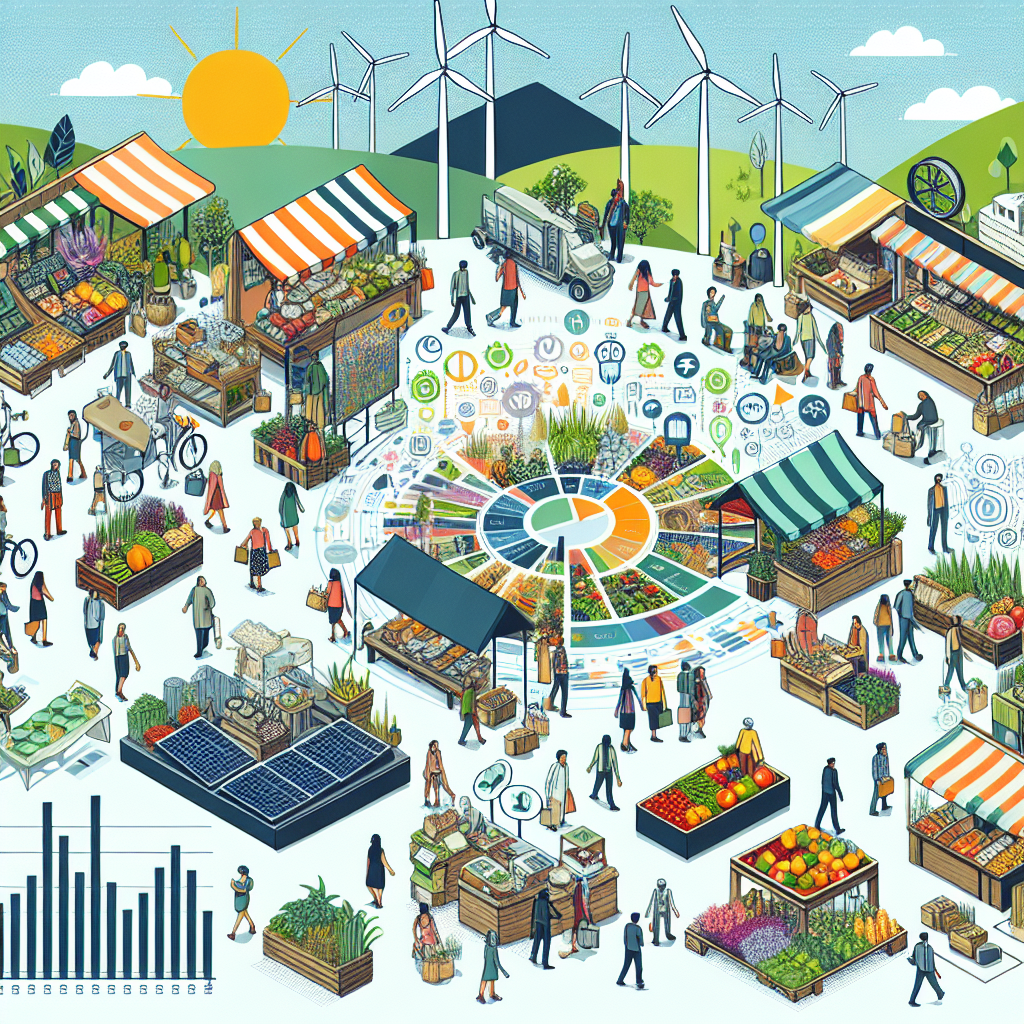
Despite these challenges, there are also numerous opportunities for advancing sustainable consumption and production. Technological innovations, such as advances in renewable energy, energy-efficient appliances, and sustainable agriculture, offer the potential to reduce environmental impacts while promoting economic growth.
Moreover, increasing public awareness and consumer demand for sustainable products can drive market shifts. As more consumers prioritize sustainability in their purchasing decisions, businesses are likely to respond by offering more environmentally friendly options.
The Role of Global Cooperation
Global cooperation is essential for addressing the challenges and opportunities associated with sustainable consumption and production. Environmental issues, such as climate change, pollution, and biodiversity loss, transcend national borders and require coordinated efforts from the international community.
International agreements and partnerships play a critical role in promoting sustainability on a global scale. The Paris Agreement, for instance, is a landmark international treaty aimed at limiting global warming to well below 2 degrees Celsius above pre-industrial levels. By committing to ambitious climate targets, countries can collectively drive significant reductions in greenhouse gas emissions.
Global cooperation also extends to sharing knowledge, technologies, and best practices. International organizations, such as the United Nations Environment Programme (UNEP) and the World Bank, facilitate collaboration and support efforts to develop and implement sustainable policies and practices around the world.
Additionally, multinational corporations have a unique opportunity to lead by example in promoting sustainability. By adopting global sustainability standards and transparently reporting on their environmental and social impacts, these companies can influence entire supply chains and set a precedent for responsible business practices.
Conclusion
The pursuit of sustainable consumption and production is essential for ensuring a healthy, prosperous future. By employing various economic approaches, we can balance the needs of economic development with the imperative to protect and preserve our environment. Environmental economics provides valuable tools and frameworks for understanding and addressing the complex interplay between economic activities and ecological systems.
Through sustainable consumption practices, we can reduce our environmental footprint and encourage the development of a circular economy. Sustainable production methods, bolstered by green technologies and life cycle assessments, enable businesses to operate responsibly and contribute to the well-being of society and the planet.
Effective economic policies, including regulatory measures and market-based instruments, are crucial for driving the transition to sustainable practices. Despite the challenges, there are significant opportunities for innovation, cooperation, and progress. By fostering global cooperation and leveraging the strengths of individuals, businesses, and governments, we can make substantial strides towards a sustainable future.
Ultimately, the success of sustainable consumption and production hinges on our collective commitment to change. As individuals, we can make more conscious choices. As businesses, we can prioritize sustainability in our operations. And as governments, we can implement policies that incentivize and support sustainable practices. By working together, we can create a world where economic growth and environmental stewardship go hand in hand.