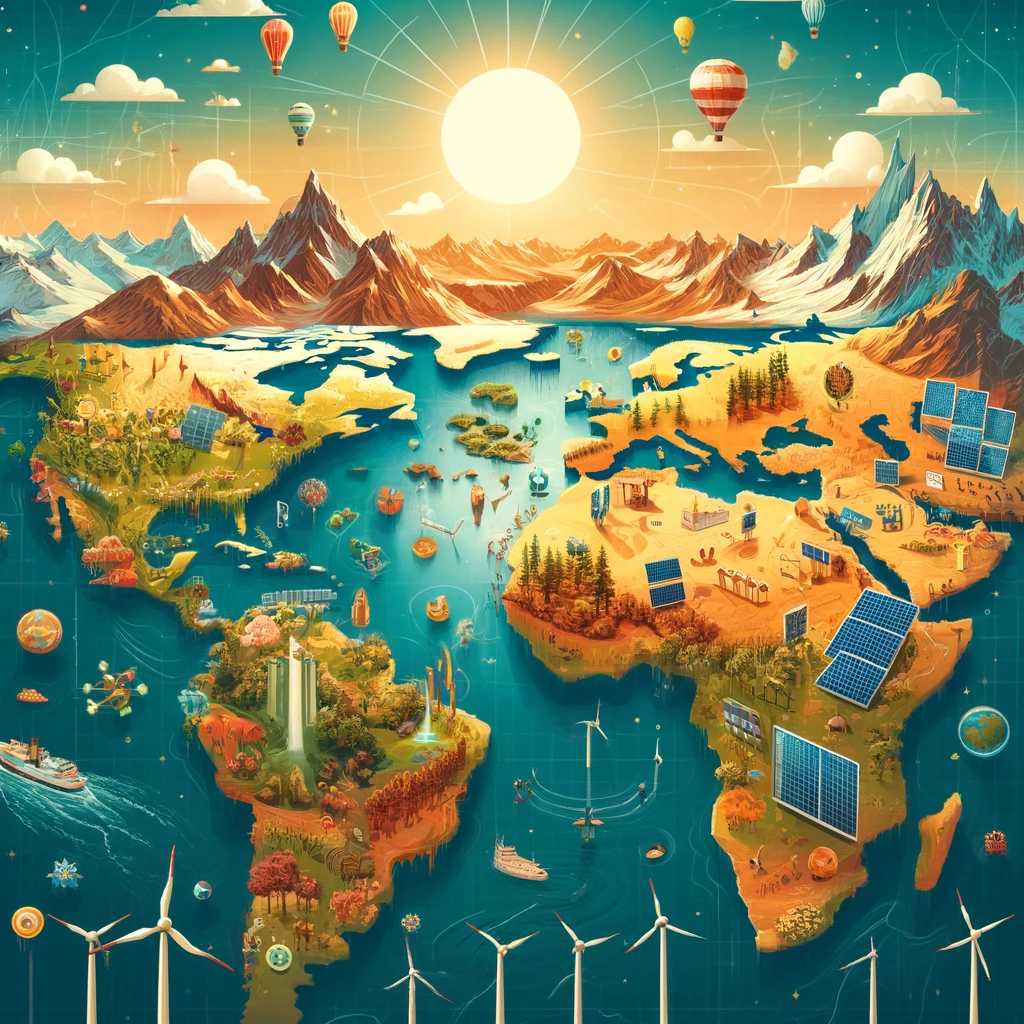
Renewable energy, once a fringe interest, has now become a mainstream endeavor as nations across the globe recognize the urgent need to shift away from fossil fuels to combat climate change and reduce environmental degradation. This global movement towards renewable energy is not just about adopting new technologies but is also reshaping cultures, economies, and policies worldwide.
Understanding Renewable Energy
Renewable energy comes from natural sources that replenish themselves over short periods of time. Unlike fossil fuels, such as coal, oil, and natural gas, renewable energy sources like solar, wind, hydro, and geothermal power offer a sustainable alternative that can help reduce greenhouse gas emissions and decrease air pollution.
Europe’s Leadership
Europe has been at the forefront of the renewable energy charge. Countries like Germany, Spain, and Denmark have set ambitious targets for integrating renewable energy into their national grids. Germany, for example, launched “Energiewende,” a policy initiative aimed at phasing out nuclear power and fossil fuels, ramping up renewable energy usage to 80% of the total energy supply by 2050.
Denmark is another standout, aiming to be free of fossil fuels by 2050. The country’s substantial investment in wind energy allows it to occasionally meet all of its electricity needs with wind power alone. Spain, meanwhile, has made significant strides in solar power, capitalizing on its sunny climate to power homes and businesses across the country.
Asia’s Rapid Transformation
Asia presents a case of rapid transformation in the renewable energy sector. China leads the world in the production and installation of solar panels, wind turbines, and hydroelectric power plants. The country’s commitment to renewable energy is part of a broader national strategy to reduce pollution, mitigate climate change, and assert leadership in emerging high-tech industries.
India, with its vast and diverse landscape, has also embraced renewable energy, setting an ambitious goal to achieve 175 gigawatts of renewable capacity by 2022. Significant investments in solar and wind energy are propelling the nation towards this target, with large-scale projects such as the Bhadla Solar Park and the Muppandal wind farm.
North America’s Mixed Progress
The United States and Canada have taken varied approaches to renewable energy adoption. In the U.S., California leads with its commitment to renewable energy, aiming for 100% renewable energy sources by 2045. The state has invested heavily in solar and wind installations, driven by both policy mandates and private innovation.
Canada’s energy mix is already dominated by renewables, thanks to its vast hydropower resources. However, the country is now expanding into other forms of renewable energy. Wind and solar, though still a small part of the overall energy landscape, are growing rapidly, supported by both federal incentives and provincial policies.
Challenges and Opportunities
Transitioning to renewable energy is not without challenges. Economic, technological, and political obstacles persist. The upfront cost of renewable technologies, although decreasing, can still be prohibitive. Moreover, the intermittent nature of sources like solar and wind requires advances in energy storage technologies or smart grid solutions to ensure a steady and reliable power supply.
However, these challenges also present opportunities. Innovations in technology, such as battery storage, smart grids, and more efficient renewable energy equipment, continue to improve the feasibility and attractiveness of renewable investments. Furthermore, the transition to renewable energy has the potential to revitalize industries and create new job opportunities, from manufacturing to installation and maintenance of renewable energy systems.
The Cultural Shift
As countries invest in renewable technologies, there is also a notable cultural shift. Communities are increasingly recognizing the importance of sustainable practices, leading to greater public support for renewable energy projects. Educational programs and public awareness campaigns have played key roles in shifting perceptions and behaviors towards more sustainable energy solutions.
The global rise of renewable energy is a clear indicator of a profound shift in how nations are tackling the issues of energy security, environmental sustainability, and economic development. As more countries join this movement, the prospects for a sustainable and energy-independent world look increasingly achievable. The momentum is strong, and the direction is set towards a renewable future.
Strategic Partnerships and Global Cooperation
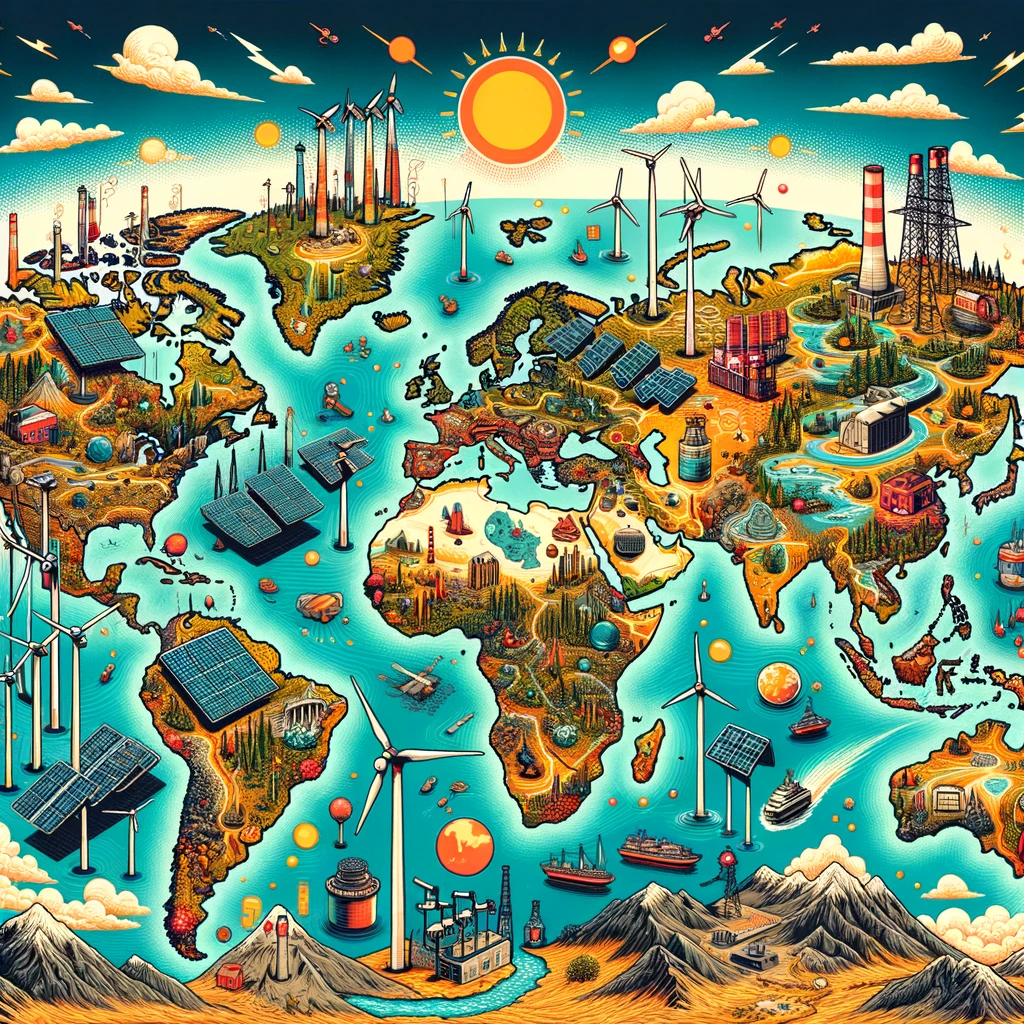
The push towards renewable energy has also fostered increased international cooperation. Countries are partnering to share technology, investment, and best practices in order to accelerate the adoption of renewable resources. International agencies and regional alliances such as the International Renewable Energy Agency (IRENA) and the European Union have been pivotal in promoting renewable energy through funding, research, and policy frameworks.
Regional Highlights and Innovations
Africa’s Emerging Role
In Africa, renewable energy is seen as a key to unlocking vast potential and addressing the perennial challenges of energy access. Countries like Kenya have invested heavily in geothermal energy, while Morocco has turned to solar power, evidenced by the construction of the Noor Ouarzazate Complex, one of the largest solar plants in the world. These developments not only aim to meet domestic energy needs but also position these countries as leaders in renewable technologies in the region.
Latin America’s Green Energy Surge
Latin America has shown remarkable progress in renewable energy deployment, thanks to its rich hydro, solar, and wind resources. Brazil, for instance, is a major player in bioenergy and hydropower, while Chile and Mexico are rapidly expanding their solar and wind capacities. The commitment to renewable energy in these countries is strengthened by supportive policies and regional integration efforts that facilitate cross-border energy trade.
Economic Impacts
The economic impact of renewable energy extends beyond energy security and environmental benefits. It is a catalyst for economic growth. By reducing energy import bills, improving energy supply reliability, and stimulating technological innovation, renewable energy can drive broader economic development. Countries investing in renewable technologies are also seeing a surge in job creation in sectors ranging from manufacturing to installation and ongoing maintenance.
The Role of Policy
Policy plays a crucial role in the acceleration of renewable energy uptake. Government incentives, such as tax benefits, subsidies, and feed-in tariffs, have been effective in fostering market growth. Policy stability and clear long-term targets are crucial for attracting investment and encouraging business and consumer adoption. Moreover, integrating renewable energy into national and regional planning underscores a government’s commitment to sustainable development.
Looking Ahead: The Future of Renewable Energy
As technology advances and the cost of renewable energy sources continues to decline, the potential for widespread adoption grows. The future landscape of renewable energy will likely be characterized by innovative integration of different energy sources, smarter energy grids, and the increasing role of digital technologies to optimize energy use.
The global community is increasingly recognizing that the future is renewable. However, achieving a fully renewable energy future requires sustained effort across technological, economic, and policy fronts. It will involve not only upgrading existing infrastructure but also building new systems that can handle increased loads and variable energy inputs.
The Cultural Dimension
The transition to renewable energy is also a cultural transformation that involves changing how communities think about and engage with energy. Education and community engagement are vital in fostering a culture that embraces sustainability and innovation. Younger generations are already more attuned to the issues of climate change and sustainability, and they are likely to continue pushing for faster adoption of renewable energy.
Conclusion
The rise of renewable energy is not just an environmental or economic issue; it is a profound transformation that affects every aspect of society. From how nations engage with each other to how individuals power their homes, renewable energy is setting the stage for a sustainable future. The journey is complex and challenging, but the direction is clear, and the pace is accelerating. With continued innovation, investment, and international cooperation, renewable energy can fulfill its potential as the cornerstone of a sustainable, prosperous future.
References
- “Energiewende: Germany’s Energy Transition.” National Geographic.
- “Denmark’s Wind Power Output.” Danish Energy Agency.
- “China’s Renewable Energy Rise.” Bloomberg New Energy Finance.
- “India’s Renewable Energy Targets.” Ministry of New and Renewable Energy, Government of India.
- “California’s Renewable Energy Portfolio Standard.” California Energy Commission.
- “Canada’s Renewable Energy Growth.” Natural Resources Canada.
- “IRENA’s Role in Global Energy Transition.” International Renewable Energy Agency.
- “Noor Ouarzazate Solar Complex.” World Bank.
- “Renewable Energy Policies in Brazil.” Ministry of Mines and Energy, Brazil.
- “Chile’s Renewable Energy Markets.” U.S. Department of Commerce.
- “Mexico’s Renewable Energy Sector.” Energy Regulatory Commission of Mexico.