
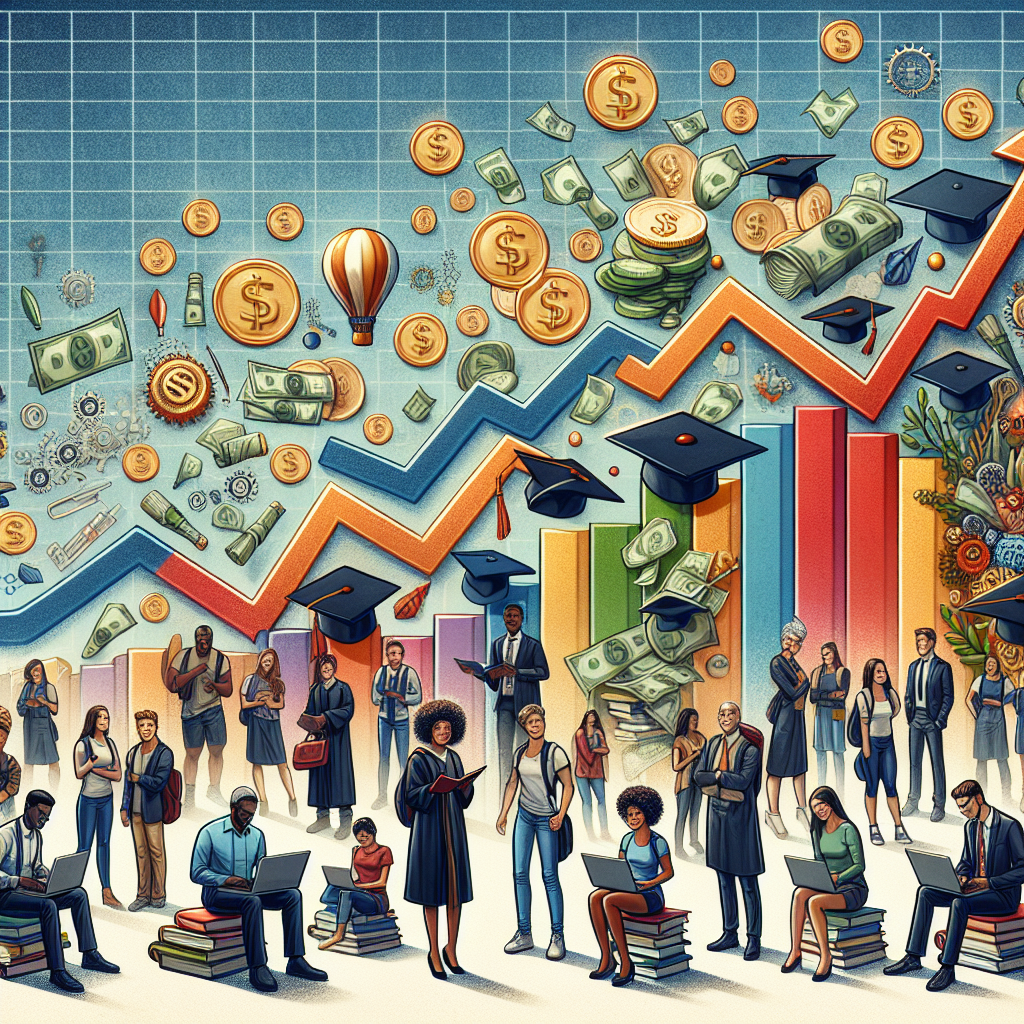
Education is not merely a fundamental human right but is also a crucial driver of economic growth and personal development. Over the years, the concept of education as an investment in human capital has gained considerable traction among economists and policymakers alike. This perspective echoes the notion that investing in education is not just about individual progress but also crucially impacts broader economic outcomes. The economics of education seeks to understand the relationship between education, economic growth, and social development. One of the most significant questions in this field is understanding the “returns to education” – the benefits individuals and societies receive from investing in education.
Analyzing the returns to education involves exploring multiple facets. On a microeconomic level, it considers how education enhances an individual’s skills and knowledge, subsequently influencing their earning potential and job opportunities. On a macroeconomic scale, it delves into how an educated workforce can promote innovation, increase productivity, and drive economic growth. So why is this analysis important? By quantifying the returns to education, policymakers can make informed decisions about allocating resources to educational programs and guiding investment strategies in human capital development. In today’s knowledge-driven economy, the value of education, both personal and societal, is more significant than ever.
Understanding Human Capital
Human capital is a core concept in the economics of education, representing the attributes gained through education, experience, and skills that enhance an individual’s productivity and earnings capacity. The theory of human capital suggests that just like physical capital – machinery, tools, and technology – investing in the education and skills of the workforce can lead to greater economic output. The term was popularized in the 1960s by economists like Gary Becker and Theodore Schultz, who argued that investment in human capital is as critical to economic growth as investments in physical capital.
The intrinsic value of human capital is seen in its capacity to equip people with the necessary competencies to perform effectively in the workforce. By doing so, education enhances productivity, increases earning potential, and alleviates poverty. However, human capital isn’t solely confined to economic metrics. It also encompasses non-monetary aspects such as improved health practices, civic participation, and reduction in crime rates, demonstrating education’s breadth of impact on society. Distinguishing human capital from other forms of capital emphasizes why investments in education are prioritized: it continuously grows and adapts, benefitting from innovation and technology advancements, making it one of the most promising paths towards sustainable economic growth and societal advancement.
Microeconomic Returns to Education
Microeconomic returns to education focus on the individual-level outcomes of educational investments. At its core, the idea centers on the increased earnings potential associated with higher educational attainment. Empirical research consistently shows that individuals with higher education levels typically earn more than those with lesser qualifications. This earnings differential is often quantified through measures such as the “rate of return” on education, which compares the costs of educational investment to the subsequent stream of financial benefits.
Beyond monetary gains, the microeconomic returns also encompass social and psychological benefits. Education can open doors to better employment opportunities, contribute to job satisfaction, and provide social status improvements. Furthermore, education often leads to better health outcomes and increased life expectancy, creating a virtuous cycle of benefits. These non-pecuniary returns further enhance individual well-being and personal development. More educated individuals are also more adaptable in an ever-changing job market, equipped with diverse skills that make them more resilient to economic shifts and downturns. This adaptability reduces unemployment risks and supports longer-term career growth, underlining the comprehensive value of educational investments.
Macroeconomic Returns to Education
On a macroeconomic level, the returns to education are reflected in the broader impacts on national economic growth and stability. A more educated workforce is generally more productive and innovative, contributing positively to GDP growth. Countries with higher education levels often experience more significant economic expansion as they benefit from a labor market that can support advanced technological industries and high-skill sectors. Education fuels technological progress by providing individuals with the skills necessary for research, development, and innovation.
Education also plays a critical role in fostering social cohesion and reducing inequality. By providing equitable access to quality education, societies can reduce income disparities and promote inclusive economic growth. Furthermore, educated populations are generally more politically aware and active, contributing to stable governance and robust democratic institutions. In developing countries, education is a vital tool for breaking the cycle of poverty and promoting sustainable development. It empowers individuals, particularly women and marginalized communities, enabling them to participate fully in economic activities and make informed choices that affect their lives and surroundings. Thus, the macroeconomic returns to education resonate through various facets of societal progress and development.
Investment Decisions in Education
Investing in education involves crucial decision-making processes at both individual and policy levels. Individuals must weigh the costs, including tuition fees, time, and effort, against the expected benefits, such as higher salaries and career advancement. Policy decisions involve determining how best to allocate public funding across different educational levels and sectors to maximize societal benefits.
The decision-making process is complex, influenced by factors such as economic conditions, labor market demand, and personal aspirations. At a policy level, governments must consider the optimal use of resources to ensure access, equality, and quality of education for all citizens. Investments in primary and secondary education lay the foundation for future learning, while investments in higher education and vocational training are crucial for specialized skills development and meeting labor market needs. Moreover, the rapidly changing economic landscape demands continuous learning and skills upgrading, highlighting the importance of lifelong learning and adult education. These decisions are further complicated by questions of equity and access, as investments must ensure opportunities for all segments of the population, particularly disadvantaged groups.
Challenges and Limitations
Despite the clear benefits, there are challenges and limitations associated with measuring and optimizing returns to education. One significant challenge is the issue of measurement. Accurately assessing the returns to education can be complex due to the multitude of influencing variables, such as geographic location, field of study, and variations in education quality. Moreover, external economic factors like recessions and labor market shifts can impact earnings outcomes, complicating the analysis.
Another challenge is balancing access and quality. Expanding access to education is essential for equity, but it must be accompanied by improvements in quality to ensure positive outcomes. In some areas, rapid expansions in education systems have led to overcrowding, insufficient resources, and declines in educational standards. Additionally, the cost of education can be a barrier for many, limiting access for low-income families and posing challenges to achieving equitable outcomes. Addressing these complexities requires multifaceted strategies, including financial aid programs, policy reforms, and targeted investments to ensure both access and quality. Countries need to tailor their educational policies to address specific national contexts and challenges, balancing short-term resource constraints with long-term goals for economic and social development.
Conclusion
The economic analysis of returns to education underscores the critical role of education as both an individual and public investment. Education stands as a pillar of human capital development, contributing not only to personal advancement but also to broader economic and societal progress. By enhancing skills, improving productivity, and fostering innovation, education serves as a cornerstone for sustainable economic growth and prosperity.
While there are inherent challenges in optimizing these returns, the significance of education investments remains undisputed. Policymakers and individuals alike must continue to invest wisely in education to ensure that the benefits are realized across all levels of society. This entails establishing policies that promote equitable access, improving educational quality, and encouraging lifelong learning. As global economies evolve, the adaptability and resilience fostered through education become ever more vital, ensuring that societies can meet the complex demands of the future with confidence. Ultimately, education remains a powerful lever, capable of pulling entire populations towards greater prosperity, equity, and cohesion in a rapidly changing world.


