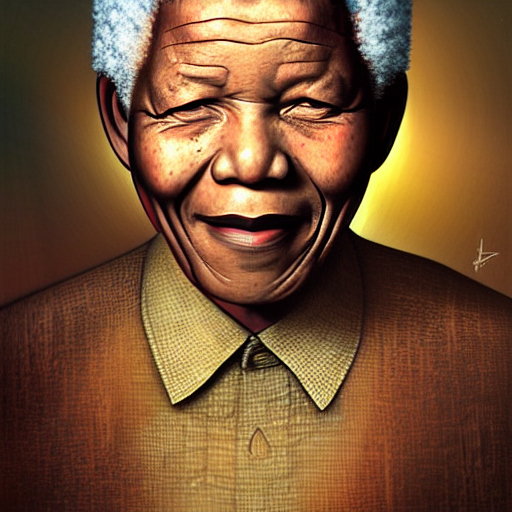
Rembrandt Harmenszoon van Rijn, the revered Dutch painter and etcher, is a towering figure in art history, often hailed as the epitome of the Dutch Golden Age. Born in 1606 in Leiden, Netherlands, Rembrandt’s life and career are as rich and varied as the canvases he created. His mastery of light, shadow, and texture not only accented his works but also immortalized the faces and scenes of his era. Over his lifetime, Rembrandt produced an astonishing array of portraits, self-portraits, landscapes, and biblical scenes that have left an indelible mark on the world of art. In a time when the Netherlands was experiencing a surge in cultural, economic, and scientific progress, Rembrandt’s contributions helped shape the artistic legacies of not just his homeland but of European art as a whole.
The Dutch Golden Age, spanning the 17th century, was a period of great wealth, cultural advancement, and artistic innovation. Rembrandt’s works encapsulate the essence of this era, reflecting the society’s intricacies and his personal life’s tumultuous journey marked by great success and profound tragedy. This introduction delves into Rembrandt’s early beginnings, his rise to prominence, and the elements that set him apart as a luminary in the art world. It establishes the foundation for exploring his stylistic evolution, major works, and enduring legacy.
Early Life and Artistic Training
Rembrandt was the ninth child of Harmen Gerritszoon van Rijn, a miller, and Neeltgen Willemsdochter van Zuytbrouck. Despite his modest origins, he showed an early aptitude for art, which led his family to encourage his training. At the age of 14, he matriculated at the University of Leiden but left soon after to pursue his passion for painting. His early artistic training was under the tutelage of Jacob van Swanenburgh, a local master in Leiden, who specialized in historical scenes. Here, Rembrandt’s foundational skills in handling complex compositions and understanding historical subject matter were honed. After three years, he moved to Amsterdam to apprentice under the more prominent artist Pieter Lastman.
Pieter Lastman was renowned for his history paintings and introduced young Rembrandt to a broader array of artistic techniques and the narrative potential of art. Lastman’s influence is apparent in Rembrandt’s early works, which often depicted biblical and mythological scenes with vivid detail and emotional intensity. Despite his relatively brief training period with Lastman, who later acknowledged Rembrandt’s unique potential, these years were pivotal. Rembrandt gleaned insights into the delicate interplay of light and shadow, the depth of human emotion, and the nuanced narrative capabilities of visual art.
Rise to Prominence and Artistic Techniques
Returning to Leiden in 1624, Rembrandt started his own workshop and began accepting pupils, signaling his evolving reputation. Collaborating with friend and fellow artist Jan Lievens, he developed a distinct style that began to attract attention. Rembrandt’s careful study of light and shadow, or chiaroscuro, set him apart from his contemporaries. His portraits became particularly renowned for their lifelike quality and psychological depth; they were not just representations but insightful depictions of his subjects’ inner lives. Rembrandt’s ability to infuse everyday scenes with a sense of grandeur and intimacy marked a significant deviation from the formal, stylized portraits prevalent at that time.
By 1631, his growing acclaim led him to move permanently to Amsterdam, the thriving cultural heart of the Dutch Republic. Amsterdam’s affluent patrons and vibrant art market provided fertile ground for his burgeoning career. It was here that Rembrandt produced some of his most significant works. His use of impasto, where paint is laid on in thick layers, gave his paintings a textured, almost sculptural quality. This technique, combined with his bold use of lighting to create mood and focus, revolutionized the art of portraiture and narrative painting. His masterpiece, “The Night Watch,” completed in 1642, epitomizes these elements. The dynamic composition, dramatic lighting, and meticulous attention to detail underscore his genius and his profound impact on Baroque art.

Major Works and Artistic Evolution
Rembrandt’s body of work is vast and varied, reflecting his broad interests and evolving style. Among his notable early works is “The Anatomy Lesson of Dr. Nicolaes Tulp” (1632), which exemplifies his skill in capturing collective dynamics and individual expressions. This group portrait, commissioned by the Amsterdam Guild of Surgeons, demonstrates his keen observational skills and ability to imbue scientific inquiry with a sense of theatrical drama. His use of lighting to draw attention to the central action while highlighting the curiosity and engagement of the onlookers is particularly striking.
In addition to group portraits, Rembrandt’s self-portraits form a remarkable chronological record of his life and artistic development. Over 40 self-portraits spanning four decades allow us to observe his evolution both as an artist and as a man. These works reveal his unflinching honesty and introspection, ranging from the confident and ambitious young artist to the aged and wearied man facing personal and financial difficulties. Key examples are “Self-Portrait as a Young Man” (1628) and the introspective “Self-Portrait with Two Circles” (1665-1669).
His biblical and mythological paintings also stand out, reflecting his deep engagement with human emotion and moral complexity. Works such as “The Blinding of Samson” (1636) and “The Return of the Prodigal Son” (1669), highlight his ability to convey powerful narratives through dramatic compositions and expressive characterizations. These paintings continue to be studied for their narrative depth, technical skill, and emotional resonance, underscoring Rembrandt’s status as a master storyteller in visual form.
Influence and Legacy
Rembrandt’s influence on subsequent generations of artists is profound and far-reaching. His mastery of light and shadow, emotional depth, and innovative techniques have inspired countless artists from various movements and time periods. Notable among his followers were the Rembrandtists, a group of artists who closely emulated his style during the 17th and 18th centuries. His impact extended beyond Europe, influencing prominent figures in the Romantic, Realist, and Impressionist movements.
Artists such as Francisco Goya, Vincent van Gogh, and even Pablo Picasso have acknowledged Rembrandt’s profound impact on their works. Goya admired Rembrandt’s ability to depict the human condition with raw honesty and emotional intensity. Van Gogh’s expressive use of color and brushstrokes can be traced back to Rembrandt’s innovative techniques. Picasso drew inspiration from Rembrandt’s explorations of human psychology and the complexity of the human experience.
Moreover, Rembrandt’s works continue to be the subject of extensive scholarly research, exhibitions, and critical analysis. His pieces are housed in major museums and collections worldwide, attracting millions of visitors each year. The Rijksmuseum in Amsterdam, which holds an extensive collection of his works, remains a pilgrimage site for art lovers and scholars. The enduring popularity of his works speaks to their timeless appeal and the universal themes they address.
Personal Life and Challenges
While Rembrandt’s professional life was marked by considerable achievements, his personal life was fraught with challenges and tragedies. He faced significant financial difficulties despite his success and high-profile commissions. Rembrandt’s lavish lifestyle and poor financial management led to bankruptcy in 1656, forcing him to sell his house and personal collection of art and antiquities. This period marked a downturn in his career, yet he continued to produce remarkable works that reflected his resilient spirit and undiminished artistic prowess.
His personal life was also marked by profound loss. Rembrandt experienced the deaths of three of his children in infancy and his beloved wife, Saskia van Uylenburgh, in 1642. These tragedies deeply affected him and influenced his work, infusing it with a poignant sense of loss and introspection. His later years were spent with his companion, Hendrickje Stoffels, and their daughter, Cornelia. Despite these hardships, his later works are characterized by a mature style that demonstrates his enduring creativity and technical skill.
Conclusion
Rembrandt Harmenszoon van Rijn remains a monumental figure in the annals of art history. His extraordinary body of work not only epitomizes the artistic achievements of the Dutch Golden Age but also continues to resonate with audiences today. Through his innovative techniques, profound emotional depth, and masterful storytelling, Rembrandt has left an indelible legacy that transcends time and geography. His life, marked by both triumph and tragedy, is a testament to his enduring genius and the transformative power of art.
In studying Rembrandt, we gain insights not only into the artistic landscape of 17th-century Netherlands but also into the human condition itself. His works invite us to reflect on themes of identity, mortality, and the complexities of human emotion. They challenge us to look beyond the surface and consider the deeper narratives and emotions that shape our lives. As we continue to explore and appreciate Rembrandt’s oeuvre, we are reminded of the timeless relevance of his art and its capacity to illuminate the darkest and brightest aspects of the human experience.