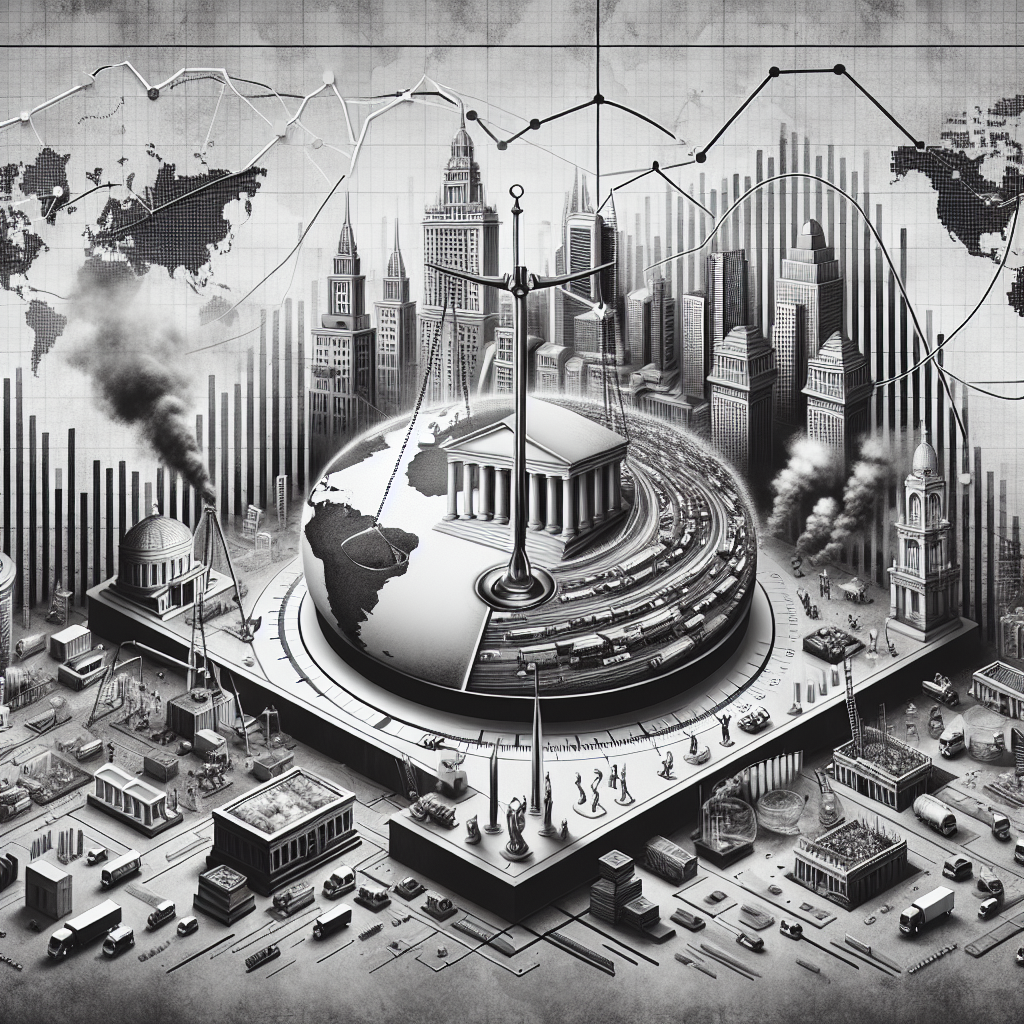
The landscape of global economic development is intricately tied to the political institutions governing individual countries. Understanding how political frameworks influence economic outcomes is not just an academic exercise but a practical necessity for policymakers, business leaders, and the general public. Various theories highlighting the interplay between political and economic dynamics suggest that political institutions play a pivotal role in shaping economic performance. This article aims to delve deep into the connection between political institutions and economic performance, illuminating how structures of governance can either bolster or hamper economic progress. Encompassing an array of elements including the rule of law, property rights, corruption levels, and the effectiveness of democratic processes, we will explore the underlying mechanisms that define this critical relationship.
Indeed, an ineffective political setup can hinder economic performance, leading to poverty and social stagnation. Conversely, robust political institutions can create an environment conducive to economic miracles, where innovation and entrepreneurship thrive. Given that these institutions determine the rules of the game, they ultimately direct how resources are allocated, how markets function, and how wealth is distributed. Therefore, examining political institutions provides valuable insights into the broader economic health and potential growth trajectories of nations.
From the historical transformation of economies under different political regimes to modern-day empirical case studies, this article will cover multiple facets of the topic. By presenting a balanced view supported by theoretical and empirical data, our goal is to provide a comprehensive understanding of why political institutions matter so much for economic performance. Whether you are a student of social studies and economics or an engaged citizen, understanding this relationship is crucial for making informed decisions in a rapidly changing world.
Political Stability and Economic Growth
One of the most significant aspects of political institutions is the degree of political stability they provide. Political stability refers to the consistency and predictability of a country’s political environment. In stable political systems, businesses, investors, and citizens operate within an environment where the rules are predictable, and the chances of arbitrary changes in laws or policies are minimized. This stability fosters a conducive atmosphere for long-term investment and economic planning, essential for sustainable economic growth.
Take, for instance, the economic performance of countries like Switzerland and Singapore. Both nations are exemplary cases where political stability has resulted in consistent economic growth. On the flip side, countries that suffer from political instability, such as those experiencing frequent government changes, coups, or civil strife, often struggle to achieve economic growth. In these environments, the uncertainty associated with political instability discourages investment and leads to capital flight, ultimately stifling economic performance.
Economic theory posits that secure property rights, upheld by a stable political system, are fundamental for economic development. When individuals and businesses are confident that their assets are protected by law, they are more likely to invest in long-term projects. Thus, political stability is not merely about the absence of conflict but also about the consistent application of laws and policies that support economic activities.
Rule of Law and Property Rights
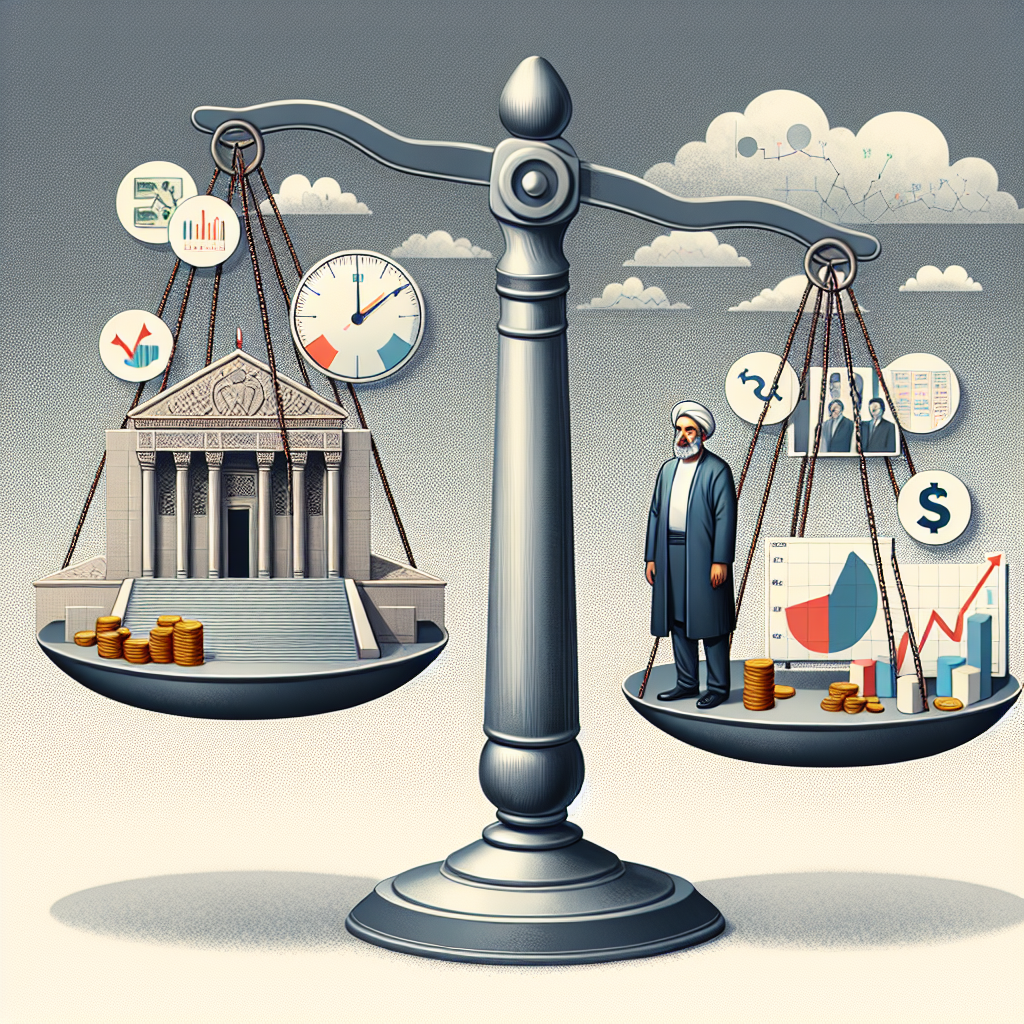
A core component of effective political institutions is the rule of law, which ensures that everyone in the society, including the government, is subject to the law. The rule of law is the foundation upon which secure property rights are built, and it plays a critical role in economic performance. When the rule of law is upheld, it assures individuals and businesses that they can own property, engage in contracts, and conduct business without fear of unjust seizure or arbitrary government interference. This security is crucial for fostering economic activities and attracting foreign investment.
Property rights are particularly important as they serve as incentives for individuals to invest in their assets. When people are assured that they will benefit from their investments, they are more likely to put in the effort and resources required to enhance productivity and innovation. For example, countries with well-established property rights systems, like the United States and Germany, have seen significant economic advancements and high levels of innovation.
Contrarily, in countries where the rule of law is weak and property rights are insecure, economic performance tends to suffer. Investors are reluctant to commit their resources in such environments, leading to a cycle of underinvestment and economic stagnation. Case studies from countries with weak legal systems demonstrate how businesses often divert resources to safeguard their assets rather than invest in productive ventures, thereby hindering overall economic growth.
Democratic Processes and Economic Policy
The nature of democratic processes within political institutions also has a profound impact on economic performance. Democracies, characterized by fair and free elections, transparency, and accountability, often implement policies that are more inclusive and beneficial for economic growth. The democratic framework allows for the participation of a broad spectrum of society in the decision-making process, ensuring that economic policies reflect the collective will and needs of the people.
Democracies tend to have better mechanisms for addressing grievances and ensuring that various interest groups are heard. This inclusiveness not only stabilizes the political environment but also fosters a sense of ownership and trust among citizens. As a result, democratic nations often outperform their autocratic counterparts in terms of economic indicators such as GDP growth, innovation, and overall well-being.
However, it is worth noting that the relationship between democracy and economic performance is complex and not always linear. For instance, some authoritarian regimes have managed to achieve substantial economic growth despite the absence of democratic processes. Examples include China and Vietnam, where strong central governments have implemented robust economic policies resulting in impressive growth rates. Therefore, while democracy generally provides a conducive environment for economic activities, it is not the sole determinant of economic performance.
Corruption and Economic Inefficiency
Corruption is a significant hindrance to economic performance and is often exacerbated by weak political institutions. Corruption distorts economic incentives, undermines the rule of law, and leads to an inefficient allocation of resources. When public officials engage in corrupt practices, they divert resources meant for public welfare and sustainable development into private hands, often leading to increased inequality and societal discontent.
The economic costs of corruption are substantial. It imposes a hidden tax on businesses, as companies often have to bribe officials to get permits, win contracts, or avoid bureaucratic red tape. These additional costs discourage investment and lead to inefficiencies, ultimately inhibiting economic growth. Studies have shown that countries with high levels of corruption tend to have lower levels of investment, weaker economic performance, and slower poverty reduction rates.
Fighting corruption requires strong political institutions that enforce transparency, accountability, and the rule of law. Anti-corruption measures such as independent anti-corruption agencies, transparent procurement processes, and robust judicial systems are essential for curbing corrupt practices and promoting economic development. Countries like Scandinavia, with low levels of corruption and strong political institutions, consistently rank high in economic performance indicators, illustrating the inverse relationship between corruption and economic growth.
Globalization and Political Economy
The forces of globalization have further complicated the relationship between political institutions and economic performance. Globalization has led to increased interconnectedness and interdependence among countries, making domestic political institutions more susceptible to global economic trends and external shocks. Therefore, strong political institutions that can effectively manage these external influences are crucial for maintaining economic stability and growth.
For instance, open economies that are integrated into the global market system benefit from increased trade, investment, and technology transfer. However, the gains from globalization are often unevenly distributed, leading to economic disparities and social tensions. Countries with strong political institutions can implement policies that mitigate the negative effects of globalization, such as social safety nets and inclusive economic policies, ensuring that the benefits of globalization are widely shared.
Conversely, countries with weak political institutions may struggle to cope with the complexities of the global economy, leading to economic vulnerabilities and slow growth. The ability to navigate the challenges posed by globalization, such as financial crises, trade imbalances, and volatile capital flows, hinges on the robustness of political institutions. Effective governance, sound economic policies, and strategic international partnerships are essential for leveraging globalization for sustained economic growth.
Conclusion
In conclusion, political institutions are fundamental determinants of economic performance. Political stability, the rule of law, secure property rights, democratic processes, and low levels of corruption—these elements collectively create an environment that fosters economic growth and development. The interplay between these political factors and economic outcomes is complex and multi-faceted, but the significance of strong political institutions cannot be overstated.
While there are examples of countries achieving economic growth under varying political regimes, the preponderance of evidence suggests that robust political institutions are conducive to sustainable economic development. For policymakers, business leaders, and citizens alike, understanding this relationship is crucial for making informed decisions that promote economic well-being.
As the world continues to evolve, the importance of resilient political institutions will only grow. From managing globalization’s challenges to ensuring equitable economic policies, effective political institutions are key to navigating the complexities of the modern global economy. As we look to the future, investing in and strengthening these institutions should remain a top priority for all stakeholders committed to achieving long-term economic prosperity.