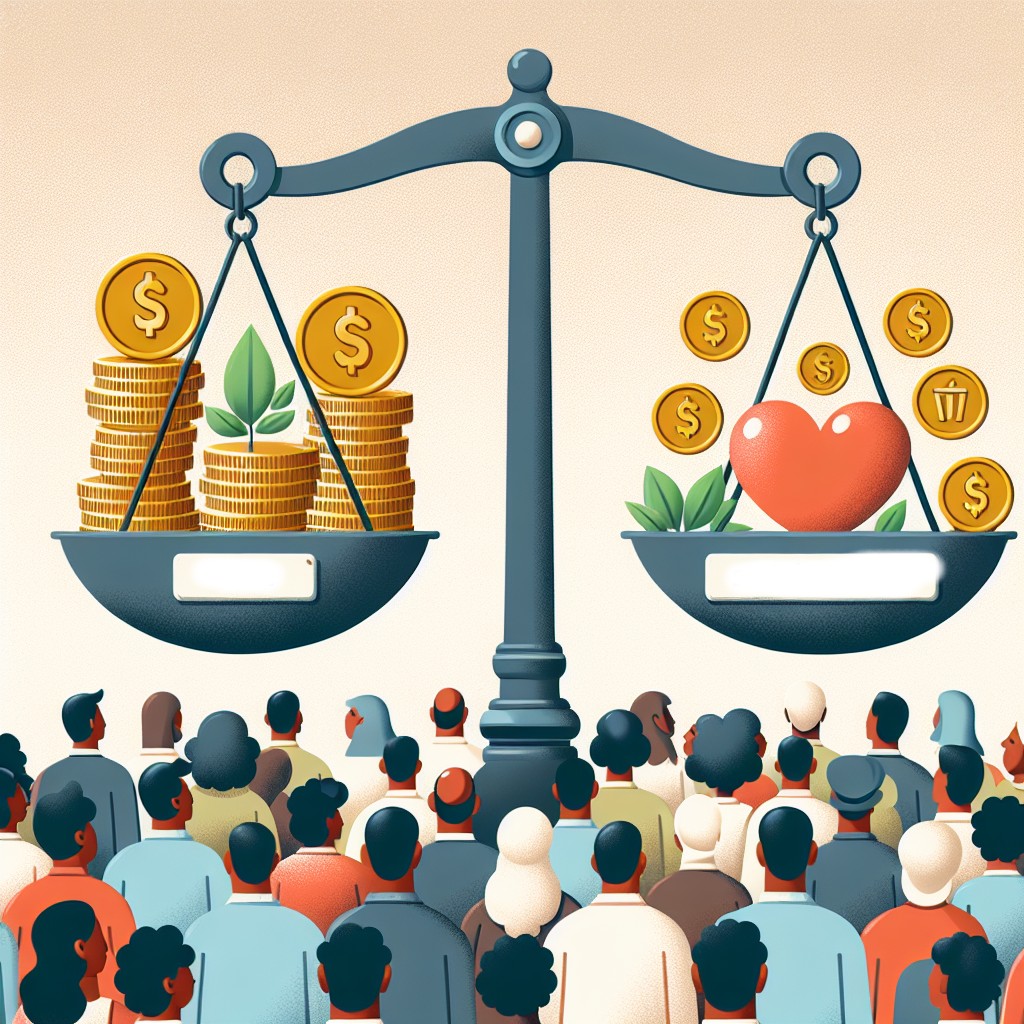
The concept of redistribution lies at the heart of political economy, examining how resources are allocated and reallocated within a society. Redistribution typically happens through mechanisms such as taxes, transfers, and social welfare programs, aiming to achieve a more equitable distribution of wealth and access to essential services. The political economy of redistribution encompasses not only economic theories but also the political realities and social considerations that shape these policies. This article delves into the critical elements of redistribution, exploring how taxes, transfers, and social welfare contribute to economic equity and social justice.
Understanding Redistribution
Redistribution refers to the process through which wealth and resources are transferred from certain groups to others, with the intention of reducing economic inequalities. Taxes are the primary tools for this process, enabling governments to collect revenue that can then be directed towards various social welfare programs and public services. Redistribution is often viewed through the lens of both equity and efficiency. Equity concerns focus on fairness and justice in the allocation of resources, while efficiency concerns look at the optimal use of resources to maximize overall social welfare.
The Role of Taxes in Redistribution
Taxes are a fundamental component of any redistributive effort. Progressive taxation, where higher-income individuals are taxed at higher rates, seeks to balance income disparities and fund public services that benefit lower-income groups. There are various forms of taxes, including income tax, property tax, sales tax, and corporate tax. Each has its own impact on redistribution. Income tax, particularly when designed progressively, plays a significant role in redistributive policies. Property taxes can also serve as a means of reducing wealth inequality, especially in areas where property values vary widely. Corporate taxes ensure that businesses contribute to the public good.
Transfers and Social Welfare Programs
Transfers refer to the direct provision of goods, services, or money from the government to individuals or groups. Social welfare programs are the most common form of transfers, including programs like Social Security, unemployment benefits, food assistance, and healthcare subsidies. These programs aim to provide a safety net for those in need, reducing poverty and improving overall living standards. Conditional cash transfers, where recipients must meet certain criteria like sending children to school or getting regular health check-ups, have been successful in both developed and developing countries. They not only provide financial support but also promote positive social behaviors.
Political Considerations in Redistribution
Redistributive policies are deeply intertwined with political ideologies and considerations. Political parties often have different views on the extent and nature of redistribution. For instance, left-leaning parties may advocate for more extensive redistribution through higher taxes on the wealthy and increased spending on social welfare programs. Conversely, right-leaning parties tend to favor lower taxes and reduced government intervention, arguing that economic growth driven by market forces will naturally lead to better outcomes for everyone. Public opinion also plays a crucial role in shaping redistribution policies, as governments need popular support to implement and sustain these measures.
Economic Impacts of Redistribution
The economic impact of redistribution can be profound. On one hand, redistribution through social welfare programs can stimulate consumption by increasing the disposable income of lower-income households, thereby boosting economic growth. On the other hand, there are concerns that high taxes and extensive welfare programs might disincentivize work and productivity, potentially slowing down economic growth. Economists often debate the balance between the short-term benefits of reducing poverty and inequality and the long-term effects on economic performance. Empirical evidence suggests that moderate redistribution can enhance social stability and economic performance, but overly aggressive redistribution may pose economic risks.
Global Perspectives on Redistribution
Different countries adopt varied approaches to redistribution based on their unique historical, social, and economic contexts. Scandinavian countries are often cited as successful examples of extensive redistribution, where high taxes fund robust social welfare systems, resulting in low poverty levels and high living standards. In contrast, the United States maintains a more market-oriented approach with relatively lower taxes and less comprehensive social welfare programs, leading to greater income inequality but higher levels of entrepreneurship and innovation. Developing countries face unique challenges in redistribution due to limited resources and greater levels of poverty, often requiring international aid and support to implement effective redistribution policies.
Conclusion
The political economy of redistribution encompasses complex, multifaceted issues that blend economics, politics, and social considerations. Taxes, transfers, and social welfare programs are essential tools for redistributing wealth and ensuring a more equitable society. However, the extent and manner of redistribution are subjects of ongoing debate and varying political ideologies. The goal is to achieve a balance that promotes economic equity and social justice, while also fostering sustainable economic growth. As societies evolve and new challenges arise, so too will the approaches to redistribution, continually reshaping the landscape of political economy.


