The relationship between humans and the environment has been a central theme in various cultures throughout history. From the animistic beliefs of ancient tribes to the modern environmental movement, the reverence for nature has taken many forms. This article delves into the evolution of environmental practices and beliefs across different cultures, offering insights into how our ancestors interacted with the natural world and how these practices have shaped modern environmentalism.
Animism: The Roots of Nature Worship
The Dawn of Spiritual Ecology
Animism, considered the oldest form of religion, is based on the belief that all elements of the natural world possess a spiritual essence. Ancient cultures across the globe, from the indigenous tribes of the Amazon to the shamans of Siberia, practiced animism. This belief system fostered a deep respect for nature, as people saw themselves as part of a larger, interconnected web of life.
Practices and Rituals
Animistic cultures performed rituals to honor and appease the spirits of nature. The Ainu people of Japan, for example, held ceremonies to thank the spirits of hunted animals, reflecting a profound respect for the wildlife they depended on. Similarly, Native American tribes conducted elaborate ceremonies to ensure a harmonious relationship with the Earth.
Ancient Civilizations and Nature Worship
Egyptian and Mesopotamian Practices
In ancient Egypt and Mesopotamia, the environment played a pivotal role in shaping religious beliefs. The Egyptians revered the Nile River as a god, embodying the life-giving force that made their agricultural society possible. Mesopotamian civilizations had gods for elements like water and wind, indicating a deep understanding of nature’s power.
Greek and Roman Contributions
The Greeks and Romans had deities for various aspects of nature, like Demeter, the goddess of agriculture, and Neptune, the god of the sea. These cultures understood the importance of natural resources and the need to maintain balance in the environment.
Eastern Philosophies and Nature
Taoism and the Harmony with Nature
Taoism, an ancient Chinese philosophy, emphasizes living in harmony with the Tao, or the way of nature. This philosophy advocates for a simple, contemplative life in close connection with the natural world, and it has profoundly influenced Chinese attitudes towards nature.
Buddhism and Environmental Consciousness
Buddhism teaches respect for all living beings and the interdependence of life and the environment. The Buddhist concept of karma extends to how one treats the environment, promoting a compassionate and mindful interaction with the natural world.
Indigenous Cultures and Environmental Stewardship
Native American Environmental Ethics
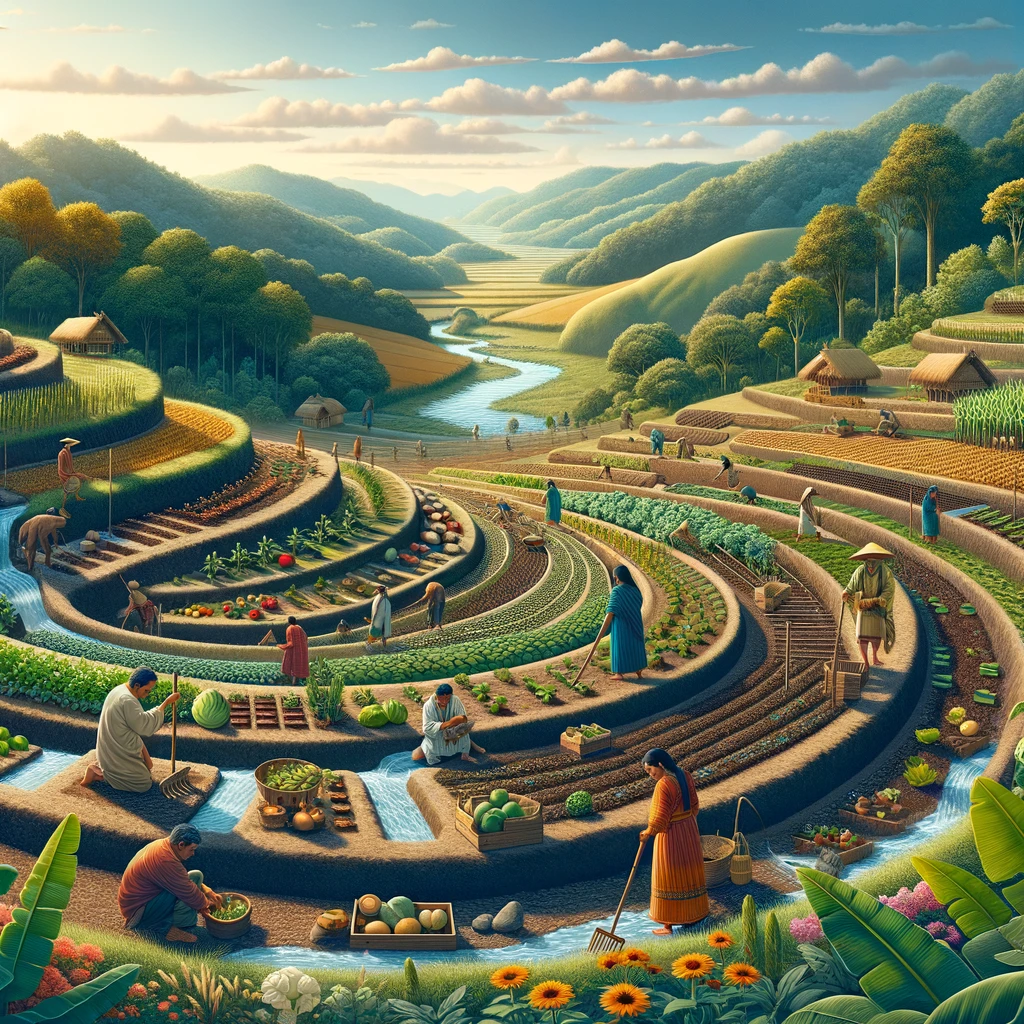
Native American tribes have long exhibited a deep connection with the environment. Their spiritual beliefs are deeply entwined with land, water, and wildlife. Practices such as crop rotation and controlled burning exhibit an early understanding of sustainable living.
African Tribal Practices
In Africa, many tribes have traditional practices that demonstrate a profound respect for nature. Rituals and taboos around certain species or places helped in the conservation of biodiversity and the maintenance of ecological balance.
The Impact of Industrialization on Environmental Practices
The Shift in Perspective
With the advent of the Industrial Revolution, the relationship between humans and the environment began to change dramatically. Nature was increasingly seen as a resource to be exploited rather than a sacred entity to be revered. This shift led to unprecedented environmental degradation.
Colonialism and Environmental Exploitation
Colonialism further exacerbated environmental destruction. Colonized lands were often exploited for their natural resources, with little regard for the long-term impact on the environment or indigenous cultures.
Modern Environmentalism: Reconnecting with Nature
The Rise of the Environmental Movement
In response to growing environmental concerns, the modern environmental movement emerged in the mid-20th century. Pioneers like Rachel Carson and Aldo Leopold advocated for a new way of thinking about the relationship between humans and the natural world.
Incorporating Ancient Wisdom
Today, there is a growing recognition of the value of traditional environmental knowledge. Indigenous and local communities are increasingly being acknowledged as vital stewards of biodiversity and are playing a crucial role in conservation efforts.

Contemporary Challenges and Cultural Responses
Climate Change and Global Action
In the face of contemporary challenges like climate change, various cultures are drawing on their traditional practices to contribute to global environmental efforts. For example, the concept of “Ubuntu” in Southern Africa, which emphasizes communal interdependence, is being used to foster a sense of collective responsibility for the environment.
Preserving Biodiversity through Traditional Knowledge
Many indigenous cultures possess extensive knowledge about local ecosystems, which is invaluable for biodiversity conservation. The use of indigenous knowledge in managing forests, watersheds, and other ecosystems has proven effective in preserving biodiversity while also respecting cultural heritage.
Integrating Traditional and Modern Practices
Sustainable Development Goals (SDGs) and Indigenous Wisdom
The United Nations’ Sustainable Development Goals recognize the importance of integrating indigenous wisdom into modern sustainability practices. This integration is vital in creating more effective and culturally sensitive environmental policies.
Eco-Spirituality and Environmental Ethics
Eco-spirituality, which merges spiritual beliefs with environmental activism, is gaining traction. This movement seeks to revive the spiritual reverence for nature found in many ancient cultures and combine it with modern environmental ethics to inspire action against ecological degradation.
Technological Advances and Environmental Stewardship
Harnessing Technology for Environmental Protection
Advancements in technology offer new ways to protect the environment. For example, satellite monitoring of deforestation and AI in wildlife conservation are modern tools being used to address environmental issues. These technologies, when used in conjunction with traditional practices, can enhance our ability to safeguard natural resources.
Renewable Energy and Traditional Practices
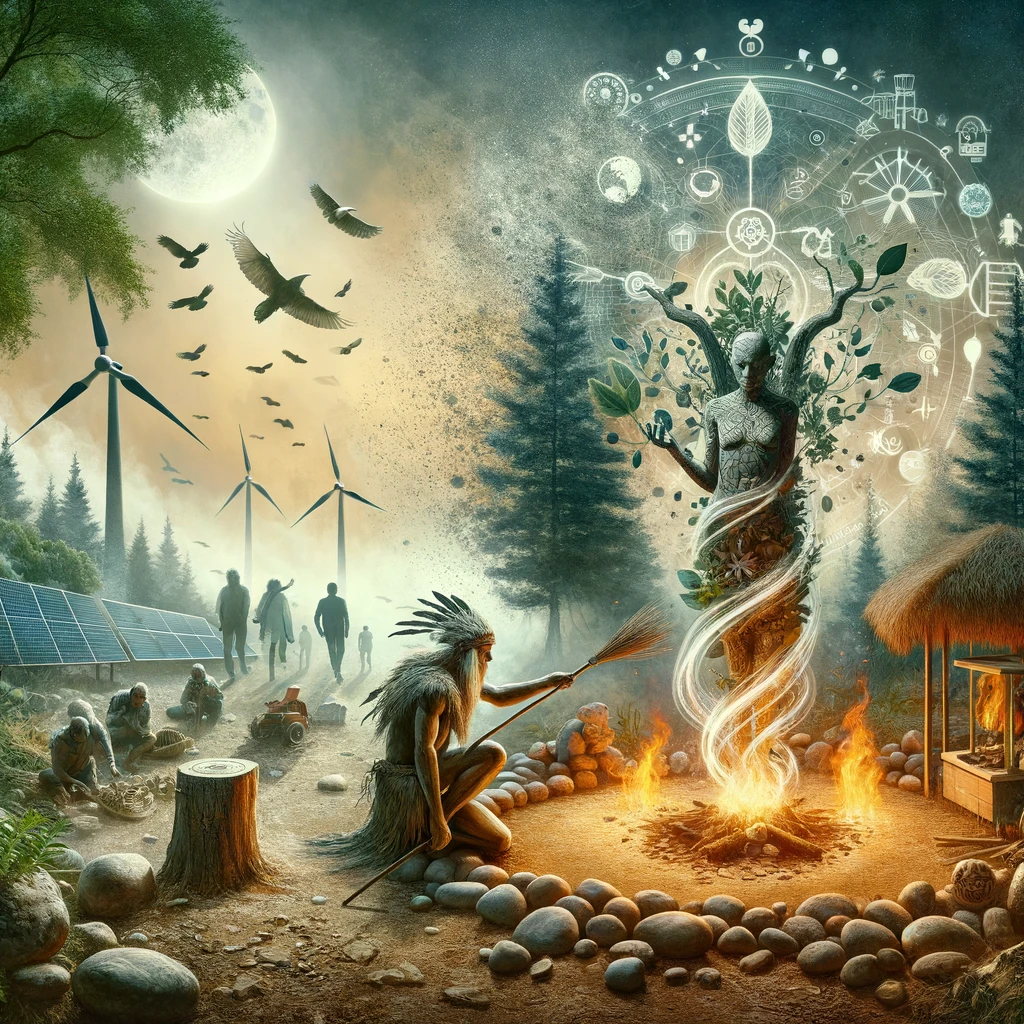
Many cultures are turning to renewable energy sources, like solar and wind power, which align with traditional values of harmony with nature. For instance, some Native American tribes have invested in solar energy projects that reflect their longstanding respect for the sun as a sacred entity.
The Role of Education in Environmental Practices
Educational Initiatives and Cultural Heritage
Educational programs that incorporate environmental stewardship and cultural heritage are crucial in fostering a new generation of environmentally conscious individuals. These programs often include teachings about traditional environmental practices alongside modern ecological science.
Community Involvement and Empowerment
Community-driven environmental initiatives are effective in promoting sustainable practices. By involving local communities, particularly indigenous groups, in environmental decision-making, there is a greater likelihood of success and sustainability of environmental initiatives.
The Future of Environmentalism
A Multifaceted Approach
The future of environmentalism lies in a multifaceted approach that combines ancient wisdom with modern science. Recognizing and respecting the diverse environmental practices of different cultures is crucial in addressing global environmental challenges.
Collaboration and Global Partnerships
Collaboration between nations, indigenous communities, and international organizations is essential for effective environmental management. Global partnerships that respect cultural diversity and promote knowledge exchange can lead to more sustainable and inclusive environmental policies.
Conclusion
The tapestry of environmental practices across cultures, from ancient animism to modern environmentalism, presents a rich legacy of human interaction with the natural world. By embracing the wisdom of our ancestors and integrating it with contemporary understanding and technology, we can forge a path towards a more sustainable and equitable future for all. This journey requires respect, collaboration, and a deep reverence for the planet we call home.
This comprehensive exploration of environmental practices across cultures offers insights into how we can draw on the wisdom of the past to address the environmental challenges of the present and future. With continued efforts to integrate these diverse perspectives, there is hope for a sustainable and harmonious relationship between humanity and nature.