The quest for equality and civil rights in America has seen many pioneering figures, but one name that continually resonates through history is Martin Luther King Jr. Not just a figurehead but an embodiment of the dream for a just society, King’s work in the field of social justice and civil rights has indelibly altered the socio-political landscape of the United States and the world. His life’s mission of eradicating racial discrimination and promoting peaceful resistance has been a beacon of hope and has inspired countless movements globally. As we delve deeper into his life, work, and enduring legacy, we uncover the profound impact he had on the Civil Rights Movement and why he remains a cornerstone in the fight for social justice.
Born on January 15th, 1929, in Atlanta, Georgia, Martin Luther King Jr. emanated leadership even from a young age. Against a backdrop of systemic discrimination and segregation, King empowered individuals through his message of love, equality, and unyielding faith in justice. His intellectual prowess, articulated through eloquent speeches and writings, coupled with a robust organizational strategy, ensured that his impact transcended beyond immediate policy changes and touched the very hearts and minds of people across different racial and cultural backgrounds.
This article aims to shed light on the life of Martin Luther King Jr., exploring his contributions to social change, leadership strategies, and the profound legacy he left as a revolutionary figure in the context of social equality. His story is not just about the victories and challenges of his era but continues to inspire contemporary social movements striving for equality and justice.
Early Life and Education
Martin Luther King Jr.’s early life laid the foundation for his future role as a leading figure in the Civil Rights Movement. Born into a family deeply entrenched in the fight against racial inequality, King was exposed to the systemic injustices faced by African Americans from an early age. His father, Martin Luther King Sr., was a passionate preacher and an advocate for civil rights, which played a crucial role in shaping young Martin’s worldview.
King’s education played a pivotal role in honing his oratory and philosophical skills. After graduating from Booker T. Washington High School, he attended Morehouse College, where he was mentored by Dr. Benjamin Mays, a noted theologian and outspoken advocate for racial equality. Mays’ influence was instrumental in King adopting non-violent protest as a core tenet of his philosophy.
Following his graduation from Morehouse in 1948, King pursued theological studies at Crozer Theological Seminary in Pennsylvania. It was here that he was introduced to the teachings of Mahatma Gandhi, whose principles of non-violent resistance left a lasting impression on him. King’s academic journey culminated at Boston University, where he earned a Ph.D. in systematic theology. His scholarly pursuits provided him with a deeper understanding of the issues of race, justice, and morality, which he would later articulate effectively in his leadership role.
Rising as a Leader
The path to becoming a giant in the Civil Rights Movement began when King accepted the pastoral role at Dexter Avenue Baptist Church in Montgomery, Alabama, in 1954. The stage was set for King to apply his academic insights and moral philosophy to real-world challenges. His abilities were soon put to the test with the advent of the Montgomery Bus Boycott in 1955.
Sparked by Rosa Parks’ arrest for refusing to give up her seat to a white person, the boycott marked the first large-scale demonstration against segregation in the United States. King, as the newly elected president of the Montgomery Improvement Association, was thrust into the national spotlight. His eloquent speeches and uncompromising stance on non-violence galvanized the African American community, sustaining the boycott for over a year and culminating in a Supreme Court ruling that declared segregation on public buses unconstitutional.
This landmark victory not only established King as a prominent leader but also set the blueprint for future civil rights campaigns. Through non-violent resistance, peaceful protests, and the power of collective action, King demonstrated that fundamental societal change was possible without resorting to violence.
The Civil Rights Movement and Major Milestones
With the success of the Montgomery Bus Boycott, King co-founded the Southern Christian Leadership Conference (SCLC) in 1957, which aimed to harness the power of black churches to conduct non-violent protests against racial injustice. Under King’s leadership, the SCLC became a driving force in the Civil Rights Movement, organizing numerous campaigns and events across the Southern United States.
One of the most significant milestones was the Birmingham Campaign in 1963. Targeting the most segregated city in America, the campaign sought to end discriminatory practices in employment and public accommodations. King’s strategic use of media highlighted the brutal responses of local police to peaceful protesters, drawing national and international attention to the plight of African Americans.
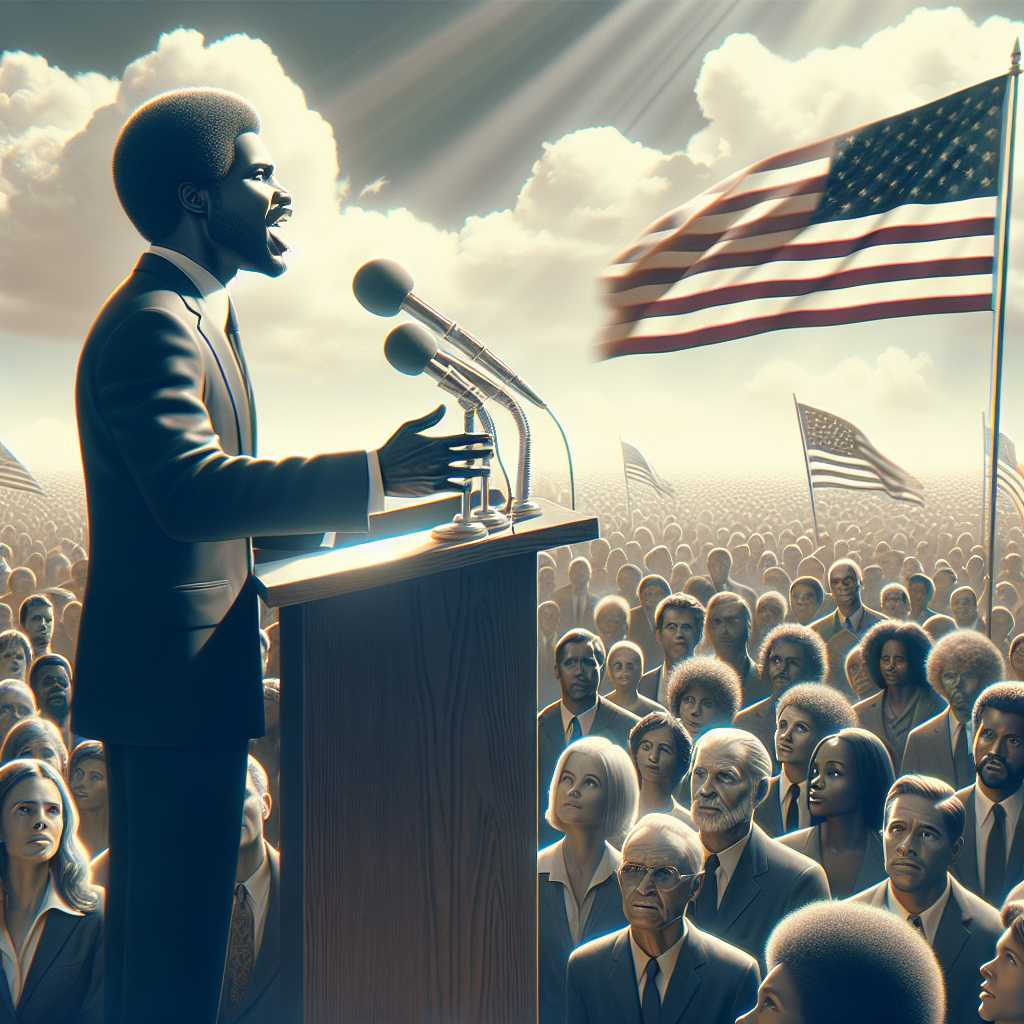
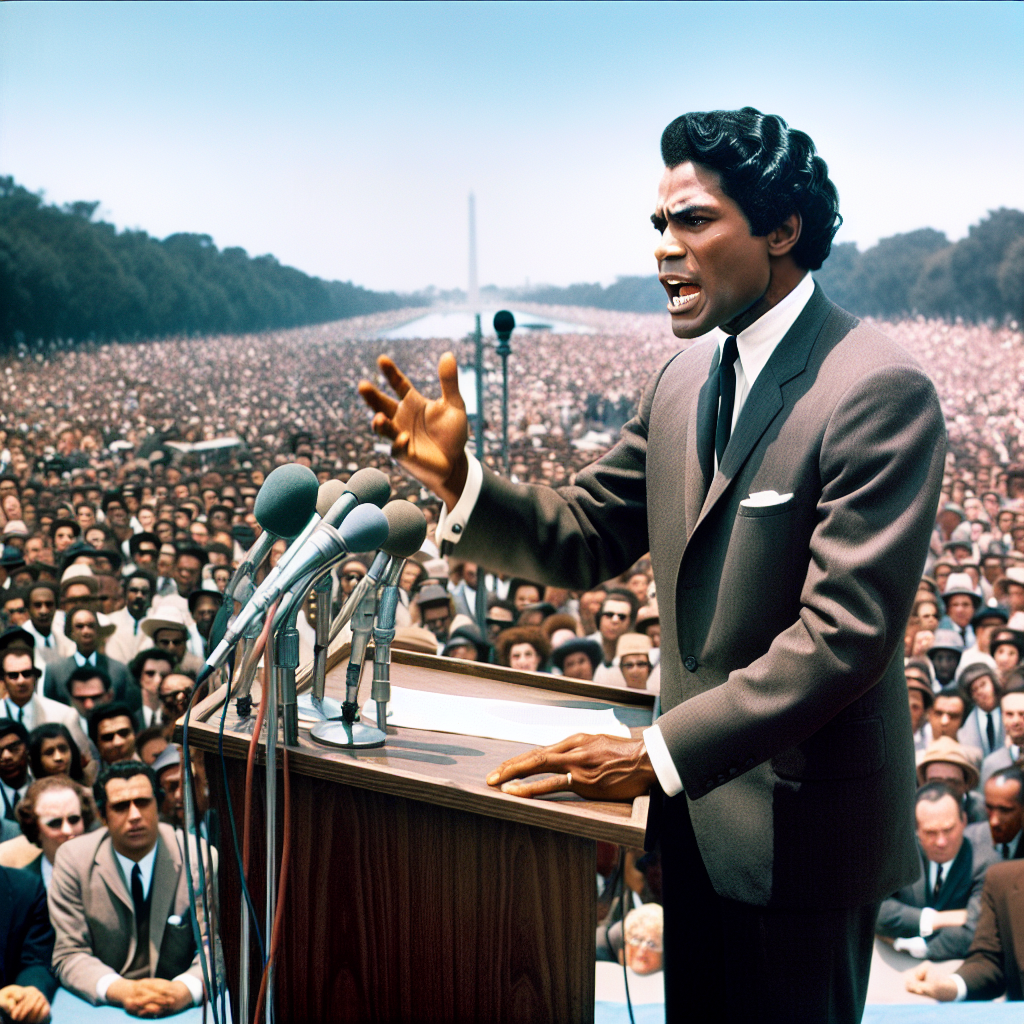
The same year, King delivered his iconic “I Have a Dream” speech during the March on Washington for Jobs and Freedom. Addressing a crowd of over 250,000 people, his vision for a racially harmonious America where individuals are judged by their character rather than the color of their skin became a clarion call for equality.
Nobel Peace Prize and Continued Advocacy
In recognition of his extraordinary efforts in the fight for civil rights and social justice, Martin Luther King Jr. was awarded the Nobel Peace Prize in 1964. At the age of 35, he became the youngest recipient of the award at the time. The recognition not only honored his past achievements but also validated his philosophy of non-violence as a powerful tool for social change.
Undeterred by the accolades, King continued his advocacy, shifting his focus to broader social issues including poverty and the Vietnam War. He launched the Poor People’s Campaign in 1968 to address economic disparities and sought to unify the working poor across racial lines. King’s expanded vision of social justice underscored his belief that true equality extended beyond the abolition of racial discrimination to encompass economic and social equity.
His outspoken criticism of the Vietnam War, grounded in his pacifist principles, drew criticism from multiple quarters, including political allies. However, King remained steadfast, believing that the quest for justice was indivisible and that America could not effectively champion democracy abroad while denying it to its own citizens at home.
Assassination and Legacy
Tragically, Martin Luther King Jr.’s life was cut short on April 4, 1968, when he was assassinated while standing on the balcony of the Lorraine Motel in Memphis, Tennessee. His death was a devastating blow to the Civil Rights Movement and to all who believed in the dream of equality. Despite his untimely demise, King’s ideals did not die with him. Instead, they became the legacy that would ignite numerous subsequent struggles for justice and equality.
In the aftermath of his death, the world recognized and mourned the loss of an extraordinary leader. Memorials and tributes poured in from all corners of the globe, acknowledging the transformative impact King had made. His philosophies and strategies continue to serve as an indispensable guide for activists and leaders worldwide. The numerous streets, schools, and institutions bearing his name stand as testaments to his enduring influence.
Conclusion
Martin Luther King Jr. was more than just a leader; he was the soul of the Civil Rights Movement and a moral compass guiding the pursuit of social justice. His strategies and philosophy of non-violent resistance offer timeless lessons on how to address and dismantle systemic injustice. Through his life’s work, King provided a blueprint for peaceful yet powerful advocacy that seeks not just to challenge but to change the world for the better.
The legacy of Martin Luther King Jr. is one that will continue to live on, inspiring future generations to rise against oppression and to fight for a world where equality and justice prevail. His dream of equality is a dream that the world must continue to strive for, reminding us of the progress made and the miles still to go in achieving true social justice.