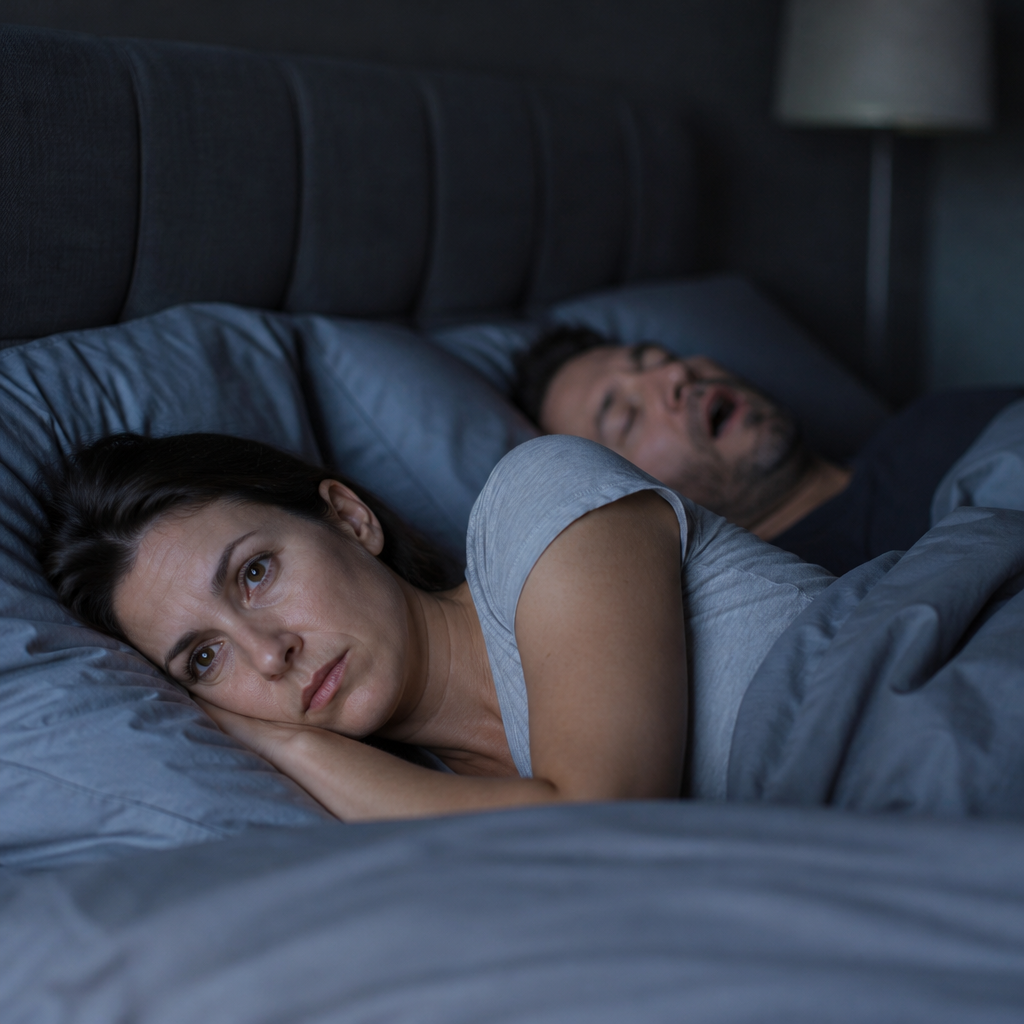
Sleep science sits at the center of states of consciousness because sleeping, dreaming, waking, and disrupted rest reveal how the brain shifts between awareness levels. In psychology, states of consciousness refers to the changing patterns of attention, arousal, perception, and brain activity that shape experience across wakefulness and sleep. Insomnia and sleep apnea are two of the most common sleep disorders, yet they differ in causes, symptoms, physiology, and treatment. I have seen students, patients, and families use the terms interchangeably, but that mistake matters. Insomnia is mainly a problem of initiating sleep, maintaining sleep, or returning to sleep despite enough opportunity to rest. Sleep apnea is primarily a breathing disorder in which airflow repeatedly stops or decreases during sleep, fragmenting rest and lowering oxygen levels. Understanding insomnia vs. sleep apnea helps AP Psychology learners connect biological rhythms, sleep stages, consciousness, health behavior, and mental functioning. It also matters beyond the classroom. Poor sleep affects memory, emotional regulation, reaction time, blood pressure, immune function, and school or work performance. When people identify the right disorder, they are more likely to get effective treatment instead of relying on guesswork, caffeine, or sleep aids that do not address the root problem.
States of consciousness in AP Psychology usually includes circadian rhythms, the role of melatonin, sleep stages, REM sleep, dreams, sleep deprivation, psychoactive substances, hypnosis, and meditation. Sleep disorders act as real-world case studies that make those ideas concrete. Insomnia shows what happens when hyperarousal, learned sleep anxiety, or disrupted schedules interfere with normal sleep onset and maintenance. Sleep apnea shows how physiology can repeatedly pull the brain out of deeper sleep even when a person thinks they were asleep all night. Both disorders can produce daytime fatigue, irritability, concentration problems, and lower academic performance, but the pathways are different. Insomnia often feels like being awake too long; sleep apnea often feels like sleeping without restoration. That distinction is foundational in sleep science. It also helps explain why treatment plans diverge. Cognitive behavioral therapy for insomnia targets thoughts and habits. Continuous positive airway pressure for obstructive sleep apnea keeps the airway open mechanically. A psychology student studying consciousness should know both conditions because they demonstrate that consciousness is not simply on or off. It is regulated by interacting neural, behavioral, respiratory, and environmental systems.
How sleep science explains changing consciousness
Sleep is not a passive shutdown. It is an active biological process governed by circadian timing and sleep drive. The circadian rhythm is the roughly twenty-four-hour internal clock, strongly influenced by light exposure and coordinated by the suprachiasmatic nucleus of the hypothalamus. Sleep drive, sometimes called homeostatic sleep pressure, builds the longer a person stays awake. Together these systems guide transitions between wakefulness, non-REM sleep, and REM sleep. In AP Psychology, these stages matter because each state features distinct patterns of brain activity, muscle tone, awareness, and memory processing.
Non-REM stage 1 is light sleep, often marked by slowed eye movements and easy awakening. Stage 2 includes sleep spindles and K-complexes, which researchers associate with memory consolidation and sensory gating. Stage 3, often called slow-wave sleep, is deep restorative sleep with high-amplitude delta activity. REM sleep is the dream-rich stage linked to vivid imagery, emotional processing, and muscle atonia. Healthy sleep cycles through these stages multiple times per night. Both insomnia and sleep apnea disrupt this architecture, but they do so differently. Insomnia may delay sleep onset, reduce total sleep time, and increase time awake after sleep onset. Sleep apnea causes repeated arousals that fragment stage progression and often reduce deep sleep and REM continuity.
What insomnia is and how it appears
Insomnia is defined by persistent difficulty falling asleep, staying asleep, or waking too early and being unable to return to sleep, along with daytime impairment. The daytime impairment is essential. A person who naturally sleeps six hours and feels fine does not meet the usual clinical picture. In practice, insomnia often includes racing thoughts at bedtime, clock-watching, frustration about not sleeping, and compensatory habits such as sleeping late, napping excessively, or spending extra time in bed. Those behaviors feel logical, but they often worsen the problem by weakening the brain’s association between bed and sleep.
Acute insomnia may follow stress, illness, travel, grief, or schedule change. Chronic insomnia generally means symptoms occur at least three nights per week for at least three months. Risk factors include anxiety, depression, chronic pain, irregular schedules, substance use, menopause, and poor sleep hygiene. I have often seen students develop insomnia after trying to recover from one bad night by sleeping in, studying in bed, and increasing caffeine. What begins as short-term sleep disruption becomes conditioned arousal: the bed itself starts to trigger alertness rather than drowsiness.
What sleep apnea is and how it appears
Sleep apnea is a sleep-related breathing disorder characterized by repeated pauses in breathing or reductions in airflow during sleep. The most common form is obstructive sleep apnea, in which the upper airway collapses despite ongoing effort to breathe. Central sleep apnea is less common and involves reduced respiratory drive from the brain. Obstructive sleep apnea is strongly associated with loud snoring, gasping, witnessed pauses in breathing, morning headaches, dry mouth, and excessive daytime sleepiness, though not every patient reports every symptom.
Apnea events trigger brief arousals that may be so short the sleeper does not remember them. These arousals restore muscle tone enough to reopen the airway, but they also break up normal sleep architecture. Over the course of a night, dozens or even hundreds of events can occur. Oxygen saturation may drop repeatedly, placing stress on the cardiovascular system. Major risk factors include obesity, larger neck circumference, male sex, aging, alcohol use before bed, sedative medications, nasal obstruction, and craniofacial anatomy that narrows the airway. Children can also develop sleep apnea, often related to enlarged tonsils and adenoids.
Insomnia vs. sleep apnea: the key differences
The easiest way to separate insomnia from sleep apnea is to ask what mainly prevents restorative sleep. In insomnia, the central issue is difficulty sleeping despite opportunity. In sleep apnea, the central issue is disordered breathing during sleep. Both can produce fatigue and poor concentration, but they create different nighttime experiences and demand different interventions.
| Feature | Insomnia | Sleep Apnea |
|---|---|---|
| Primary problem | Difficulty falling asleep, staying asleep, or returning to sleep | Repeated breathing interruptions during sleep |
| Typical nighttime pattern | Long sleep latency, frequent awakenings, early waking | Snoring, choking, gasping, brief arousals, restless sleep |
| Daytime effects | Fatigue, irritability, worry about sleep, attention problems | Sleepiness, morning headache, low energy, concentration problems |
| Main mechanism | Hyperarousal, learned wakefulness, stress, schedule disruption | Airway collapse or impaired respiratory signaling |
| Standard first-line treatment | Cognitive behavioral therapy for insomnia | CPAP or other airway-focused treatment |
One important nuance is that the disorders can coexist. A person with sleep apnea may also develop insomnia because repeated awakenings create anxiety about sleep. Conversely, a person with chronic insomnia may be evaluated for apnea if they also snore, gasp, or remain excessively sleepy despite adequate time in bed. Good clinical assessment does not assume only one cause.
Diagnosis, testing, and common misconceptions
Insomnia is diagnosed mainly through clinical history, sleep diaries, and evaluation of contributing conditions. A clinician asks about sleep timing, routines, medications, caffeine, alcohol, mood symptoms, pain, and environmental factors. The Insomnia Severity Index is a common screening measure. Polysomnography, or an overnight sleep study, is not routinely required for straightforward insomnia unless another disorder is suspected.
Sleep apnea is usually evaluated with polysomnography in a sleep lab or, in selected cases, a home sleep apnea test. These tests track airflow, oxygen saturation, respiratory effort, heart rate, and often brain activity. Severity is often described using the apnea-hypopnea index, which counts breathing events per hour of sleep. A common misconception is that only older overweight men have sleep apnea. In reality, women, younger adults, and children can also be affected, though symptoms may present differently. Another misconception is that insomnia is just stress and willpower. Chronic insomnia is a recognized disorder with measurable daytime consequences and evidence-based treatment.
Treatment approaches and why the distinction matters
The most effective first-line treatment for chronic insomnia is cognitive behavioral therapy for insomnia, usually called CBT-I. It includes stimulus control, sleep restriction therapy, cognitive restructuring, and sleep hygiene guidance. Stimulus control rebuilds the association between bed and sleep by limiting wakeful activities in bed and getting up when unable to sleep. Sleep restriction temporarily narrows time in bed to increase sleep efficiency, then gradually expands it. This approach sounds counterintuitive, but it is one of the most reliable ways to reduce fragmented insomnia sleep. Medications can help in selected cases, but they are generally not the preferred long-term solution.
For obstructive sleep apnea, CPAP remains the standard treatment because it delivers pressurized air that keeps the airway open. When used consistently, CPAP can reduce snoring, improve alertness, and lower cardiovascular strain. Other options include oral appliances that advance the jaw, weight loss when appropriate, positional therapy, treatment of nasal obstruction, and surgery in carefully selected cases. Distinguishing the disorders matters because giving insomnia advice to someone with untreated apnea will not stop breathing interruptions, and giving CPAP to someone whose main problem is conditioned arousal will not resolve bedtime wakefulness.
Why this hub matters for AP Psychology students
As a states of consciousness hub, this topic links directly to circadian rhythms, REM and non-REM sleep, dreams, sleep deprivation, psychoactive drugs, hypnosis, meditation, and consciousness-altering behaviors. Insomnia and sleep apnea are especially useful because they show that sleep quality depends on both mind and body. They also illustrate core psychological principles: classical conditioning in learned insomnia, biological rhythms in circadian misalignment, health psychology in behavior change, and neuroscience in brainstem arousal systems and oxygen regulation.
Students should connect this page to related study areas: how melatonin responds to light, how alcohol sedates but fragments sleep, why caffeine blocks adenosine signaling, why sleep deprivation impairs working memory, and how REM rebound appears after restriction. Those links turn isolated vocabulary into an integrated model of consciousness. If you are building your understanding of states of consciousness, use insomnia vs. sleep apnea as a framework: ask what system is being altered, how awareness changes across the night, what symptoms appear during the day, and which intervention matches the underlying mechanism. That approach improves both exam performance and real-world judgment. Sleep science becomes clearer when you stop treating every bad night as the same problem and start identifying the pattern.
Frequently Asked Questions
What is the main difference between insomnia and sleep apnea?
The biggest difference is that insomnia is primarily a problem with falling asleep, staying asleep, or getting restorative sleep despite having the opportunity to rest, while sleep apnea is a breathing-related sleep disorder in which airflow repeatedly stops or becomes restricted during sleep. In other words, people with insomnia are usually aware that they are struggling to sleep, often lying awake for long periods, waking frequently, or rising too early and feeling unrefreshed. By contrast, many people with sleep apnea may think they slept through the night, even though their sleep was repeatedly disrupted by brief awakenings caused by drops in oxygen and breathing effort.
From a sleep science perspective, insomnia is more closely tied to hyperarousal. The brain and body may remain “switched on” when they should be transitioning into a quieter state of consciousness. Stress, anxiety, conditioned wakefulness, irregular sleep habits, depression, medications, and medical conditions can all contribute. Sleep apnea, especially obstructive sleep apnea, is more mechanical and physiological. The airway narrows or collapses during sleep, causing pauses in breathing, oxygen fluctuations, and repeated arousals from deeper sleep stages. These arousals are often so brief that the person does not remember them, but they fragment sleep architecture and reduce sleep quality.
That distinction matters because the symptoms can overlap—both conditions can cause daytime fatigue, poor concentration, irritability, and reduced performance—yet the root causes and treatment plans are different. Insomnia treatment often focuses on behavioral strategies such as cognitive behavioral therapy for insomnia, while sleep apnea treatment may involve airway support such as CPAP, oral appliances, weight management, or other medical interventions. Understanding whether the problem is difficulty sleeping or disrupted breathing during sleep is the first step toward effective treatment.
How do symptoms of insomnia and sleep apnea differ?
Insomnia symptoms usually show up as trouble initiating sleep, frequent nighttime awakenings, difficulty returning to sleep, waking earlier than intended, and persistent dissatisfaction with sleep quality. People with insomnia often describe racing thoughts, a sense of being mentally alert at bedtime, frustration about not sleeping, and anxiety that grows as bedtime approaches. During the day, they may report tiredness, mood changes, reduced attention, slower thinking, and a sense that they never feel fully restored.
Sleep apnea often presents differently. Common signs include loud snoring, witnessed pauses in breathing, choking or gasping during sleep, dry mouth upon waking, morning headaches, excessive daytime sleepiness, and difficulty staying alert during passive activities such as reading, watching television, or sitting in meetings. Some people wake up often without knowing why, while bed partners may notice the breathing interruptions more clearly than the sleeper does. Not everyone with sleep apnea snores loudly, but snoring is a common clue, especially when combined with daytime sleepiness and observed breathing pauses.
One useful way to compare the two is to ask what the person experiences at night. Someone with insomnia is often very aware of being awake and unable to sleep. Someone with sleep apnea may be less aware of the sleep disruption itself and more aware of the consequences the next day. That said, overlap is possible. A person with sleep apnea may develop insomnia symptoms because repeated nighttime arousals create a learned pattern of fragmented sleep, and a person with insomnia may feel exhausted during the day in ways that resemble other sleep disorders. Because of that overlap, a careful sleep history is important rather than relying on one symptom alone.
Why are insomnia and sleep apnea important in psychology and states of consciousness?
These disorders are highly relevant to psychology because they demonstrate how sleep is not simply “turning off,” but a dynamic shift in consciousness involving changes in attention, arousal, perception, memory processing, and brain activity. States of consciousness in psychology include waking awareness, drowsiness, non-REM sleep, REM sleep, dreaming, and altered states caused by internal or external factors. Insomnia and sleep apnea disrupt these normal transitions and show what happens when the brain cannot smoothly regulate rest and arousal.
Insomnia highlights the role of cognitive and emotional processes in consciousness. A person may be physically tired but mentally alert, with heightened worry, selective attention to bodily sensations, and increased monitoring of the clock or environment. This reflects a mismatch between the need for sleep and the brain’s level of activation. In many cases, the bedroom itself can become psychologically associated with wakefulness, frustration, or performance anxiety about sleep. That makes insomnia an important example of how thoughts, learned associations, and emotional arousal can shape conscious experience.
Sleep apnea, on the other hand, shows how physiological disruption changes consciousness by repeatedly interrupting the brain’s ability to maintain stable sleep stages. Each breathing pause can trigger a brief arousal, often without full awareness, pulling the sleeper out of deeper restorative stages. That fragmentation affects memory consolidation, emotional regulation, vigilance, and daytime alertness. In classroom discussions, these disorders are useful because they connect biological processes, cognition, emotion, and behavior. They help students see that consciousness is not static; it depends on constant coordination between the brain, body, and environment.
How are insomnia and sleep apnea diagnosed?
Diagnosis begins with a thorough clinical evaluation, but the methods often differ because the disorders arise from different mechanisms. For insomnia, a clinician usually focuses on the pattern of sleep difficulty, how long it has been happening, what daytime consequences it causes, and whether other factors could be contributing. Patients may be asked about stress, mood, caffeine and alcohol use, medications, work schedules, screen exposure, chronic pain, and sleep routines. Sleep diaries are especially helpful because they show bedtime, wake time, awakenings, total sleep time, and variability across days and weeks. In some cases, questionnaires are used to measure insomnia severity and its impact on daily functioning.
Sleep apnea evaluation also includes a history, but there is usually more attention to snoring, observed breathing pauses, nighttime gasping, morning headaches, daytime sleepiness, blood pressure issues, and risk factors such as obesity, upper airway anatomy, age, and family history. Because sleep apnea is a breathing-related disorder, objective testing is often necessary. The standard test is a sleep study, known as polysomnography, performed in a sleep laboratory or, for some patients, a home sleep apnea test. These tests measure breathing patterns, oxygen levels, airflow, heart rate, and in-lab studies may also measure brain waves, muscle activity, and eye movements to evaluate sleep stages and disruptions.
It is important not to self-diagnose based on internet checklists alone. Someone who says “I cannot sleep” may actually have apnea-related arousals, restless legs syndrome, circadian rhythm disruption, depression, medication effects, or a combination of conditions. Likewise, someone treated only for insomnia may continue to feel unwell if undetected sleep apnea is fragmenting sleep. Accurate diagnosis matters because the treatment that helps one disorder may not fix the other. A careful assessment by a qualified healthcare professional is the best way to distinguish between them and identify any overlap.
What treatments work best for insomnia versus sleep apnea?
For chronic insomnia, the most effective first-line treatment is often cognitive behavioral therapy for insomnia, commonly called CBT-I. This approach is evidence-based and targets the behaviors and thoughts that keep insomnia going. It may include stimulus control, sleep restriction or sleep compression, relaxation strategies, cognitive restructuring, and sleep hygiene improvements. The goal is not just to make someone sleepy in the moment, but to retrain the brain and body to associate bed with sleep rather than frustration and wakefulness. In some cases, medications may be used short term or selectively, but behavioral treatment is often preferred for long-term improvement.
Treatment for sleep apnea depends on the type and severity, but obstructive sleep apnea is commonly treated with continuous positive airway pressure, or CPAP. CPAP keeps the airway open during sleep by delivering gentle air pressure through a mask. Other options may include oral appliances that reposition the jaw, weight loss when appropriate, positional therapy, treatment of nasal obstruction, avoidance of alcohol or sedatives near bedtime, and sometimes surgery. The right treatment depends on the anatomy of the airway, the severity of breathing disruptions, and the person’s overall health. When treatment is successful, many patients notice better alertness, improved mood, and more restorative sleep.
The key point is that insomnia treatment aims to reduce hyperarousal and improve sleep behavior, while sleep apnea treatment aims to correct repeated breathing interruptions. Some people have both conditions, which requires a combined approach. For example, a patient may need CPAP to stabilize breathing and CBT-I to address learned insomnia patterns that persist even after apnea treatment begins. Because both disorders can affect health, mood, concentration, and quality of life, getting the right treatment can make a major difference not only in sleep but also in daytime functioning and long-term well-being.