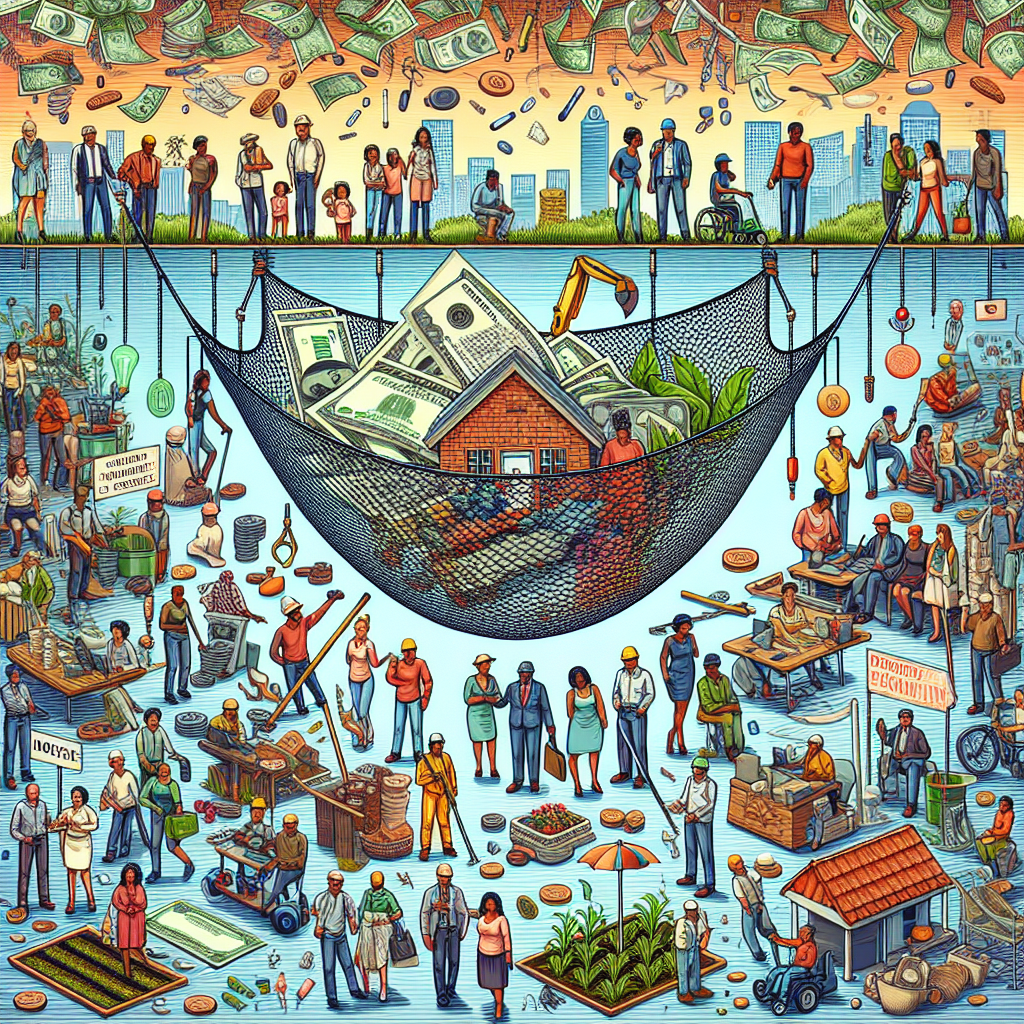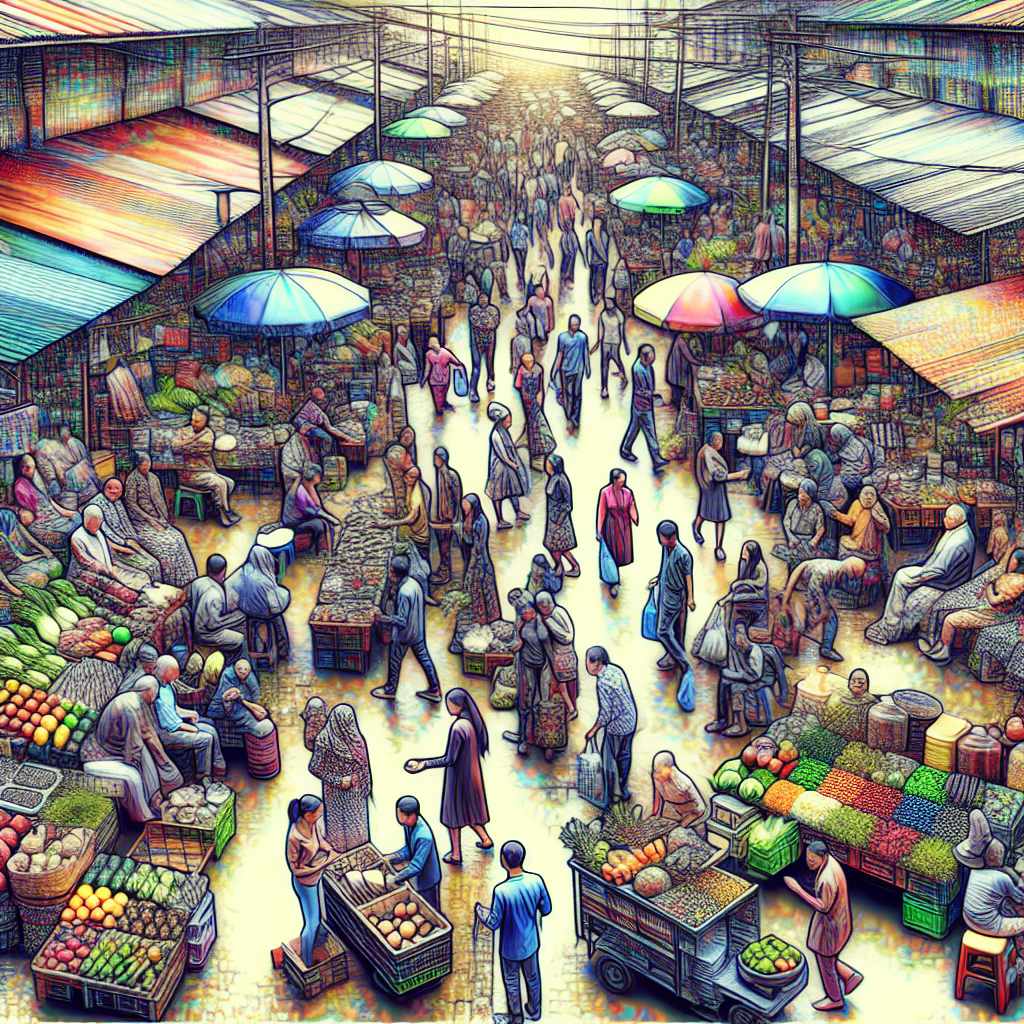
The informal sector constitutes an integral part of many economies, providing employment and income opportunities for a vast number of individuals. Despite its significant role, the informal sector remains largely overlooked in mainstream economic discussions. Predominantly operating outside the formal frameworks and regulations, this sector encompasses a wide range of activities including street vending, small-scale manufacturing, and various services.
The informal sector, especially in developing countries, is often vital for the livelihoods of the urban poor. It offers an alternative to the formal job market, which may be inaccessible due to barriers such as educational qualifications, experience, and socio-economic status. However, this sector is also riddled with challenges that hinder its potential growth and the well-being of those involved.
This article delves into the dynamics of the informal sector, exploring both its economic contributions and the myriad challenges it faces. Understanding these aspects is crucial for the formulation of policies that can enhance the sector’s positive impact while mitigating its drawbacks.
Economic Contributions of the Informal Sector
The informal sector plays a pivotal role in the economic fabric of many countries. Firstly, it serves as a major source of employment, particularly in regions where the formal job market fails to absorb the growing labor force. For instance, in many African and South Asian countries, the informal sector employs more than 60% of the workforce.
Moreover, the informal sector contributes significantly to the GDP of many nations. Activities within this sector often cater to the daily needs of the population, providing affordable goods and services. This, in turn, stimulates economic activities and fosters local entrepreneurship and innovation.
Furthermore, the informal sector acts as a buffer during economic downturns. When formal employment opportunities shrink due to economic crises, many individuals turn to informal activities to sustain their livelihoods. This resilience underscores the sector’s importance as a socio-economic safety net.
Lastly, the informal sector fosters social cohesion by integrating marginalized groups into the economic mainstream. By providing an entry point for women, migrants, and other disadvantaged groups, it promotes social inclusion and reduces inequality.
Challenges Faced by the Informal Sector
Despite its significant contributions, the informal sector faces numerous challenges that impede its development and the welfare of its participants. One of the primary challenges is the lack of access to credit and financial services. Informal businesses typically operate outside the formal financial system, making it difficult for them to secure loans or investment needed for expansion.
Additionally, informal sector workers often lack social protection and labor rights. They are excluded from benefits such as health insurance, pension plans, and unemployment insurance, leaving them vulnerable to economic shocks and hardships. This absence of social security places a considerable burden on informal workers and their families.
Another major challenge is the issue of poor working conditions. Many informal sector jobs involve long hours, low pay, and unsafe working environments. These conditions not only affect workers’ physical health but also their mental well-being and overall productivity.
Moreover, the informal sector is often stigmatized and subjected to regulatory harassment. Authorities may impose fines, confiscate goods, or forcefully evict informal vendors, exacerbating the sector’s vulnerability. This hostile environment discourages informal entrepreneurs from scaling their businesses and contributing more effectively to the economy.

Policy Recommendations for Enhancing the Informal Sector
To harness the full potential of the informal sector, policymakers need to adopt inclusive and supportive measures. Firstly, improving access to finance for informal businesses is critical. Governments can collaborate with microfinance institutions and other financial entities to provide affordable credit tailored to the needs of informal entrepreneurs.
Secondly, extending social protection to informal workers is essential. Policies that offer health insurance, retirement benefits, and social security coverage can significantly improve the quality of life for those in the informal sector.
Additionally, improving infrastructure and working conditions can make a substantial difference. Creating designated zones for street vendors, providing sanitary facilities, and ensuring workplace safety can enhance productivity and the overall economic contribution of the informal sector.
Lastly, changing the regulatory environment to be more accommodating of informal activities is necessary. Governments should aim to formalize the informal sector without imposing excessive burdens. Simplified registration procedures, reduced compliance costs, and fair enforcement can help integrate informal businesses into the formal economy, boosting their growth and sustainability.
Case Studies: Success Stories from the Informal Sector
Several countries have successfully implemented policies that have transformed their informal sectors into robust economic contributors. For example, in India, the Self-Employed Women’s Association (SEWA) has empowered thousands of informal women workers by providing them with access to finance, training, and social security.
Similarly, in Brazil, the government’s efforts to recognize and formalize informal workers through simplified registration processes and tax incentives have yielded positive results. The “Simples Nacional” program has facilitated the integration of small informal businesses into the formal economy, leading to increased revenues and better working conditions.
In Kenya, the establishment of business incubators and support centers for informal entrepreneurs has helped many transition to the formal sector. These centers provide vital services such as business training, legal assistance, and market access, enabling informal businesses to thrive and expand.
These case studies highlight that with the right policies and support systems, the informal sector can evolve into a dynamic and integral part of the economy, contributing to growth, innovation, and social inclusion.
The Future of the Informal Sector
Looking ahead, the informal sector is likely to continue playing a critical role in the global economy. As urbanization and population growth persist, the demand for informal goods and services will likely increase. Moreover, technological advancements present both opportunities and challenges for the sector.
On the one hand, digital platforms and mobile technologies can enhance the efficiency and reach of informal businesses. For instance, mobile banking can facilitate financial inclusion, while e-commerce platforms can expand market access for informal entrepreneurs.
On the other hand, the rise of the gig economy and automation poses a threat to traditional informal jobs. Policymakers need to anticipate these changes and equip informal workers with the skills and tools needed to adapt to the evolving economic landscape.
Ultimately, a comprehensive and forward-looking approach is required to support the informal sector. This includes continuous engagement with informal workers and businesses, adapting policies to changing realities, and fostering an inclusive economic environment that acknowledges and leverages the contributions of the informal sector.
Conclusion
The informal sector is a cornerstone of many economies, providing not only livelihoods but also fostering entrepreneurial spirit and resilience. Its contributions to employment, GDP, and social inclusion underscore its undeniable importance. However, the challenges it faces, from lack of financial access to poor working conditions, cannot be ignored.
Addressing these challenges requires a nuanced understanding of the sector’s dynamics and tailored policies that support its growth and formalization. By improving access to finance, extending social protection, enhancing infrastructure, and creating a conducive regulatory environment, governments can unlock the potential of the informal sector.
Success stories from around the world demonstrate that with the right interventions, informal businesses can thrive and contribute significantly to economic development. As we look to the future, it is imperative to recognize and integrate the informal sector into broader economic planning and policy frameworks.
In conclusion, the informal sector embodies both challenges and opportunities. By fostering a supportive environment and addressing its unique needs, we can ensure that this vital part of the economy continues to drive growth, innovation, and social progress.