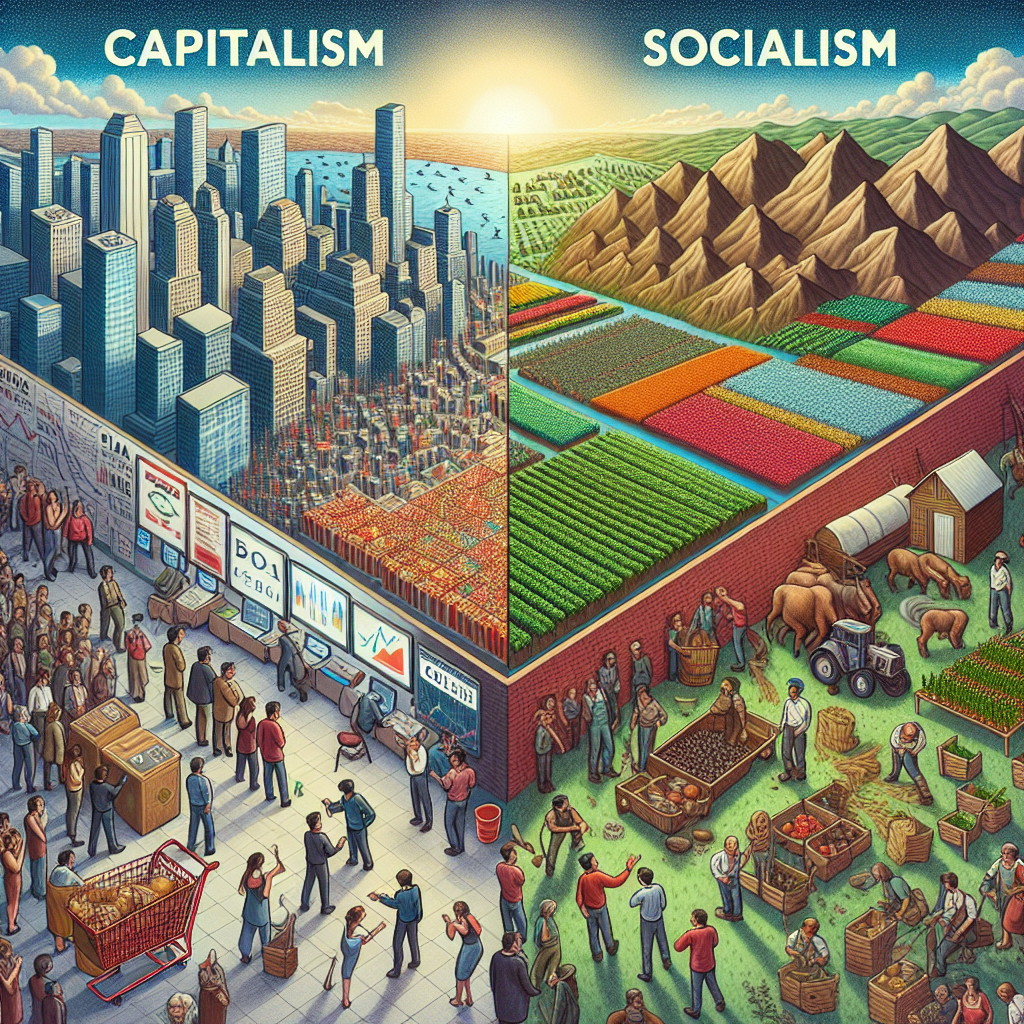
Economic development is a multifaceted process that aims at improving the economic well-being and quality of life for a community, nation, or region. One of modern society’s most pressing challenges is tackling income inequality. Inclusive growth, a policy framework that focuses on equitable opportunities for all segments of society, has emerged as a prominent solution. This comprehensive article aims to delve into the policies and strategies crucial for achieving inclusive growth and, in turn, reducing income inequality. We will explore the significance of inclusive growth, examine the obstacles that hinder its realization, and present effective measures to ensure that economic benefits are distributed more fairly.
Income inequality is not a new phenomenon, but its severity has increased over the past few decades. The divide between the rich and poor has widened, resulting in societal tensions and economic instability. Factors such as globalization, technological advancements, and automation have contributed to this disparity, leaving many individuals behind while disproportionately benefiting others. To counter these trends, inclusive growth strategies aim to create a level playing field where all individuals can participate in and benefit from economic activities.
Understanding inclusive growth requires looking beyond mere GDP growth figures to consider the qualitative aspects of development. This involves focusing on job creation, access to education and healthcare, social protection, and housing. Every individual, irrespective of their socioeconomic status, should have access to the tools and opportunities needed to improve their standard of living. Thus, the end goal of inclusive growth is to create a society where prosperity is widely shared and everyone has an equal opportunity to succeed.
This article will guide you through various policies and strategies that can directly address the root causes of income inequality, ensuring that economic development is both sustainable and equitable.
Education and Skill Development
One of the most effective strategies for achieving inclusive growth is investing in education and skill development. Education is a powerful tool that can break the cycle of poverty and offer individuals the opportunity to improve their living conditions. However, for education to be truly inclusive, it must be accessible to all, irrespective of socioeconomic background.
Governments should focus on enhancing the quality of primary and secondary education, ensuring that schools are adequately funded and well-staffed. An equal emphasis should be placed on vocational training and skill development programs to equip individuals with the skills required in the modern job market. This is crucial as the world transitions to a more technology-driven economy, where traditional jobs are often replaced by roles requiring new skills.
Additionally, the public sector needs to collaborate with the private sector to develop curricula that meet the current and future demands of the job market. Apprenticeship programs and internships should be encouraged to give students real-world experience, making them more employable upon graduation. For lifelong learning, governments should also facilitate adult education programs, enabling workers to update their skills and remain competitive in the labor market.
Investing in education and skill development leads to a more capable and adaptable workforce, which is essential for sustained economic growth. By providing individuals with the tools they need to succeed, this strategy helps to reduce income inequality and foster a more inclusive society.

Healthcare Access and Social Protection
Another critical aspect of inclusive growth is ensuring that all individuals have access to healthcare and social protection. Health is a fundamental component of human capital, and poor health can significantly impede an individual’s ability to work and contribute to the economy.
Universal healthcare systems can play a pivotal role in reducing income inequality by providing everyone, regardless of their economic standing, access to essential medical services. Governments must invest in building robust public healthcare infrastructure and ensuring that medical professionals are adequately trained and compensated. Preventative healthcare should be a priority, with public health campaigns promoting vaccination, healthy lifestyles, and regular medical check-ups.
Social protection policies, such as unemployment benefits, pensions, and disability assistance, also act as safety nets that protect individuals from falling into poverty due to unforeseen circumstances. A well-designed social security system can offer temporary financial assistance while individuals get back on their feet, thereby mitigating the long-term negative impact of income shocks.
Childcare services and parental leave policies can support working parents, particularly women, enabling them to participate fully in the workforce. These policies not only promote gender equality but also contribute to economic stability by ensuring that a significant portion of the population can continue to be productive.
By focusing on healthcare access and social protection, inclusive growth policies help to create a healthier, more resilient population. This directly contributes to reducing income inequality and building a more equitable society.
Promoting Small and Medium-sized Enterprises (SMEs)
Small and Medium-sized Enterprises (SMEs) are often considered the backbone of an economy. They generate significant employment opportunities and contribute to GDP. However, SMEs frequently face challenges in accessing finance, markets, and technology, which can impede their growth and, by extension, inclusive economic development.
Governments can facilitate SME growth by creating favorable business environments that include easier access to credit, grants, and subsidized loans. Financial institutions should be encouraged to tailor products specifically for SMEs, including microfinance options for ultra-small businesses. Simplifying regulatory requirements and reducing bureaucratic red tape can also lower the barriers to entry and operation for small businesses.
Promoting innovation and technology adoption among SMEs can enhance their productivity and competitiveness. Governments can set up innovation hubs, offer tax incentives for research and development, and facilitate knowledge transfer through public-private partnerships. Additionally, assisting SMEs in accessing global markets through export incentives and trade facilitation can help them scale and compete on an international level.
Support for female and minority entrepreneurs is also vital for inclusive growth. Special programs aimed at these groups can help address the unique challenges they face and promote a more diverse business environment. Business incubation centers and mentorship programs can provide the necessary support structure for emerging entrepreneurs.
By promoting SMEs, inclusive growth strategies can create a more dynamic and diversified economy, providing opportunities for all individuals and contributing to a reduction in income inequality.
Investment in Infrastructure
Investment in infrastructure is another cornerstone of inclusive growth. Quality infrastructure facilitates trade, connects markets, and improves the overall quality of life, contributing to economic development. However, the benefits of infrastructure development must be equitably distributed to avoid exacerbating income inequality.
Transport infrastructure, such as roads, railways, ports, and airports, can significantly enhance economic activities by reducing the cost of transportation and improving market accessibility. Governments should focus on upgrading existing infrastructure and expanding networks to underserved and rural areas, fostering regional development and reducing urban-rural disparities.
Digital infrastructure is equally important in today’s global economy. Access to high-speed internet and reliable telecommunications services can open up numerous opportunities, from online education to e-commerce. Governments can support digital inclusion by investing in broadband infrastructure and implementing policies that ensure affordable access to digital services for all citizens.
Moreover, investments in social infrastructure, including schools, hospitals, and affordable housing, are crucial for fostering inclusive communities. Public-private partnerships can be leveraged to fund large-scale infrastructure projects, ensuring that they meet the needs of various societal groups.
Energy infrastructure, particularly investments in renewable energy, can also contribute to sustainable development. Expanding access to clean and affordable energy sources can improve living standards and support economic activities, particularly in remote regions.
By investing in comprehensive and inclusive infrastructure development, governments can lay the foundation for sustained economic growth and a more equitable distribution of its benefits, thereby reducing income inequality.
Inclusive Taxation and Fiscal Policies
Taxation and fiscal policies play a significant role in shaping economic equality within a society. Progressive tax systems, where higher income earners pay a larger percentage of their income in taxes, can help reduce income disparities. These policies enable wealth redistribution by funding public services and social programs that benefit lower-income groups.
Governments should aim to close tax loopholes and ensure that everyone pays their fair share of taxes. This involves combating tax evasion and avoidance by wealthy individuals and corporations. Transparent and accountable tax administration is essential for maintaining public trust and ensuring that tax policies achieve their intended goals.
Using tax revenues to fund social investments, such as education, healthcare, and social protection, can directly impact income inequality. Public spending should be targeted towards programs that create equal opportunities and offer support to those in need.
Fiscal policies should also focus on incentivizing inclusive economic activities. For example, tax breaks or subsidies for businesses that invest in underserved areas or hire employees from marginalized communities can promote economic inclusivity. Similarly, environmental taxes can encourage sustainable business practices and ensure that economic growth does not come at the expense of the environment.
Moreover, governments can use fiscal policy to stabilize the economy, particularly during downturns. Counter-cyclical fiscal policies, such as increased public spending during recessions, can help maintain employment levels and support economic recovery, ensuring that the most vulnerable groups are protected.
Through inclusive taxation and fiscal policies, governments can create a more balanced and fair economic structure, mitigating income inequality and promoting inclusive growth.
Conclusion
Inclusive growth is an imperative for modern economic policies aimed at reducing income inequality and achieving sustainable development. By focusing on education and skill development, healthcare access and social protection, promoting SMEs, investment in infrastructure, and implementing inclusive taxation and fiscal policies, governments can create a more equitable society where everyone has the opportunity to thrive.
The journey towards inclusive growth requires a collaborative effort from all stakeholders, including governments, private sector, civil society, and international organizations. Policies must be well-implemented and monitored to ensure that they achieve the desired outcomes. Transparent governance and accountability are critical for maintaining public trust and ensuring that the benefits of economic development are widely distributed.
While the path to inclusive growth is challenging, the long-term benefits far outweigh the difficulties. A more equitable distribution of wealth leads to social cohesion, reduces poverty, and fosters a more stable and prosperous society. As we move forward, it is essential to remain committed to policies and strategies that prioritize inclusivity and ensure that no one is left behind in the pursuit of economic development.
By embracing inclusive growth, we can create a world where prosperity is shared, and every individual has the chance to reach their full potential. The policies and strategies discussed in this article offer a roadmap for achieving this noble goal, guiding us towards a more inclusive and equitable future.