
The Advent of Culinary Cross-Pollination
In the vast and vibrant world of gastronomy, the fusion of Eastern and Western cuisines stands out as a testament to cultural exchange and culinary creativity. This phenomenon, popularly known as “Fusion Foods,” represents more than just a trend; it’s a symbol of how cultures can intermingle, leading to innovative and delicious outcomes.
The Historical Context
Fusion cuisine is not a recent development. Its roots can be traced back to various historical junctures where cultures interacted through trade, migration, and even conquest. For instance, the Silk Road not only facilitated the exchange of goods but also the sharing of culinary traditions between the East and West. Fast forward to the modern era, and we see a more deliberate and creative approach to this blending of culinary worlds.
The Influence of Migration
Migration has played a crucial role in fusion foods. As people move across borders, they carry their culinary traditions with them. In their new homes, they often incorporate local ingredients and techniques into their traditional recipes. This has led to the birth of many fusion cuisines, like Tex-Mex, which combines Mexican and American influences, or Chindian cuisine, a blend of Chinese and Indian flavors.
The Role of Chefs and Restaurants
Chefs and restaurants have been instrumental in popularizing fusion cuisine. They experiment with different ingredients and techniques, often combining seemingly disparate culinary traditions to create something unique and appealing. These culinary experiments have led to some of the most iconic fusion dishes, such as the California Roll, which marries Japanese sushi with Western ingredients like avocado.
Fusion Foods: A Canvas for Creativity
Fusion cuisine is like a canvas for culinary creativity. It’s not bound by traditional rules and encourages experimentation. This freedom has led to some truly innovative dishes that blend flavors, textures, and ingredients in unexpected ways. For example, think of a dish that combines the subtle spices of Thai cuisine with the robust flavors of Italian cooking – it’s an adventure for the palate!
Health and Nutrition in Fusion Foods
One of the advantages of fusion cuisine is its potential for health and nutrition. Chefs often combine the best of both worlds – the balanced diet and fresh ingredients of Eastern diets with the protein-rich elements of Western foods. This can lead to healthier versions of classic dishes, like using quinoa, a high-protein grain from the West, in traditional Eastern salads.
The Cultural Significance
Fusion foods go beyond taste and presentation; they are a reflection of our increasingly interconnected world. These dishes tell stories of cultural exchange, adaptation, and mutual respect. They remind us that blending traditions can lead to something enriching and enjoyable, not just in food but in all aspects of culture.
Challenges and Criticisms
Fusion cuisine is not without its challenges and criticisms. Purists often argue that it dilutes traditional cuisines, losing authentic flavors and techniques in the process. There’s also the challenge of balancing flavors and ensuring that the fusion doesn’t become confusion. Chefs need to be sensitive and knowledgeable about the cuisines they are merging to maintain respect for the traditions.
Fusion Foods in the Home Kitchen
The beauty of fusion foods is that they’re not confined to restaurant menus; they have found their way into home kitchens as well. Home cooks are now more adventurous, often blending spices, herbs, and ingredients from different parts of the world. This democratization of fusion cuisine has made it more accessible and has encouraged culinary diversity and experimentation at home.
The Future of Fusion Foods
The future of fusion foods is bright and promising. As the world becomes more globalized, we’re likely to see even more innovative and exciting combinations. Chefs and home cooks alike are constantly pushing the boundaries, leading to an ever-evolving culinary landscape.
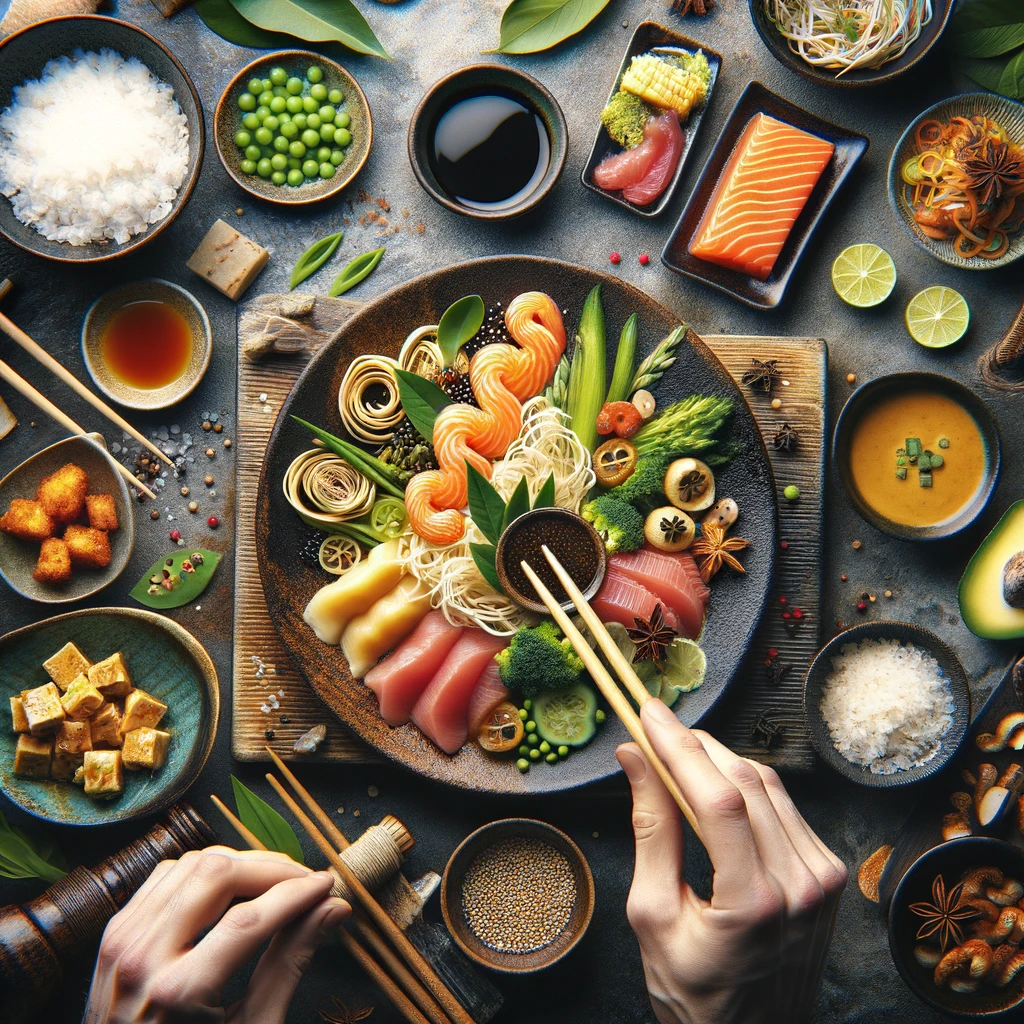
Exploring Fusion Cuisine Examples
Asian and Italian: A Match Made in the Kitchen
One of the most delightful fusion cuisines is the blend of Asian and Italian cooking. Imagine the silkiness of fresh pasta intertwined with the umami-rich flavors of soy sauce and sesame oil. Dishes like Soba Noodle Spaghetti Carbonara or Teriyaki Risotto exemplify how ingredients like miso and tofu can be harmoniously paired with Parmesan and olive oil, creating a culinary romance that surprises and delights.
The Spicy Melting Pot: Indian and Mexican
Indian and Mexican cuisines share a love for spices and bold flavors, making their fusion natural yet extraordinary. The vibrant flavors of turmeric, cumin, and coriander in Indian cooking beautifully complement the smoky heat of Mexican chilies. This fusion gives birth to dishes like Chicken Tikka Tacos and Masala Quesadillas, offering a spicy and savory dance of flavors that tantalize the taste buds.
American and Thai: A Flavor Fusion
The fusion of American and Thai cuisine brings together the hearty, comforting nature of American food with the exotic, spicy flavors of Thai cooking. Imagine a classic American burger infused with the zest of lemongrass and the heat of Thai chilies, or a Thai-style BBQ Pulled Pork, where the tangy sweetness of Thai sauces meets the smokiness of American barbecue.
Dessert Innovations: East Meets Sweet
The fusion trend extends beyond savory dishes into the realm of desserts. French pastries meet Japanese flavors in creations like Matcha Crème Brûlée or Sakura Macarons, where the delicate flavors of green tea and cherry blossoms blend seamlessly with the rich, creamy textures of French desserts. These sweet fusions are not just delicious but are also visually stunning, making them a feast for both the palate and the eyes.
Fusion Cuisine and Dietary Trends
Fusion foods also align with current dietary trends, offering options that are both health-conscious and flavorful. For instance, vegan and vegetarian versions of fusion dishes are becoming increasingly popular, incorporating plant-based ingredients from various cuisines. Dishes like Vegan Sushi Burritos or Gluten-Free Pasta with Thai Peanut Sauce cater to specific dietary needs while providing a burst of cross-cultural flavors.
The Role of Street Food in Fusion Cuisine
Street food plays a significant role in the evolution of fusion foods. The informal and dynamic nature of street food allows for more experimentation and immediate feedback. Fusion street food items, like Korean Tacos or Currywurst with Japanese-style mayo, offer an affordable and accessible way for people to experience new flavor combinations and culinary concepts.
Fusion Foods in Culinary Education
Culinary schools and cooking classes have started to embrace fusion cuisine as part of their curriculum. This education in fusion cooking not only equips aspiring chefs with a diverse skill set but also encourages a deeper understanding and appreciation of different culinary traditions. Through this education, the next generation of chefs is being groomed to push the boundaries of fusion cuisine even further.
Sustainability and Fusion Cuisine
In an age where sustainability is increasingly important, fusion cuisine offers an opportunity to blend sustainable cooking practices from different cultures. Using locally sourced ingredients in fusion dishes or adopting waste-reducing techniques from various cuisines are ways that fusion cooking can contribute to a more sustainable food culture.
Conclusion
Fusion foods represent the joyous and inventive meeting of East and West in the culinary world. They encapsulate history, culture, innovation, and the continuous evolution of our global palate. From the bold and spicy blends of Indian and Mexican cuisines to the delicate dessert fusions of French and Japanese pastries, fusion cuisine offers something for every taste and preference. As we embrace these culinary hybrids, we not only enjoy delightful flavors but also partake in a global narrative of cultural exchange and mutual appreciation. In the fusion of foods, just as in life, the whole is indeed greater than the sum of its parts.


