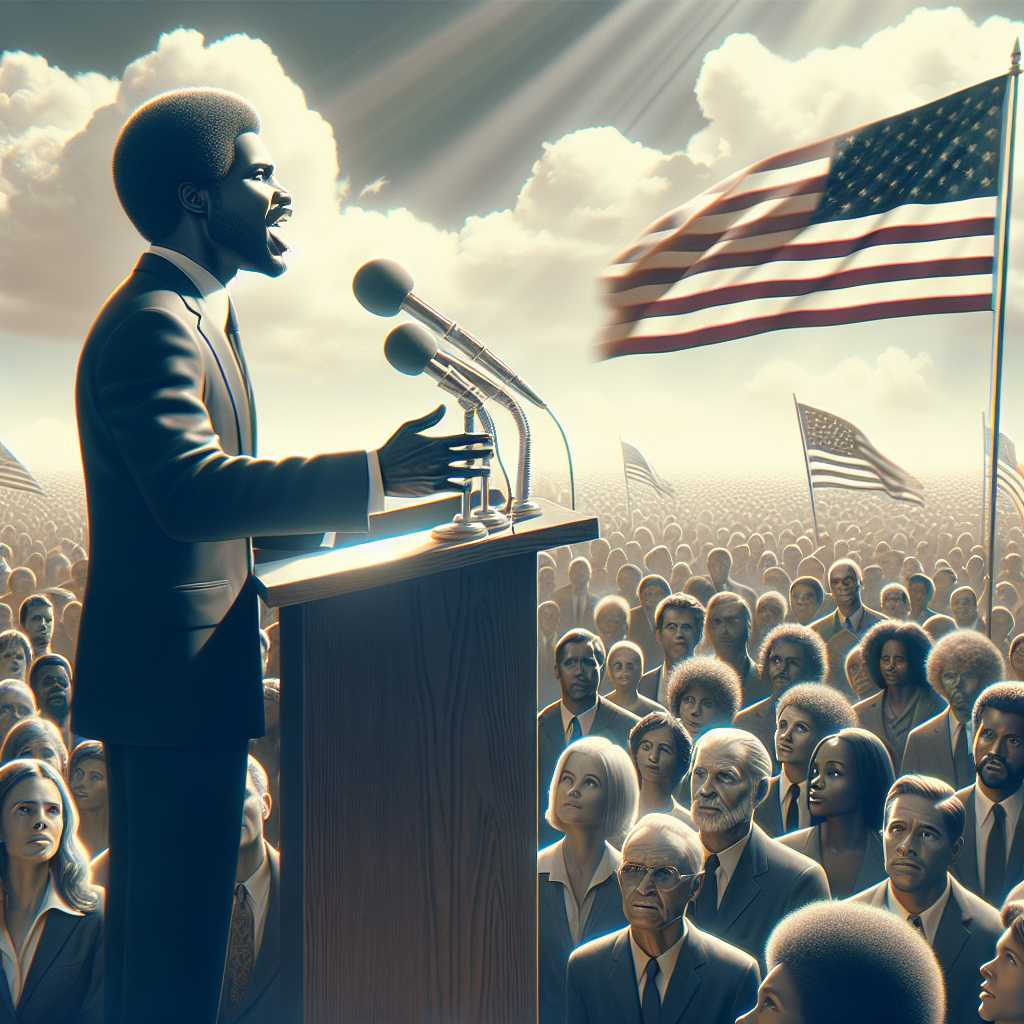
Franklin Delano Roosevelt, commonly known as FDR, holds an unparalleled place in the pantheon of American political figures. Born on January 30, 1882, in Hyde Park, New York, FDR grew up in a wealthy family and pursued a career in law and politics. Despite being diagnosed with polio at the age of 39, which left him paralyzed from the waist down, FDR’s political career soared to tremendous heights. He became the 32nd President of the United States, serving an unprecedented four terms from 1933 to 1945. Roosevelt’s leadership during two of the most tumultuous periods in American history, the Great Depression and World War II, cemented his status as a political pioneer.
FDR introduced groundbreaking policies and programs that permanently altered the American political and social landscape. His New Deal reforms aimed to revive the U.S. economy ravaged by the Great Depression, providing relief, recovery, and reform. He was also pivotal in the formulation of modern liberal ideologies. Furthermore, Roosevelt’s resolute leadership during World War II not only helped in establishing the United States as a global superpower but also laid the groundwork for the post-war international order. In essence, Franklin D. Roosevelt’s life and legacy are integral chapters in the study of social studies, particularly when examining important figures in history and political pioneers.
Tackling the Great Depression
When FDR took office in 1933, the United States was grappling with the catastrophic effects of the Great Depression. Unemployment rates soared, banks collapsed, and millions of Americans found themselves in dire straits. Roosevelt’s response was swift and multifaceted. His administration implemented the New Deal, a series of programs and policies designed to stimulate economic recovery, provide relief to the suffering, and reform financial systems to prevent future depressions.
The New Deal included initiatives such as the Civilian Conservation Corps (CCC), the Public Works Administration (PWA), and the Social Security Act, which provided jobs, support to the elderly and unemployed, and funded public works projects to boost infrastructure. Additionally, the Agricultural Adjustment Act (AAA) aimed to stabilize agricultural prices and support farmers. These programs not only provided immediate relief but also helped transform and modernize American society.
Another critical aspect of Roosevelt’s New Deal was the banking reform. The Emergency Banking Act and the establishment of the Federal Deposit Insurance Corporation (FDIC) helped restore public confidence in the financial system. By the end of FDR’s first term, the economy showed signs of recovery, and the New Deal laid a foundational framework for the federal government’s role in economic policy and social welfare.
World War II and Global Leadership
As Europe plunged into World War II in 1939, Roosevelt initially maintained a stance of neutrality, reflecting the prevalent isolationist sentiment in the United States. However, as the conflict intensified and the Axis powers threatened global stability, FDR recognized the necessity of U.S. involvement. The Lend-Lease Act of 1941 marked a turning point, allowing the U.S. to supply arms and support to Allied nations, particularly Great Britain and the Soviet Union.
The attack on Pearl Harbor on December 7, 1941, catapulted the United States into the war. Roosevelt led the nation with decisive action, rallying the American public with his famous address to Congress, declaring December 7 as “a date which will live in infamy.” Under his leadership, the U.S. mobilized its vast economic and industrial resources to support the war effort, positioning itself as a central force in the Allied victory.
FDR’s diplomatic acumen was equally critical. He played a pivotal role in key wartime conferences, such as those in Tehran, Yalta, and Casablanca, forging alliances and strategizing for a post-war world. His vision for international cooperation laid the groundwork for establishing the United Nations, aimed at preventing future conflicts and fostering global peace and stability. Roosevelt’s tenure thus marked a significant shift from isolationism to internationalism in American foreign policy.

The New Deal’s Enduring Impact
The New Deal fundamentally reshaped America’s political and economic landscape, leaving a lasting legacy that continues to influence contemporary society. FDR’s policies laid the groundwork for the modern welfare state, establishing the federal government’s responsibility for the economic security and well-being of its citizens.
Programs like Social Security, unemployment insurance, and federal housing initiatives provided a social safety net that remains foundational to current social welfare policies. Labor protections, such as those enshrined in the Wagner Act, empowered workers and bolstered the labor movement, contributing to the rise of the American middle class.
Moreover, the New Deal’s emphasis on infrastructure and public works set a precedent for federal investment in crucial projects like highways, bridges, and dams, significantly shaping the nation’s physical and economic development. The Tennessee Valley Authority (TVA) and the Rural Electrification Administration brought electricity and modernization to rural areas, vastly improving quality of life and economic opportunities.
While the New Deal faced criticism and resistance, particularly from business leaders and conservative politicians, its impact on the nation’s recovery from the Great Depression was undeniable. It also shifted the political landscape, ushering in an era of Democratic dominance and redefining the role of the federal government in addressing economic and social challenges.
FDR’s Leadership Style and Legacy
Roosevelt’s leadership style was characterized by optimism, pragmatism, and a willingness to experiment with solutions to complex problems. His ability to communicate effectively with the American public, through his famous “fireside chats,” fostered a sense of connection and trust. These radio broadcasts allowed FDR to explain his policies directly to the people, bypassing the traditional media and ensuring his messages resonated broadly.
FDR’s decision-making process often involved surrounding himself with a diverse group of advisors, valuing different perspectives and fostering a collaborative approach. This method enabled him to navigate the multifaceted challenges of his presidency effectively. His charismatic and empathetic demeanor also endeared him to many, solidifying his popularity even during difficult times.
Roosevelt’s impact extended beyond his specific policies and achievements. His presidency set a precedent for future leaders, demonstrating the importance of strong executive action in times of crisis. FDR’s ability to inspire hope and galvanize collective efforts proved critical in guiding the nation through economic despair and global conflict.
Despite the controversies and criticisms, including concerns about the expansion of executive power and his handling of certain issues, such as the internment of Japanese Americans during World War II, FDR’s legacy as a transformative leader is firmly established. His tenure exemplified the potential for bold, visionary leadership to overcome formidable challenges and effect significant change.
Conclusion
The life and legacy of Franklin D. Roosevelt offer invaluable insights into the role of leadership in shaping a nation’s trajectory. FDR’s presidency, marked by the twin trials of the Great Depression and World War II, showcased his capacity to steer America through unprecedented crises. His New Deal policies redefined the relationship between the federal government and its citizens, establishing a framework for economic security and social welfare that endures today.
Roosevelt’s adept navigation of complex international dynamics during World War II cemented the United States’ position as a global leader, setting the stage for post-war prosperity and the establishment of international institutions aimed at promoting peace and cooperation. His vision and leadership during this critical period not only helped secure victory for the Allies but also laid the groundwork for the global order that emerged in the aftermath of the war.
As a political pioneer, FDR’s contributions to American society and global affairs cannot be overstated. His legacy serves as a testament to the power of determined and empathetic leadership in addressing economic, social, and international challenges. For students of history and social studies, the life of Franklin D. Roosevelt offers a compelling case study in the impact of visionary leadership on the course of a nation and the wider world.