Introduction
In the realm of political science and government studies, the term ‘political culture’ holds significant importance. It encapsulates the collective attitudes, values, and norms that define the political life of a society. This article aims to unpack the complex concept of political culture as understood by scholars and to explore the predominant aspects that characterize the political culture in the United States.
Read our comprehensive look at American Political Culture.
Definition of Political Culture
Political culture, as defined by political scientists, refers to the shared framework of political values, beliefs, and norms that are prevalent in a society. It is an abstract concept that goes beyond mere political ideologies and party affiliations. Instead, it encompasses the underlying ethos that guides political behavior and the functioning of political institutions. Almond and Verba’s seminal work, “The Civic Culture,” posits that political culture is a product of both historical legacy and contemporary social dynamics.
This shared political ethos is not stagnant. It evolves over time, influenced by historical events, economic changes, social movements, and technological advancements. Political culture provides a lens through which citizens view their political system and their role within it, shaping their expectations and political participation.
Dominant Aspects of Political Culture in the United States
- Individualism
At the heart of American political culture lies the value of individualism. This principle emphasizes the importance of individual rights and responsibilities. It champions the belief that individuals are the primary agents of their own success and welfare. This aspect is deeply rooted in the country’s founding principles and is evident in the emphasis on individual freedoms and rights enshrined in the Constitution and the Bill of Rights.
- Equality of Opportunity
Another cornerstone of American political culture is the belief in equality of opportunity. This concept suggests that every individual, regardless of their background, should have an equal chance to succeed. This belief underpins many of the country’s policies and practices, from education to employment.
- Democratic Values
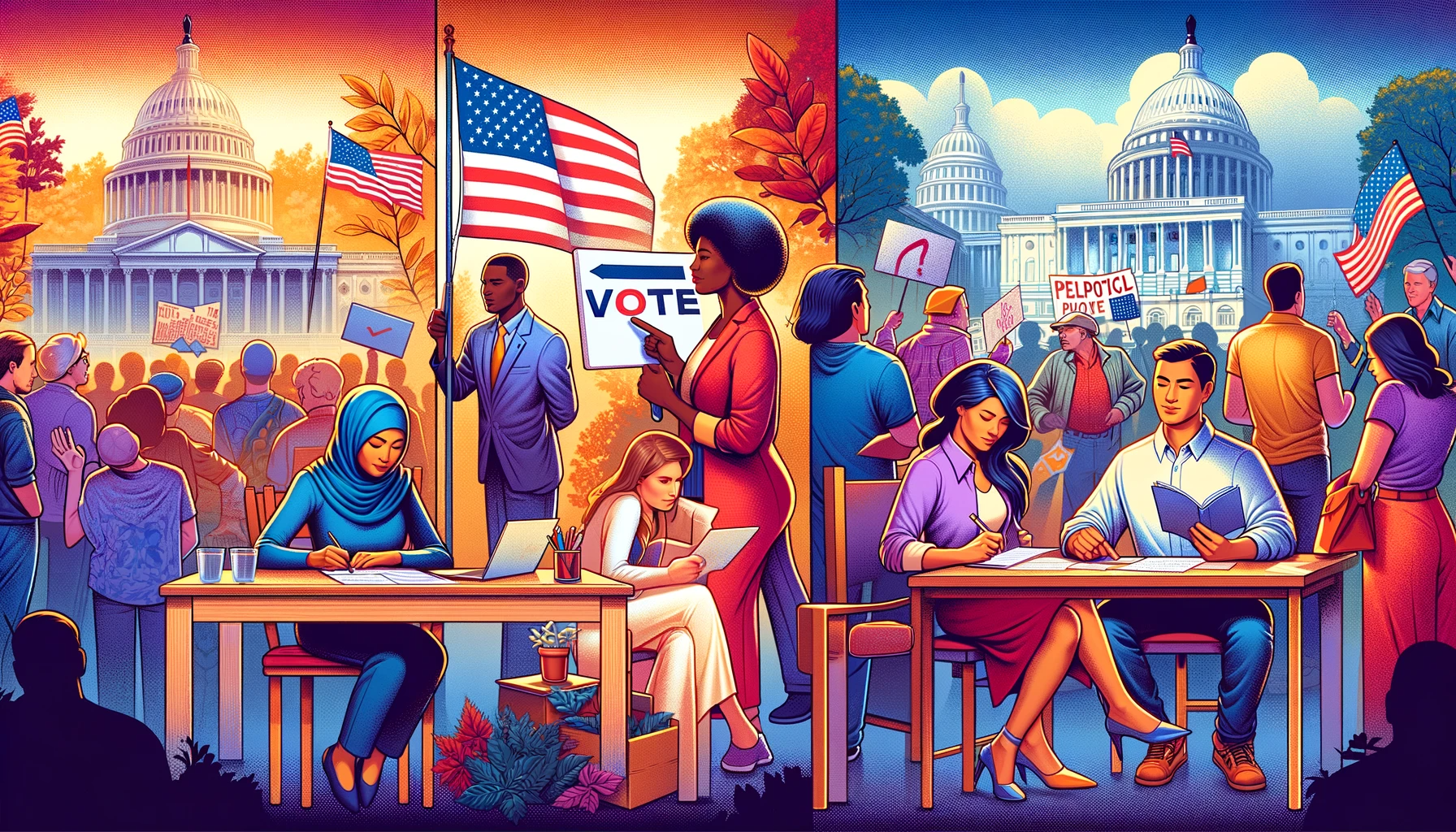
The United States prides itself on being a democracy. The values of democratic participation, including free and fair elections, majority rule, and protection of minority rights, are integral to its political culture. This democratic ethos fosters a sense of participation and belonging among citizens, who view themselves as an integral part of the political process.
- Rule of Law
Respect for the rule of law is a fundamental aspect of American political culture. This encompasses the belief that laws should govern the nation, not arbitrary decisions by individual rulers. It also involves the idea that everyone is subject to the law, including government officials and agencies.
- Patriotism
A strong sense of national identity and patriotism pervades the political culture of the United States. This aspect is often manifested through national symbols, rituals, and ceremonies, such as the Pledge of Allegiance and the Fourth of July celebrations. Patriotism in the U.S. is closely linked with an appreciation of the country’s democratic values and institutions.
- Capitalism and Free Enterprise
The American political culture is significantly influenced by the principles of capitalism and free enterprise. The belief in a free-market economy, where businesses operate with minimal government intervention, is a defining feature of the nation’s political ethos. This aspect reflects the broader values of individualism and competition.
- Civic Duty
A sense of civic duty is a vital component of the political culture in the United States. It encompasses the belief that citizens have a responsibility to participate in the political process, be informed about political matters, and contribute to the common good. This aspect is reflected in various forms of civic engagement, such as voting, jury service, and community involvement.
- Optimism and Pragmatism
The American political culture is marked by a sense of optimism and pragmatism. There is a widespread belief in the ability to overcome challenges and improve society through practical solutions. This attitude fosters a forward-looking and problem-solving approach to political and social issues.
- Diversity and Pluralism
The United States is characterized by its cultural, ethnic, and religious diversity. This diversity is reflected in its political culture, which values pluralism and the coexistence of various groups and beliefs. The political system accommodates this diversity through mechanisms like federalism and the protection of minority rights.
Delving Deeper into the American Political Culture
Historical Influences on Political Culture
The political culture of the United States is deeply rooted in its history. From the revolutionary ethos that led to independence to the struggles of the Civil Rights Movement, each historical epoch has left an indelible mark on the nation’s political psyche. The founding fathers’ emphasis on liberty, democracy, and checks and balances in governance has been particularly influential in shaping American political culture. Furthermore, the experiences of the Great Depression and World War II reinforced beliefs in government’s role in providing economic security and defending democratic values globally.
The Impact of Social and Economic Changes
Changes in the social and economic fabric of the nation have also significantly influenced its political culture. The industrial revolution, the rise of the middle class, and the growth of big business have shifted attitudes towards capitalism and labor rights. The civil rights movement, women’s liberation, and more recent advocacy for LGBTQ+ rights have reshaped views on equality and social justice. The rise of technology and the information age has transformed how Americans engage with politics, emphasizing the importance of media and communication in political discourse.
Federalism and Political Culture
The federal structure of the United States has a unique impact on its political culture. The balance of power between the federal government and the states allows for a diverse range of political practices and policies. This federalism supports a culture of political experimentation and diversity, as states can act as “laboratories of democracy,” trying out policies that may later be adopted at the national level.
The Role of Religion in Political Culture
Religion plays a significant role in American political culture. The United States has a strong tradition of religious freedom, with its roots in the early settlers seeking religious liberty. The influence of religious beliefs on political attitudes and behaviors, such as on issues of abortion, marriage, and education, is profound. However, the principle of separation of church and state ensures that religious beliefs do not dominate government policy.
Media and Political Culture
The role of the media in shaping political culture cannot be overstated. In the United States, the media serves as a forum for political communication and a watchdog of the government. The proliferation of digital media has democratized information dissemination, allowing for a more diverse range of voices and perspectives. However, it also presents challenges like the spread of misinformation and the creation of echo chambers.
Challenges to the Political Culture
American political culture faces several challenges. Political polarization, for instance, threatens the democratic value of compromise and civil discourse. Economic inequalities raise questions about the reality of the equality of opportunity. Additionally, the increasing diversity of the American population challenges the traditional notions of national identity and requires a reevaluation of what it means to be American.
The Evolving Nature of Political Culture
American political culture is not static; it evolves as society changes. Current debates over issues like immigration, climate change, and healthcare reflect the ongoing evolution of political values and beliefs. The way these issues are addressed will shape the future contours of American political culture.
Conclusion
The political culture of the United States is a complex and dynamic entity, shaped by historical legacies, social changes, and contemporary challenges. It encompasses a range of values from individualism to democracy, from respect for the rule of law to a belief in equality of opportunity. Understanding this culture is essential for anyone looking to grasp the nuances of American politics and governance. As the nation continues to evolve, so too will its political culture, reflecting the changing aspirations and challenges of its people.