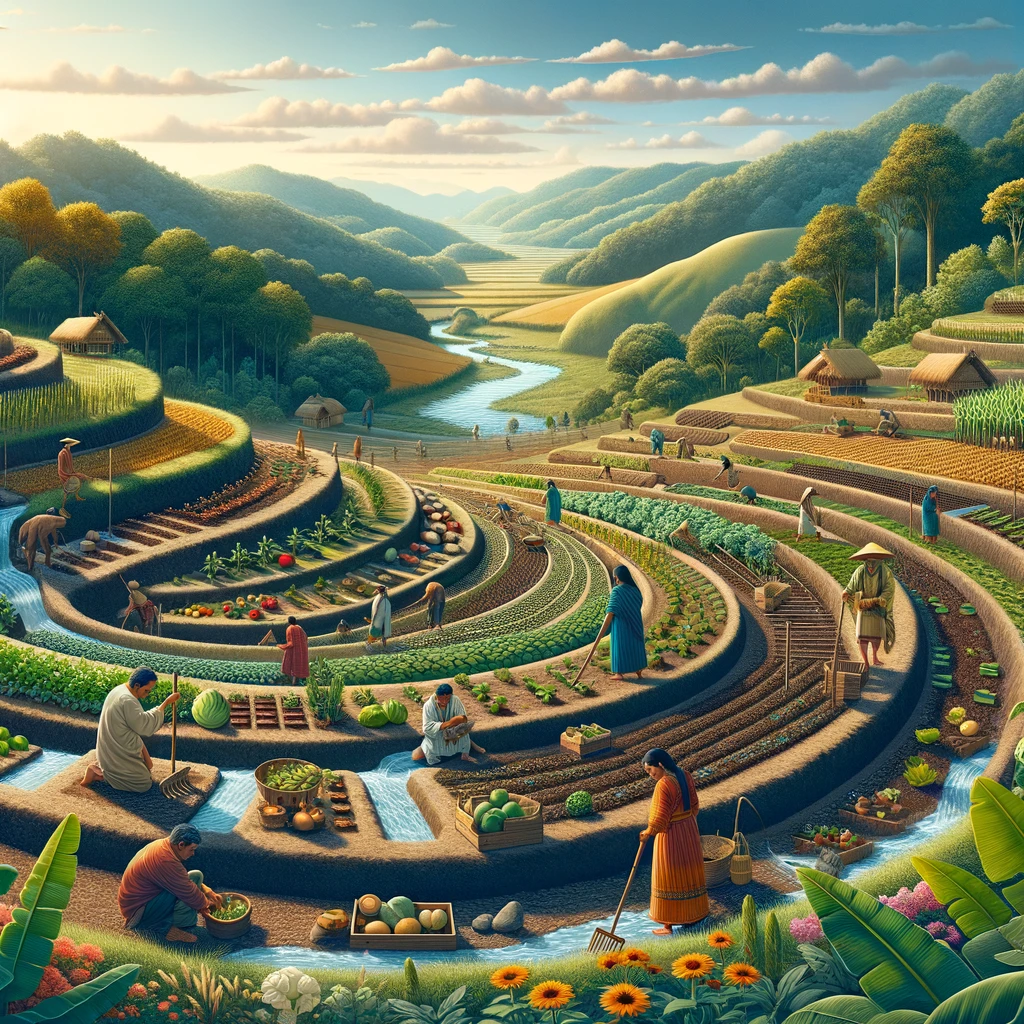
The Amazon Rainforest, often referred to as the “lungs of the Earth,” is home to an extraordinary diversity of life. Among its most fascinating inhabitants are the Indigenous Peoples who have lived there for thousands of years. These communities are not only vital to the preservation of the rainforest but also hold a wealth of knowledge about sustainable living and natural medicine. This article delves into the lives, cultures, and challenges faced by the Indigenous Peoples of the Amazon.
A Rich Tapestry of Cultures
The Amazon Rainforest spans several countries, including Brazil, Peru, Colombia, Venezuela, Ecuador, Bolivia, Guyana, Suriname, and French Guiana. Within this vast expanse, there are over 400 distinct Indigenous groups, each with its own language, culture, and traditions. Some of the well-known groups include the Yanomami, Kayapo, Ashaninka, and Matsés.
These communities have developed intricate systems of knowledge and practices that allow them to thrive in the rainforest. Their lifestyles are deeply intertwined with their environment, relying on the forest for food, shelter, and medicine. For example, the Yanomami people, one of the largest Indigenous groups in the Amazon, are expert hunters and gatherers, using bows and arrows to hunt game and foraging for fruits, nuts, and plants.
Spiritual Beliefs and Practices
Spirituality is a cornerstone of Indigenous life in the Amazon. Many communities believe in a profound connection between the natural and spiritual worlds. The forest is not just a resource but a sacred space inhabited by spirits and ancestors.
Shamanism plays a central role in many Indigenous cultures. Shamans are spiritual leaders and healers who use their deep understanding of medicinal plants and spiritual practices to treat illnesses and guide their communities. The use of ayahuasca, a powerful hallucinogenic brew, is a common practice in spiritual rituals. It is believed to open pathways to the spirit world, offering insights and healing.
Sustainable Living and Knowledge
The Indigenous Peoples of the Amazon have a profound understanding of sustainable living. Their practices are based on principles of respect, reciprocity, and balance with nature. They use techniques such as shifting cultivation, agroforestry, and selective harvesting to ensure the forest remains healthy and productive.
For example, the Kayapo people use a technique known as “slash-and-burn” agriculture in a controlled and sustainable manner. They clear small patches of forest to grow crops and, after a few years, allow the forest to regenerate. This method prevents soil degradation and maintains the ecological balance.
Indigenous knowledge extends to medicine as well. The rainforest is often referred to as the world’s largest pharmacy, with thousands of plant species used for medicinal purposes. Indigenous healers have extensive knowledge of these plants, using them to treat a wide range of ailments. This traditional knowledge is invaluable not only to their communities but also to modern science, contributing to the discovery of new medicines.
Modern Challenges and Threats
Despite their resilience and deep connection to the land, the Indigenous Peoples of the Amazon face numerous challenges. Deforestation, driven by logging, agriculture, and mining, poses a significant threat to their way of life. Vast areas of the rainforest are being destroyed, leading to loss of habitat, biodiversity, and cultural heritage.
Illegal land grabbing and encroachment by non-Indigenous settlers further exacerbate the problem. Many Indigenous communities find themselves displaced from their ancestral lands, leading to conflicts and loss of traditional livelihoods.
Climate change is another critical issue. The Amazon Rainforest plays a crucial role in regulating the Earth’s climate, and its destruction contributes to global warming. Indigenous communities, who are often at the forefront of conservation efforts, are disproportionately affected by the impacts of climate change, including altered weather patterns and reduced access to resources.
Advocacy and Resistance
In the face of these challenges, Indigenous Peoples of the Amazon have shown remarkable resilience and determination. They are actively involved in advocacy and resistance, fighting for their rights and the preservation of their lands.
Organizations such as the Coordinating Body of Indigenous Organizations of the Amazon Basin (COICA) work to unite Indigenous groups and amplify their voices on national and international platforms. These organizations advocate for land rights, environmental protection, and the recognition of Indigenous knowledge and practices.
Indigenous leaders and activists play a crucial role in these efforts. Figures like Raoni Metuktire, a chief of the Kayapo people, have gained international recognition for their advocacy work. They bring attention to the issues facing their communities and mobilize support for conservation and Indigenous rights.
The Way Forward
Supporting the Indigenous Peoples of the Amazon is not only a matter of human rights but also essential for the health of our planet. Their knowledge and practices are vital for the preservation of the rainforest and its biodiversity.
There are several ways individuals and organizations can support these communities. Advocacy and raising awareness about their struggles and contributions are crucial. Supporting organizations that work directly with Indigenous groups, such as Amazon Watch and Survival International, can make a significant impact.
Promoting sustainable practices and responsible consumption can also help reduce the pressure on the rainforest. Choosing products that are sustainably sourced and supporting policies that protect Indigenous lands and rights are steps everyone can take to contribute to the cause.
The Indigenous Peoples of the Amazon are guardians of one of the most vital ecosystems on our planet. Their rich cultures, profound knowledge, and sustainable practices offer invaluable lessons for humanity. However, they face unprecedented challenges that threaten their way of life and the future of the rainforest.
By recognizing their contributions and supporting their rights, we can help ensure that the Amazon Rainforest remains a thriving, vibrant ecosystem for generations to come. Celebrating Indigenous Peoples’ Day is an opportunity to honor these communities and recommit to protecting their lands, cultures, and lives.

The Importance of Indigenous Languages
One of the most significant aspects of Indigenous cultures in the Amazon is their languages. There are hundreds of Indigenous languages spoken across the Amazon Basin, each carrying unique knowledge and cultural heritage. These languages are critical for the transmission of traditional knowledge, particularly regarding the environment and medicinal plants.
However, many of these languages are endangered due to the influences of globalization, education systems that prioritize national languages, and the displacement of Indigenous communities. Language loss is a pressing issue, as each lost language represents the erosion of cultural identity and traditional knowledge.
Efforts to revitalize and preserve Indigenous languages are underway. Educational programs that incorporate bilingual education and teach both the national and Indigenous languages are crucial. Additionally, digital tools and platforms are being developed to document and teach these languages, ensuring they are passed on to future generations.
The Role of Women in Indigenous Communities
Women play a vital role in the social, economic, and cultural life of Indigenous communities in the Amazon. They are often the primary caretakers of their families and are responsible for gathering food, medicinal plants, and other resources. Their knowledge of the forest and its resources is extensive and indispensable.
In many communities, women are also key figures in cultural transmission, passing down traditions, stories, and knowledge to younger generations. They are actively involved in community decision-making processes and often lead initiatives related to health, education, and environmental conservation.
Despite their critical roles, Indigenous women face specific challenges, including gender-based violence and limited access to education and healthcare. Addressing these issues is essential for the overall well-being of Indigenous communities. Empowering Indigenous women through education, healthcare, and leadership opportunities can lead to more resilient and thriving communities.
Collaborative Conservation Efforts
Collaborative conservation efforts between Indigenous communities and external organizations have shown promising results. These partnerships recognize the expertise and rights of Indigenous Peoples, integrating their knowledge and practices into broader conservation strategies.
One notable example is the creation of Indigenous reserves and protected areas. These territories are managed by Indigenous communities, who use their traditional knowledge to maintain the health of the ecosystems. Research has shown that Indigenous-managed lands often have lower rates of deforestation and biodiversity loss compared to other areas.
Additionally, some projects focus on sustainable economic development, helping Indigenous communities generate income while preserving their cultural and environmental heritage. Initiatives such as ecotourism, sustainable agriculture, and the production of handicrafts and traditional medicines provide economic opportunities without compromising the integrity of the forest.
Education and Awareness
Education and awareness are crucial for fostering respect and understanding of Indigenous cultures and their contributions. Schools and educational institutions can play a significant role by incorporating Indigenous history, culture, and knowledge into their curricula. This approach not only educates students about the importance of Indigenous Peoples but also promotes cultural diversity and respect.
Media and storytelling are also powerful tools for raising awareness. Documentaries, books, and articles that highlight the lives, struggles, and achievements of Indigenous communities can reach a broad audience and generate support for their causes. Social media platforms offer a space for Indigenous voices to share their stories and advocate for their rights directly.
Legal and Policy Frameworks
Strengthening legal and policy frameworks to protect Indigenous rights is essential for their survival and well-being. National governments and international bodies must recognize and enforce the land rights of Indigenous Peoples, ensuring their territories are protected from illegal activities and encroachment.
International agreements, such as the United Nations Declaration on the Rights of Indigenous Peoples (UNDRIP), provide a framework for protecting and promoting Indigenous rights. These agreements must be implemented and respected by all nations to ensure that Indigenous communities can live freely and sustainably on their ancestral lands.
Global Solidarity
Global solidarity is crucial in supporting the Indigenous Peoples of the Amazon. The international community can play a significant role by advocating for Indigenous rights, supporting conservation initiatives, and holding governments and corporations accountable for actions that harm Indigenous communities and the environment.
Supporting fair trade practices and ethical consumption can also make a difference. By choosing products that are sourced sustainably and supporting companies that prioritize Indigenous rights and environmental conservation, consumers can contribute to positive change.
Conclusion
The Indigenous Peoples of the Amazon are not only custodians of the rainforest but also carriers of immense cultural wealth and knowledge. Their ways of life, deeply connected to the natural world, offer valuable lessons in sustainability and conservation. However, these communities face severe challenges that threaten their existence and the health of the Amazon Rainforest.
Celebrating Indigenous Peoples’ Day provides an opportunity to honor these communities, recognize their contributions, and commit to supporting their rights and well-being. Through education, advocacy, and collaborative efforts, we can help ensure that the Indigenous Peoples of the Amazon continue to thrive, preserving their cultures and the rainforest for future generations.