Contemporary African art is a vibrant and dynamic field, reflecting the complex tapestry of cultures, histories, and experiences of the African continent. This article explores the diverse voices of contemporary African artists, their unique perspectives, and the ways in which they contribute to a broader understanding of African and global art narratives.
The Historical Context of African Art
To appreciate contemporary African art, one must first understand its historical context. African art has a rich heritage, deeply rooted in ancient traditions and practices. From the rock paintings of the Sahara to the bronze sculptures of the Benin Kingdom, African art has always been diverse and multifaceted. However, the impact of colonialism and the transatlantic slave trade profoundly affected the continent’s cultural landscape, leading to a fusion of traditional and external influences.
The Rise of Contemporary African Art
The late 20th century marked a significant turning point in the development of contemporary African art. Artists began to challenge traditional norms and colonial narratives, creating works that reflected their personal experiences and contemporary realities. This era saw the emergence of new artistic movements and styles, blending traditional techniques with modern forms and themes.
Key Movements and Styles
- Afrofuturism: A movement that combines African diaspora culture with science fiction and history to critique present-day dilemmas and re-examine historical events.
- Neo-Expressionism: Characterized by intense colors, emotive subject matter, and a rejection of traditional aesthetic standards.
- Installation Art: This form allows artists to transform spaces to engage the audience in interactive ways, often with a focus on social and political themes.
Influential Contemporary African Artists
Several artists have been instrumental in shaping contemporary African art. Each brings a unique voice and perspective, often drawing from personal experiences and cultural heritage.
- El Anatsui (Ghana): Known for his large-scale sculptures made of reclaimed materials, Anatsui’s works reflect on global consumerism and the history of African colonialism.
- Yinka Shonibare (Nigeria/Britain): Shonibare’s work explores cultural identity, colonialism, and post-colonialism within the contemporary context of globalization.
- Wangechi Mutu (Kenya): Mutu’s art confronts issues of gender, race, war, and global politics, often through the lens of African feminism.
Themes in Contemporary African Art
Contemporary African art addresses a wide array of themes, each reflecting different aspects of the African experience.
- Identity and Diaspora: Many artists explore the concept of identity, often in the context of the African diaspora, globalization, and post-colonialism.
- Political and Social Commentary: Art as a medium to comment on political, social, and economic issues is prevalent, offering critical perspectives on governance, corruption, and human rights.
- Cultural Heritage and Modernity: The interplay between tradition and modernity, and how these aspects coexist and clash, is a common theme.
The Role of Art Festivals and Galleries
Art festivals and galleries play a crucial role in promoting contemporary African art. Events like the Dak’Art Biennale in Senegal and the 1-54 Contemporary African Art Fair in London, New York, and Marrakech provide platforms for artists to showcase their work and engage with an international audience.
The Impact of Digital Platforms
The rise of digital platforms has also significantly impacted contemporary African art. Social media and online galleries have democratized access to art, allowing artists to reach wider audiences and participate in global conversations.
Challenges and Opportunities
While contemporary African art is gaining recognition, artists still face challenges such as limited funding, lack of infrastructure, and underrepresentation in the global art scene. However, these challenges also present opportunities for innovation and collaboration, encouraging a more inclusive and diverse art world.
The Evolution of Artistic Techniques and Mediums
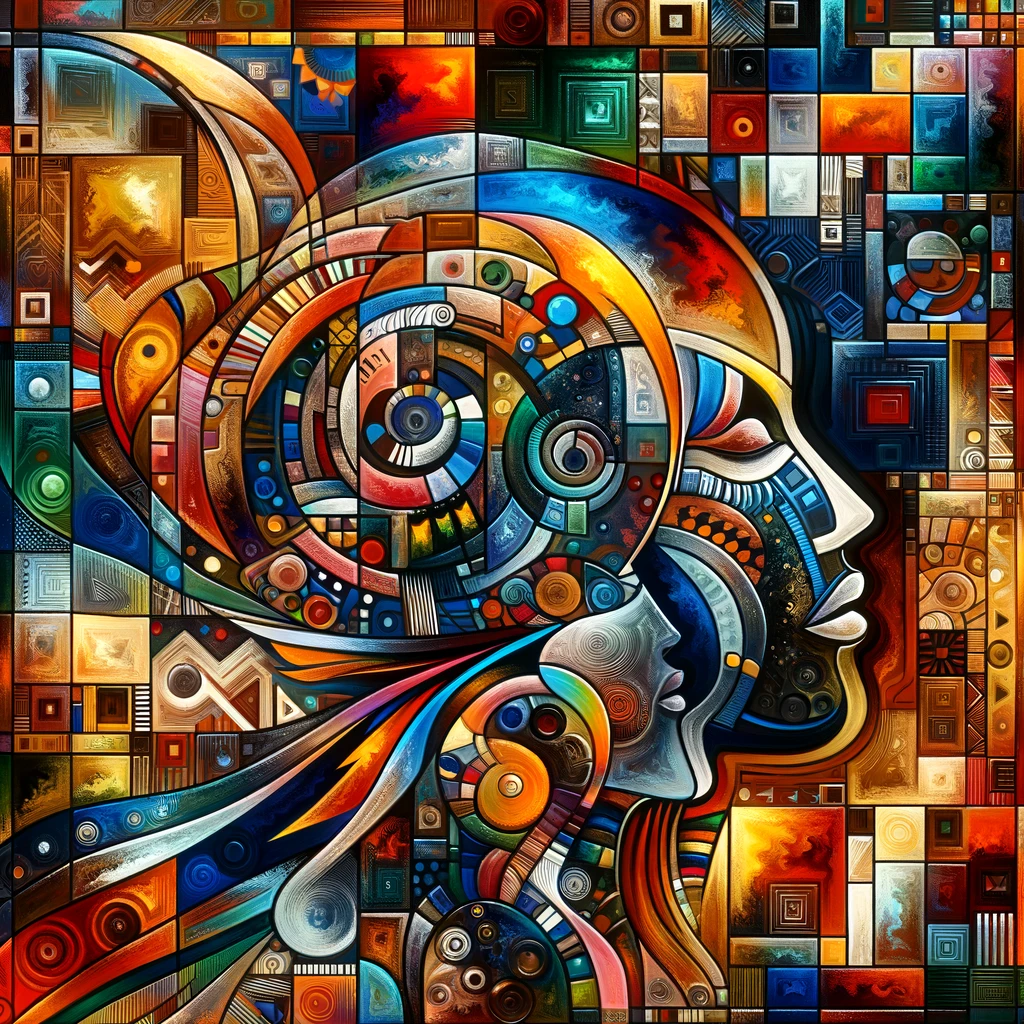
One of the hallmarks of contemporary African art is its diverse use of materials and techniques. Artists often blend traditional methods with modern technologies, creating works that are both innovative and deeply rooted in African heritage.
Innovative Use of Materials
- Recycled and Found Objects: Artists like El Anatsui use recycled materials to create intricate tapestries that reflect on environmental issues and consumer culture.
- Digital Art and Multimedia: The use of digital technology in art, such as digital painting and video installations, is increasingly popular, allowing artists to explore new forms of expression.
Traditional Techniques in Modern Contexts
- Textile Art: The use of traditional textile methods, like weaving and dyeing, continues to be significant, often infused with contemporary themes and styles.
- Wood Carving and Sculpture: Traditional carving techniques are being reimagined to create sculptures that comment on modern society and global issues.
The Global Influence of Contemporary African Art
Contemporary African art is not just transforming the art scene within the continent but also making significant impacts globally.
International Exhibitions and Recognition
- African artists are increasingly featured in major international exhibitions, such as the Venice Biennale and the Museum of Modern Art in New York.
- Awards and recognitions, like the Turner Prize, have been awarded to artists of African descent, acknowledging their contribution to the global art world.
Influence on Western Art
- The aesthetics and themes of African art have influenced Western artists, contributing to a more diverse and inclusive understanding of contemporary art.
- Collaborations between African artists and their counterparts around the world are fostering cross-cultural dialogues and artistic exchange.
Educational and Social Impact
Contemporary African art also plays a vital role in education and social change.
Art Education and Workshops
- Many contemporary African artists are involved in educational initiatives, conducting workshops and lectures to inspire the next generation of artists.
- Art schools and universities across Africa are incorporating contemporary art into their curriculum, promoting a deeper understanding of the continent’s art heritage.
Art as a Tool for Social Change
- Artists often use their work to address social issues, such as poverty, inequality, and human rights, sparking discussions and inspiring action.
- Community art projects and public installations engage local populations, making art accessible and relevant to everyday life.
Future Directions and Trends
The future of contemporary African art is marked by exciting trends and potential developments.
Emerging Artists and New Voices
- A new generation of artists is emerging, bringing fresh perspectives and exploring cutting-edge themes and techniques.
- The increased visibility of women and LGBTQ+ artists is contributing to a more diverse and representative art scene.
Technological Advancements and Virtual Reality
- The integration of advanced technologies, like virtual reality and augmented reality, is opening new frontiers for artistic expression.
- Online exhibitions and virtual galleries are making art more accessible, allowing people from all over the world to experience contemporary African art.
Sustainability and Art
- There is a growing focus on sustainability in art, with artists using eco-friendly materials and practices to create their works.
- Art projects focusing on environmental issues are gaining prominence, highlighting the role of art in promoting ecological awareness.
Final Thoughts
Contemporary African art is a dynamic and evolving field that defies easy categorization. It is a reflection of the continent’s rich history, diverse cultures, and the ongoing struggles and triumphs of its people. As we continue to witness the growth and global influence of this art form, it becomes increasingly clear that the voices of African artists are indispensable in the global dialogue of contemporary art.
Through their creativity, innovation, and resilience, these artists not only shape the artistic landscape of Africa but also contribute significantly to the broader narrative of world art. Their work challenges perceptions, breaks down barriers, and fosters a deeper, more nuanced understanding of the African experience. As we embrace the diverse voices of contemporary African artists, we are reminded of the power of art to unite, inspire, and transform.