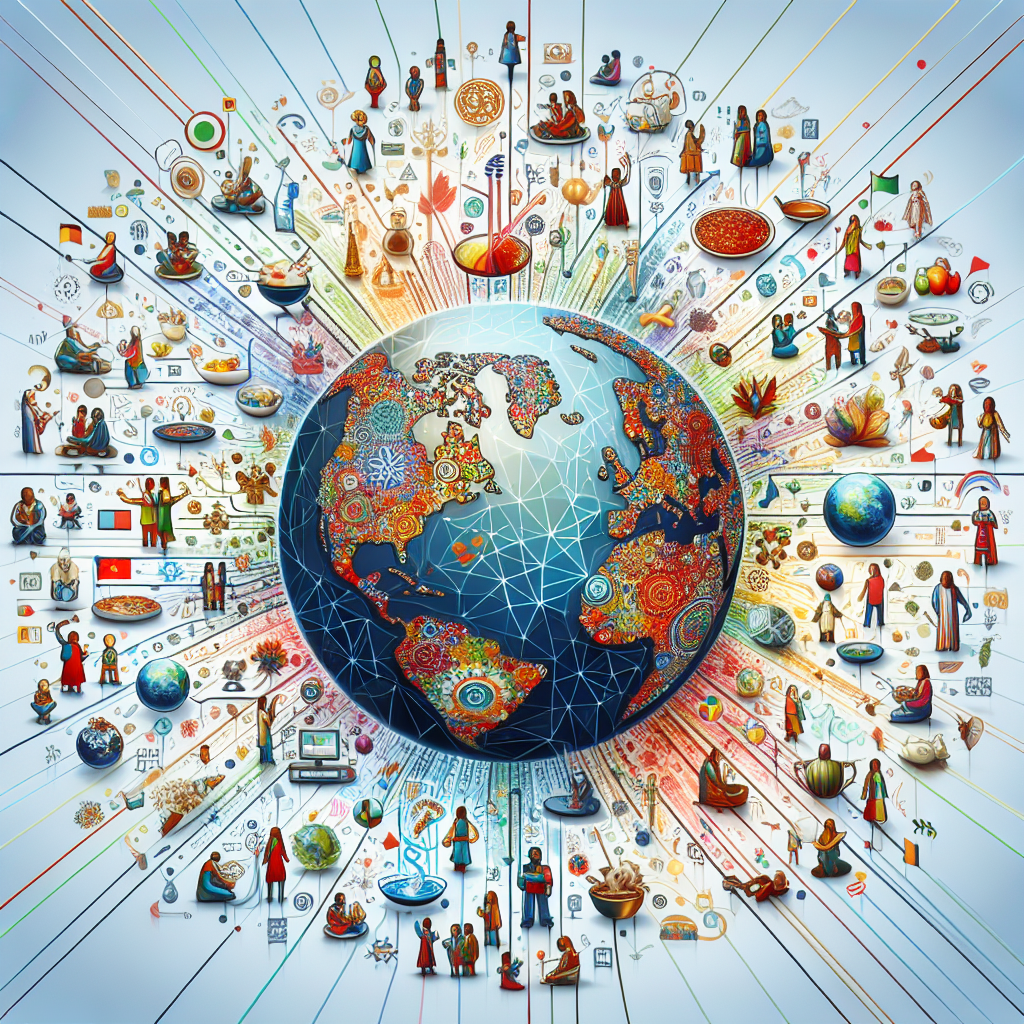
In a world that is rapidly modernizing and often disconnecting from its roots, the wisdom of Native American cultures stands as a beacon of insight and guidance. Native American tribes, with their diverse cultures and traditions, have always harbored a deep understanding of the natural world and the interconnectedness of all life. This article delves into the profound lessons that Native American wisdom can offer to modern society, encouraging a reconnection with nature, community, and the deeper aspects of human existence.
The Value of Community and Collaboration
One of the fundamental aspects of Native American cultures is the emphasis on community and collaboration. In many tribes, the concept of individualism is often overshadowed by the importance of working together for the greater good of the community. This communal approach fosters a sense of belonging and responsibility, ensuring that no member of the society is left behind.
Lesson for Modern Living
In today’s world, where individual success is often prioritized, embracing the Native American ethos of community can lead to a more inclusive and supportive society. By valuing collaboration over competition, modern communities can create stronger bonds and a more cohesive social fabric.
Respect for Nature and Sustainability
Native American cultures have always exhibited profound respect for the natural world. They view the Earth not as a resource to be exploited, but as a living entity to be honored and preserved. This deep respect for nature is evident in their sustainable practices and the way they utilize resources without depleting them.
Lesson for Modern Living
As the world grapples with environmental challenges, the Native American principle of living in harmony with nature is more relevant than ever. Adopting sustainable practices and respecting the limits of our natural environment can lead to a more balanced and healthy planet.
The Power of Storytelling and Oral Traditions
Storytelling is a vital part of Native American cultures. Through oral traditions, tribes pass down wisdom, history, and important life lessons from generation to generation. These stories are not just a form of entertainment but are integral to the cultural and spiritual education of the community.
Lesson for Modern Living
In a digital age where information is fleeting and often shallow, the Native American tradition of storytelling reminds us of the power of narratives in preserving history and imparting wisdom. Embracing storytelling can deepen our understanding of the world and strengthen our connections with others.
The Role of Elders and Respecting Age
In Native American societies, elders are revered as carriers of wisdom and experience. They play a crucial role in guiding the younger generations and are respected for their knowledge and insights gained over a lifetime.
Lesson for Modern Living
Modern society often overlooks the wisdom of the elderly, focusing instead on youth and newness. By valuing and learning from the experiences of older generations, we can gain a more comprehensive understanding of life and its complexities.
Balance and Harmony in Life
Native American cultures often emphasize the importance of balance and harmony in all aspects of life. This includes a balanced approach to physical, mental, emotional, and spiritual well-being. Living in harmony with oneself and the environment is seen as essential for a fulfilling life.
Lesson for Modern Living
In a fast-paced, high-stress world, the pursuit of balance is vital. Incorporating Native American principles of harmony can lead to a more grounded and centered life, reducing stress and increasing overall well-being.
The Importance of Rituals and Ceremonies
Rituals and ceremonies are central to Native American cultures. These practices are not mere formalities but are imbued with deep spiritual significance. They serve as a means to connect with the spiritual world, honor ancestors, and mark important life events.
Lesson for Modern Living
Incorporating rituals into modern life can provide a sense of grounding and connection to something greater than oneself. Whether it’s through meditation, mindfulness practices, or celebrating life’s milestones, rituals can enrich our daily lives.

Embracing the Circle of Life
Native American cultures have a profound understanding of the circle of life. This concept goes beyond the mere acknowledgment of birth, growth, decay, and death. It’s an appreciation of the ongoing cycles in nature and life, emphasizing that everything has its place and time.
Lesson for Modern Living
Modern society often struggles with concepts like aging and death, preferring to focus on youth and the present. Embracing the circle of life can help us accept the natural processes of aging and dying as integral and natural, fostering a healthier attitude towards life’s inevitable changes.
Connection with the Spiritual World
For many Native American tribes, spirituality is not confined to a particular place or time. It is a constant, integrated part of daily life. This connection with the spiritual world is often reflected in their respect for all living things, seeing a spirit or life force in everything around them.
Lesson for Modern Living
In a world where materialism often overshadows spirituality, reconnecting with the spiritual aspects of life can bring a deeper sense of purpose and fulfillment. Whether through nature, meditation, or religious practices, recognizing a spiritual dimension can enrich our lives.
The Practice of Gratitude
Gratitude is a key element in many Native American cultures. It’s not just about saying thanks; it’s a way of life. This sense of gratitude extends to all aspects of life, including the food they eat, the shelter they have, and the community they are part of.
Lesson for Modern Living
Practicing gratitude in our daily lives can significantly impact our overall happiness and well-being. By appreciating what we have, rather than focusing on what we lack, we can cultivate a more positive outlook and a deeper sense of contentment.
Holistic Healing and Medicine
Native American healing practices are based on a holistic approach. They consider the physical, mental, emotional, and spiritual aspects of a person. The use of natural remedies, combined with spiritual practices, forms the basis of their medicine.
Lesson for Modern Living
In a healthcare system often dominated by a focus on physical symptoms and pharmaceuticals, the Native American approach to holistic healing can provide a more balanced perspective. Integrating physical, mental, and spiritual well-being in healthcare can lead to more comprehensive and effective healing practices.
Deep Listening and Silence
In many Native American cultures, listening is an art. It involves more than just hearing words; it’s about understanding the deeper meaning and the unspoken. Silence is also valued, seen as a space for reflection and deeper understanding.
Lesson for Modern Living
In a world filled with constant noise and distraction, learning the art of deep listening and valuing silence can improve our relationships and our understanding of the world. It allows us to connect more deeply with others and with ourselves.
The Sacredness of All Life
Native Americans see all forms of life as sacred. This belief extends to animals, plants, and even inanimate objects. This perspective fosters a deep respect for the environment and all its inhabitants.
Lesson for Modern Living
Adopting a view that sees all life as sacred can transform our interactions with the world. It can lead to more compassionate and sustainable living, respecting the inherent value of all beings and things.
Conclusion
The wisdom of Native American cultures offers a rich tapestry of lessons for modern living. These lessons, grounded in respect for nature, community, and the interconnectedness of all life, provide a pathway to a more balanced and fulfilling existence. As we face the challenges of the modern world, these timeless principles can guide us toward a more harmonious and sustainable future, where respect for all life and the planet is paramount.