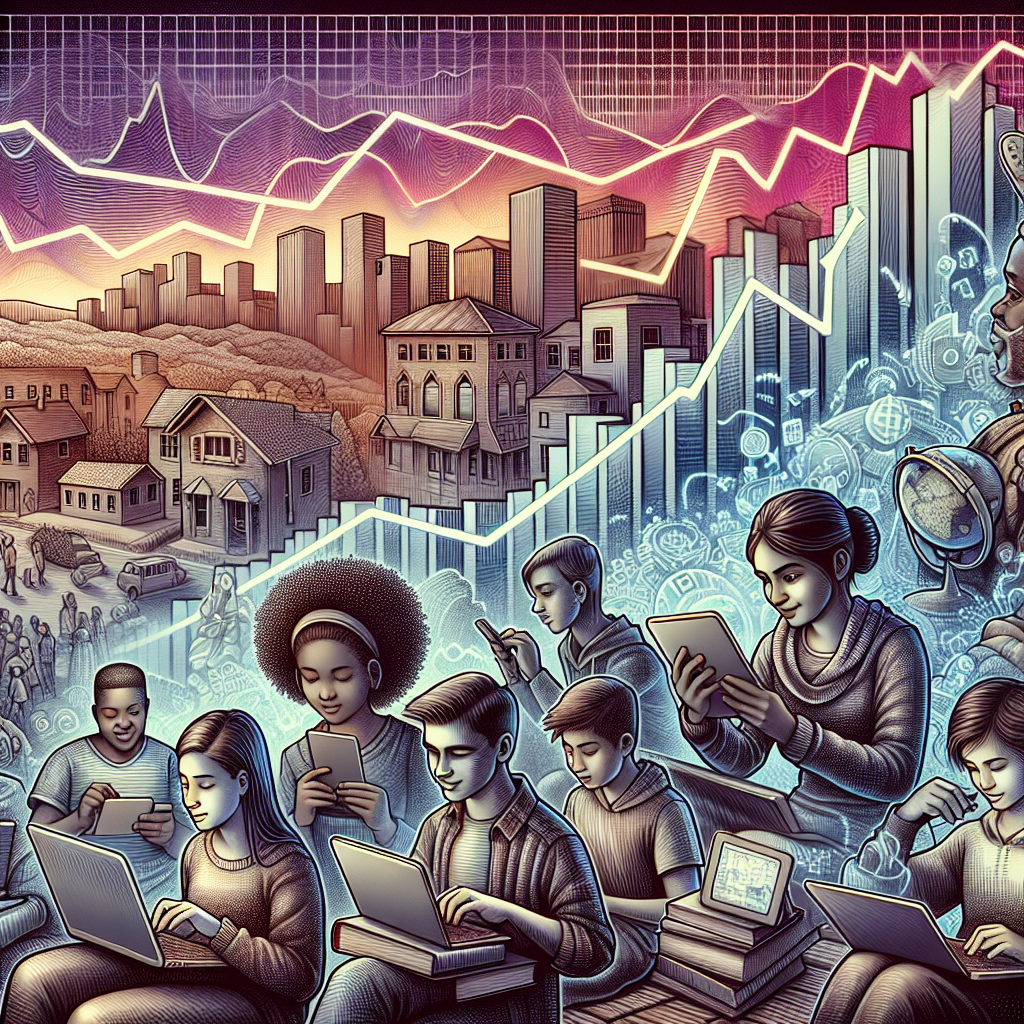
The study of consumption through the lens of economic sociology offers a fascinating exploration of how identity, culture, and economic behavior are intertwined. As societies evolve, so do their consumption patterns, which are not merely reflections of economic capabilities but are deeply embedded within cultural norms, social structures, and individual identities. In this article, we will delve into the nuances of economic sociology, focusing on how consumption is influenced by various sociocultural factors and how these shape economic behavior.
In the bustling global market, what people choose to buy, eat, wear, or even use as modes of communication can tell stories of societal norms and individual aspirations. Consumption is an act that goes beyond the simple necessity of acquiring goods and services; it represents identities, class, and even power structures within society. By analyzing consumption from an economic sociology perspective, we open avenues to understand the ensnaring influences of advertising, the subtleties of social distinction, and the pivotal role of culture in determining economic choices.
As economies become more complex, and globalization blurs national borders, examining consumption patterns offers insights into human behavior in various contexts, and enables researchers, policymakers, and businesses to better understand their audiences and markets. Join me as we embark on this enlightening journey through the sociology of consumption, unearthing the connections between identity, culture, and economic behavior.
Historical Context and Theoretical Foundations
The study of economic sociology has its roots in the late 19th and early 20th centuries with the works of Karl Marx, Max Weber, and Émile Durkheim laying the foundational perspectives. These scholars emphasized the role of social and cultural factors in economic life, challenging the traditional economic theories that often viewed individuals as rational actors divorced from context.
Karl Marx, for example, looked at consumption through the lens of capitalism, examining how class relations impacted consumption patterns. He proposed that the capitalist system drives a culture of consumption that not only reflects but also reinforces class disparities. Max Weber expanded on this idea by considering how cultural values and religious beliefs influenced economic behavior, introducing the notion of the “Protestant Ethic” and its relation to capitalism.
Émile Durkheim, on the other hand, stressed the importance of social integration and the collective conscience in shaping economic behavior, laying the groundwork for understanding how societal norms influence consumption. These theoretical frameworks have significantly shaped the study of economic sociology, providing scholars with essential tools to investigate the complex web of factors influencing consumption.
Today, economic sociology continues to evolve, integrating new theories and methods to better understand the changing dynamics of consumption in an increasingly interconnected world. From Pierre Bourdieu’s concept of “cultural capital” to Amartya Sen’s capabilities approach, contemporary scholars have built upon these foundational theories to offer fresh insights into the intersections of identity, culture, and economic behavior.
The Role of Identity in Consumption
Identity plays a crucial role in shaping consumption patterns. Our choices are often guided by how we perceive ourselves and how we want others to perceive us. Consumption becomes a self-expressive act, where individuals craft and convey their identities through their purchasing decisions.
This phenomenon is evident across various cultures and societies. For instance, the clothes we wear, the cars we drive, and even the technology we use become extensions of our identities. Brand loyalty, in many cases, is less about the functional value of a product and more about its symbolic value — how it aligns with one’s personal or social identity.
Brands capitalize on this by aligning themselves with certain ideologies, lifestyles, and cultures. For instance, Apple’s marketing strategy often focuses on innovation, creativity, and a modern lifestyle, attracting consumers who identify with these values. Such strategies highlight the interplay between identity and consumption, illustrating how companies leverage social and individual identities to drive consumer behavior.
Moreover, as individuals navigate multiple identities — personal, social, and professional — these influence and sometimes conflict in shaping consumption choices. The desire for social acceptance can push individuals to purchase luxury goods beyond their economic means, illustrating the powerful influence of identity on economic behavior.
Cultural Influences on Consumption
Culture is a pervasive force that shapes economic behavior by influencing consumption patterns. It encompasses the shared meanings, beliefs, practices, norms, and values that dictate how individuals and groups use, value, and interpret goods and services.
Cultural differences in consumption are evident worldwide. For example, in many Western countries, the culture of consumerism is deeply entrenched, whereas in many Eastern cultures, consumption is more influenced by communal values and traditions. These cultural distinctions underscore the need to understand local contexts when studying consumption patterns.
Food consumption offers a tangible example of cultural influences. In many cultures, food is not only sustenance but also an expression of cultural heritage. This is evident in traditional cuisines, culinary rituals, and dietary restrictions that guide eating habits and, by extension, food-related economic behavior.
Mass media and global communication have also significantly influenced cultural consumption patterns, leading to an increasing homogenization of consumer tastes around the world. However, local cultures continue to adapt and reshape these global influences, highlighting the dynamic interplay between local and global culture in shaping consumption.
Social Structures and Consumption
Social structures, including class, gender, and age, play a significant role in shaping consumption patterns. These structures dictate access to resources, opportunities, and privileges, influencing economic behavior and consumption choices.
Class, for instance, can dictate what is accessible or considered desirable. Higher-income individuals might indulge in premium goods and services, while lower-income groups may prioritize necessity over luxury, influenced by their economic constraints. This results in a stratification of consumption patterns, where economic capabilities intersect with social class.
Gender also influences consumption, with traditional gender roles often dictating purchasing decisions. For example, advertising for household products may target women more than men, perpetuating stereotypes and influencing economic behavior. Similarly, products are often gendered, with marketing strategies tailored to the identified male or female audience.
Age demographics are another crucial factor. Millennials and Gen Z have different preferences and consumption patterns compared to older generations, such as a preference for sustainable and ethically sourced products. Understanding these demographic influences helps in tailoring products and marketing strategies to meet the diverse needs and preferences of different consumer segments.
Globalization and Its Impact on Consumption
Globalization has profoundly affected consumption patterns worldwide. The increased interconnectedness and flow of goods, services, information, and technology have facilitated changes in how individuals consume, offering both opportunities and challenges.
On one hand, globalization has democratized access to a wide range of products and services, allowing consumers in different parts of the world to access goods that were traditionally localized. This global market integration has led to an influx of international brands and products, influencing local consumption patterns and preferences.
On the other hand, globalization has also resulted in the homogenization of cultures and consumer preferences. As global brands dominate local markets, there is a concern of cultural erosion, where traditional practices and local industries are overshadowed by global influences. This has spurred a counter-movement toward the “localization” of consumption, where consumers increasingly seek products that reflect their cultural identity.
The complexities of global consumption are further amplified by technological advancements, particularly the rise of e-commerce which has transformed how individuals purchase goods and services. Online platforms offer consumers a diverse range of choices, while also presenting challenges related to privacy, data security, and the digital divide.
Conclusion: The Future of Economic Sociology in Consumption
The study of consumption through economic sociology offers invaluable insights into the complex interplay of identity, culture, and economic behavior. As societies continue to evolve, and globalization intensifies, these interactions will become even more intricate and interconnected.
In the future, the focus on sustainable consumption is likely to grow, driven by global challenges such as climate change, resource scarcity, and social inequality. Consumers, particularly the younger generations, are increasingly aware of the environmental and social impact of their consumption choices, demanding more sustainable and ethical options.
Furthermore, technological advancements are set to transform consumption patterns even further. The rise of artificial intelligence, big data, and the Internet of Things (IoT) promises an era where consumption is personalized and efficiency-driven, presenting both opportunities and ethical considerations.
Economic sociology provides the tools to understand and navigate these changes, offering a comprehensive framework to examine how identity, culture, and social structures influence consumption. By embracing the interplay of these elements, businesses, policymakers, and researchers can better address the complex challenges and opportunities that arise within the evolving landscape of global consumption.