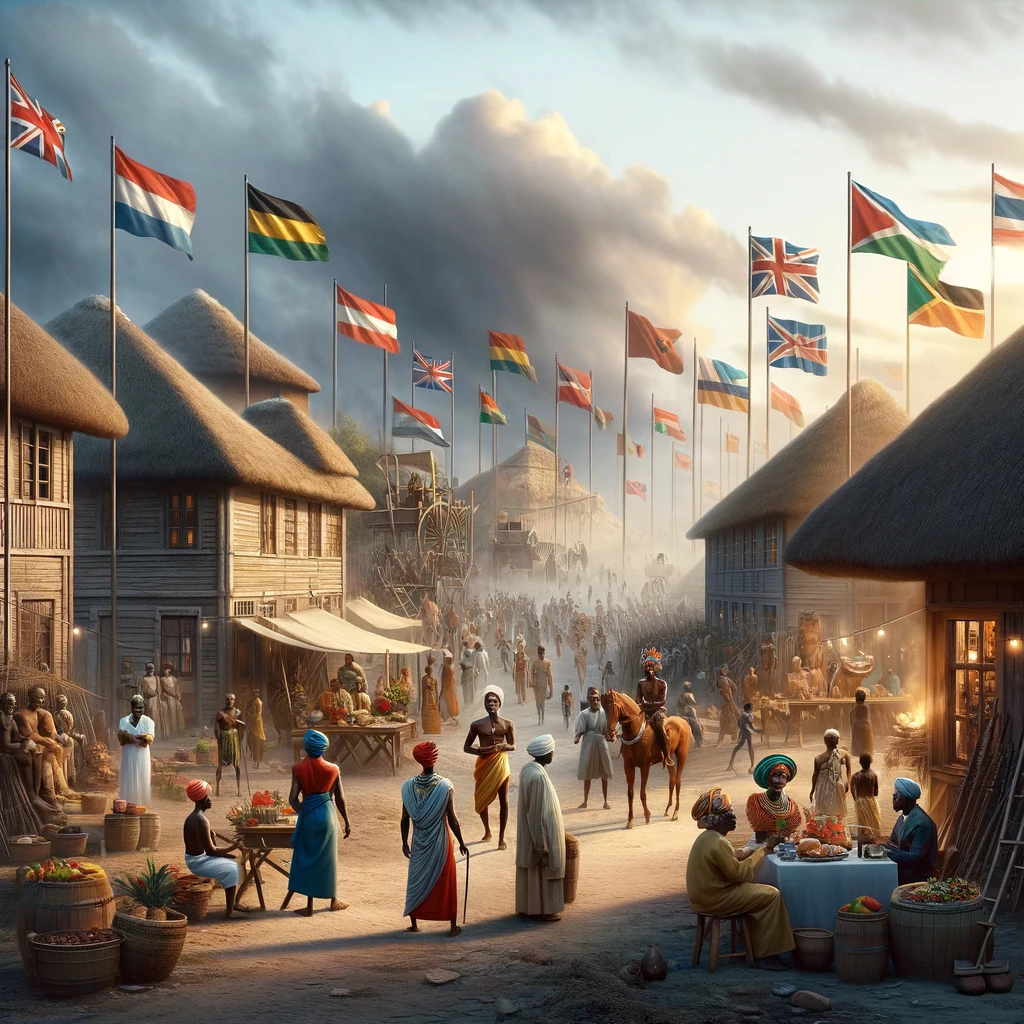
Colonization, a phenomenon that reshaped the world, left an indelible mark on African societies. The history of African colonization is not just a story of conquest and subjugation but also one of resilience and transformation. This comprehensive article aims to explore the multifaceted impact of colonization on the African continent, examining its profound effects on social structures, economies, political landscapes, and cultural identities.
The Prelude to Colonization
To understand the impact of colonization, it’s crucial to first comprehend the state of African societies prior to European intrusion. African societies were diverse, with a rich tapestry of kingdoms, empires, and small communities. These societies had their own languages, cultures, and social structures, varying significantly from one region to another. Trade, both within the continent and with outsiders, was prevalent, with established routes across the Sahara and along the coasts.
The Scramble for Africa
The late 19th century saw European powers scramble to gain control over African territories, a process spurred by industrialization and the need for resources. The Berlin Conference of 1884-1885, without African representation, divided the continent among European powers, setting the stage for widespread colonization. This arbitrary division ignored existing ethnic, linguistic, and cultural boundaries, leading to long-term consequences for African societies.
Social and Cultural Disruption
Colonization led to significant social and cultural upheaval. Traditional power structures were dismantled, and colonial rulers often favored certain ethnic groups, creating divisions and rivalries that persist to this day. Education systems were established to serve the colonial agenda, often eradicating indigenous knowledge and languages. Christianity was spread, often at the expense of traditional African religions, leading to a loss of cultural practices and beliefs.
Economic Exploitation
The economic impact of colonization was profound. African economies, previously diverse and largely self-sufficient, were reoriented to serve the needs of the colonial powers. This involved the exploitation of natural resources and the establishment of cash-crop economies at the expense of local food production. Labor practices, including forced labor and oppressive taxation systems, were implemented to maximize profits, leading to widespread poverty and economic dependency.
Political Reorganization
Colonial powers imposed new political structures, often based on European models, disregarding existing systems of governance. This reorganization resulted in the centralization of power and the creation of modern African states with borders that often did not reflect the realities on the ground. The introduction of new governance systems also meant the erosion of traditional leadership and governance structures, leading to a loss of autonomy and self-determination.
Resistance and Nationalism
Resistance to colonial rule was a consistent theme throughout the colonization period. This resistance took many forms, from armed rebellions to intellectual and cultural movements. Over time, these efforts evolved into more organized nationalist movements, demanding independence and self-governance. The struggle for independence was often long and bloody, with lasting impacts on the political and social fabric of these nations.
The Legacy of Colonization
The legacy of colonization in Africa is complex and multifaceted. On the one hand, it led to the development of infrastructure, the introduction of new technologies, and the emergence of modern nation-states. On the other hand, it resulted in the disruption of traditional societies, economic dependency, and the creation of arbitrary states that have struggled with conflict and instability.
Post-Colonial Challenges
In the post-colonial era, African nations have faced numerous challenges in their quest for development and stability. The legacy of colonization, including the artificial borders and the economic systems it established, has contributed to ongoing conflicts, political instability, and economic challenges. African nations have been working to overcome these challenges, seeking paths to sustainable development, political stability, and cultural revival.
Cultural Renaissance
Despite the negative impacts of colonization, there has been a resurgence of interest in African cultures and traditions. This cultural renaissance involves the revival of traditional practices, languages, and arts. It is a movement towards reclaiming and celebrating African identity, history, and heritage, countering the narrative of colonization with a narrative of resilience and pride.

The Path Forward: Learning from History
In the wake of colonization, African nations are charting their own course. This journey is not just about economic and political development, but also about healing from the past. The legacy of colonization, with its deep-rooted impacts on societies and cultures, cannot be undone overnight. However, by understanding and acknowledging these impacts, African nations are better equipped to address contemporary challenges and build a more inclusive and sustainable future.
Education and Decolonization
Education plays a crucial role in the path forward. There is an increasing emphasis on decolonizing education, which involves revising curricula to include African perspectives, histories, and knowledge systems. This shift aims to empower African youth with a better understanding of their history and culture, fostering a sense of pride and identity. It also involves critical engagement with the legacy of colonization, encouraging a nuanced understanding of its impacts and the ways in which it continues to influence contemporary societies.
Economic Transformation
Economically, African nations are striving to move beyond the structures established during the colonial era. This involves diversifying economies, developing local industries, and increasing intra-African trade. Such efforts aim to reduce dependency on former colonial powers and create more sustainable and self-sufficient economies. Moreover, there is a growing focus on harnessing the continent’s vast natural resources responsibly and sustainably, ensuring that the benefits are shared equitably among its people.
Political Evolution
Politically, African countries are grappling with the challenge of creating stable and effective governance structures. This involves addressing the legacy of artificially created borders and ethnically divided societies. Efforts are being made to foster inclusive governance that reflects the diverse makeup of these nations. Additionally, many African countries are working towards strengthening democratic institutions and processes, promoting transparency, accountability, and the rule of law.
The Role of the International Community
The international community has a role to play in supporting Africa’s post-colonial journey. This involves moving beyond the traditional donor-recipient relationship to one of partnership and collaboration. Support for sustainable development, fair trade practices, and respect for sovereignty is crucial. Additionally, acknowledging and addressing the historical injustices of colonization, including through dialogues on reparations and the return of cultural artifacts, is an important part of this process.
Cultural Revival and Global Influence
The cultural revival in African societies is not only about reclaiming the past but also about influencing the global cultural landscape. African art, music, literature, and fashion are gaining international recognition, showcasing the richness and diversity of African cultures. This global presence is a powerful counter-narrative to the colonial depiction of Africa and is a source of pride and inspiration for people across the continent.
Final Thoughts
The story of colonization in Africa is a complex one, marked by pain and resilience. As African societies continue to deal with its legacy, they are also forging new paths and creating new narratives. These efforts are not just about correcting historical wrongs but about building a future that reflects the aspirations, values, and diversity of African peoples. The journey is long and challenging, but it is one that holds great promise for the continent and its people.
In conclusion, the effects of colonization on African societies are far-reaching and enduring. However, as African nations confront these challenges, they are also writing a new chapter in their history – one of empowerment, innovation, and cultural revival. This new chapter is not just significant for Africa but for the world, offering lessons in resilience, diversity, and the transformative power of reclaiming one’s history and identity.
This article has provided a comprehensive overview of the effects of colonization on African societies, examining its historical, socio-cultural, economic, and political impacts, and highlighting the path forward as African nations work to overcome this legacy. Through education, economic transformation, political evolution, international cooperation, and cultural revival, African societies are charting a new course that honors their past while embracing a hopeful future.