Fashion is a universal language, transcending borders and cultures, with each region of the world contributing uniquely to the global tapestry of style. African fabrics, with their rich history, vibrant colors, and unique patterns, have made a profound impact on modern fashion trends. This article delves into the heart of African textiles, exploring their historical roots, cultural significance, and the ways they have shaped and influenced global fashion.
The Roots of African Textiles
African textiles are as diverse as the continent itself, with each region offering a unique blend of fibers, weaving techniques, and symbolic meanings. Historically, these fabrics were more than mere attire; they were a form of communication, with patterns and colors conveying social status, marital status, age, and ethnic identity.
Kente Cloth: More Than Just Fabric
Take, for instance, the famous Kente cloth from Ghana. Originating from the Ashanti Kingdom, Kente is known for its dazzling, multicolored patterns, woven intricately on a loom. Each color and pattern holds deep meaning, with blue symbolizing peace, green for renewal, and gold for wealth and royalty. Kente was traditionally worn by royalty, but today, it has become a symbol of African heritage worldwide.
The Beauty of Batik and Ankara
In West Africa, particularly Nigeria, Ankara fabric (also known as African wax prints) has taken the fashion world by storm. Originally influenced by Indonesian batik, these fabrics are characterized by their vivid colors and bold patterns. The process of creating Ankara involves wax-resistant dyeing techniques that give the fabric its distinctive crispness and depth.
Global Recognition and Adaptation
The 20th century saw a global awakening to the beauty of African textiles. Western designers began to integrate African fabrics into their collections, appreciating their beauty and storytelling ability. Today, major fashion houses and designers often incorporate elements of African textiles in their designs, showcasing them on international runways.
A Fusion of Cultures
The fusion of African fabrics into Western fashion is not just about aesthetics; it’s a dialogue between cultures. For instance, designers have merged the boldness of African prints with contemporary styles, creating pieces that are both modern and steeped in tradition. This blend has appealed to a broad audience, allowing people from different backgrounds to appreciate and embrace African heritage.
Sustainable and Ethical Fashion
In an era where sustainability is becoming increasingly important, African textiles offer a beacon of hope. Many African fabrics are produced using traditional, environmentally friendly methods, making them a popular choice for those seeking ethical fashion options. The focus on handcrafted techniques also supports local artisans, ensuring the continuation of these age-old practices.
The Influence on Streetwear and Everyday Fashion
The impact of African fabrics is not limited to high fashion; it has trickled down to streetwear and everyday clothing. From vibrant head wraps to boldly patterned shirts and dresses, these fabrics have found their way into the wardrobes of people across the globe. They bring a burst of color and a unique narrative to everyday fashion, allowing individuals to make a statement with their clothing choices.
Celebrity Influence and Media
Celebrities and influencers have played a significant role in popularizing African fabrics. When influential figures embrace these textiles, it creates a ripple effect, inspiring their followers to explore and adopt these styles. Social media platforms have further amplified this trend, with countless posts showcasing the versatility and beauty of African fabrics.
Cultural Appropriation vs. Appreciation
While the global embrace of African textiles is largely positive, it’s essential to navigate the fine line between cultural appreciation and appropriation. It’s crucial for designers and consumers alike to understand the history and significance of these fabrics, ensuring that their use respects and honors their cultural origins.
African Fabrics in the Future of Fashion
Looking ahead, African textiles are poised to continue influencing the global fashion scene. As the world becomes more interconnected, the exchange of cultural ideas and styles becomes more fluid. African fabrics, with their rich history and dynamic appeal, are set to remain a vibrant and influential force in the tapestry of global fashion.
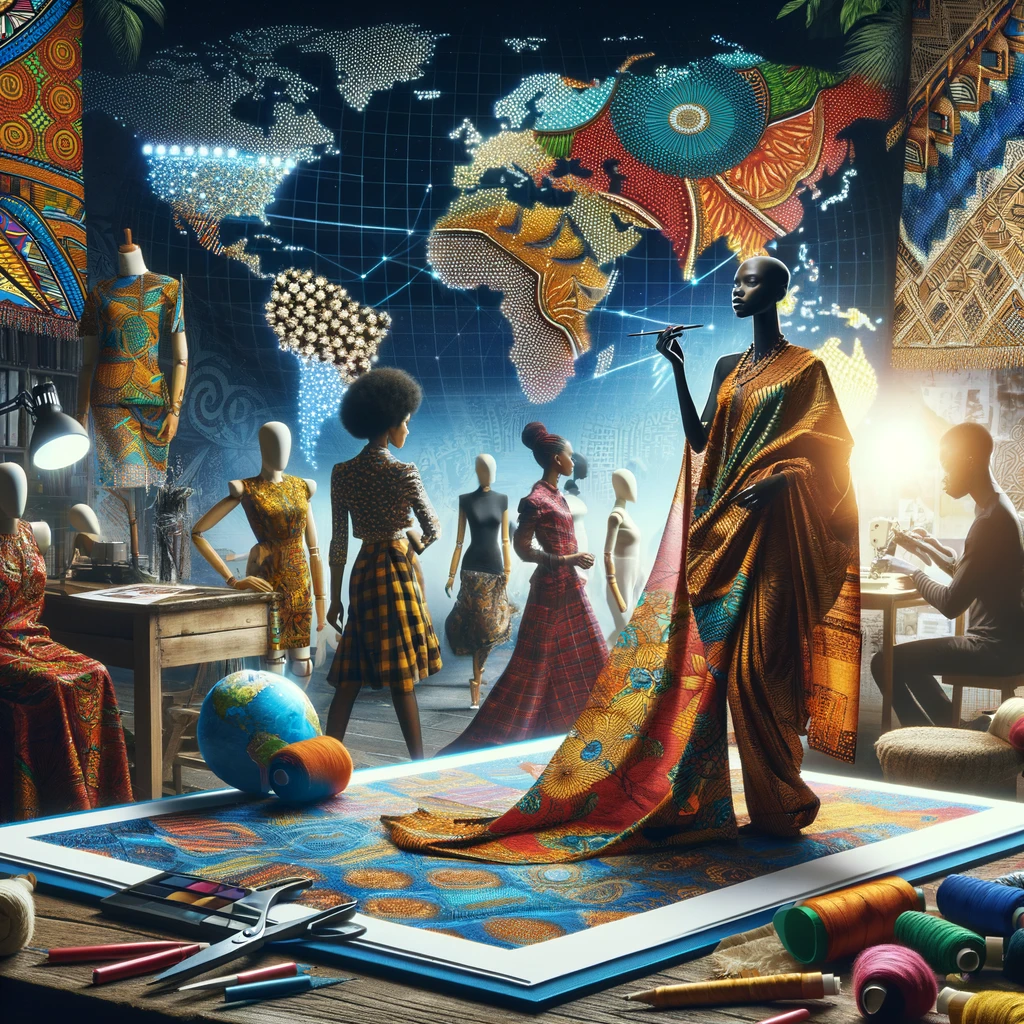
The Role of African Fabrics in Modern Design
Modern fashion designers, both within and outside of Africa, are drawing inspiration from these textiles, reimagining them in contemporary contexts. For example, designers are blending traditional African patterns with western silhouettes, creating garments that are both innovative and deeply rooted in cultural heritage. This fusion not only pays homage to African artistry but also brings fresh perspectives to global fashion.
Impact on Global Runways and High Fashion
The influence of African fabrics on global runways is undeniable. Renowned designers have been incorporating these textiles into their collections, showcasing them at major fashion events in Paris, Milan, and New York. These collections have been pivotal in placing African fabrics in the limelight, demonstrating their versatility and appeal to a global audience.
The Role of the African Diaspora
The African diaspora plays a crucial role in the global spread and popularity of African fabrics. People of African descent living around the world have become ambassadors of their cultural heritage, using fashion as a means to express and celebrate their roots. This has led to a growing demand for authentic African textiles in countries far from the continent, bridging gaps and fostering a sense of unity and pride among the diaspora.
Influence on Popular Culture and Media
The impact of African fabrics extends beyond fashion runways to popular culture and media. Movies, music videos, and television shows featuring these textiles have further popularized them, making them recognizable symbols of African culture worldwide. This exposure has sparked a growing interest in African fashion, arts, and crafts, leading to a greater appreciation and demand for these products.
Economic Impact and Empowerment
The global interest in African fabrics has significant economic implications. By popularizing these textiles, the fashion industry has opened up new markets for African designers and artisans, providing them with opportunities for economic growth and empowerment. This not only supports local economies but also helps in preserving cultural heritage and traditional craftsmanship.
Challenges and Opportunities
Despite the growing popularity of African fabrics, there are challenges to be addressed. The risk of cultural appropriation and exploitation remains a concern. It’s crucial for the fashion industry to engage with African designers and communities in a way that is respectful and mutually beneficial. Additionally, there is a need for infrastructure and support to enable African artisans and designers to compete on a global scale.
Educating the Masses
Education plays a crucial role in the appropriate adoption and appreciation of African fabrics. By educating consumers about the origins, meanings, and significance of these textiles, the fashion industry can promote a deeper understanding and respect for African cultures. This education can also help in making informed choices that support ethical and sustainable practices.
Sustainability and the Future
The focus on sustainability in fashion aligns well with the traditional methods of producing African textiles. As the industry moves towards more environmentally friendly practices, African fabrics stand out for their minimal ecological footprint. This emphasis on sustainability not only benefits the environment but also adds value to these textiles, making them more appealing to a conscious consumer base.
Conclusion
African fabrics, with their rich history, vibrant colors, and unique patterns, have undeniably left an indelible mark on global fashion trends. Their journey from traditional attire to international runways is a story of cultural resilience, creativity, and adaptability. As the world continues to evolve, the influence of African textiles remains a testament to the enduring power and relevance of cultural heritage in fashion. These fabrics not only add diversity and vibrancy to the global fashion landscape but also serve as a bridge connecting people and cultures. In embracing African fabrics, the world of fashion not only celebrates the beauty of African artistry but also contributes to a more inclusive, sustainable, and culturally rich future.