The history of economic thought is as extensive and varied as human civilization itself. Among the numerous theories and schools of thought that have shaped modern economic policy, few can compare to the profound impact of John Maynard Keynes and his revolutionary ideas, collectively known as Keynesian economics. At its core, the Keynesian Revolution marked a paradigm shift in the way economists, policymakers, and governments viewed economic activity, specifically in terms of demand management and the role of state intervention in mitigating economic fluctuations.
Before Keynes, classical economic theory held sway, promoting a laissez-faire approach where markets were expected to self-regulate through the invisible hand of supply and demand. However, the Great Depression of the 1930s exposed the limitations of classical economics. Massive unemployment, declining production, and widespread poverty highlighted the need for a new economic framework. It was in these dark times that Keynes presented a bold new vision, suggesting that government action could stabilize the economy by managing demand.
This article delves into the intricacies of the Keynesian Revolution, examining John Maynard Keynes’ most influential ideas and their lasting impact on economic thought and policy. Whether you’re a student of economics or simply interested in the forces that shape our world, understanding Keynesianism is crucial for anyone seeking to navigate the complexities of modern economic life.
Classical Economics Versus Keynesian Economics
To fully appreciate the significance of Keynes’ contributions, it’s essential to understand the classical economic theories he challenged. Classical economists, such as Adam Smith, David Ricardo, and John Stuart Mill, believed in the self-regulating nature of markets. They argued that free markets, left to their own devices, would naturally find equilibrium, where supply matches demand, ensuring optimal allocation of resources.
In times of economic downturn, classical economists believed that lower wages would eventually correct the imbalance by making labor cheaper, thereby encouraging hiring and production. Similarly, they trusted that interest rate adjustments would balance savings and investments, leading to economic recovery.
However, the Great Depression starkly contradicted these beliefs. Despite significant drops in wages and interest rates, mass unemployment persisted, and economic recovery seemed distant. It was this inability of classical economics to offer solutions that paved the way for Keynesian thought. Keynes argued that markets could fail to self-correct and that active government intervention was crucial to managing economic cycles and ensuring stability.
Keynesian Economics: Core Principles
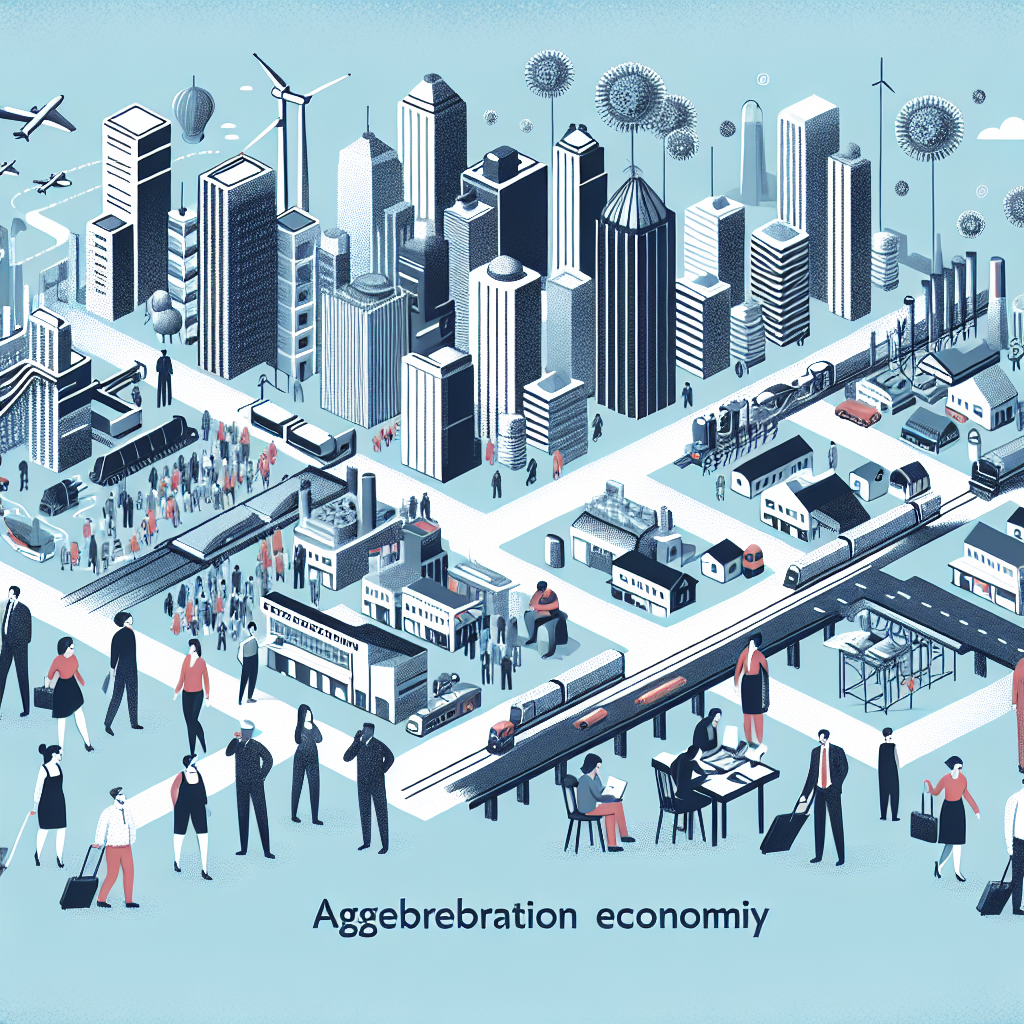
Keynesian economics revolves around a few fundamental principles that distinctively depart from classical theory. Perhaps the most critical concept is that of “aggregate demand”—the total demand for goods and services within an economy. Keynes argued that insufficient aggregate demand could lead to prolonged periods of economic stagnation and high unemployment.
According to Keynes, when households and businesses reduce their spending due to uncertainty or economic pessimism, aggregate demand declines, leading to lower production and higher unemployment. In such scenarios, Keynes advocated for increased government spending to offset the decline in private sector demand. By injecting money into the economy, the government could stimulate demand, drive production, and reduce unemployment.
Another core principle is the “multiplier effect.” Keynes posited that an initial increase in spending leads to a chain reaction of increased consumption and production, amplifying the overall impact on economic activity. For example, government spending on infrastructure projects not only creates jobs directly but also boosts demand for materials, machinery, and services, leading to more employment in those sectors.

Government’s Role in Economic Management
One of the most revolutionary aspects of Keynesian economics is the active role it envisions for government in economic management. Unlike classical economists who favored minimal state intervention, Keynes argued that the government could—and should—play a proactive role in stabilizing the economy.
Keynes suggested that during economic downturns, governments should run budget deficits, financed through borrowing, to boost public spending and stimulate demand. Instead of waiting for the market to self-correct, this approach aimed at immediate action to mitigate economic hardships. Conversely, during periods of economic growth, governments should aim for budget surpluses to cool down an overheating economy and prepare for future downturns.
Fiscal policy, therefore, became a cornerstone of Keynesian economics. Through taxation and public spending, governments could influence economic activity, stabilizing growth, and minimizing unemployment. This approach also extended to monetary policy, where central banks could influence interest rates and money supply to manage economic fluctuations.
The Influence of Keynesian Economics on Policy
The impact of Keynesian economics on policy-making was profound and far-reaching. In the wake of World War II, many Western nations adopted Keynesian principles to guide their economic policies. The post-war period saw unprecedented levels of economic growth, low unemployment rates, and rising standards of living, often attributed to Keynesian-inspired policies.
In the United States, President Franklin D. Roosevelt’s New Deal can be seen as an application of Keynesian principles, albeit before Keynes’ ideas were fully codified. The New Deal involved substantial government spending on public works, social programs, and financial reforms, aiming to revive the American economy from the Great Depression.
In the United Kingdom, Keynesian economics strongly influenced post-war economic policies. The government’s approach to managing the economy emphasized full employment, social welfare, and public investment in housing, healthcare, and education. These policies played a significant role in the reconstruction and growth of the British economy during the mid-20th century.
Criticisms and Evolution of Keynesian Economics
Despite its widespread influence, Keynesian economics was not without criticism. In the 1970s, the global economy encountered “stagflation”—a situation characterized by stagnant economic growth and high inflation. This phenomenon challenged the core principles of Keynesian economics, which struggled to provide solutions for simultaneously addressing inflation and unemployment.
Critics, particularly those from the monetarist school led by Milton Friedman, argued that excessive government intervention and loose monetary policy led to inflationary pressures. They emphasized the importance of controlling money supply and prioritizing low inflation over full employment. The stagflation crisis led to a decline in the dominance of Keynesian economics and a shift towards neoliberal policies in the 1980s, characterized by deregulation, privatization, and reduced government intervention.
However, Keynesian economics has experienced a resurgence in recent years, particularly in response to financial crises. The 2008 global financial crisis highlighted the dangers of unregulated markets and prompted governments worldwide to implement Keynesian-style stimulus packages to revive their economies. These actions demonstrated the enduring relevance of Keynes’ ideas in managing modern economic challenges.
Conclusion
The Keynesian Revolution, spearheaded by John Maynard Keynes, marked a monumental shift in economic thought. By challenging the classical belief in self-regulating markets and advocating for active demand management, Keynesian economics fundamentally changed the role of government in economic policymaking. Through its emphasis on aggregate demand, fiscal policy, and government intervention, Keynesianism provided a framework to address economic crises and achieve stability and growth.
While Keynesian economics faced criticism and evolved over time, its core principles continue to shape contemporary economic policy. The resurgence of Keynesian ideas in response to financial crises underscores their enduring relevance and adaptability to modern economic challenges. As we navigate the complexities of the global economy, understanding the Keynesian Revolution and its impact remains crucial for informed economic analysis and policy formulation.
In the ever-evolving landscape of economic thought, the Keynesian Revolution stands as a testament to the power of innovative ideas in shaping our understanding of the economy and guiding us towards a more stable and prosperous future. Through its legacy, Keynesian economics continues to inspire and inform the pursuit of economic stability and the improvement of societal well-being.