Skip to content

SOCIALSTUDIESHELP.COM

Learn Social Studies and American History

  • American History Lessons
  • American History Topics
  • AP Government and Politics
  • Economics
  • Resources
    • Blog
    • Practice Exams
    • AP Psychology: Understanding the Science of the Mind and Behavior
    • World History
    • Geography and Human Geography
    • Comparative Government & International Relations
    • Most Popular Searches
  • Toggle search form

Culinary Globalization – Pizza Sushi and Tacos Worldwide

Posted on By admin

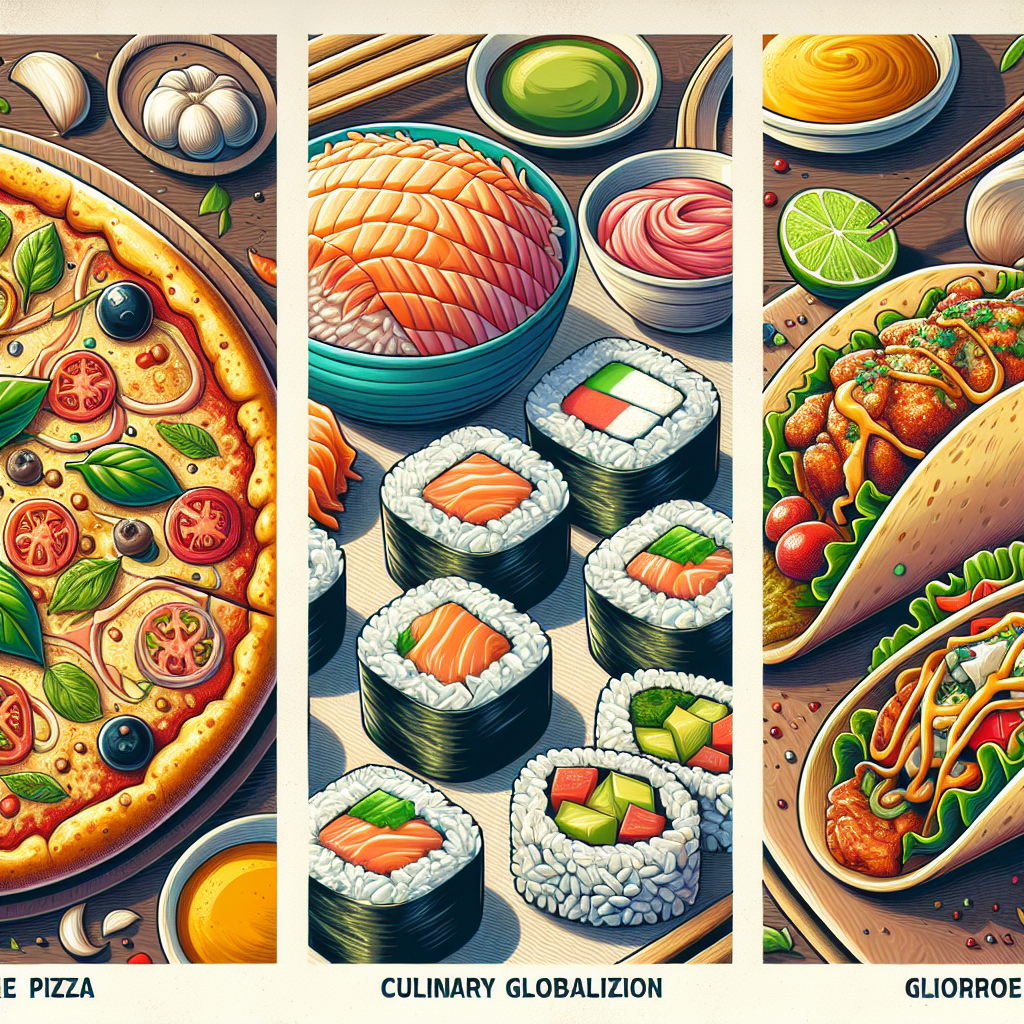
Globalization, the ever-expanding web of trade, communication, and cultural exchange, has brought the world closer together in unprecedented ways. One of the most delightful and tangible expressions of this phenomenon is found on our plates. Cultural cuisines, once confined to their regional boundaries, have now permeated across the globe, creating a melting pot of flavors and culinary traditions. Dishes like pizza, sushi, and tacos, which have roots in Italy, Japan, and Mexico respectively, are now beloved in countries far from their origins. This culinary globalization not only satisfies our taste buds but also tells a rich story of cultural integration, adaptation, and innovation. In this article, we will delve into the widespread impact of globalization on these iconic dishes, exploring how they have been transformed and accepted worldwide.

Pizza: From Italy to the World

Pizza is undoubtedly one of the most popular and universally loved foods today. Originating in Naples, Italy, pizza started as a simple flatbread seasoned with herbs and olive oil. It evolved into the classic Margherita pizza, topped with tomatoes, mozzarella cheese, and basil, representing the colors of the Italian flag. However, pizza’s journey didn’t stop in Italy. As Italian immigrants moved across Europe and the Americas in the late 19th and early 20th centuries, they brought their culinary traditions with them.

In the United States, particularly in cities with large Italian immigrant populations like New York and Chicago, pizza underwent significant transformations. New York-style pizza, characterized by its thin, foldable crust, and the deep-dish pizza of Chicago became staples in American cuisine. Over time, pizza crossed more borders, adapting to local tastes and ingredients. Today, we have sushi pizzas in Japan, with rice crusts and raw fish toppings, and even exotic variations like the South Korean bulgogi pizza, topped with marinated beef and kimchi. These adaptations reflect not just a culinary transformation but also a broader cultural exchange and acceptance of diverse influences.

Sushi: Tradition meets Modernity

Sushi, another globally adored dish, has its roots firmly planted in Japan. Traditionally, sushi was a method of preserving fish by fermenting it with rice. Over centuries, it evolved into the fresh, visually appealing sushi we know today, characterized by vinegared rice paired with seafood, vegetables, and sometimes tropical fruits. The rise of sushi can be largely attributed to the sushi bar culture in Japan during the Edo period, and later, the invention of the iconic Nigiri sushi in the 19th century.

As Japan opened its doors to the world in the late 19th and early 20th centuries, sushi began its global journey. In the United States, it became a symbol of sophistication and health consciousness, particularly in the 1970s, when the California Roll was invented. This adaptation used familiar ingredients like avocado and imitation crab, making sushi more palatable to Western tastes. Sushi today transcends its traditional forms, with fusion creations like the sushi burrito and poke bowls gaining popularity. These dishes blend the essence of sushi with elements from other cuisines, demonstrating the dynamic nature of culinary globalization.

Tacos: From Streets of Mexico to Global Tables

Tacos, a street food staple in Mexico, have become a global sensation. The concept is simple yet versatile: a corn or flour tortilla filled with an array of ingredients ranging from meats, cheeses, beans, and vegetables to more unconventional fillings. The origins of tacos can be traced back to pre-Columbian Mexico, where indigenous people used tortillas as edible vessels for other foods. Over time, the taco evolved with the influences of various culinary traditions brought by Spanish colonists and other immigrants.

As Mexican immigrants moved to the United States, they brought tacos with them, initially popularizing them in border states like California and Texas. The cultural exchange continued as tacos were adapted to suit local tastes, leading to the birth of Tex-Mex cuisine, which features hard-shell tacos and Americanized toppings like shredded lettuce, cheese, and sour cream. Tacos have transcended their humble origins to become a gourmet item in many parts of the world, with food trucks and restaurants offering innovative versions like Korean BBQ tacos and vegan tacos. This global acceptance and adaptation of tacos illustrate the profound impact of culinary globalization on food culture.

The Role of Media and Technology

The global spread of cuisines like pizza, sushi, and tacos is significantly influenced by media and technology. Television shows, cooking programs, and more recently, social media platforms like Instagram and YouTube, have played a pivotal role in familiarizing people with diverse culinary traditions. Celebrity chefs and cooking influencers often highlight unique dishes from around the world, sparking interest and inspiring home cooks and professionals alike to experiment with new recipes.

Technology has also made it easier for people to access ingredients that were once considered exotic and difficult to find. Online shopping platforms and international food markets now offer a wide range of ingredients, enabling people to create authentic global dishes in their kitchens. The rise of food delivery apps has further facilitated the spread of international cuisine, allowing people to sample dishes from various cultures without leaving their homes. This cultural dissemination through media and technology underscores the interconnected nature of the modern world and its collective love for diverse culinary experiences.

Cultural Exchange through Cuisine

At the heart of culinary globalization lies cultural exchange. Food is a fundamental aspect of cultural identity, and sharing food can lead to a deeper understanding and appreciation of different cultures. When people experience cuisines from other parts of the world, they are not just tasting new flavors but also gaining insights into different ways of life, traditions, and values. This exchange fosters a sense of global community and mutual respect.

Culinary exchange can also lead to the evolution of new dishes that blend elements from multiple cultures. For example, the fusion of Mexican and Korean cuisines has given rise to dishes like the Korean taco, which combines the flavors and ingredients of both culinary traditions. Such innovations highlight the creativity and adaptability inherent in human culture. Through the lens of food, we can see how globalization enriches our lives by bringing us closer together and encouraging us to explore and celebrate our differences.

Conclusion

The globalization of cuisine, exemplified by the worldwide popularity of pizza, sushi, and tacos, is a testament to the power of cultural exchange and human curiosity. These dishes, which originated in different corners of the world, have transcended their local roots to become global icons, cherished by people from diverse backgrounds. This culinary journey reflects the broader trends of globalization, where ideas, traditions, and innovations are shared and adapted, leading to a richer, more interconnected world.

As we continue to embrace and celebrate global cuisine, it’s essential to recognize and respect the cultural heritage that gives rise to these beloved dishes. By doing so, we honor the traditions and histories that have shaped our culinary landscape and ensure that the spirit of cultural exchange continues to thrive. So, the next time you enjoy a slice of pizza, a piece of sushi, or a taco, take a moment to appreciate the rich tapestry of global influences that have brought these flavors to your table.

Culinary Traditions, Global Events and Trends

Post navigation

Previous Post: The Impact of Globalization on Local Languages
Next Post: The Role of the Internet in Cultural Exchange

Related Posts

Climate Change – Environmental Impact and Cultural Shifts Global Events and Trends
The Art of Sushi: A Staple of Japanese Cuisine Culinary Traditions
Diwali: Celebrating India’s Enchanting Festival of Lights Cultural Celebrations
Oktoberfest: A Deep Dive into Germany’s Iconic Beer Fest Cultural Celebrations
The Information Age: Impact of Internet on Global Culture Global Events and Trends
Transforming Lives: The Impact of Smartphones, AI, & Biotech Global Events and Trends
  • World History
  • Timeline of US History: Major Events from 1492 to Present
  • Glossary of Government Terms: 50 AP Gov Concepts Explained in Plain English
  • Top 10 Most Common Social Studies Exam Terms (and What They Mean)
  • Research Paper Outline Example (Template for High School & AP Research)

Navigation

  • Economics
    • Agricultural Price Supports
    • Agriculture in the United States
    • Bank Deregulation and the S&L Crisis
    • Banking and the Federal Reserve System
    • Basic Economic Concepts
    • Budgeting
    • Business Cycle
    • Business Organizations
    • Perspectives on Business Structures
    • Circular Flow Model
    • Collective Bargaining
    • Comparative Economic Systems
    • Different Types of Banks
    • Economic Growth
    • Economic Indicators
    • Economics Final Exam Review
    • Economics Links
    • Elasticity
    • Federal and State Budgeting
    • Federal Spending and National Debt
    • Free Enterprise
    • Governments Role in the Economy
    • History of Labor Unions
    • Government Protection of the Consumer
    • Income Inequality
    • Inflation
  • History Topics
    • “Robber Barons” or “Captains of Industry”
    • The 18th & 19th Amendments: Prohibition & Women’s Suffrage Explored
    • 19th Amendment – Womens Suffrrage
    • African American Reformers
    • African American Reform in the Progressive Era
    • America – Divided at Birth
    • America’s Role in WWII: Decisive Influence in War’s Outcome
    • Spanish American War: How it Forged America’s Global Dominance
    • Andrew Carnegie – Gospel of Wealth
    • Effectiveness of U.S. Antitrust Laws in Protecting Competition
    • Articles of Confederation
    • Justifications & Impacts: Policies Toward Native Americans
    • Understanding the Bill of Rights’ Protections
    • US Campaigns and Elections: Democracy’s Backbone
    • Causes of the Great Depression
    • Opposition & Responses to the New Deal: Roosevelt’s Strategy
    • Checks and Balances
    • Effectiveness of the Civil Rights Movement in U.S. Social Change
    • What Caused the Beginning of the Civil War?
    • Colonization and Mercantilism
    • Constitutional Convention
    • Constitutional Flexibility
    • Containment Policy: America’s Tactics Against Communism
    • Cooling the Cold War: From Peaceful Coexistence to Detente
    • Cooling Off: Peaceful Coexistence to Detente
    • Declaration of Independence
    • Democracy in the colonies
    • Dropping of the Atomic Bomb
    • Early Domestic Policies
    • Washington & Jefferson’s Impactful Foreign Policies
    • Reconstruction’s Impact on Freedmen’s Lives
    • Effect of Lincoln’ Death on Reconstruction
    • Effects of the Great Depression
    • Electoral College
    • Enlightenment Thinkers
    • Events Leading Up To The Revolution
    • French and Indian War
    • Government Relationship with Unions
    • How a bill becomes a law.
    • Immigration – Why they came
    • Improvement in the cities – Progressive Era
    • American Influence in Asia during the 1800s
    • John Quincy Adams and Andrew Jackson
  • History Lessons
    • Cold War Genesis: A Detailed Analysis
    • The End of the Cold War
    • FDR’s New Deal
    • Foundation of Democracy
    • The Presidency of Andrew Jackson
    • JFK versus LBJ
    • The Presidency of John Adams
    • Judicial Branch
    • Immigration in the U.S
    • Legislative Branch
    • Madison – War of 1812
    • Monopolies & Trusts: Exploring American Businesses’ Quest to Curb Competition
    • The Presidency of James Monroe
    • Judicial Review and Supreme Court Cases
    • Justification for Imperialism
    • Korematsu V. United States
    • Origins of Legalized Segregation in the South
    • Management vs Unions: Responses to Unionization in the Industrial Revolution
    • Westward Expansion: Manifest Destiny’s Impact
    • McCarthyism Explained: Politics, Fear, and Cold War Context
    • The New Deal’s Impact on Minorities in 1930s America
    • Monopolies
    • Monroe Presidency
    • New Technologies – Industrialization
    • WWI and Civil Liberties: Striking the Balance in Wartime
  • Gov & Politics
    • Elections and Campaigns – Week 9 Notes
    • Interest Groups in American Politics: A Historical Review
    • Interest Groups – Text Notes – Week Seven
    • Lecture Notes – American Political System
    • Lecture Notes – Congress – Week 11
    • Lecture Notes – Economic Policy
    • Lecture Notes – Federalism
    • Lecture Notes – The Judiciary – Week 13
    • Notes – The Bureaucracy
    • Lecture Notes – Political Culture in America
    • Political Participation
    • Political Participation – Text Notes – Week Six
    • Political Parties – Week 8 – Text Notes
  • World Cultures
    • Asian Cultures
    • African Cultures
    • European Cultures
    • Middle Eastern Cultures
    • North American Cultures
    • Oceania and Pacific Cultures
    • South American Cultures
  • Global Trends
  • Important Events
  • Social Studies Weekly
  • Cultural Celebrations
    • Ancient Civilizations
    • Architectural Wonders
    • Celebrating Hispanic Heritage
    • Celebrating Women
    • Celebrating World Heritage Sites
    • Clothing and Fashion
    • Culinary Traditions
    • Cultural Impact of Language
    • Environmental Practices
    • Festivals
    • Global Art and Artists
    • Global Music and Dance
  • Economics
    • Behavioral Economics
    • Development Economics
    • Econometrics and Quantitative Methods
    • Economic Development
    • Economic Geography
    • Economic History
    • Economic Policy
    • Economic Sociology
    • Economics of Education
    • Environmental Economics
    • Financial Economics
    • Health Economics
    • History of Economic Thought
    • International Economics
    • Labor Economics
    • Macroeconomics
    • Microeconomics
  • Important Figures in History
    • Artists and Writers
    • Cultural Icons
    • Groundbreaking Scientists
    • Human Rights Champions
    • Intellectual Giants
    • Leaders in Social Change
    • Mythology and Legends
    • Political and Military Strategists
    • Political Pioneers
    • Revolutionary Leaders
    • Scientific Trailblazers
    • Explorers and Innovators
  • Global Events and Trends
  • Regional and National Events
  • World Cultures
    • Asian Cultures
    • African Cultures
    • European Cultures
    • Middle Eastern Cultures
    • North American Cultures
    • Oceania and Pacific Cultures
    • South American Cultures
  • Privacy Policy

Copyright © 2025 SOCIALSTUDIESHELP.COM. Powered by AI Writer DIYSEO.AI. Download on WordPress.

Powered by PressBook Grid Blogs theme