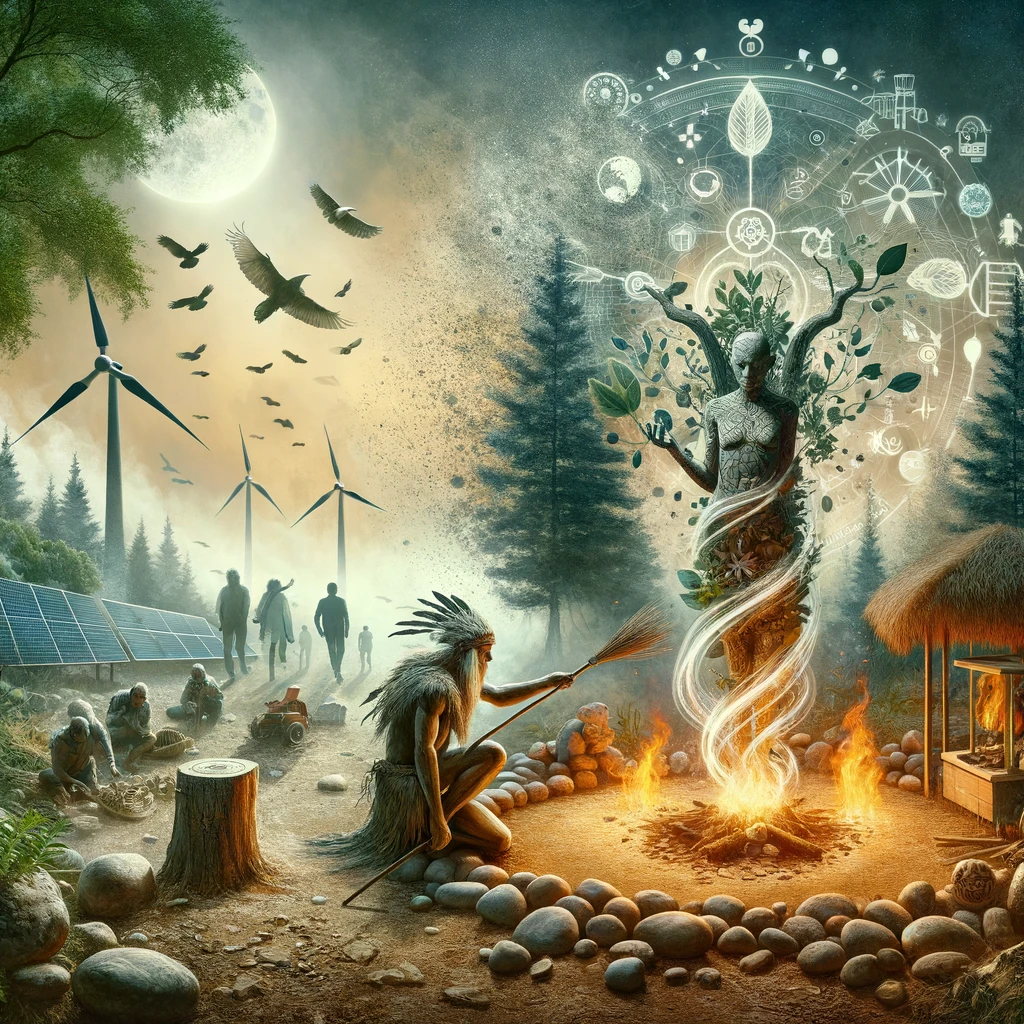
In a world grappling with environmental challenges, the concept of eco-villages offers a beacon of hope. Eco-villages are not just a modern phenomenon but a contemporary interpretation of ancient sustainability practices. Rooted in the wisdom of our ancestors and adapted to modern environmental needs, these communities represent a unique amalgamation of the old and the new, providing valuable insights into sustainable living. This article explores the essence of eco-villages, examining how different cultures have embraced environmental practices and how they contribute to a sustainable future.
The Philosophy of Eco-Villages
The philosophy of eco-villages is grounded in living harmoniously with nature. It’s about creating self-sufficient communities that minimize their ecological footprint while fostering a sense of belonging and cooperation among residents. These communities are designed to be sustainable, not just environmentally, but also socially and economically. They encourage a lifestyle that respects the limits of the natural world, promoting renewable energy, organic agriculture, and sustainable architecture.
Historical Roots
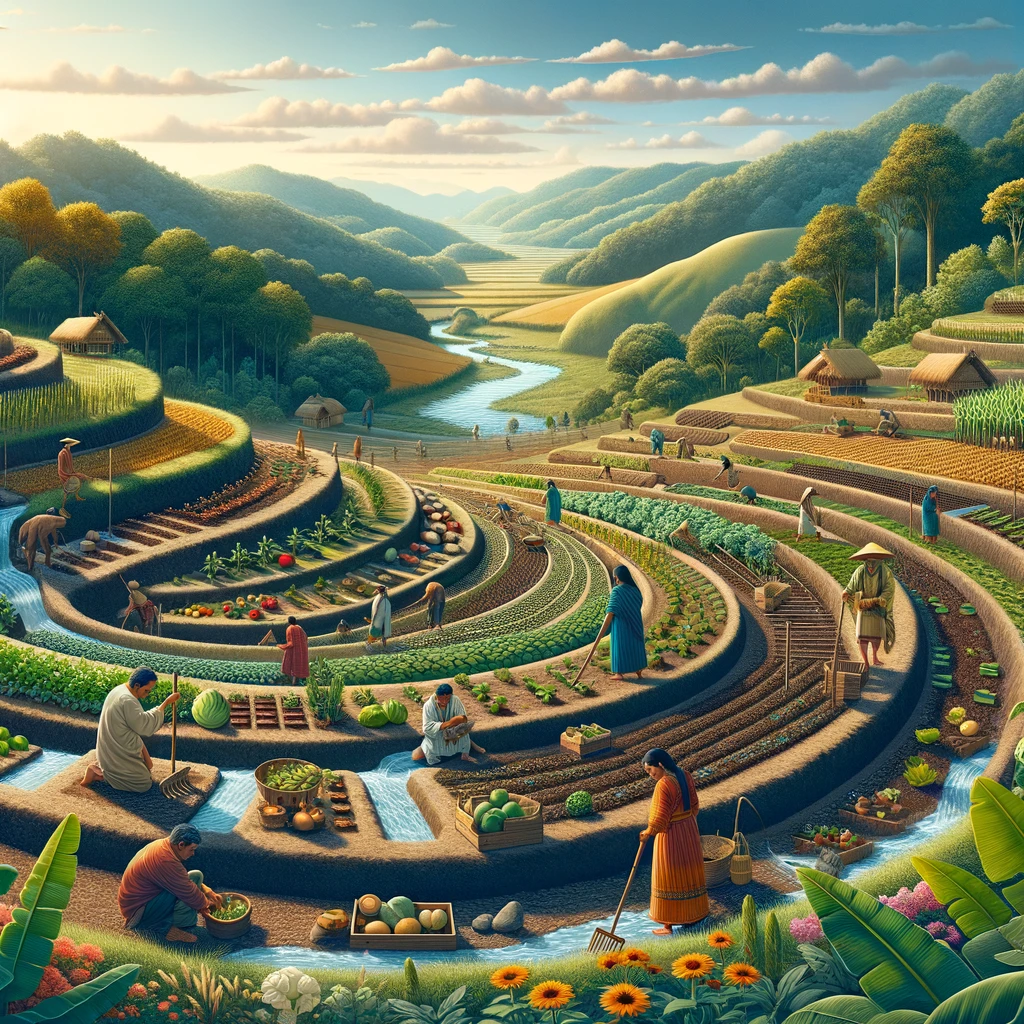
The roots of eco-villages can be traced back to ancient civilizations. Indigenous communities around the world have long practiced sustainable living. For example, the Native American tribes used to cultivate their land with respect for its natural cycles, ensuring that they did not deplete its resources. Similarly, ancient farming communities in Asia practiced crop rotation and natural pest control, methods that are now being revisited in modern eco-villages.
Modern Manifestations
Today, eco-villages have emerged in various forms around the globe. In Europe, communities like Findhorn in Scotland and Damanhur in Italy have gained fame for their sustainable practices. These villages incorporate renewable energy sources, such as wind and solar power, and prioritize organic farming and recycling. In Asia, the Auroville community in India stands as a testament to sustainable living, with its focus on ecological restoration and sustainable building practices.
Cultural Integration
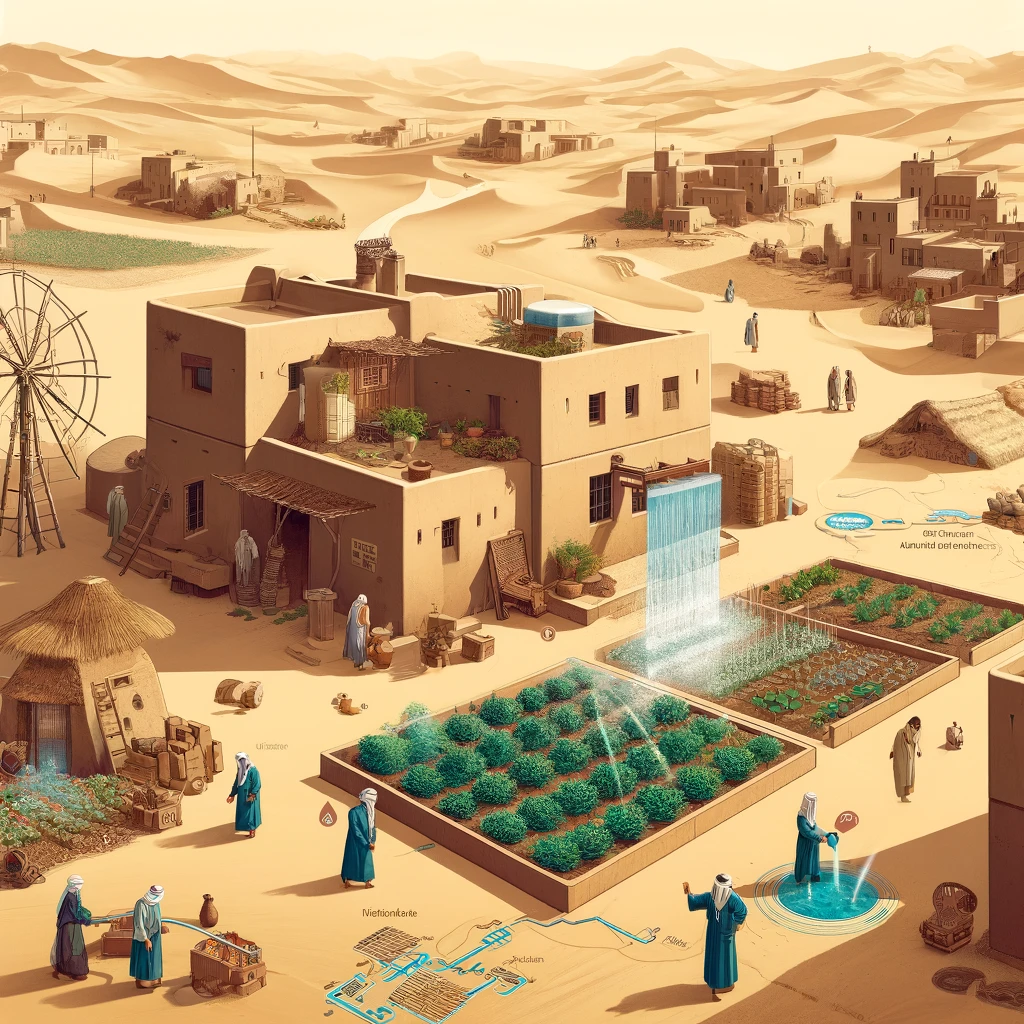
One of the most intriguing aspects of eco-villages is how they integrate cultural elements into their sustainability practices. In Africa, eco-villages often incorporate traditional building techniques, using local materials like mud and thatch, which are naturally insulating and sustainable. In Latin America, communities blend modern permaculture techniques with ancient agricultural practices, creating a symbiosis between the past and the present.
Educational and Social Impact
Eco-villages are not just living spaces; they are hubs of learning and social transformation. They offer workshops and courses on sustainable living, organic farming, and renewable energy. These communities often attract individuals and groups interested in learning about sustainable practices, thus spreading awareness and education beyond their boundaries. Additionally, the communal aspect of eco-villages fosters a strong sense of community and cooperation, often leading to the development of innovative solutions to environmental and social challenges.
Challenges and Criticisms
Despite their benefits, eco-villages face several challenges. One of the main criticisms is that they are often inaccessible to lower-income groups, thus limiting their impact. Additionally, some argue that eco-villages are not a scalable solution to global environmental problems and can sometimes be isolated from the broader society, limiting their influence.
Future Prospects
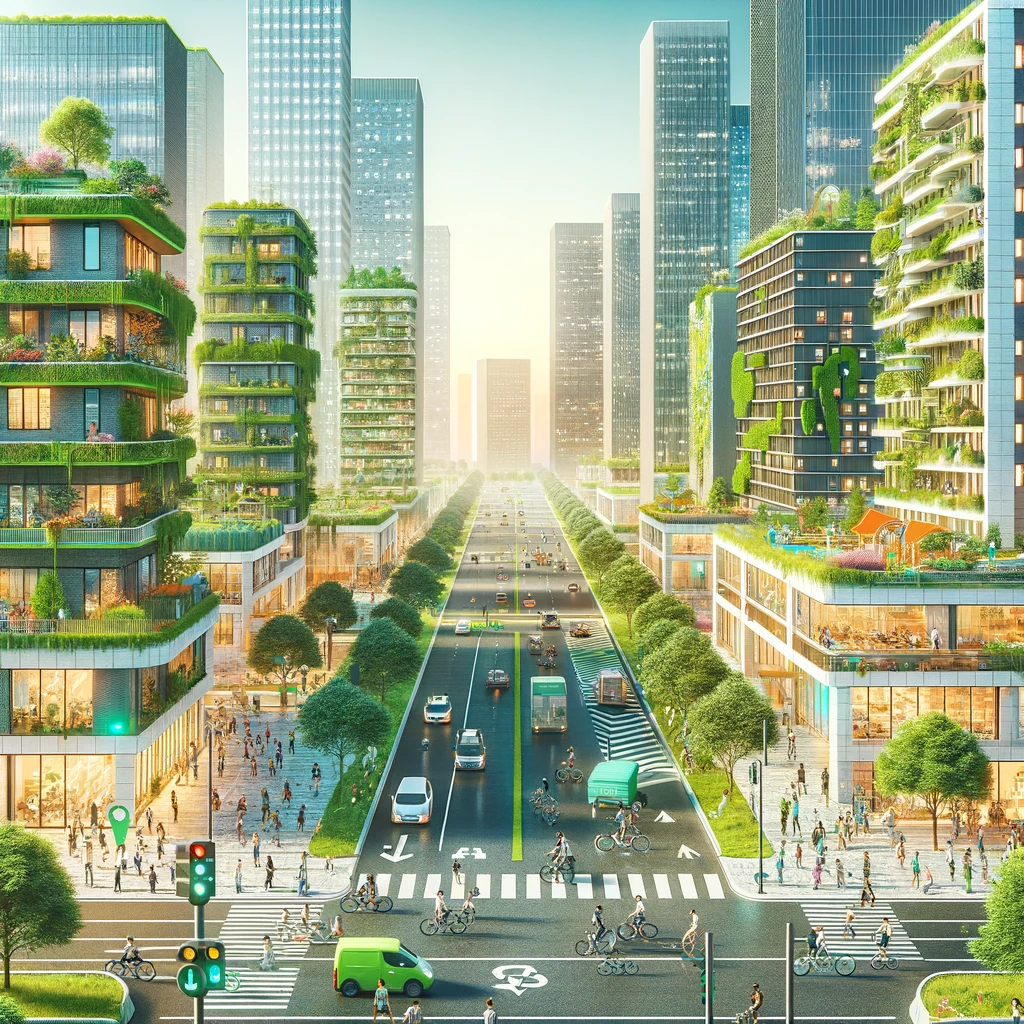
The future of eco-villages lies in their ability to adapt and evolve. As technology advances, eco-villages have the potential to become more accessible and efficient. The integration of smart technology and sustainable practices can make these communities more viable for a larger population. Moreover, as awareness about environmental issues grows, eco-villages may serve as models for larger urban areas, influencing sustainable urban development.
Eco-Village Design and Architecture
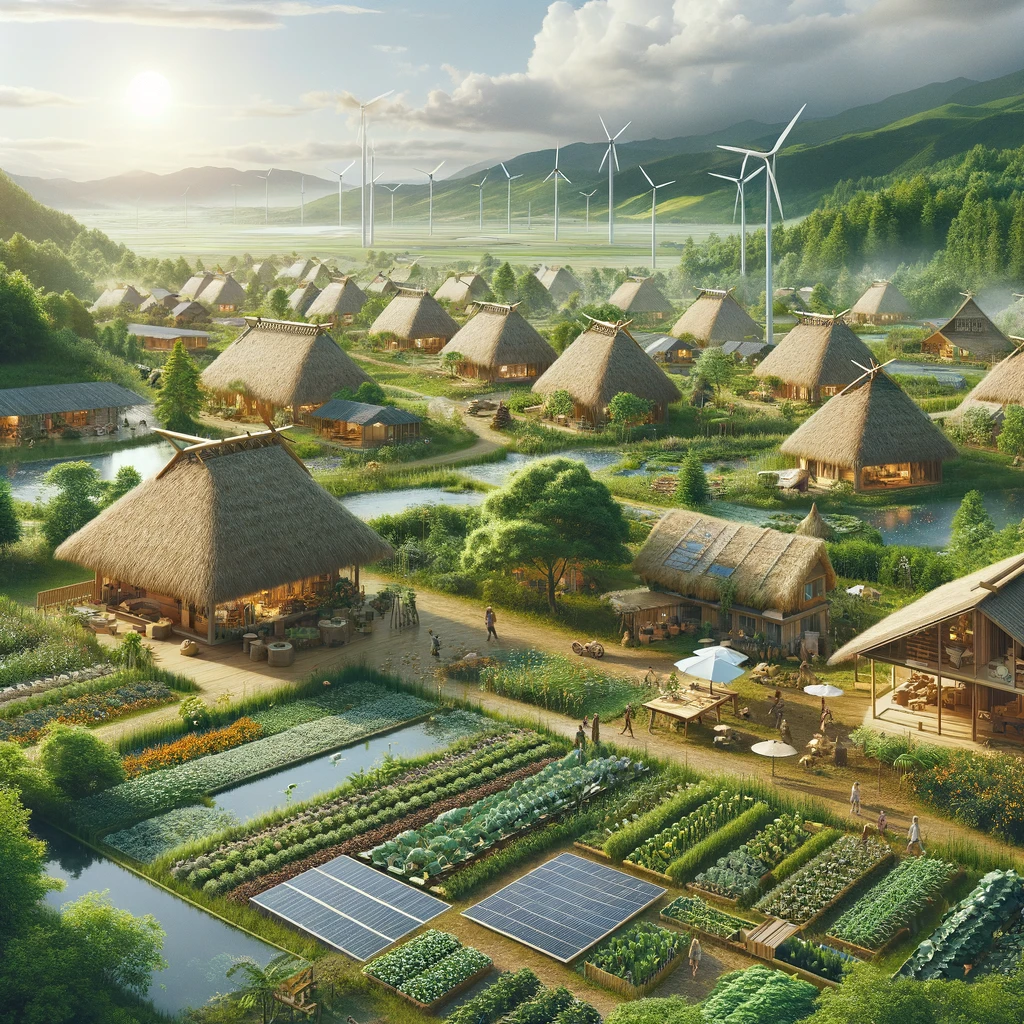
The design and architecture of eco-villages play a crucial role in their sustainability. These communities often feature buildings made from natural, locally sourced materials, reducing the environmental impact of construction. The use of renewable energy systems, like solar panels and wind turbines, is common, as is the implementation of water conservation methods such as rainwater harvesting and greywater recycling. The layout of eco-villages often emphasizes communal spaces, encouraging social interaction and the sharing of resources.
Global Examples of Eco-Villages
Findhorn, Scotland
Findhorn is one of the oldest and most successful eco-villages. Established in the 1960s, it has evolved into a thriving community with its own educational center. Findhorn is known for its ecological houses, made from sustainable materials, and its effective waste treatment system, which includes a living machine that uses plants to purify wastewater.
Auroville, India
Auroville represents a unique experiment in international living and sustainability. Founded in 1968, it aims to be a universal town where people of all nationalities can live in peace and progressive harmony. Auroville focuses on sustainable living and has several renewable energy projects, organic farms, and a strong emphasis on reforestation.
The Farm, USA
Located in Tennessee, The Farm is an eco-village famous for its practices in sustainable agriculture, green building, and solar energy. Founded in 1971, it has evolved into a large, cooperative community, offering educational programs on sustainable living.
The Role of Technology in Eco-Villages
Advancements in technology play a pivotal role in the evolution of eco-villages. The integration of solar power technology, biogas plants, and advanced water purification systems has made these communities more sustainable and self-sufficient. Smart technologies, like energy-efficient appliances and IoT devices, help in monitoring and managing resources more effectively, reducing waste and conserving energy.
Eco-Villages and Education
Eco-villages are not just about sustainable living; they are also centers of education and knowledge sharing. Many eco-villages offer workshops and courses on permaculture, renewable energy, and sustainable architecture. These educational programs are crucial in spreading the principles of sustainable living to a wider audience.
The Impact of Eco-Villages on Local Economies
Eco-villages can have a significant impact on local economies. By prioritizing local materials and labor, they support local industries and create jobs. The emphasis on organic farming and artisanal crafts can also boost local agriculture and handicraft sectors. Additionally, eco-villages often become tourist attractions, bringing in additional revenue.
Addressing the Criticisms
While eco-villages are often criticized for being exclusive and not scalable, many communities are working to address these issues. Some are developing more affordable housing options and creating partnerships with local governments to influence broader policy changes. By demonstrating the viability of sustainable living, eco-villages can inspire larger-scale environmental initiatives.
The Global Eco-Village Network (GEN)
The Global Eco-Village Network is an organization that supports the development of eco-villages worldwide. GEN offers resources, training, and a platform for eco-villages to share knowledge and experiences. This network plays a crucial role in promoting the eco-village movement and connecting like-minded communities globally.
Final Thoughts
Eco-villages represent a powerful model for sustainable living, combining ancient wisdom with modern technology. They demonstrate that it is possible to live in harmony with nature while fostering a strong community spirit. As the world faces increasing environmental challenges, the lessons learned from eco-villages could be vital in shaping a more sustainable and equitable future for all.