
Scandinavia, a region in Northern Europe, is renowned for its unique cultural identity that has evolved over centuries. Comprising Denmark, Norway, and Sweden, with Finland and Iceland often included, this region boasts a rich tapestry of history, traditions, and influences that have shaped its modern identity. This article delves into the deep roots of Scandinavian culture, exploring its historical origins, cultural traditions, social norms, and the influence of Viking heritage, as well as the modern-day manifestations of this diverse cultural landscape.
Historical Origins
The Viking Era
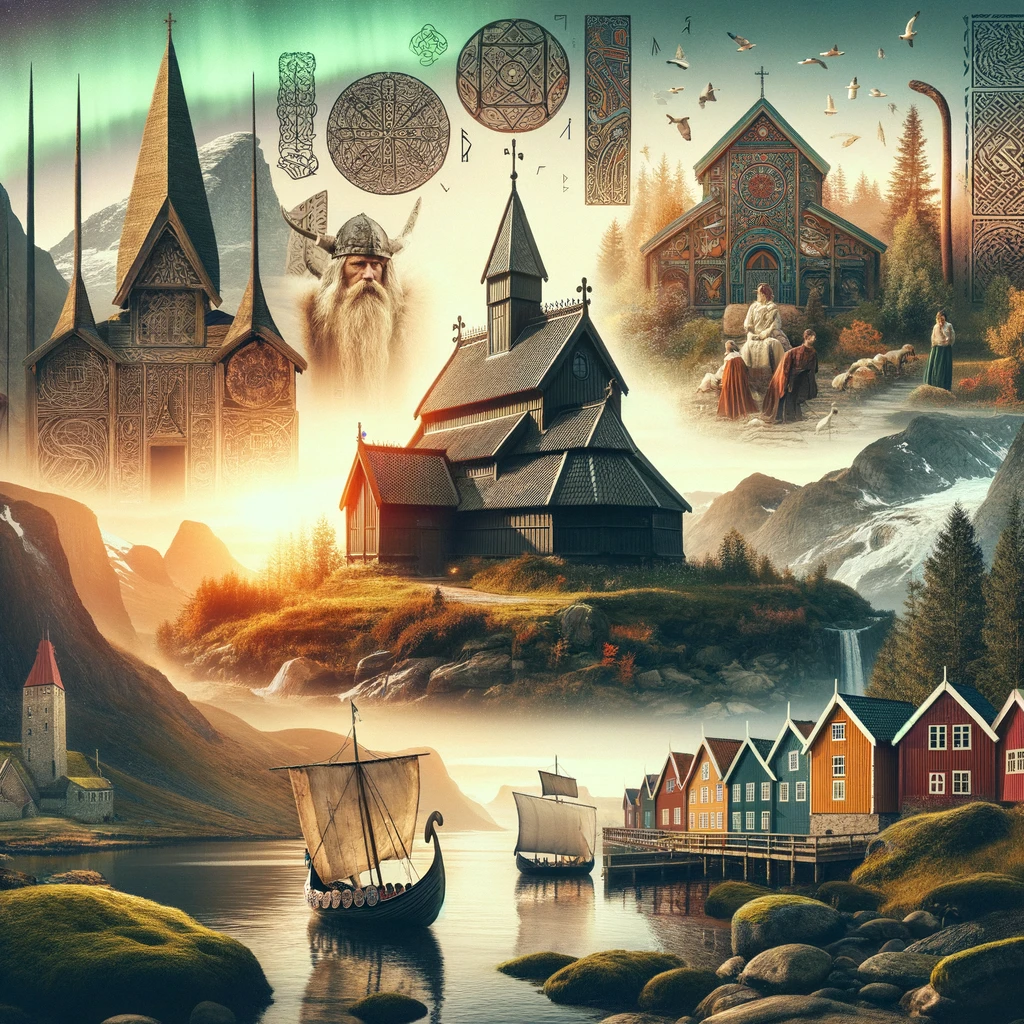
The history of Scandinavian culture is often synonymous with the Viking Age, a period from the late 8th to the mid-11th century. Renowned as seafarers, explorers, and warriors, the Vikings played a crucial role in shaping the cultural and political landscape of Europe. Their expeditions extended from the British Isles to the coasts of North America, influencing trade, warfare, and cultural exchanges. The Viking legacy is a blend of martial prowess and exploration spirit, deeply ingrained in Scandinavian folklore and national identity.
Christianization and State Formation
The transition from the Viking Age to the Christian era marked a significant shift in Scandinavian cultural and social dynamics. The introduction of Christianity in the 11th century brought new religious, artistic, and architectural influences. This period saw the emergence of state formation, with the consolidation of kingdoms in Denmark, Sweden, and Norway. The unification of these territories under centralized monarchies led to the development of distinct national cultures within the Scandinavian region.
Medieval and Renaissance Influences
During the medieval and Renaissance periods, Scandinavian culture absorbed influences from broader European trends. The Hanseatic League, a powerful economic and defensive alliance of merchant guilds and market towns in Northwestern and Central Europe, significantly influenced Scandinavian trade and urban development. This period saw the rise of literature, art, and architecture, with Gothic and Renaissance styles leaving a lasting imprint on Scandinavian cultural heritage.
Cultural Traditions
Folklore and Mythology
Scandinavian folklore and mythology are pivotal in understanding the region’s cultural ethos. Norse mythology, with its pantheon of gods like Odin, Thor, and Freya, and its rich tapestry of legends, sagas, and runes, has profoundly influenced Scandinavian literature, art, and popular culture. These ancient stories, passed down through generations, reflect the values, beliefs, and the naturalistic worldview of the Scandinavian people.
Festivals and Celebrations
Scandinavian festivals and celebrations are deeply rooted in ancient traditions and seasonal cycles. Midsummer, celebrated with bonfires, dancing, and traditional music, is a testament to the region’s connection with nature and the summer solstice. Similarly, Christmas in Scandinavia is a blend of Christian and pre-Christian customs, celebrated with unique traditions like the Swedish ‘Julbord’ (a traditional Christmas feast) and the Norwegian ‘Julebukk’ (a Christmas goat figure).
Music and Dance
Traditional Scandinavian music and dance are integral parts of cultural expression. Instruments like the Swedish nyckelharpa and the Norwegian Hardanger fiddle are emblematic of regional musical heritage. Folk dances, such as the Swedish ‘polska’ and the Norwegian ‘halling’, are performed at festivals and gatherings, preserving the rhythmic heritage of the region.
Social Norms and Values
The Law of Jante
The Law of Jante, a concept prevalent in Scandinavian societies, emphasizes collective well-being and humility. It reflects a cultural tendency towards equality and social harmony, discouraging individual boasting and emphasizing the importance of community. This norm plays a significant role in shaping the Scandinavian approach to social welfare, education, and governance.
Gender Equality and Social Welfare
Scandinavia is often cited as a global leader in gender equality and social welfare. The region’s cultural emphasis on egalitarian principles is evident in its progressive policies on gender equality, parental leave, and education. The robust social welfare systems in these countries are a modern manifestation of traditional values of community support and mutual assistance.
Viking Heritage and Modern Identity
The Viking heritage remains a significant element in contemporary Scandinavian identity. Museums, festivals, and educational programs dedicated to Viking history and culture are prevalent across the region. This historical legacy, coupled with modern values of democracy, sustainability, and innovation, forms the bedrock of Scandinavian identity in the 21st century.
Scandinavian culture, with its deep historical roots and evolving traditions, offers a unique perspective on the interconnectedness of history, tradition, and modernity. From the Viking Age to contemporary society, the region has maintained a distinct cultural identity, marked by a strong connection to nature, a commitment to social welfare, and a deep respect for heritage and tradition. As we explore the rich tapestry of Scandinavian culture, we gain insights into a world where the past and present coexist in harmony, shaping a dynamic and resilient cultural landscape.
The Influence of Nature and Environment
Connection with the Natural World
Scandinavia’s stunning natural landscapes, from the fjords of Norway to the forests of Sweden and the shores of Denmark, have deeply influenced its culture. This connection is evident in the region’s art, literature, and lifestyle, where nature is not just a backdrop but a central character. The reverence for the natural world is also reflected in the strong environmental consciousness and sustainable practices prevalent in Scandinavian societies.
Seasonal Impact on Lifestyle and Traditions
The extreme seasonal variations in Scandinavia, from the long, dark winters to the bright, endless days of summer, have a profound impact on its culture. Winter traditions such as the Finnish sauna and the Danish concept of ‘hygge’ – a sense of coziness and comfortable conviviality – are responses to the cold and darkness. Conversely, the summer is a time of vibrant outdoor activities, festivals, and a celebration of light, reflecting the region’s adaptability and resilience.
Language and Literature
The Role of Language in Cultural Identity
Scandinavian languages, part of the North Germanic language family, play a crucial role in cultural identity. While Danish, Norwegian, and Swedish are mutually intelligible to a degree, each language has evolved uniquely, carrying with it a rich literary tradition. Icelandic, though more distant, preserves older linguistic elements, offering a window into ancient Norse culture.
Literary Contributions
Scandinavian literature, both ancient and modern, is a key component of its cultural heritage. Medieval sagas and eddas provide insights into Viking society and mythology. In modern times, authors like Henrik Ibsen, August Strindberg, and Astrid Lindgren have contributed significantly to world literature. Their works, exploring themes from Nordic folklore to contemporary social issues, have earned global acclaim and continue to influence literature worldwide.
Art and Design
Visual Arts
Scandinavian visual arts, from the intricate designs of Viking age artifacts to modern design and architecture, reflect a blend of functionality and aesthetic simplicity. This is evident in the minimalist yet functional approach to design, seen in everything from furniture to urban planning. Art movements like Skagen Painters in Denmark have captured the unique light and landscape of the region, further solidifying the connection between Scandinavian identity and its natural environment.
Design Philosophy
The Scandinavian design philosophy, characterized by simplicity, minimalism, and functionality, has gained worldwide popularity. This approach, whether in furniture, fashion, or architecture, emphasizes clean lines, natural materials, and a harmonious balance between form and function. It reflects the cultural values of practicality, egalitarianism, and a deep connection to the natural world.
Contemporary Scandinavian Culture
Global Influence
In the contemporary global landscape, Scandinavian countries have made significant contributions in various fields including technology, sustainability, and social policy. The region is known for its progressive stances on social welfare, environmental conservation, and human rights, influencing global discussions and policies in these areas.
The Pop Culture Phenomenon
Scandinavian influence is also evident in global pop culture, through music, cinema, and literature. Artists and filmmakers from the region have gained international fame, bringing unique perspectives and storytelling styles to the global audience. The international popularity of Nordic noir, a genre of crime fiction, is a testament to the region’s cultural export capabilities.
The Future of Scandinavian Culture
Preserving Traditions in a Modern World
As Scandinavia continues to navigate the modern globalized world, the challenge and opportunity lie in preserving its rich cultural traditions while embracing change and innovation. The region’s ability to balance respect for history and tradition with a forward-thinking approach is key to its cultural resilience.
Scandinavian Culture in a Global Context
The future of Scandinavian culture, influenced by both its deep historical roots and contemporary global trends, holds immense potential. As these societies continue to evolve, their cultural contributions, grounded in a unique blend of history, tradition, and modernity, are likely to continue shaping and enriching the global cultural landscape.
Conclusion
Scandinavian culture, with its deep historical roots and dynamic contemporary expressions, offers a rich and multifaceted exploration of human creativity and social development. From the legacy of the Vikings to the modern design philosophy, the influence of nature to the global cultural contributions, Scandinavia presents a fascinating case study of how culture can evolve, adapt, and influence far beyond its geographical boundaries. In understanding and appreciating the deep roots of Scandinavian culture, we gain valuable insights into the power of cultural heritage in shaping societies and the global community at large.