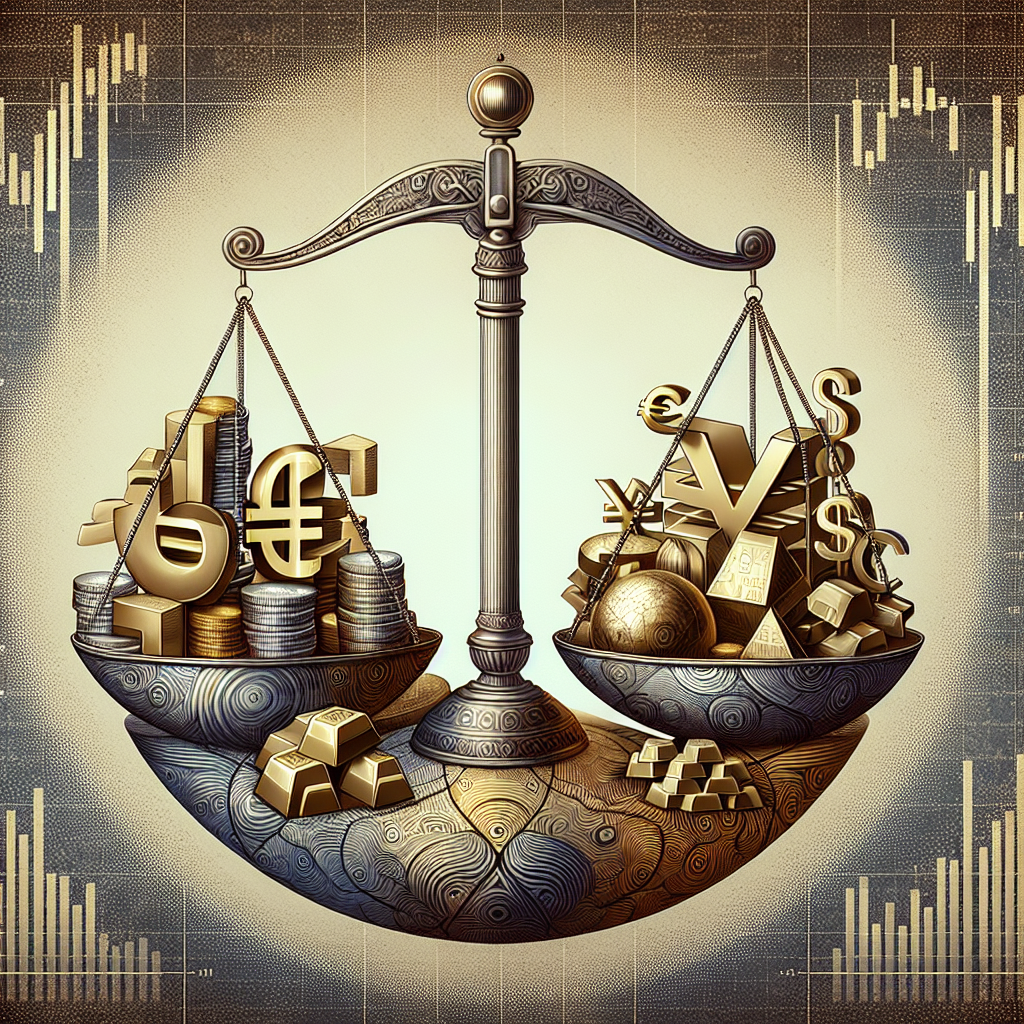
Welfare economics is a branch of microeconomics that focuses on the optimal allocation of resources and goods, and how the allocation affects social welfare. It is essential because it aims to evaluate economic policies in terms of their impacts on the well-being of the community. Welfare economics employs various tools and concepts, including efficiency, equity, utility, and social welfare functions, to assess how public policies, taxes, subsidies, and economic conditions influence collective welfare.
In modern economies, the ultimate goal of many economic policies is to maximize the welfare of society. This involves ensuring that resources are distributed efficiently and equitably. Welfare economics helps in evaluating whether resources are utilized in the most beneficial way possible, ensuring that the overall happiness and satisfaction of the population are maximized.
One of the central themes in welfare economics is the measurement of social welfare and economic efficiency. These measurements provide insight into the effectiveness of different economic policies and practices. In this article, we will delve into the fundamental concepts of welfare economics, including the principles of social welfare, theories of efficiency, and how they are applied in practical scenarios.
Understanding Social Welfare
Social welfare refers to the overall well-being of individuals in a society. It encompasses various dimensions such as income distribution, health, education, and overall quality of life. The primary objective of welfare economics is to analyze different states of the economy and determine which states contribute most to social welfare.
To measure social welfare, economists use tools like utility functions and social welfare functions. A utility function represents an individual’s preference over a set of goods and services, indicating the level of satisfaction or happiness derived from consuming those goods. On the other hand, a social welfare function aggregates individual utilities to reflect the total welfare of society.
The concept of Pareto efficiency is crucial in welfare economics. An allocation of resources is Pareto efficient if no reallocation can make someone better off without making someone else worse off. This principle ensures that resources are used in a way that maximizes social welfare. However, Pareto efficiency does not address issues of equity and fairness, which are also important in social welfare.
Measuring Economic Efficiency
Economic efficiency is about making the best possible use of resources to achieve the maximum possible output and welfare. There are two main types of efficiency: productive efficiency and allocative efficiency. Productive efficiency occurs when goods are produced at the lowest possible cost, while allocative efficiency happens when resources are distributed in a way that maximizes overall welfare.
Productive efficiency ensures that the economy is not wasting resources and is getting the most out of available inputs. Allocative efficiency, on the other hand, focuses on distributing resources in a manner that aligns with consumer preferences and maximizes collective satisfaction.
To evaluate economic efficiency, economists often use cost-benefit analysis. This method involves comparing the total expected costs and benefits of different policies or projects. A policy is considered economically efficient if the total benefits exceed the total costs. Additionally, the concept of deadweight loss plays a key role in assessing efficiency. Deadweight loss refers to the loss of economic efficiency that occurs when the equilibrium outcome is not achieved, often due to market distortions like taxes, subsidies, or price controls.
The Role of Government in Welfare Economics
The government plays a significant role in welfare economics by implementing policies that aim to improve social welfare and economic efficiency. These policies can include tax systems, public goods provision, social insurance, and regulation of markets.
Taxes and subsidies are essential tools in redistributing income and achieving a more equitable allocation of resources. Progressive tax systems, where higher income individuals pay a higher percentage of their income in taxes, can help reduce income inequality and enhance social welfare. Subsidies can assist low-income individuals in accessing essential goods and services, further promoting equity.
Public goods, such as national defense, public parks, and basic education, are non-excludable and non-rivalrous, meaning individuals cannot be excluded from using them, and one person’s use does not diminish another’s. The government often provides these goods because the private market might underproduce them due to the free-rider problem.
Utility, Equity, and Social Welfare Functions
Utility is a core concept in welfare economics, representing the satisfaction or happiness that individuals derive from consuming goods and services. Economists use utility functions to describe individual preferences and how they make choices to maximize their utility.
Equity, or fairness, is another vital aspect of social welfare. While efficiency focuses on maximizing total output, equity addresses the distribution of that output among individuals in society. Policies that aim to enhance equity often involve redistributing resources from wealthier to poorer individuals.
Social welfare functions are mathematical representations that aggregate individual utilities to measure the welfare of society as a whole. Different social welfare functions can reflect different societal values regarding equity and efficiency. For example, a utilitarian social welfare function sums up individual utilities, promoting the greatest good for the greatest number. In contrast, a Rawlsian social welfare function focuses on improving the well-being of the least advantaged members of society.
Challenges in Measuring Social Welfare and Economic Efficiency
Despite the valuable insights provided by welfare economics, measuring social welfare and economic efficiency presents several challenges. One significant difficulty is quantifying intangible aspects of welfare, such as health, education, and environmental quality. These factors are crucial to individuals’ well-being but are not easily captured in monetary terms.
Another challenge lies in balancing equity and efficiency. Policies that promote efficiency may exacerbate income inequality, while those aimed at enhancing equity might reduce economic efficiency. Policymakers must navigate these trade-offs carefully to achieve a balance that maximizes overall social welfare.
Interpersonal comparisons of utility also pose a challenge. Since utility is a subjective measure of satisfaction, comparing utilities across different individuals can be problematic. Economists must rely on assumptions and value judgments to make these comparisons, which can influence policy recommendations.
Practical Applications of Welfare Economics
In practice, welfare economics plays a crucial role in shaping public policy and evaluating its impacts. For example, cost-benefit analysis is widely used to assess the economic efficiency of public projects, such as infrastructure investments or environmental regulations. By comparing the total expected costs and benefits, policymakers can make informed decisions that maximize social welfare.
Income redistribution policies, such as progressive taxation and social welfare programs, are based on principles of welfare economics. These policies aim to reduce income inequality and enhance social welfare by transferring resources from wealthier to poorer individuals. Welfare economics also informs the design of healthcare and education systems, ensuring that these essential services are accessible to all members of society.
Additionally, welfare economics provides a framework for evaluating the impacts of trade policies, labor market regulations, and environmental protections. By considering both efficiency and equity, economists can recommend policies that promote sustainable and inclusive economic growth.
Conclusion
Welfare economics is a vital field within microeconomics that focuses on measuring social welfare and economic efficiency. By analyzing how resources are allocated and distributed, welfare economics provides valuable insights into the well-being of society and the effectiveness of public policies.
Understanding the principles of social welfare, economic efficiency, utility, and equity is essential for policymakers and economists. These concepts help in evaluating the impacts of different policies and practices on the overall welfare of the community. While measuring social welfare and economic efficiency presents challenges, welfare economics offers a comprehensive framework for addressing these complexities and promoting the well-being of society.
In practice, welfare economics guides the design and evaluation of public policies, ensuring that they contribute to a more equitable and efficient allocation of resources. By balancing efficiency and equity, policymakers can work towards maximizing the overall welfare of society, fostering sustainable and inclusive economic growth.