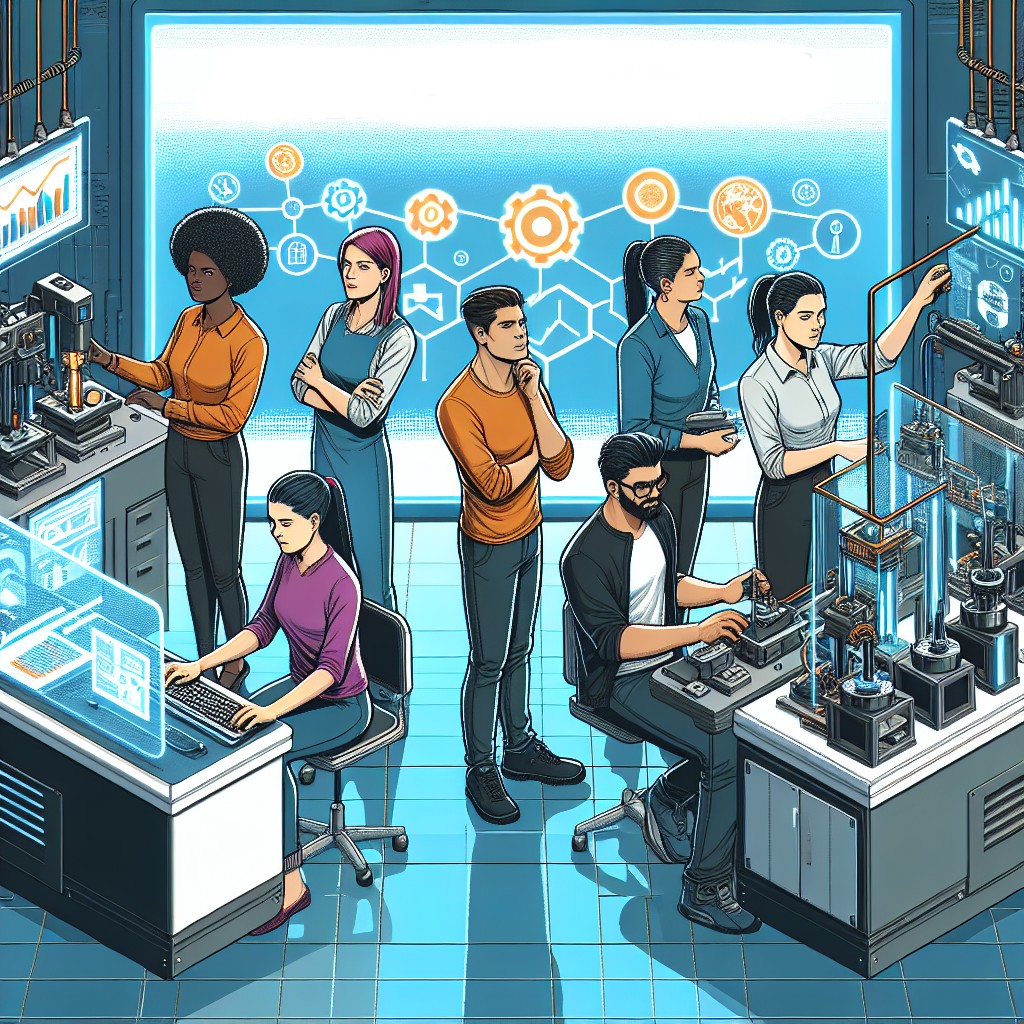
In today’s rapidly changing global economy, the significance of vocational education is growing as a pivotal element in economic development. Vocational education – a system of instructional programs designed to prepare individuals for skilled professions – plays a vital role in equipping people with the practical, employment-focused skills necessary to thrive in various industries. Its relevance has surged as governments, educators, and businesses aim to bridge the gap between education and the labor market, ensuring that training and skills align with the needs of modern economies.
The growing interest in vocational education stems from its potential to drive economic growth and innovation. Countries that excel in implementing effective vocational programs often experience reduced unemployment rates, increased productivity, and enhanced global competitiveness. This is primarily because vocational training often results in a more competent workforce equipped to manage and utilize evolving technologies, respond to market demands, and support industries that are crucial to economic development.
This article delves into the significant impact vocational education has on economic development, exploring strategies for skills training and how they might influence economic trajectories. Key topics include the integration of vocational training in educational systems, its alignment with market needs, and innovative approaches to maximize its effectiveness. By understanding and adapting these strategies, nations can foster a workforce that is not only ready for current job markets but also prepared to face future economic challenges.
Understanding the Economic Impact of Vocational Education
Vocational education directly contributes to economic growth by ensuring that the workforce is adeptly trained in skills that reflect the ever-demanding needs of the labor market. The economic impact of vocational training is profound through several mechanisms. Firstly, it enhances employability by providing job-specific skills that increase an individual’s chances of finding employment quickly and within their field of study. This in turn mitigates the issue of mismatched employment, where graduates struggle to find job opportunities that align with their academic qualifications.
Additionally, vocational education fosters entrepreneurship by equipping individuals with practical skills and industry knowledge, enabling them to start their own businesses. This stimulates economic growth by creating jobs not only for the business owner but also for the community at large. As small businesses often serve as the backbone of any economy, fostering entrepreneurship through vocational training contributes significantly to economic development.
Another fundamental way vocational education supports economic growth is through innovation. As industries evolve, the need for innovative solutions increases. Vocational training provides the hands-on skills necessary for individuals to engage with cutting-edge technologies and processes, fostering a culture of innovation and adaptation that is essential for economic resilience in the face of global changes and technological advancements.
Aligning Vocational Training with Market Demands
The success of vocational education in driving economic development heavily depends on its alignment with current market demands. To achieve this, continuous collaboration between educational institutions and industry stakeholders is crucial. This collaboration ensures that the curriculum is updated to match the skills and competencies required by employers. Such alignment not only improves employability but also aids industries in gaining a competitive edge by having a workforce that is proficient and ready to meet market challenges.
Another approach to ensuring that vocational education remains relevant to market needs involves leveraging labor market data to anticipate future skills requirements. By analyzing trends and market shifts, vocational programs can adapt their training modules to prepare learners for emerging sectors and technological advancements. This forward-thinking approach not only benefits individuals by enhancing their career prospects but also supports economic stability and growth by supplying industries with a pipeline of adept workers ready to tackle upcoming challenges.
Moreover, the inclusion of internships and apprenticeships as essential components of vocational training programs provides students with real-world experience, allowing them to not only apply theoretical knowledge but to also gain insight into the industry’s evolving requirements. This practical exposure helps bridge the gap between education and employment, making graduates more attractive to potential employers and thereby contributing to reducing unemployment rates.
Innovative Strategies for Vocational Education
To maximize the impact of vocational education on economic development, innovative strategies must be implemented. One such strategy is the incorporation of technology in vocational training. Technologies such as virtual reality (VR) and simulation software provide interactive and immersive learning experiences, allowing learners to develop skills in a safe and controlled environment before applying them in real-world scenarios. This approach enhances learning outcomes and better prepares individuals for the workforce.
Another innovation is the adoption of competency-based learning, which focuses on the mastery of specific skills rather than the completion of a set duration in a program. This method allows learners to progress at their own pace and ensures that they have attained the necessary competencies before entering the workforce, thereby increasing the relevance and efficacy of the training process.
Additionally, creating industry-specific centers of excellence can foster advanced training opportunities tailored to particular sectors, further enhancing the relevance and quality of vocational education. These centers act as hubs for skill innovation and research, promoting advancements in vocational training methods and providing targeted workforce development solutions to meet specific industry demands.
The Role of Policy in Enhancing Vocational Education
Government policies play an instrumental role in shaping the landscape of vocational education. Well-crafted policies can provide the necessary framework and resources required to integrate vocational training into national education systems effectively. By setting clear goals and standards, policies ensure that vocational education aligns with both educational and economic objectives.
Investment in vocational education infrastructure is another area where policy can make a significant impact. By funding state-of-the-art training facilities and resources, governments can ensure that vocational programs are equipped to deliver high-quality education that meets modern industry standards. Additionally, policies that incentivize businesses to partner with educational institutions can foster collaborations that enhance curriculum relevance and job placement opportunities.
Furthermore, comprehensive policies should also focus on creating pathways for lifelong learning within vocational training. Continuous skill development is essential in a rapidly changing economy, and policies that support professional development opportunities ensure that the workforce remains adaptive and competitive, thereby fostering sustained economic growth.
Challenges in Implementing Vocational Education Programs
Despite its benefits, implementing effective vocational education programs comes with challenges. One of the major obstacles is changing societal perceptions of vocational training. Many still view it as a less prestigious alternative to traditional academic education. This perception can deter potential learners from pursuing vocational paths, thus impacting the talent pool available for various industries.
Furthermore, there is often a lack of adequate funding and resources dedicated to vocational education compared to higher education avenues. This disparity limits the capacity of vocational programs to provide high-quality training, thereby affecting their effectiveness in preparing learners for the workforce.
Another challenge is keeping curricula up-to-date with fast-evolving industries. Without consistent updates and collaboration with industry experts, vocational programs risk becoming obsolete, leaving graduates unprepared for the current job market. Overcoming these challenges requires a concerted effort from governments, educational institutions, and industries to recognize and resolve barriers collectively, thus ensuring vocational education fulfills its potential in contributing to economic development.
Conclusion
The relationship between vocational education and economic development is crucial and multifaceted. By equipping individuals with practical and targeted skills, vocational education plays a pivotal role in workforce development, entrepreneurship, and innovation, directly impacting a nation’s economic health and competitiveness. To maximize its benefits, it is essential to align vocational training with market needs, integrate innovative learning strategies, and formulate policies that support the sustainable development of vocational programs.
As the global economy continues to evolve, the importance of vocational education will likely increase, making it a vital component of any strategy aimed at fostering economic resilience and growth. By addressing current challenges and leveraging opportunities for improvement, nations can ensure that vocational education contributes significantly to economic prosperity and provides individuals with the skills needed to succeed in an ever-changing world.
Ultimately, vocational education represents a powerful tool for bridging the gap between education and the labor market. By prioritizing its development and integration, societies can enhance their economic outlook while providing meaningful career pathways for their citizens.